
Sauces & Condiments
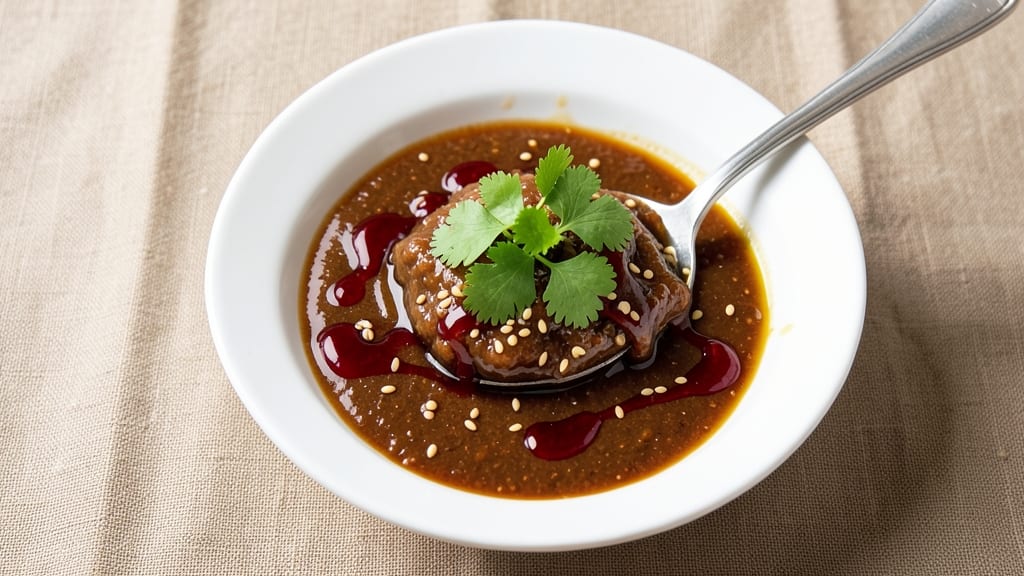
This Asian slaw sauce recipe transforms simple coleslaw into a vibrant, tangy-tamarind experience with a toasted sesame crunch. The secret lies in balancing sweet, sour, and umami flavors—soy sauce provides depth, rice vinegar adds brightness, and tamarind delivers that signature tangy complexity.
I developed this sauce after craving something more dynamic than standard creamy dressings, and it became an instant pantry staple.
The sauce comes together in 10 minutes with just 6 ingredients, making it perfect for meal prep or last-minute gatherings. Toasted sesame seeds add texture and aroma, while a touch of honey or sugar rounds out the flavors without overpowering.
Unlike store-bought versions, this recipe avoids artificial additives, delivering a fresh, restaurant-quality taste every time.
What makes this sauce truly versatile is its ability to elevate more than just slaw—drizzle it over grilled chicken, toss it with noodles, or use it as a marinade for tofu.
The tangy-tamarind swirl cuts through richness while adding a bright, aromatic finish. Once you try it, you’ll never reach for bottled dressings again.
For extra depth, let the sauce sit for 30 minutes before using—this allows the flavors to meld and intensify. Store it in an airtight container in the fridge for up to 2 weeks, though it rarely lasts that long. Here’s how to make it perfectly every time.
Ingredients for asian slaw sauce
Six vibrant ingredients blend into a tangy, aromatic sauce that elevates Asian-inspired dishes effortlessly.
| Ingredient | Amount | Notes |
|---|---|---|
| Tamarind Paste 🍯 | ½ cup | High-quality, unsweetened preferred |
| Rice Vinegar 💧 | ⅓ cup | Seasoned preferred for depth |
| Low-Sodium Soy Sauce 🥢 | ¼ cup | Kikkoman recommended for balance |
| Toasted Sesame Oil 🫒 | 2 tbsp | 100% pure, no additives |
| Honey 🍯 | 2 tbsp | Wildflower preferred for complexity |
| Toasted Sesame Seeds 🥜 | 2 tbsp | Lightly toasted for crunch |
| Garlic Cloves 🧄 | 2 cloves | Minced for aromatic depth |
| Fresh Ginger 🌿 | 1 tbsp | Finely grated for zing |
| Sesame Seeds 🥜 | 1 tbsp | Extra for garnish |
Tamarind paste is the flavor anchor—look for concentrated, block-form tamarind at Asian markets or specialty stores. Kikkoman soy sauce provides the umami backbone, while seasoned rice vinegar adds subtle sweetness and acidity. The honey should be wildflower or clover for floral notes that complement the tang. Fresh ginger and garlic? Always buy organic to avoid bitterness from pesticides. Toast your sesame seeds in a dry pan over medium heat for 2-3 minutes until fragrant—this step amplifies aroma exponentially.
No tamarind paste? Substitute 1/4 cup lime juice plus 1 tbsp brown sugar, though the depth won't be identical. Short on sesame oil? Avocado oil at half the amount works in a pinch, but loses the nutty aroma. For a gluten-free version, swap soy sauce for coconut aminos. The sauce's tangy complexity comes from balancing all five flavors—taste as you go and adjust honey or vinegar to preference. If using pre-toasted sesame seeds, skip the pan-toasting step but add an extra 1/2 tbsp for texture.
Store in a glass jar with a tight seal in the fridge for up to 2 weeks. The flavors deepen over time, so let it sit 30 minutes before using for maximum impact. For meal prep, divide into small containers—this sauce pairs perfectly with grilled proteins, noodles, or fresh slaw. Freeze for up to 3 months if you won't use it within two weeks, though texture may slightly separate upon thawing.
Why You'll Love This Recipe
- Five-Ingredient Magic: I swear, this sauce comes together with just a whisk and a tiny bowl—no fancy techniques, no stress. The tamarind paste does all the heavy lifting, while the honey and rice vinegar balance it into something effortless yet ridiculously good.
- Umami Bomb: That low-sodium soy sauce and toasted sesame oil? Pure flavor payoff. It’s tangy, nutty, and just sweet enough to make you want to drizzle it on everything—no overpowering aftertaste, just pure satisfaction.
- Meal Prep MVP: Make a double batch and store it in the fridge for weeks. It’s my go-to for quick lunches, stir-fries, or even a drizzle over grilled chicken—no last-minute shopping, no extra effort, just ready-to-use magic.
- Budget Flex: Tamarind paste and rice vinegar stretch this sauce far, and it’s way cheaper than store-bought dressings. Honestly, I’ve used this on takeout, salads, and even as a marinade—same great taste, different uses, zero waste.
Step-by-step instructions for Asian slaw sauce
A balanced blend of sweet, tangy, and umami flavors comes together effortlessly with precise technique.
Whisk Tamarind and Vinegar for Tangy Foundation
In a medium bowl, combine the 0.5 cup tamarind paste with the 0.33 cup rice vinegar. Use a whisk to blend vigorously for 30 seconds until the tamarind fully dissolves and the mixture becomes smooth. The tamarind provides that signature tangy depth that sets this sauce apart from standard coleslaw dressings.
I like to press the tamarind paste through a fine-mesh strainer first if it's particularly fibrous—this ensures a silky texture without gritty bits. The vinegar should cut through any sweetness while adding brightness. Let this mixture sit for 5 minutes to allow the flavors to meld before proceeding.
Incorporate Soy Sauce and Sweetener
Add the 0.25 cup low-sodium soy sauce and 2 tbsp honey to the tamarind-vinegar mixture. Whisk continuously for 1 minute until fully combined. The soy sauce adds umami complexity while the honey balances the acidity, creating a harmonious sweet-savory profile.
Taste at this stage—you should notice the sauce developing depth but still needing the aromatic components. If it tastes too sweet, add 1 tsp more rice vinegar; if it needs more sweetness, add ½ tsp honey. This is where you fine-tune the balance before adding the more delicate flavors.
Infuse with Aromatics and Toasted Sesame Oil
In a small bowl, mince the 2 cloves garlic and finely grate the 1 tbsp fresh ginger. Add these to the sauce along with the 2 tbsp toasted sesame oil. Whisk for another 1 minute until the garlic and ginger are completely dispersed and the oil is fully emulsified.
The sesame oil carries nutty warmth that complements the tangy base, while the garlic and ginger add aromatic layers. Here's where the sauce transforms from good to exceptional. Let it sit for 10 minutes to allow the flavors to fully integrate—this resting period is crucial for developing complexity.
Finish with Crunchy Texture Elements
Stir in the 2 tbsp toasted sesame seeds and reserve the 1 tbsp sesame seeds for garnish. The toasted seeds add texture contrast that elevates this sauce from ordinary to restaurant-quality. The sauce should now have a thick, swirlable consistency—if it's too thin, whisk in 1 tsp honey; if too thick, add 1 tsp rice vinegar.
Transfer the sauce to a clean jar or airtight container. For best results, refrigerate for at least 1 hour before using—this allows all the flavors to fully meld. The longer it sits, the more complex the taste profile becomes. When ready to serve, drizzle over fresh slaw or toss with shredded vegetables for that signature Asian crunch.
Pro Tips For Making Asian Slaw Sauce
- DILUTE TAMARIND FIRST: Tamarind paste is thick and stubborn—mix it with 2 tablespoons of warm water or rice vinegar before adding to the sauce. I learned this the hard way after scraping globs off the whisk for five minutes. Trust me, your sauce will emulsify smoother.
- USE COLD SESAME OIL: Add toasted sesame oil last, straight from the fridge, and stir gently. Hot oil burns off its nutty aroma—this isn’t a searing step. A few drops at room temp make a bigger difference than drowning it in heat.
- BALANCE SWEET-SOUR IN LAYERS: Add honey first, then tamarind, then rice vinegar—taste after each. I used to dump everything in and wonder why it tasted flat. The tamarind’s tang needs time to wake up; let it sit 2 minutes before adjusting.
- WHISK VIGOROUSLY FOR 30 SECONDS: Don’t half-ass the whisking. Give it a solid 30 seconds of steady motion after adding soy sauce—this breaks the honey’s resistance and blends the tamarind’s grit. Lazy whisking = grainy sauce. (Yes, even if you’re impatient.)
Make-ahead tips for leftovers
Prep Ahead Sauce
Make this sauce 3 days in advance—it tastes even better after flavors meld in the fridge. Store in a glass jar with a tight seal and shake gently before using. The tamarind and vinegar base develops deeper tanginess over time, while the sesame oil retains its aromatic punch.
I often prep a batch on Sunday so it’s ready for quick weeknight meals. ⏰
Freezer-Friendly
For long-term storage, freeze the sauce in ice cube trays (each cube = ~1 tbsp). Once frozen, transfer cubes to a freezer bag and flatten to save space. Thaw overnight in the fridge—no microwave needed.
The texture remains intact, though it may thin slightly upon thawing. Add a pinch of toasted sesame seeds after thawing to restore crunch.
Batch Prep Tips
Double the recipe for meal prep—this sauce pairs perfectly with grilled chicken, rice bowls, or veggie stir-fries. Divide into small jars (like 8 oz mason jars) so you can grab just what you need.
Label with the date—it keeps for 2 weeks refrigerated or 3 months frozen. I keep one jar on hand for last-minute dinners and one in the freezer for emergencies. ✨
Texture Preservation
To keep the sesame seeds from sinking, stir them in just before serving. If storing long-term, add them fresh when ready to use. The sauce’s consistency may separate slightly in the fridge—just whisk vigorously before using.
For extra thickness, stir in ½ tsp cornstarch mixed with 1 tsp water if needed. This trick works like magic for restaurant-style drizzling. 💡
Versatile Uses
This sauce isn’t just for slaw—use it as a marinade for tofu or shrimp, a dipping sauce for spring rolls, or a glaze for grilled veggies.
The tangy-sweet balance cuts through richness beautifully. I’ve even used it as a salad dressing base by thinning with a splash of water. Get creative—it’s that versatile! 🌟
Garnish Like a Pro
Freshly toasted sesame seeds make all the difference. Toast 1 tbsp extra seeds in a dry pan over medium heat for 1-2 minutes until golden and fragrant. Sprinkle over the sauce just before serving for maximum crunch and aroma.
A drizzle of toasted sesame oil adds another layer of depth. This finishing touch elevates the sauce from good to showstopping. 🥜
Nutrition facts
Frequently asked questions
Can I make this sauce without tamarind paste?
Yes! For a substitute, mix ¼ cup lime juice with 1 tbsp brown sugar to mimic tamarind's tangy-sweet profile. The sauce will taste slightly different but still delicious. For deeper flavor, add ½ tsp fish sauce to enhance umami. Test as you go and adjust sweetness with extra honey if needed.
How do I adjust the spice level?
Add ½ tsp chili flakes or 1 tsp sriracha for mild heat, or 1 tsp gochujang for fermented spice depth. For a smoky kick, stir in ½ tsp smoked paprika after the sauce cools. Always taste first—you can reduce heat by adding 1 tsp honey to balance.
Can I use this sauce on non-Asian dishes?
The tangy-sweet profile works beautifully with burgers, tacos, or even pasta salads. Try it as a marinade for grilled chicken or drizzle over crispy fries for an unexpected Asian twist. The sesame oil adds aroma that pairs well with many cuisines.
Why did my sauce separate?
This happens when the ingredients aren't fully emulsified. Whisk vigorously before using, or stir in ½ tsp cornstarch mixed with 1 tsp water to thicken. For next time, add ingredients in this order: tamarind first, then vinegar, soy sauce, honey, and finally sesame oil. This helps create a stable emulsion.
What's the best way to store leftovers?
Keep in an airtight glass jar in the fridge for up to 2 weeks. For longer storage, freeze in ice cube trays (each cube = ~1 tbsp). Thaw overnight in the fridge—never microwave. The sauce may thicken slightly when cold; whisk before using. Add fresh sesame seeds when serving to restore texture.