
Sauces & Condiments
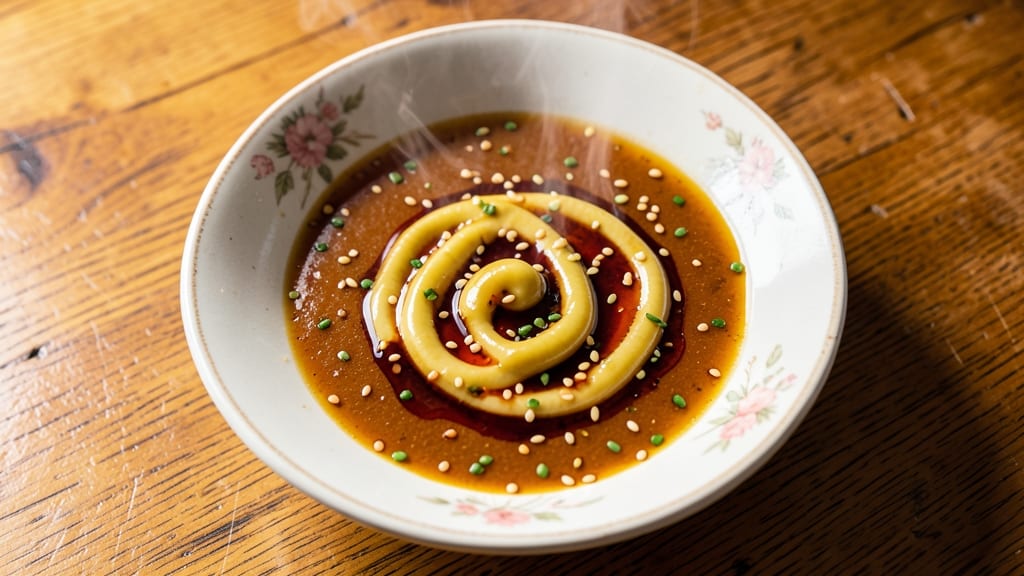
This Asian mustard sauce recipe transforms simple pantry staples into a versatile, umami-rich condiment that elevates everything from spring rolls to grilled wings. The secret lies in balancing sharp mustard, tangy rice vinegar, and savory soy sauce—creating a sauce that’s both bold and adaptable.
I developed this recipe after craving that perfect harmony of heat, sweetness, and depth found in Asian street food, but without the guesswork of store-bought versions.
The beauty of this sauce is its foolproof emulsification—no blender required. By whisking ingredients together in stages, you’ll achieve a silky, clingy texture that clings to dumplings, glazes wings, or enhances stir-fries.
The addition of honey or sesame oil adjusts the flavor profile, letting you customize it for sweet-spicy dipping or a tangy marinade. What makes it stand out is how it transforms ordinary dishes into something restaurant-worthy with minimal effort.
Once mixed, this sauce keeps beautifully in the fridge for up to two weeks, making it a game-changer for meal prep. Use it as a dip for spring rolls, a glaze for grilled meats, or a marinade for tofu—its versatility ensures it becomes a staple in your kitchen.
The key to success? Patience in emulsifying and tasting as you go. Trust me, the first bite will have you reaching for the recipe again.
For those who love to experiment, try adding a dash of chili paste for heat or a splash of coconut milk for richness. The possibilities are endless, but the foundation remains the same: a perfectly balanced sauce that delivers umami in every drop.
Let’s get to work—your taste buds will thank you.
Ingredients for asian mustard sauce
Pantry staples meet bold Asian flavors in this umami-packed sauce.
| Ingredient | Amount | Notes |
|---|---|---|
| Yellow Mustard 🍯 | ½ cup | Dijon preferred for tanginess |
| Rice Vinegar 💧 | ⅓ cup | Unseasoned for pure tang |
| Light Soy Sauce 🥢 | ⅓ cup | Kikkoman for classic flavor |
| Sesame Oil 🥜 | 1 tbsp | Toasted for nutty aroma |
| Honey 🍯 | 2 tbsp | Wildflower for depth |
| Garlic Cloves 🧄 | 3 cloves | Minced for aromatic punch |
| Ginger Root 🌿 | 1 tbsp | Freshly grated, zesty kick |
| Sesame Seeds 🥜 | 1 tbsp | Toasted for crunchy texture |
| Salt 🧂 | ½ tsp | Kosher for balanced seasoning |
| Black Pepper 🌶️ | ¼ tsp | Freshly cracked for heat |
The mustard is the star—Dijon adds depth, but any good yellow works (just taste as you go). Kikkoman soy sauce is my go-to for that classic umami punch, but any light soy will do. For the vinegar, unseasoned rice vinegar keeps it bright; seasoned adds unwanted sweetness. Toast your sesame seeds in a dry pan for 30 seconds—they’ll add that nutty crunch that makes this sauce sing. I grab my honey from Whole Foods when it's on sale, but any wildflower variety works. Fresh ginger and garlic? Trader Joe's always has great prices on those frozen in oil—just thaw and grate.
No Dijon mustard? Substitute with extra yellow mustard plus 1 tsp vinegar for tang. Short on rice vinegar? Apple cider vinegar works in a pinch, but add 1 tsp sugar to balance. The honey can be swapped for maple syrup or agave if you're avoiding it. Want more heat? Add 1 tsp sriracha or chili paste. For richness, stir in 1 tbsp coconut milk or tahini. The sesame oil is non-negotiable—it's what ties all those flavors together. If you can't find toasted sesame seeds, regular seeds plus 1/2 tsp sesame oil gets you close.
This sauce keeps for 2 weeks in the fridge, sealed tight. The flavors actually improve over time—let it sit overnight before using for maximum depth. For meal prep, I double the batch and store it in small glass jars (they're microwave-safe too). Freezes beautifully for 3 months if you want to make a big batch. The texture might separate when refrigerated—just whisk before using. Trust me, the first time you use this on crispy spring rolls or grilled wings, you'll be hooked.
Why You'll Love This Recipe
- Five-Ingredient Magic: I swear by this one—just stir, taste, adjust. No fancy techniques, no waiting for anything to reduce. That sesame oil hit at the end? Pure flavor without the fuss.
- Umami-Packed Punch: The soy and mustard team up for a tangy-savory kick, while the honey rounds it out. Drizzle it on grilled chicken or toss with noodles—every bite’s a little flavor explosion.
- Weeknight Swiss Army: Need a quick marinade? Dipping sauce? Glaze? This does it all. I keep a jar in my fridge because it’s my secret weapon for last-minute meals.
- Budget-Friendly Staple: You’re already using pantry basics—no specialty shopping needed. A little goes a long way, so it stretches across meals without breaking the bank. (And yes, it tastes even better the second day.)
Step-by-step instructions for Asian mustard sauce
This umami-packed sauce comes together in minutes with simple ingredients.
Toast the Sesame Seeds for Nutty Depth
Heat a small dry skillet over medium heat. Add the 1 tablespoon sesame seeds and toast for 1-2 minutes, stirring constantly, until they turn a rich golden brown and release their nutty aroma. Watch closely—they burn quickly once they start to darken.
Transfer the toasted seeds to a small bowl and let them cool completely. They'll lose some heat as they cool, but that aroma will infuse your sauce. Here's the thing—skipping this step means missing that essential crunch and toasty flavor that makes this sauce stand out. Set aside for now; you'll add them back later.
Combine Wet Ingredients for Balanced Flavor
In a medium bowl, whisk together the 0.5 cup yellow mustard, 0.33 cup rice vinegar, and 0.33 cup light soy sauce until fully blended. The mixture should look smooth with no visible streaks of mustard. I like to use Dijon mustard here—it has that perfect tang that holds up well to the other flavors.
Next, add the 1 tablespoon sesame oil and 2 tablespoons honey. Whisk vigorously until everything is well incorporated. The honey will help balance the acidity from the vinegar while adding a subtle sweetness that rounds out the sauce. This is where the magic happens—the combination of tangy, salty, sweet, and umami flavors start to meld together.
Add Aromatics and Seasonings
Using a microplane or fine grater, zest the 1 tablespoon ginger root directly into the bowl. Then, mince the 3 garlic cloves and add them to the mixture. Stir well to combine. The fresh ginger and garlic will bring bright, zesty notes that cut through the richness of the mustard and soy sauce.
Finally, add the 0.5 teaspoon salt and 0.25 teaspoon black pepper. Give everything one last thorough whisk to ensure even distribution. Taste the mixture now—it should be tangy, slightly sweet, with a hint of heat from the garlic and ginger. If it needs more balance, you can adjust with a touch more honey or rice vinegar, but it should be close to perfect at this stage.
Incorporate Toasted Sesame Seeds
Once the sauce has cooled completely, stir in the toasted sesame seeds. Their crunchy texture adds a delightful contrast to the smooth sauce, and their toasty flavor ties everything together. The seeds should be evenly distributed throughout the mixture, giving you that perfect bite in every spoonful.
Let the sauce sit at room temperature for 10 minutes before serving. This resting time allows the flavors to meld even more, ensuring a cohesive taste in every bite. The sauce will thicken slightly as it sits, which is perfect for dipping or drizzling over dishes. If you need it thinner, simply whisk in a splash of water or rice vinegar to reach your desired consistency.
Pro Tips For Making Asian Mustard Sauce
- Whisk in Stages: Start by mixing the mustard and honey first—this smooths out the texture before adding the vinegar and soy. I learned this the hard way when I dumped everything in at once and ended up with a grainy, uneven sauce that looked like it was fighting itself.
- Use Cold Sesame Oil: Add the sesame oil last and stir it in after the sauce has cooled slightly—hot oil burns fast and turns bitter. A tiny splash (½ teaspoon) is enough; any more and you’ll taste nothing but nutty overkill.
- Skip the Cheap Soy Sauce: Light soy sauce is the backbone here, so don’t skimp. The good stuff has depth, not just salt. If you’re using a budget brand, add an extra ¼ teaspoon of honey to balance the flatness—your taste buds will notice the difference.
- Balance the Vinegar First: Taste the vinegar-soy-honey mix before adding mustard—this combo often needs more sweetness or acid. I was skeptical until I tried it: adjusting here saves you from overcorrecting later with extra honey or mustard that throws off the whole sauce.
Serving suggestions for this dish
Dipping Sauce Star
This sauce transforms into a crowd-pleasing dip when served with crispy spring rolls, potstickers, or egg rolls. I like to serve it in a small ceramic bowl with a dipping brush on the side—it makes the experience feel more restaurant-worthy.
For extra flair, sprinkle extra toasted sesame seeds on top right before serving. The contrast of cool sauce and warm, crispy dumplings is pure magic. 🥟
Grilled Meat Glaze
Brush this sauce onto grilled chicken wings, pork skewers, or beef short ribs during the last 2-3 minutes of cooking. The heat will caramelize the honey and soy, creating a sticky, glossy finish.
I recommend using a pastry brush for even coverage. For wings, double the recipe and reserve some for dipping after baking. The sauce clings beautifully to charred meat, adding depth to every bite.
Stir-Fry Elevator
Add 1-2 tablespoons of this sauce to your stir-fry during the last minute of cooking. It works wonders with tofu, shrimp, or chicken, adding a tangy-sweet balance to the dish. Toss in sliced bell peppers and snap peas for a pop of color and crunch.
The sauce also pairs perfectly with rice noodles—just drizzle it over the top before serving. For extra richness, stir in 1 teaspoon of peanut butter at the end. 🥢
Marinade Magic
Use this sauce as a quick marinade for tofu, shrimp, or chicken by mixing it with 1 tablespoon of cornstarch to thicken slightly. Marinate for 15-30 minutes before cooking—it adds a sticky, flavorful crust to grilled or pan-seared proteins.
I love using it on teriyaki-glazed salmon or honey-garlic shrimp. The mustard and soy combo tenderizes the protein while infusing bold flavor.
Rice Bowl Upgrade
Drizzle 1-2 tablespoons of this sauce over steamed jasmine rice, fried rice, or ramen for instant umami depth. It also works as a dipping sauce for pho noodles or a topping for ramen.
For extra texture, sprinkle crushed peanuts or fried shallots on top. The sauce’s balance of sweet, tangy, and savory flavors makes it a perfect finishing touch for any bowl.
Garnish Game-Changer
Use this sauce as a garnish for sushi rolls, sashimi, or even burgers. A small drizzle adds a burst of flavor without overpowering the main dish. For tacos or burrito bowls, serve it on the side for dipping or drizzle it over the top.
The sauce’s versatility means you can use it in both Asian-inspired dishes and fusion creations—it’s the secret weapon in my kitchen. ✨
Nutrition facts
Frequently asked questions
Can I make this sauce without honey?
Swap the 2 tablespoons honey for 2 tablespoons maple syrup or agave nectar to keep it vegan. For a lower-sugar option, use 1 tablespoon of brown sugar dissolved in 1 tablespoon warm water—just whisk it in until fully combined. The sauce will still balance the tangy mustard and vinegar beautifully.
How do I fix a sauce that separated?
If your sauce looks broken, don't worry—it's easily fixable! Whisk in 1 teaspoon of warm water or rice vinegar at a time until smooth. For extra stability, stir in 1/2 teaspoon of cornstarch mixed with 1 teaspoon water to thicken it back up. The key is to blend slowly to avoid over-diluting.
What's the best way to store leftover sauce?
Store your sauce in an airtight glass jar in the fridge for up to 2 weeks. The flavors actually improve over time! For longer storage, freeze it in ice cube trays—just thaw and whisk before using. Pro tip: Label your jar with the date so you can track freshness.
Can I make this spicier?
Yes! Add 1/2 teaspoon of sriracha or chili paste for mild heat, or 1 teaspoon of gochujang for a deeper, fermented spice. For maximum kick, stir in 1/4 teaspoon of red pepper flakes and let it sit for 5 minutes to let the flavors meld before using.
Is this sauce gluten-free?
Only if you use gluten-free soy sauce! The recipe calls for regular soy sauce, which contains gluten. For a gluten-free version, substitute with tamari or coconut aminos (1:1 ratio). The flavor will be slightly different but still delicious—just expect a hint of coconut sweetness in the tamari version.