
Sauces & Condiments
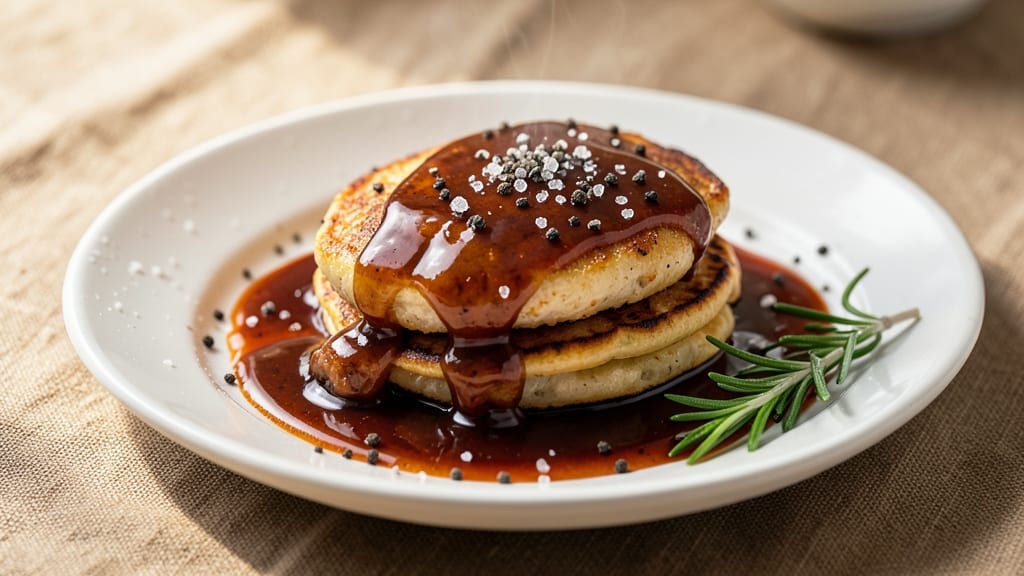
This balsamic brown sugar sauce transforms simple dishes into restaurant-quality meals with just a few ingredients and 15 minutes of simmering. The perfect balance of tangy, sweet, and caramelized depth makes it ideal for glazing proteins, drizzling over salads, or elevating roasted vegetables.
I developed this recipe after realizing how much flavor a simple reduction could add to everyday cooking—no fancy techniques required.
The magic happens when you combine balsamic vinegar and brown sugar in a saucepan, letting them reduce into a glossy, syrupy consistency. A pinch of mustard powder adds subtle depth, while a splash of water prevents burning.
The result? A versatile sauce that's rich enough for marinades but light enough to drizzle over fresh greens. It's the kind of condiment that makes even the simplest meal feel special.
What sets this sauce apart is its dual-purpose flexibility—use it as a glaze for chicken or pork, a tangy dressing for caprese salads, or a sweet-savory dip for crusty bread. The caramelized edges create a beautiful contrast against any dish, while the balanced sweetness keeps it from overpowering.
Best of all, it keeps well in the fridge for up to 2 weeks, so you can make a batch and use it throughout the week.
For an extra layer of flavor, try adding a crushed red pepper flake or a dash of vanilla extract. The possibilities are endless, but the base recipe is foolproof—just simmer, reduce, and enjoy. Let's get started!
Ingredients for balsamic brown sugar sauce
Five core ingredients plus two optional boosters—this caramelized drizzle elevates everything from salads to proteins.
| Ingredient | Amount | Notes |
|---|---|---|
| Balsamic Vinegar 🍷 | ½ cup | High-quality aged variety preferred |
| Light Brown Sugar 🍚 | ½ cup | Packed firmly for accuracy |
| Water 💧 | ¼ cup | Room temperature preferred |
| Mustard Powder 🌶️ | ½ tsp | For subtle depth of flavor |
| Red Wine Vinegar 🍷 | 1 tbsp | Adds tangy brightness |
| Extra-Virgin Olive Oil 🫒 | 1 tbsp | For glossy finish |
| Salt 🧂 | ¼ tsp | Kosher or sea salt |
| Vanilla Extract 🌿 | ½ tsp | Optional for extra depth |
| Crushed Red Pepper Flakes 🔥 | ¼ tsp | Optional for subtle heat |
The balsamic vinegar makes or breaks this sauce. Look for aged varieties—they've got that rich, complex flavor that isn't too sharp. Trader Joe's and Whole Foods carry great options, or check the international aisle at your regular grocery store. Brown sugar needs to be packed firmly—don't scoop it loosely or you'll end up with less than you need. The mustard powder adds that subtle depth that separates this from basic caramel, so don't skip it. For the red wine vinegar, any decent brand works—just avoid the cheap stuff that tastes like vinegar punch.
No aged balsamic? Regular balsamic vinegar plus 1 tbsp extra brown sugar gets you close. Running low on mustard powder? Dijon mustard at half the amount works in a pinch. The olive oil is non-negotiable for that glossy finish—use something fruity and flavorful, not the cheap cooking oil. Want to skip the vanilla? Add 1 tsp orange zest for a bright twist. The crushed red pepper flakes are optional but add a nice kick—if you're sensitive to heat, start with just a pinch and taste as you go. The sauce thickens as it cools, so if it's too thick right after making, just add a splash of water.
This sauce keeps beautifully in the fridge for up to 2 weeks—it actually gets better as the flavors meld. Store it in a clean, airtight jar with a tight lid. For meal prep, I make double batches and portion into small containers. It reheats perfectly in the microwave or on the stovetop—just give it a stir and it'll be glossy and ready to drizzle again. Freezes for 3 months if you want to make a big batch. Just thaw in the fridge overnight.
Why You'll Love This Recipe
- Five-Ingredient Magic: I swear by this—just those five pantry staples (yes, even the mustard powder) transform into something rich and tangy without a single chop or strain. Honestly, I’ve made it while scrolling through emails; it’s that effortless.
- Sweet-Tart Balance: That deep balsamic caramelized with brown sugar? It’s like a hug for your taste buds—sweet, tangy, and just a whisper of heat from the mustard. Drizzle it on grilled chicken, and suddenly, dinner feels fancy.
- Weeknight Superstar: I keep this in my fridge for lazy nights—toss it on roasted veggies, stir it into yogurt for a dip, or glaze a pan of pork chops. (Yes, even on a Tuesday night.) It’s the kind of sauce that turns "meh" into "wow" without extra work.
- Leftovers That Shine: Simmered once, this sauce only gets better. I’ve reheated a batch for three days straight—it thickens just right, and the flavors meld into something even deeper. Plus, it’s cheap enough to make twice if you’re feeling extra.
Step-by-step instructions for balsamic brown sugar glaze
This glossy, caramelized drizzle comes together in minutes with simple ingredients.
Combine Wet Ingredients in a Saucepan
In a medium saucepan, whisk together the 0.5 cup balsamic vinegar and 0.25 cup water over medium heat. Let it simmer gently for 2-3 minutes until the mixture reaches a gentle bubble—you'll notice the vinegar aroma softens as it begins to reduce. This initial reduction builds the sauce's foundation and removes any harsh vinegar bite.
While waiting, I like to give the pan a quick stir with a silicone spatula every 30 seconds to prevent hot spots from forming. The goal here is even heating, not browning. You're essentially creating a light syrup base that will carry all the other flavors beautifully.
Add Sugar and Reduce to Thick Syrup
Increase heat to medium-high and add the 0.5 cup packed light brown sugar, stirring constantly with a wooden spoon. The mixture will foam up dramatically as the sugar dissolves—this is normal. Watch closely as it begins to bubble more vigorously and turns a deep amber color.
Let it cook undisturbed for 5-7 minutes until it thickens significantly and coats the back of a spoon. You're aiming for a glossy, syrupy consistency that's still pourable but noticeably thicker than when you started. If it crystallizes or becomes grainy, simply stir in 1 teaspoon water to dissolve the sugar completely.
Incorporate Aromatics and Seasonings
Reduce heat to low and stir in the 1 tablespoon red wine vinegar, 1 tablespoon extra-virgin olive oil, 0.5 teaspoon mustard powder, 0.25 teaspoon salt, 0.5 teaspoon vanilla extract, and 0.25 teaspoon crushed red pepper flakes. The mustard powder adds subtle depth while the red wine vinegar brightens the flavor profile. The olive oil gives that luxurious glossy finish we're after.
Let the sauce simmer gently for another 3-4 minutes while you stir occasionally. You'll notice the aroma becomes more complex—sweet, tangy, with hints of caramel and spice. This is when the flavors truly meld together. For an extra touch, you can strain the sauce through a fine-mesh sieve to remove any pepper flake fragments if you prefer a completely smooth texture.
Test and Adjust Consistency
Remove the pan from heat and let the sauce cool for 5 minutes. Taste it carefully—you should detect balanced sweetness, tangy acidity, and subtle spice. If it needs more depth, add another 0.25 teaspoon vanilla extract or a pinch more salt. For a glossier finish, stir in 1 teaspoon water at a time until it reaches your desired consistency.
For meal prep, transfer the sauce to a clean glass jar and let it cool completely. It will thicken further as it cools, so you might want to add a splash of water if you prefer a more pourable consistency. This sauce keeps well in the refrigerator for up to 2 weeks, making it perfect for drizzling over grilled meats, roasted vegetables, or even as a glaze for breakfast foods.
Pro Tips For Making Balsamic Brown Sugar Sauce
- STIR CONSTANTLY FIRST 5 MINUTES: The brown sugar burns faster than you think—especially when mixed with vinegar. Keep the pan moving like you’re stirring oatmeal until the sugar melts completely and turns a deep amber. I learned this the hard way when my first batch turned into a sticky, bitter mess.
- USE AGED BALSAMIC VINEGAR: That cheap stuff from the back of the store won’t cut it here. Aged balsamic (the thick, syrupy kind) adds real depth—skip the reduction step entirely if you’re in a hurry. Trust me, the difference is noticeable right away.
- DILUTE THE MUSTARD FIRST: Mix the mustard powder with a splash of water before adding it to the pan. This prevents clumping and ensures it dissolves smoothly into the sauce. I used to just toss it in dry, and it always left grainy bits—now it blends in perfectly.
- SIMMER UNTIL THICK, NOT DRY: Let the sauce reduce until it coats the back of a spoon like honey, not until it’s a gloppy paste. If it gets too thick, add a teaspoon of water or vinegar to loosen it—better to fix it early than scrape burnt sugar off the bottom later.
Best sauces and condiments for this balsamic brown sugar sauce
Glazing Proteins
This sauce transforms ordinary grilled chicken, pork chops, or salmon into showstoppers. Brush it on 10-15 minutes before the end of cooking time for a caramelized crust that locks in juices.
I love using it on bone-in pork chops—the sauce clings beautifully to the meat while adding a glossy sheen. For extra flavor, marinate proteins in the sauce for 30-60 minutes before cooking. 🔥
For beef, try it on ribeye or sirloin steaks after searing. The sweet-tangy glaze complements the rich beef perfectly. I recommend using a pastry brush for even distribution, applying it in the last 2-3 minutes of cooking to prevent burning. The sauce's glossy finish makes any protein look restaurant-worthy.
Salad Dressing
Toss 2 tablespoons of this sauce with 1 cup baby spinach, ½ cup cherry tomatoes, and ¼ cup crumbled feta cheese for a quick caprese salad.
The tangy-sweet balance cuts through the richness of creamy cheeses beautifully. Add a pinch of black pepper and 1 tablespoon toasted pine nuts for extra texture.
For a more substantial salad, combine it with 1 tablespoon olive oil and 1 teaspoon Dijon mustard to create a dressing. It pairs wonderfully with arugula, roasted beets, and goat cheese. The sauce's depth adds complexity without overpowering the fresh greens.
Roasted Vegetables
Toss 2 cups roasted Brussels sprouts or carrots with 1 tablespoon olive oil and 1 teaspoon balsamic brown sugar sauce before roasting. The sauce caramelizes beautifully in the oven, creating a sticky glaze that enhances the natural sweetness of the vegetables.
Roast at 400°F for 20-25 minutes until tender and glossy.
For a quick side dish, drizzle the sauce over roasted sweet potatoes or asparagus after cooking. The sauce's sweetness complements the earthy flavors of root vegetables, while its tanginess brightens delicate asparagus. Use 1-2 tablespoons per pound of vegetables for best results.
Breakfast Drizzle
Add a drizzle of this sauce to pancakes, waffles, or French toast for a sweet-tangy twist. The caramelized edges create a beautiful contrast against fluffy breakfast foods.
I recommend using 1-2 teaspoons per serving to avoid overwhelming the dish. Pair it with fresh berries or maple syrup for a balanced flavor profile.
For a savory breakfast, drizzle it over scrambled eggs or avocado toast. The sauce adds a gourmet touch to simple morning meals. Use ½ teaspoon per serving to enhance the flavors without dominating. It's a great way to start the day with a flavor boost!
Nutrition facts
Frequently asked questions
Can I make this sauce without brown sugar?
Yes! You can substitute ½ cup honey or ½ cup maple syrup for the brown sugar while keeping the same reduction time. The sauce will have a slightly different flavor profile—honey adds floral notes while maple syrup brings earthy depth. For a closer match, use ¼ cup honey + ¼ cup granulated sugar to balance sweetness and caramelization.
How do I prevent the sauce from crystallizing?
Crystallization happens when sugar doesn't fully dissolve. To avoid it, stir constantly while heating and add 1 tablespoon water if you see graininess. For extra insurance, whisk the sugar into the warm vinegar mixture first before bringing to a boil. If it crystallizes during cooking, simply add 1 teaspoon water and stir until smooth.
What's the best way to store leftover sauce?
Transfer to a clean, airtight glass jar and refrigerate for up to 2 weeks. It actually improves as it sits! For longer storage, freeze in 1-tablespoon portions for easy use. Thaw overnight in the fridge—never microwave directly from frozen. The sauce thickens when cold, so add ½ teaspoon water per tablespoon if you prefer a thinner consistency.
Can I use this sauce as a marinade?
Use it as a marinade for chicken, pork, or fish by combining ½ cup sauce + 1 tablespoon olive oil. Marinate for 30-60 minutes (never longer than 2 hours for poultry). The acidity helps tenderize meat while adding flavor. For extra safety, reserve 1 tablespoon to brush on during the last 2 minutes of cooking to create a caramelized crust.
What if my sauce turns out too thick?
Simply thin it with water or red wine vinegar (1 teaspoon at a time) while warm. For a more permanent fix, next time add 1 extra tablespoon water to the initial mixture. If the sauce separates, whisk vigorously or blend briefly to re-emulsify. The perfect consistency should coat the back of a spoon but still be pourable.