
Sauces & Condiments
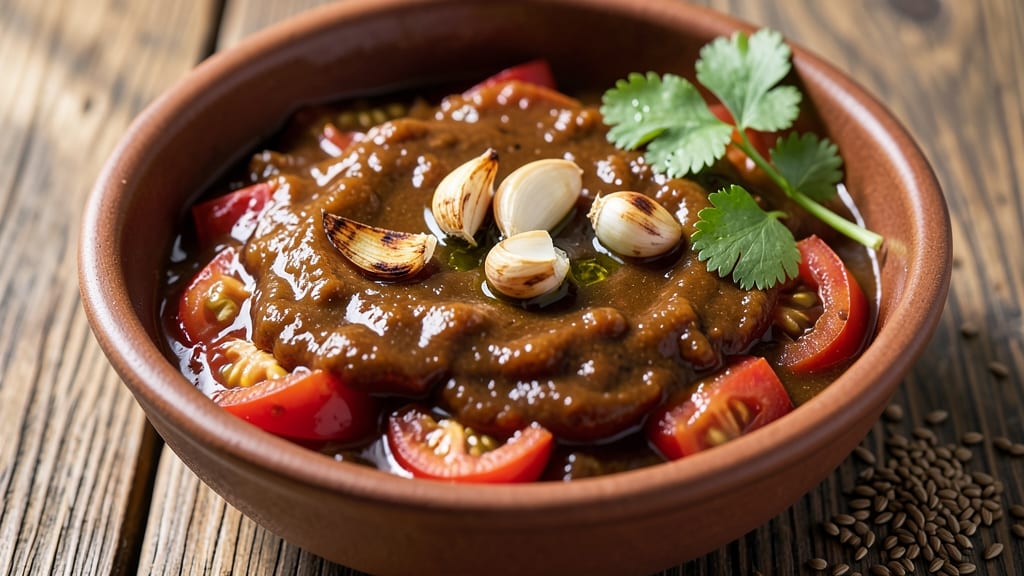
This ancho chile enchilada sauce recipe delivers the rich, smoky depth that transforms ordinary enchiladas into restaurant-quality masterpieces. 🌟 The secret lies in toasting dried ancho chilies until fragrant, then simmering them with tomatoes, garlic, and warm spices like cumin and oregano—creating a sauce that's both complex and balanced.
Perfect for dipping, smothering, or layering, this sauce builds flavor gradually as it reduces, ensuring every bite carries that authentic Mexican warmth.
The process is straightforward but essential: toast the chilies until they release their aromatic oils, then blend them with tomatoes, broth, and spices for a velvety texture. Simmering low and slow allows the flavors to meld, while a final blend creates that signature smooth yet slightly textured consistency.
What you'll end up with is a sauce that's deeply savory, subtly sweet from the tomatoes, and understatedly smoky—ideal for both classic red enchiladas and creative twists.
This sauce keeps beautifully in the refrigerator for up to a week, making it perfect for meal prep, or freezes for up to three months without losing its depth. The key to success is patience—letting the flavors develop during simmering and resting.
Whether you're preparing a family dinner or a festive gathering, this sauce will elevate any dish it touches, bringing that authentic Mexican restaurant experience right to your kitchen.
Use it as a base for enchiladas, tacos, or even as a dipping sauce for tortilla chips. The possibilities are endless, but the technique remains the same: build flavor through slow simmering and proper blending.
Let's get started on creating this versatile, flavor-packed sauce that will become a staple in your cooking repertoire.
Ingredients for ancho chile enchilada sauce
Toasted chilies, ripe tomatoes, and aromatic spices—this sauce builds depth through slow simmering.
| Ingredient | Amount | Notes |
|---|---|---|
| Dried Ancho Chilies 🌶️ | 4 whole | Stemmed and seeded |
| Ripe Tomatoes 🍅 | 3 whole | Roma or vine-ripened |
| Garlic Cloves 🧄 | 4 cloves | Peeled and roughly chopped |
| Extra-Virgin Olive Oil 🫒 | ½ cup | For toasting and blending |
| Vegetable Broth 💧 | 1 cup | Low-sodium preferred |
| Ground Cumin 🌿 | 1 tbsp | Toasted for deeper flavor |
| Dried Oregano 🍃 | 1 tsp | Mexican oregano preferred |
| Salt 🧂 | 1 tsp | Diamond Crystal preferred |
| Black Pepper 🌶️ | ½ tsp | Freshly ground preferred |
| White Vinegar 🍶 | 1 tbsp | For brightness |
The ancho chilies are the heart of this sauce. Look for dried ancho peppers at Mexican markets—they should be deep red and slightly wrinkled, not dusty or moldy. Trader Joe's and La Tienda carry them year-round, but if you can't find them, chipotle peppers in adobo sauce work in a pinch (adjust the liquid accordingly). Toasting them dry in a comal or skillet until fragrant and slightly blistered releases their smoky oils, which is non-negotiable for that authentic flavor. The tomatoes? Roma or vine-ripened varieties break down beautifully, but canned San Marzano tomatoes in a pinch will still deliver. Just drain them well to avoid watery sauce.
No ancho chilies? Chipotle peppers in adobo sauce are your next best bet—just reduce the adobo liquid by half to compensate. The cumin is essential, but if you want extra warmth, swap in a pinch of smoked paprika. For the tomatoes, roasted until caramelized adds another layer of depth, though raw works fine if you're in a hurry. The vinegar might seem like an afterthought, but it brightens the sauce and balances the richness—apple cider vinegar adds a subtle sweetness if you're feeling fancy. And if you're prepping ahead, blend the sauce slightly thicker—it'll thin out beautifully as it simmers.
This sauce tastes even better the next day as the flavors meld. Store it in an airtight container in the fridge for up to 7 days, or freeze for 3 months in portion-sized containers. For reheating, warm it gently on the stove with a splash of broth or water—never microwave, or it'll split. I like to make a big batch and freeze half immediately; that way, I always have enchilada night covered. The sauce thickens as it cools, so if it seems too stiff after refrigerating, just stir in a tablespoon of broth or water while reheating.
Why You'll Love This Recipe
- No-Soaking Needed: I’ll be real—soaking dried ancho chilies feels like a hassle. This sauce lets them soften right in the simmering pot with tomatoes and broth, cutting prep time by half. Just toast them first for that deep, smoky aroma without the extra step.
- Smoky Depth in Minutes: That first sip? Rich, earthy, and just slightly sweet from the ripe tomatoes—no artificial shortcuts. The garlic sizzling in olive oil seals the deal with a crisp, aromatic punch that makes store-bought sauce taste bland by comparison.
- Leftovers That Shine: Make a double batch and thank me later. This sauce keeps for a week in the fridge, perfect for lazy weeknights or when guests drop by. I’ve reheated mine on enchiladas, tacos, and even scrambled eggs—every time, it’s the star.
- Budget-Friendly Pantry Hero: Ancho chilies and tomatoes last forever, and a little olive oil goes a long way. I’ve made this sauce for under $3 a batch, and it still feels like a restaurant-quality treat. No fancy ingredients, just pure, satisfying flavor.
Step-by-step instructions for ancho chile enchilada sauce
Here's how to transform dried ancho chilies into a rich, smoky sauce that's the heart of any enchilada dish.
🔥 Step 1: Toast the Dried Ancho Chilies
Heat a dry skillet over medium heat and add the 4 whole dried ancho chilies. Toast them for 30-45 seconds per side until they darken slightly and develop an aromatic, nutty fragrance. This step deepens their flavor and removes any potential bitterness from the stems.
Watch closely—they'll darken quickly. Remove them immediately when they're fragrant but not burnt. Transfer the toasted chilies to a bowl and cover with 1 cup hot vegetable broth to soften. Let them soak for 15-20 minutes while you prepare the remaining ingredients.
🍳 Step 2: Blend the Chilies and Tomatoes
While the chilies soak, char the 3 whole ripe tomatoes over an open flame or under a broiler until their skins blacken and blister. This adds smoky depth to the sauce. Place them in a bowl, cover with plastic wrap, and let them steam for 10 minutes to release their juices.
Peel the charred tomatoes, remove the seeds, and add them to a blender along with the soaked chilies (including the soaking liquid), 4 cloves peeled garlic cloves, and ½ cup extra-virgin olive oil. Blend until completely smooth, scraping down the sides as needed. The sauce should be vibrant red with a velvety texture.
🥘 Step 3: Simmer the Sauce with Aromatics
Transfer the blended mixture to a saucepan and bring it to a gentle simmer over medium-low heat. Stir in 1 tablespoon ground cumin, 1 teaspoon dried oregano, 1 teaspoon salt, and ½ teaspoon black pepper. Let the sauce simmer uncovered for 15-20 minutes, stirring occasionally.
You'll notice the sauce reduce slightly and develop a thicker consistency. The aroma should be rich and complex—smoky from the chilies, earthy from the cumin, and bright from the tomatoes. This simmering step mellows the flavors and removes any raw taste from the ingredients.
⏰ Step 4: Finish with Vinegar and Adjust Seasoning
Remove the sauce from heat and stir in 1 tablespoon white vinegar. This adds a bright, cutting acidity that balances the richness of the sauce. Taste and adjust the seasoning if needed—you might want to add a pinch more salt or a dash of cumin to deepen the flavor.
The sauce should be smooth, slightly thick, and packed with smoky-sweet tomato and chile flavors. If it's too thick for your liking, thin it with a splash of warm vegetable broth. Let it cool to room temperature before using, as the flavors will continue to meld and deepen.
Pro Tips For Making Ancho Chile Enchilada Sauce
- STEAM NOT BOIL: The ancho chilies need to soften, not disintegrate—drop them in a bowl with boiling water for 10 minutes, then drain. I learned this the hard way after watching them turn into mush when I tossed them straight into the pot.
- SEAR GARLIC LOW: After toasting the chilies, cook the garlic in olive oil over medium-low heat until just golden—no higher, or it burns before the flavor develops. I used to rush this, and the sauce always tasted bitter afterward.
- SAVE THE SEEDS: Strain the blended sauce through a fine-mesh sieve to remove skins and seeds, but keep the seeds from the chilies—they add depth without overpowering heat. Skipping this step leaves a grainy, uneven texture.
- TOAST TOMATOES FIRST: Char the tomatoes directly over a gas flame (or under a broiler) until blackened in spots before blending—this concentrates their sweetness and smoky flavor. Yes, it’s extra work, but the sauce tastes like it simmered for hours.
Dietary considerations for ancho chile enchilada sauce
Gluten-Free Adaptation
This sauce is naturally gluten-free—just ensure your vegetable broth and spices are certified gluten-free. I always double-check labels on cumin, oregano, and salt to avoid cross-contamination.
The white vinegar and olive oil are also safe, so you can enjoy this sauce worry-free on gluten-free tortillas or as a dip. 🌱
Dairy-Free Potential
While the recipe itself is dairy-free, always verify that your vegetable broth doesn’t contain hidden dairy additives. If you’re serving this sauce with dairy-based dishes (like queso enchiladas), keep the sauce separate.
The smoky tomato base pairs beautifully with dairy-free cheeses like cashew-based queso or nutritional yeast for a vegan twist.
Nut-Free Considerations
This sauce is inherently nut-free, but if you’re serving it with nut-based toppings (like chopped pecans), keep them separate. The recipe uses olive oil and no ground nuts, so it’s safe for nut allergies.
Always check your vegetable broth label for nut warnings, though most store-bought brands are nut-free by default.
Low-Sodium Options
For a low-sodium version, reduce the salt to ½ teaspoon and use a no-salt-added vegetable broth. Boost flavor with extra white vinegar (up to 2 tablespoons) or a splash of lime juice instead.
The sauce’s depth comes from the chilies and spices, so you won’t sacrifice taste—just adjust gradually to taste.
Vegetarian & Vegan
This sauce is already vegetarian and vegan—no animal products are used. For extra richness, stir in 1 tablespoon vegan butter or cashew cream while reheating. The smoky tomato base works perfectly with plant-based proteins like black beans or tofu, making it a versatile base for veggie-packed enchiladas.
Spice Level Control
Adjust heat by removing the ancho chile seeds before toasting (milder) or keeping them in (spicier). For a mild sauce, reduce to 3 chilies or swap in 1 ancho + 1 pasilla chile.
If you love heat, add ½ teaspoon cayenne or a pinch of chipotle powder during simmering. Always taste as you go!
Nutrition facts
Frequently asked questions
Can I substitute ancho chilies with other dried peppers?
Yes! For a milder sauce, use 3 ancho + 1 pasilla chile or swap all for 4 guajillo chilies. If you prefer more heat, try 2 ancho + 2 chipotle peppers in adobo (reduce adobo liquid by half). The key is balancing flavor—ancho's sweetness is unique, so adjust other spices (like cumin) if using different peppers.
Why does my sauce taste bitter or raw?
This usually happens if the chilies weren't toasted enough or the sauce didn't simmer long enough. Always toast chilies until fragrant (not burnt) and simmer uncovered for the full 15-20 minutes. For extra depth, char the tomatoes before blending. If it's still bitter, stir in ½ teaspoon sugar or 1 teaspoon lime juice to balance.
How can I make this sauce thicker or thinner?
For a thicker sauce, simmer uncovered for 5-10 extra minutes to reduce. If it's too thick after cooling, stir in 1-2 tablespoons warm broth or water. For a thinner consistency (like for dipping), add broth gradually while blending. The sauce naturally thickens as it cools, so adjust while warm.
Can I make this sauce ahead of time?
This sauce tastes even better after resting. Store it in an airtight container in the fridge for up to 7 days—the flavors meld beautifully. For longer storage, freeze in portion-sized containers for up to 3 months. Thaw overnight in the fridge, then reheat gently on the stove with a splash of broth. Never microwave, or it'll split.
What's the best way to use leftover sauce?
Use it for enchiladas, tacos, or quesadillas, or as a dip for tortilla chips. For extra versatility, thin it with broth and use as a grilling marinade for chicken or fish. It also freezes well for future meals—just reheat gently. The smoky depth makes it perfect for breakfast burritos or even as a pasta sauce base!