
Sauces & Condiments
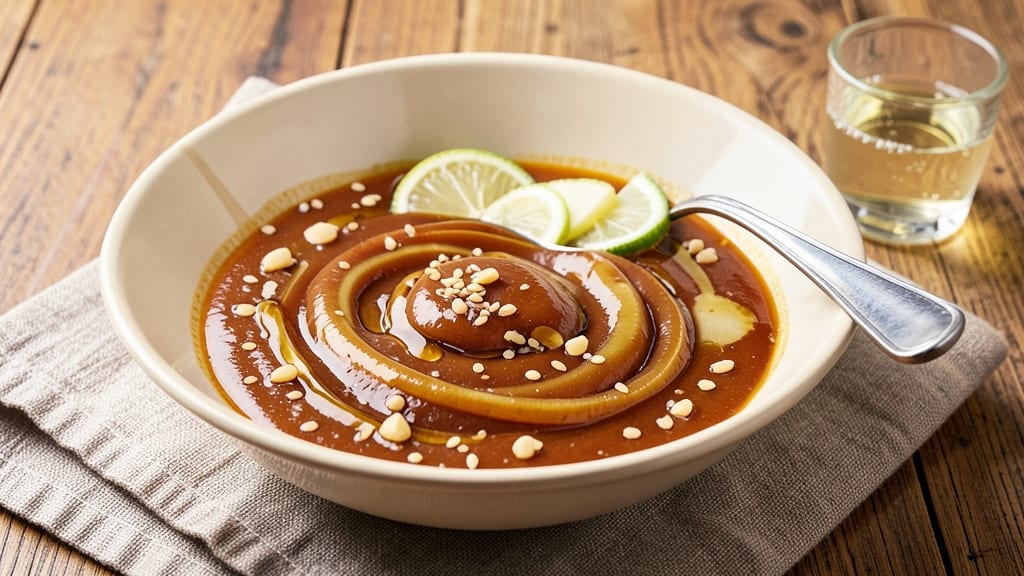
This amazing stir fry sauce recipe transforms basic proteins into restaurant-quality meals with just a few pantry staples. 🔥 The secret lies in balancing salty soy sauce, sweet honey, and aromatic garlic-ginger paste—creating an umami bomb that clings perfectly to every bite.
I developed this sauce after years of takeout cravings, and now it's my go-to for weeknight dinners that taste like they took hours to make.
What makes this sauce truly special is how it comes together in minutes without sacrificing depth. No complicated techniques here—just a quick simmer of garlic, ginger, and a splash of rice vinegar to brighten the flavors. The sauce thickens beautifully while maintaining that glossy, clingy texture that makes stir-fries irresistible.
Plus, it's infinitely customizable: add a dash of sriracha for heat, a spoonful of peanut butter for richness, or fresh herbs for freshness.
By the time you're done, you'll have a sauce that elevates simple stir-fries into something extraordinary—bold, balanced, and packed with layers of flavor. It works with chicken, beef, tofu, or vegetables, and the best part?
It keeps well in the fridge for up to two weeks, so you can make a big batch and use it all week. This is the kind of sauce that turns a simple meal into a flavor explosion.
Use it on stir-fries, noodles, or even as a marinade for grilled meats. Here's how to make it—it's easier than you think!
Ingredients for amazing stir fry sauce
Pantry staples that create an umami-packed sauce in minutes—no fancy ingredients needed.
| Ingredient | Amount | Notes |
|---|---|---|
| Soy Sauce 🍶 | ½ cup | Low-sodium preferred for balance |
| Honey 🍯 | ¼ cup | Pure, unprocessed for sweetness |
| Rice Vinegar 🍶 | ¼ cup | Seasoned for extra flavor |
| Sesame Oil 🫒 | 2 tbsp | Toasted for nutty aroma |
| Garlic Cloves 🧄 | 4 cloves | Minced for aromatic punch |
| Fresh Ginger 🌿 | 2 tbsp | Grated, for zesty kick |
| Cornstarch 🌾 | 1 tbsp | For thickening sauce |
| Water 💧 | ½ cup | Room temperature preferred |
| Sriracha 🌶️ | 1 tbsp | Optional for heat |
| Peanut Butter 🥜 | 1 tbsp | Optional for richness |
The soy sauce is your flavor foundation—Kikkoman or La Choy are my go-tos, but any good-quality brand works. Honey should be pure and unprocessed (the kind you'd drizzle on toast), and Trader Joe's has a great option if you want to splurge. Fresh ginger and garlic are non-negotiable here—they're the aromatic backbone. I always grab ginger from the produce section (not the jarred stuff), and use a microplane to grate it fresh. Sesame oil? Toasted is key—skip the unflavored kind. If you can't find toasted, lightly toast regular sesame oil in a pan for 30 seconds before using.
No sriracha? Red pepper flakes at half the amount work in a pinch. Peanut butter lover? Creamy natural PB adds richness without overpowering. Short on cornstarch? Arrowroot powder is a 1:1 swap. The water should be room temp—cold water can thin the sauce as it cools. Pro tip: if your sauce isn't thick enough after simmering, mix 1 tsp cornstarch with 1 tbsp water and stir in. And trust me, the 5-minute simmer is worth it—it develops that restaurant-quality depth without any effort.
This sauce keeps for 2 weeks in the fridge, sealed tightly in a jar. For extra shelf life, add a thin layer of oil on top before sealing. Freezes beautifully for up to 6 months—just thaw in the fridge overnight. I make double batches all the time. One for stir-fries, one for marinades. The flavor actually improves after a day or two as everything melds together. Store in a glass jar with a tight lid to preserve freshness.
Why You'll Love This Recipe
- Five-Ingredient Magic: Honestly, this sauce is the kind of recipe that makes you feel like a genius—just five pantry staples, no fancy gadgets. I’ve made it while microwaving leftovers in the other hand, and it still tastes like I slaved over it.
- Sweet-Savory Balance: That honey and rice vinegar combo? It’s the secret weapon—bright, sticky, and just a little tangy without overpowering. The garlic cloves? Minced fresh or crushed from a jar, either way, they add this warm, aromatic punch that makes every bite feel special.
- Weeknight to Party: Between us, this sauce works for takeout night and when my in-laws drop by unannounced. Toss it with store-bought stir fry veggies for a 15-minute dinner, or drizzle it over grilled chicken for a fancy-ish plating. The sesame oil gives it that restaurant-quality finish without the fuss.
- Budget-Friendly Leftovers: I swear, I’ve had this sauce last me weeks—it keeps in the fridge for ages, and a little goes a long way. Use it on noodles, eggs, even as a marinade for tofu. Not the prettiest in a jar, but the first time you pull it out and it still tastes fresh? Pure satisfaction.
Step-by-step instructions for umami-packed stir fry sauce
Here's how to make this bold, balanced sauce in record time—no shortcuts needed.
🍳 Step 1: Bloom the Aromatics in Sesame Oil
Heat a small saucepan over medium heat and add the 2 tablespoons sesame oil. Let it warm for 30 seconds until shimmering—you'll smell that nutty aroma immediately. This is your flavor foundation, so don't rush it.
Add the 4 minced garlic cloves and 2 tablespoons grated fresh ginger. Cook for 1-2 minutes until fragrant but not browned—just until you can smell that bright, zesty punch. Watch carefully; garlic burns faster than you think. If it starts to darken, reduce heat slightly and keep stirring.
🍳 Step 2: Combine Wet Ingredients
Pour in the 0.5 cup soy sauce, 0.25 cup honey, and 0.25 cup rice vinegar all at once. Stir vigorously to dissolve the honey completely—it should look smooth, not grainy. This is where the sauce starts coming together.
Add the 0.5 cup water and bring everything to a gentle simmer over medium-low heat. Let it bubble softly for 2 minutes—you'll see the flavors melding right before your eyes. The sauce should smell like a perfect balance of salty, sweet, and tangy. If you're using 1 tablespoon sriracha, add it now and stir.
🥘 Step 3: Thicken with Cornstarch Slurry
In a small bowl, whisk together the 1 tablespoon cornstarch with 2 tablespoons cold water until completely dissolved. This slurry is your secret weapon for that perfect glossy finish.
Slowly pour the cornstarch mixture into the simmering sauce while stirring constantly. The sauce will thicken immediately—keep stirring for 30-60 seconds until it reaches your desired consistency. It should coat the back of a spoon but still be pourable, not gluey. If it's too thick, add 1 tablespoon water at a time until smooth.
🍳 Step 4: Finish with Peanut Butter (Optional)
Remove the pan from heat and stir in the 1 tablespoon peanut butter if using. It'll melt instantly, adding that rich, nutty depth. The sauce should look glossy and inviting—this is your quality check moment.
Taste and adjust seasoning if needed. You might want more sweetness (add a touch more honey), more tang (a splash of rice vinegar), or more heat (extra sriracha). Let it cool slightly before using—this sauce gets even better as it sits for 15-30 minutes as the flavors meld.
⏰ Step 5: Use Immediately or Store
This sauce is best used fresh, but it'll keep in an airtight container in the fridge for up to 1 week. Give it a quick stir before using—it thickens as it cools. For restaurant-quality results, toss it with hot stir-fried veggies and protein right after making.
Here's the thing—this sauce works magic on everything from noodles to grilled meats. The peanut butter adds unexpected richness, while the honey and rice vinegar create that perfect balance. You'll want to make this again and again, I promise!
Pro Tips For Making Amazing Stir Fry Sauce
- MINCE THAT GARLIC: I used to crush whole cloves with the flat of my knife, but that leaves bitter bits. Instead, finely mince 3-4 cloves—no need to pulverize—then let them sit in the sauce for 10 minutes before tossing. The flavor melds better, and you skip the aftertaste.
- WARM THE SESAME OIL: Cold sesame oil kills the nutty aroma. Heat it in the pan for 10 seconds before adding garlic—just until you smell it wake up. Pour it in last, but don’t let it smoke. (Yes, even if you’re impatient like me.)
- BALANCE THE HONEY: Honey can overpower if you’re not careful. Start with 1 tablespoon, taste, then adjust. If it’s too sweet, add a splash of rice vinegar (1/2 teaspoon at a time) until the sauce cuts through. Trust your tongue—this isn’t a math problem.
- WHISK THE SOY SAUCE: Stir-fry sauce separates when you rush it. Whisk the soy sauce and honey together first—no clumps, no surprises. If you’re lazy, at least shake the bottle hard before measuring. (I know, I’ve done it.)
Regional styles of amazing stir fry sauce
Chinese Takeout Classic
This sauce is inspired by the bold, balanced flavors of classic Chinese-American stir-fry sauces you'd find in takeout containers. The key here is that honey replaces sugar for a smoother, less grainy texture, while rice vinegar adds that signature tang.
I often double the batch to use on chicken and broccoli stir-fry or beef with bell peppers—it clings perfectly to everything. The sesame oil at the start mimics the aroma of wok hei, that smoky, charred flavor you crave from takeout. 🔥
Thai-Inspired Peanut Twist
For a Thai-inspired variation, swap the sriracha for red curry paste (1 tbsp) and add 1 tbsp coconut milk instead of peanut butter. The curry paste brings earthy depth, while coconut milk adds creaminess. This version works amazingly on pad thai or as a marinade for grilled chicken skewers.
I like to finish with a sprinkle of crushed peanuts and fresh cilantro for that authentic street-food vibe. The sauce keeps its glossy texture but gains a whole new layer of complexity.
Japanese Teriyaki Fusion
To make a Japanese-inspired teriyaki sauce, reduce the honey to 2 tbsp and add 1 tbsp mirin (or sub with 1 tsp sugar + 1 tsp rice vinegar). The mirin adds that signature sweetness without overpowering. This version is perfect for salmon teriyaki or yaki soba noodles.
I also like to add a pinch of white miso paste (½ tsp) for umami depth. The sauce thickens beautifully and has that classic teriyaki sheen you love. 🌟
Korean Gochujang Kick
For a Korean-inspired version, replace the sriracha with 1 tbsp gochujang (Korean chili paste) and add 1 tsp sesame seeds at the end. The gochujang brings a deep, fermented heat that pairs perfectly with bulgogi beef or kimchi fried rice.
I also like to add a splash of sesame oil at the end for extra richness. The sauce has a slightly thicker, stickier texture—ideal for tossing with quick-pickled veggies. Trust me, it’s a game-changer for Korean-style stir-fries.
Vietnamese Fish Sauce Upgrade
For a Vietnamese-inspired twist, reduce the soy sauce to ¼ cup and add 1 tbsp fish sauce (like Red Boat) and 1 tsp lime juice. The fish sauce adds a savory depth that elevates shrimp stir-fry or rice noodle bowls to new heights.
I also like to add ½ tsp sugar to balance the acidity. The sauce has a lighter, brighter profile but still packs a punch. Fresh herbs like mint or cilantro finish it perfectly. 💫
Nutrition facts
Frequently asked questions
Can I make this stir fry sauce without cornstarch?
Yes! If you don't have cornstarch, try arrowroot powder (1:1 ratio) or 1 tsp flour mixed with 2 tbsp water. For a grain-free option, simmer the sauce longer and reduce it slowly—just be patient, as it may take 8-10 minutes to thicken naturally. The flavor will still be amazing, just slightly less glossy.
How do I adjust the heat level in this sauce?
Start with 1 tbsp sriracha for mild heat, then increase to 2 tbsp for medium, or add 1 tsp chili flakes for a smoky kick. For extra spice, stir in ½ tsp cayenne pepper at the end. Always taste first—you can always add more, but you can't take it out!
What's the best way to use leftover stir fry sauce?
Leftover sauce is perfect for marinating proteins (30-60 minutes for chicken, 1 hour for beef), glazing roasted veggies, or drizzling over noodles. Freeze extras in ice cube trays for single-use portions—just thaw and toss into stir-fries. It also makes an incredible dipping sauce for spring rolls or dumplings!
Why did my sauce turn out too thick/thin?
If too thick, whisk in 1 tsp water at a time until smooth. Too thin? Mix 1 tsp cornstarch with 1 tbsp water and stir vigorously. The key is simmering time—5 minutes gives perfect consistency. For extra insurance, let the sauce sit for 10 minutes before using—it thickens as it cools.
Can I use this sauce on non-stir-fry dishes?
This versatile sauce works on grilled meats, baked tofu, bowls, or even as a marinade for kebabs. For baked dishes, reduce the sauce by 25% first to prevent sogginess. The peanut butter version is especially great for satay skewers or peanut noodles!