
Sauces & Condiments
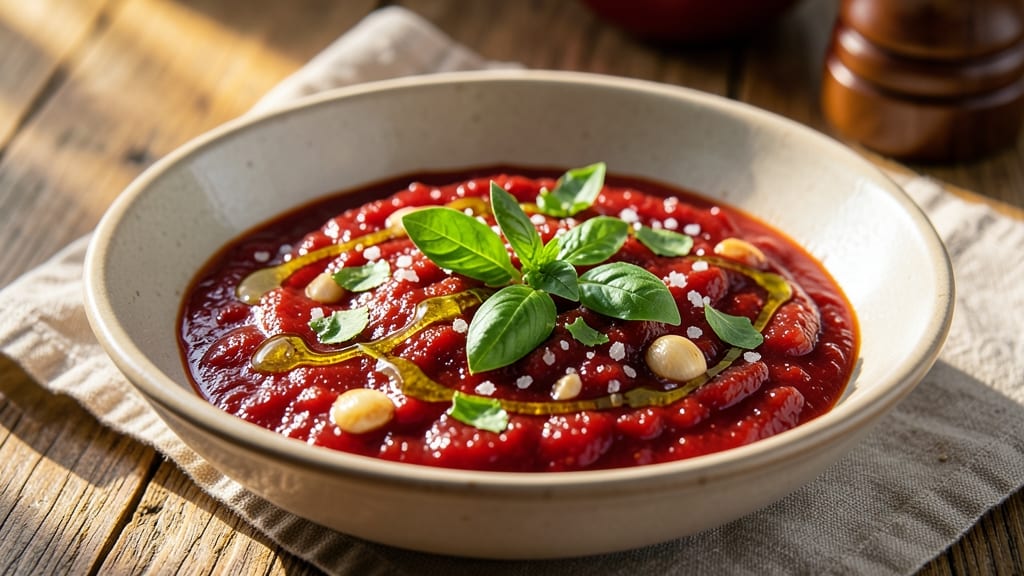
This amazing marinara sauce recipe transforms simple ingredients into a rich, umami-packed sauce that elevates everything from pasta to pizza crusts. The secret lies in slow-simmered tomatoes, aromatic garlic, and fresh herbs that build deep flavor—no shortcuts, just pure taste.
I’ve been perfecting this version for years, and it’s the one people always ask for seconds of.
What makes this sauce special is the balance: bright acidity from tomatoes, savory depth from garlic and onion, and a touch of sweetness from caramelized sugar. No blender required—just a pot, patience, and a taste for real flavor.
The result? A velvety, chunky sauce that clings to noodles or brushes onto pizza like a dream.
Ready in just 30 minutes, this marinara sauce keeps its vibrant color and rich taste for up to a week in the fridge. Freeze extras for lazy weeknights or last-minute dinners.
Whether you’re tossing it with spaghetti, slathering it on garlic bread, or using it as a dipping sauce, this is the marinara that turns ordinary meals into something extraordinary.
Here’s the best part: it’s foolproof. No burnt garlic, no bland tomatoes—just a foolproof method that delivers restaurant-quality sauce at home. Let’s get simmering!
Ingredients for amazing marinara sauce
Ten simple ingredients that build restaurant-quality depth in every spoonful.
| Ingredient | Amount | Notes |
|---|---|---|
| San Marzano Tomato Crushed 🍅 | 28 oz | Canned, whole tomatoes crushed by hand |
| Extra-Virgin Olive Oil 🫒 | ½ cup | High-quality, fruity variety preferred |
| Yellow Onion 🧅 | 1 whole | Medium size, finely chopped |
| Garlic Cloves 🧄 | 4 cloves | Fresh, peeled, minced finely |
| Fresh Basil Leaves 🌿 | ½ cup | Packed, stems removed, chopped |
| Granulated Sugar 🍯 | 1 tbsp | Light brown sugar for caramelization |
| Dried Oregano 🍃 | 1 tsp | Crumbled between fingers for freshness |
| Kosher Salt 🧂 | 1 ½ tsp | Diamond Crystal preferred |
| Red Wine Vinegar 🍷 | 1 tbsp | For bright acidity balance |
| Freshly Ground Black Pepper 🌶️ | ½ tsp | Freshly cracked for maximum flavor |
San Marzano tomatoes are the foundation—Trader Joe's or Whole Foods carry them in cans, and the flavor difference is night and day. I always grab the 28 oz cans because they give you more sauce for freezing. Fresh basil is non-negotiable for that bright, fresh finish, but if you're in a pinch, dried oregano at half the amount works in a bind. The olive oil? California avocado or Italian varieties add subtle fruitiness that cheap oils miss. For garlic, roast it first (400°F for 20 minutes) to mellow its bite—trust me, it makes all the difference.
No San Marzano tomatoes? Crushed tomatoes in a high-quality jar (like Rao's) are your next best bet. Skip the vinegar? A splash of lemon juice keeps the brightness. Want more umami? Add 1 tbsp tomato paste or a pinch of red pepper flakes. The sugar caramelizes the tomatoes—don't skip it, but if you're watching sugar, honey or maple syrup works too. For storage, I always keep a small jar in the fridge for quick pizza nights, and freeze the rest in ice cube trays for single servings later.
This sauce tastes even better the next day as flavors meld. Keeps 1 week refrigerated and 3 months frozen. For freezing, portion into 1-cup containers—thaw overnight in the fridge. The basil wilts fast, so store it wrapped in damp paper towels. Double the batch and freeze extras—you'll thank yourself on lazy weeknights. The secret? Low-and-slow simmering—no rushing, just patience for that velvety texture.
Why You'll Love This Recipe
- No-Chop Nightmare: I swear by this recipe because the onion and garlic barely need chopping—just a rough dice, and you’re good to go. The San Marzano tomatoes handle the rest, so you’re not stuck dicing for hours.
- Sun-Dried Umami Bomb: That slow-simmered garlic and olive oil combo? It’s where the magic happens. The crushed tomatoes mellow into a rich, sweet base, while the fresh basil at the end adds a bright punch—like a hug in sauce form.
- Pasta Party Starter: This sauce is my go-to for everything: spaghetti, lasagna, or even as a pizza base. Honestly, I’ve used it in tacos (yes, really) and never regretted it. It’s the kind of blank canvas that works for any occasion.
- Fridge Goldmine: Make a double batch, and you’ll have flavor-packed leftovers for days. I freeze portions in jars—no ice crystals, just pure, ready-to-go marinara that tastes like you spent hours cooking. (Spoiler: You didn’t.)
Step-by-step instructions for umami-rich simmered marinara
Here's how to build a restaurant-quality marinara that's rich, balanced, and packed with depth.
Sauté Onion and Garlic Until Translucent
Heat the 0.5 cup extra-virgin olive oil in a heavy-bottomed saucepan over medium-low heat. Add the 1 whole yellow onion, finely chopped, and cook for 8-10 minutes until completely softened and translucent. Stir occasionally to prevent browning—you want the onion to melt into the oil without coloring.
When the onion is nearly done, add the 4 cloves garlic cloves, minced finely. Cook for another 30 seconds until fragrant but not browned. Garlic burns quickly, so keep an eye on it—you'll know it's ready when the aroma fills your kitchen. Remove the pan from heat briefly if it starts to darken.
Build Flavor with Vinegar and Sugar
Return the pan to medium heat and add the 1 tablespoon red wine vinegar. Let it simmer for 1-2 minutes until mostly evaporated—this brightens the sauce and cuts through the richness. Then stir in the 1 tablespoon granulated sugar and cook for another 30 seconds until dissolved. The sugar will caramelize slightly, adding subtle sweetness that balances the acidity.
This step is where the magic happens. The vinegar deglazes the pan, lifting all those flavorful browned bits, while the sugar creates a gentle caramelization that rounds out the sauce. Don't skip it—this is what makes the difference between ordinary and extraordinary marinara.
Simmer Tomatoes Until Thick and Rich
Add the 28 oz San Marzano tomato crushed, stirring to combine. Bring to a gentle simmer over medium-low heat, then reduce to low heat and let it cook uncovered for 30-40 minutes. Stir occasionally to prevent sticking, but don't over-stir—you want to develop a slight skin on the surface that breaks when stirred.
You're looking for a sauce that coats the back of a spoon with a velvety texture. The tomatoes should reduce significantly, concentrating their flavor. If the sauce gets too thick before it's fully cooked, add 1-2 tablespoons of water to loosen it. The goal is a balance between thickness and silkiness—this is what makes it perfect for pasta.
Season and Finish with Fresh Basil
Season the sauce with 1.5 teaspoons kosher salt and 0.5 teaspoon freshly ground black pepper, stirring well. Taste and adjust the seasoning—this is your chance to fine-tune the balance. Then add the 1 teaspoon dried oregano and the 0.5 cup fresh basil leaves, chopped. Simmer for another 5 minutes to let the basil infuse its bright, fresh flavor.
Here's the thing—fresh basil at the end makes all the difference. It adds a vibrant contrast to the deep, umami-rich tomato base. If you're using it for pizza, you can hold off on adding the basil until just before serving so it stays bright and aromatic. For pasta, stir it in now and let it meld into the sauce.
Rest and Serve at Peak Flavor
Remove the sauce from heat and let it rest for 10-15 minutes. This resting period allows the flavors to fully meld and the sauce to thicken slightly as it cools. The texture will become even more luxurious, with a perfect balance of acidity, sweetness, and umami.
Serve immediately over al dente pasta or use as a pizza base. The sauce should cling beautifully to noodles or crust, delivering layers of flavor with every bite. If you're not using it all at once, store it in an airtight container in the refrigerator for up to 5 days—it only gets better with time as the flavors deepen.
Pro Tips For Making Amazing Marinara Sauce
- Sweat, Don’t Burn Onions: I learned this the hard way—when onions turn brown too fast, they add bitterness that cuts through the sauce’s sweetness. Keep the heat medium-low and stir every 30 seconds until they’re translucent and just starting to soften, not color. Crushed tomatoes can’t hide a burnt onion.
- Crush Tomatoes by Hand: Yes, it’s extra work, but using a fork or your fingers breaks the tomatoes unevenly, leaving some too chunky and others too pulpy. A quick pulse in a food processor gives you consistent texture—smooth but not pureed—so every bite has that perfect balance of tomato and oil.
- Salt the Garlic: This isn’t just about flavor—it softens the garlic faster and prevents it from sticking to the pan. Toss the minced cloves in a pinch of salt before adding them to the oil, then cook until fragrant but not brown. Overcooked garlic turns bitter, and no one wants that in their marinara.
- Finish with Cold Basil: Tossing in fresh basil at the end keeps it vibrant and bright, but here’s the trick: use ice-cold leaves straight from the fridge. Warm basil wilts and loses its aroma almost instantly—cold leaves hold their punch longer, even when simmered. A handful of torn leaves at the very end makes all the difference.
Pro cooking tips for great amazing marinara sauce
Low-and-Slow Simmering
This sauce thrives on patience—simmering at low heat for 30-40 minutes builds deep flavor without burning. I use a heavy-bottomed saucepan (like All-Clad) to prevent scorching. The key is letting the sauce develop a slight skin on the surface—this breaks when stirred, indicating proper reduction.
Never rush this step; slow cooking concentrates the tomatoes' natural sweetness and umami. 🌡️
Garlic Control
Garlic burns faster than you think! Once minced, cook it for only 30 seconds over medium-low heat. If it starts to darken, remove the pan immediately—burnt garlic turns bitter.
For extra flavor without risk, roast the garlic first (400°F for 20 minutes) before mincing. This mellows its sharpness while adding sweet, caramelized depth. 🧄
Acidity Balance
The red wine vinegar brightens the sauce, but timing matters. Add it after the onion and garlic are cooked, then simmer for 1-2 minutes until mostly evaporated. This prevents a harsh tang.
For extra brightness, add 1 tsp lemon zest at the end—it disappears into the sauce but adds citrusy complexity. Taste as you go; adjust with more vinegar if needed. 🍋
Tomato Selection
San Marzano tomatoes are non-negotiable for their sweetness and low acidity. If using canned crushed tomatoes, choose brands like Rao’s or Muir Glen—they’re consistently flavorful. For a smoother texture, strain out seeds after simmering. For chunkier sauce, leave them in. The 28 oz can gives you enough for 4-6 servings, perfect for meal prep. 🍅
Herb Infusion
Add fresh basil in the last 5 minutes of cooking to preserve its vibrant flavor. For pizza, hold off until serving—this keeps the leaves bright and aromatic. If using dried oregano, crush it between your fingers first to release oils.
A pinch of red pepper flakes (½ tsp) adds subtle heat without overpowering. 🌿
Texture Mastery
For a velvety finish, stir the sauce occasionally but avoid over-mixing. If it thickens too quickly, add 1-2 tbsp water to maintain balance. The sauce should coat the back of a spoon but still be light enough to cling to pasta.
Over-simmering turns it gluey—trust your instincts and taste frequently. ✨
Nutrition facts
Frequently asked questions
Can I make this marinara sauce without fresh basil?
If you don't have fresh basil, use 1.5 teaspoons dried basil instead. For extra depth, add ½ teaspoon dried thyme or 1 teaspoon dried marjoram. The key is balancing the herbs—dried versions are more concentrated, so start with half the amount and adjust to taste.
How do I prevent my marinara from getting too thick?
If your sauce thickens too quickly, simply add 1-2 tablespoons of water or broth while simmering. Stir well and let it cook for another 5 minutes to blend. For a smoother texture, strain the sauce through a fine-mesh sieve after cooking. The goal is a sauce that clings to pasta without being gluey.
Can I use this sauce for pizza?
This sauce is perfect for pizza! For a classic base, spread a thin layer on your crust before adding toppings. Hold off on adding the fresh basil until just before baking to keep it vibrant. You can also mix in 1 tablespoon tomato paste for extra richness. The slow-simmered flavor makes it ideal for both thin-crust and deep-dish pizzas.
Why does my marinara taste bland after simmering?
Bland marinara usually means one of three things: under-seasoning, overcooking, or using low-quality tomatoes. Always taste as you go and adjust with salt, pepper, or a splash of vinegar. Simmer uncovered for 30-40 minutes max—longer cooking concentrates flavors but can also burn them. Use San Marzano tomatoes or high-quality canned tomatoes for the best flavor foundation.
How do I store and reheat leftovers?
Store in an airtight container in the fridge for up to 5 days or freeze for 3 months. To reheat, warm gently in a saucepan over low heat for 5-10 minutes, stirring occasionally. For best texture, avoid microwaving—it can make the sauce watery. If frozen, thaw overnight in the fridge before reheating.