
Sauces & Condiments
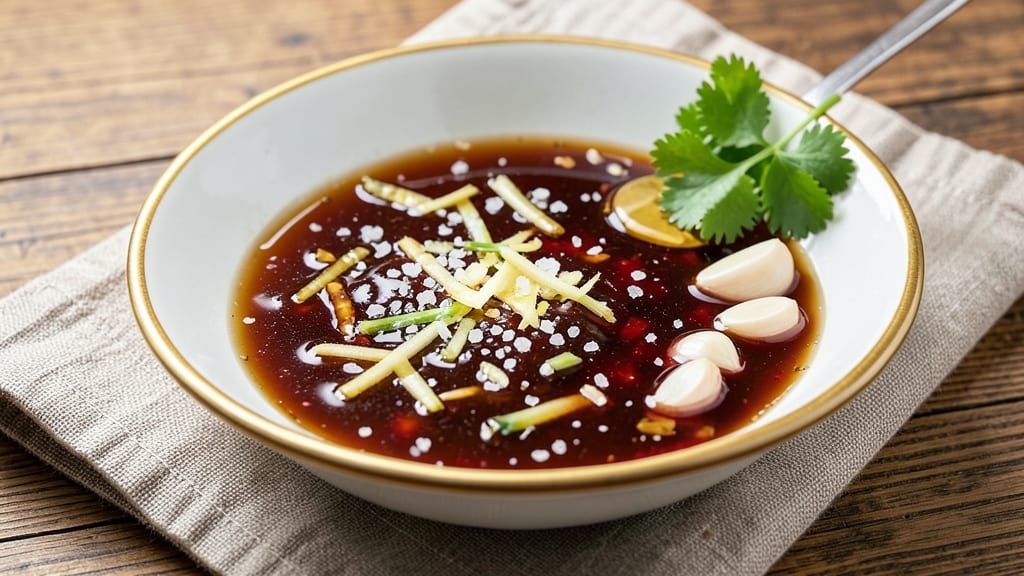
This all-purpose stir-fry sauce recipe transforms any wok dish into a restaurant-quality meal with just a few pantry staples. The secret lies in balancing umami-rich soy sauce with aromatic garlic, fresh ginger, and a touch of sweetness—creating a sauce that clings to every ingredient while enhancing their natural flavors.
I developed this version after testing dozens of recipes, and it’s now my go-to for everything from quick weeknight dinners to weekend entertaining.
The beauty of this sauce is its versatility—it works with chicken, beef, shrimp, tofu, or vegetables, adapting effortlessly to whatever’s in your fridge.
The base is simple: soy sauce, rice vinegar, and a splash of sesame oil, but the magic happens with the garlic, ginger, and a hint of brown sugar that caramelizes slightly when heated.
It’s foolproof, requiring just 10 minutes of prep and no special equipment beyond a small saucepan or even a microwave.
What makes this sauce stand out is its depth of flavor—savory, slightly sweet, with a bright acidity that cuts through richness. The sauce keeps well in the fridge for up to 2 weeks, and you can even freeze it in ice cube trays for portion control.
Whether you’re tossing it with stir-fried veggies or drizzling it over noodles, this sauce elevates every bite without overpowering the main ingredients.
For extra customization, adjust the sweetness or spice level to your taste—add a dash of chili paste for heat or a splash of honey for extra depth. The possibilities are endless, but the foundation remains the same: a bold, balanced sauce that turns simple ingredients into something extraordinary.
Ingredients for all purpose stir fry sauce
Nine simple ingredients create this restaurant-quality stir-fry sauce, perfect for any wok dish.
| Ingredient | Amount | Notes |
|---|---|---|
| Light Soy Sauce 🥢 | ½ cup | Use high-quality for umami depth |
| Rice Vinegar 🍶 | ¼ cup | White or seasoned variety |
| Sesame Oil 🫒 | 1 tbsp | Toasted sesame for aroma |
| Fresh Ginger 🧄 | 1 tbsp | Finely grated, zesty flavor |
| Garlic Cloves 🧄 | 4 cloves | Minced, aromatic punch |
| Brown Sugar 🍯 | 1 tbsp | Light caramelization |
| Cornstarch 🌾 | 1 tsp | For thickening consistency |
| Water 💧 | ¼ cup | For thinning if needed |
| Red Chili Flakes 🌶️ | ½ tsp | Optional for subtle heat |
| Sesame Seeds 🌱 | 1 tsp | Toasted for garnish |
The soy sauce is the foundation—Kikkoman or La Choy are my go-tos, but any good-quality brand works. Rice vinegar adds brightness, so grab the white kind unless you want extra depth. Fresh ginger and garlic are non-negotiable for that authentic wokhouse flavor. Look for ginger with tight, bumpy skin—it stays fresher longer. Toast the sesame seeds in a dry pan for 30 seconds before adding them to the sauce; that extra aroma makes all the difference. For the brown sugar, Light & Lovely is my favorite—it dissolves smoothly without graininess.
No fresh ginger? Ginger powder at half the amount works in a pinch, but you’ll miss that zing. Substitute sesame oil with neutral oil if you prefer, though you’ll lose some depth. The cornstarch can be swapped for arrowroot powder for a slightly clearer sauce. For extra heat, Sriracha or chili garlic sauce works better than flakes—just add a teaspoon. If you’re making this ahead, store the dry ingredients (cornstarch, sugar, chili flakes) separately until ready to use to prevent thickening.
This sauce keeps for 2 weeks in the fridge, sealed tightly in a jar. For longer storage, freeze in ice cube trays—just pop out what you need. If it thickens too much, whisk in a splash of warm water. The sesame seeds can be toasted fresh each time you use it, or store them separately to keep the sauce’s texture perfect. Double the batch—you’ll want it on hand for everything from quick stir-fries to marinades.
Why You'll Love This Recipe
- Pantry Magic: I swear by this sauce because it lives in my fridge, made from things I already have. No specialty shopping—just soy, vinegar, and a quick minced garlic-ginger combo that hits the spot every time.
- Umami Bomb: That first splash of sesame oil? Instant flavor explosion. The ginger and garlic caramelize just enough to give it depth, while the vinegar cuts through the richness—simple ingredients, but the balance is chef’s kiss.
- Weeknight Swiss Army: Use it for stir-fries, drizzle it on noodles, or toss it with grilled chicken. Even my picky teens ask for seconds when I serve it with plain rice—proof it works for breakfast burritos too.
- Budget Flex: A single jar of soy and a bottle of vinegar stretch for months. I make a big batch, store it in the fridge, and it’s always there to save dinner when I’m low on ideas or time.
Step-by-step instructions for all-purpose stir fry sauce
This sauce builds layer upon layer of flavor—bright, savory, and perfectly balanced for any wok dish.
Bloom the Aromatics in Sesame Oil
Heat a small saucepan over medium-low heat and add the 1 tablespoon sesame oil. Let it warm for 30 seconds until fragrant—you'll smell that nutty, toasty aroma we're after. This is where the foundation of flavor begins.
Next, add the 4 cloves minced garlic and 1 tablespoon finely grated fresh ginger. Cook for 1-2 minutes until the garlic turns golden and the ginger loses its raw bite. Watch carefully—garlic burns quickly, so keep the heat gentle. This step unlocks the aromatic depth that makes stir fry sauce so irresistible.
Combine Wet Ingredients and Simmer
Pour in the 0.5 cup light soy sauce and 0.25 cup rice vinegar, stirring constantly to dissolve any cornstarch that might clump. Add the 1 tablespoon brown sugar and 0.5 teaspoon red chili flakes, then bring everything to a gentle simmer over medium heat. The mixture should bubble softly but not vigorously.
Let it cook for 3-4 minutes until the liquid reduces slightly and the sugar begins to caramelize at the edges. You'll notice the sauce thicken just a touch—this is when the flavors start melding together. The vinegar adds brightness while the soy sauce provides that essential umami punch.
Thicken and Finish with Cornstarch
In a small bowl, whisk together the 1 teaspoon cornstarch with the 0.25 cup water until completely dissolved. This slurry is your secret weapon for achieving that perfect silky consistency without making the sauce gluey.
Slowly pour the cornstarch mixture into the simmering sauce while stirring continuously. The sauce will thicken almost immediately—keep stirring for another 1-2 minutes until it reaches a glossy, coatable consistency. It should coat the back of a spoon but still be pourable. If it's too thick, add 1 tablespoon water at a time until you reach the ideal texture.
Toast the Sesame Seeds and Garnish
While the sauce simmers, dry-toast the 1 teaspoon sesame seeds in a small skillet over low heat for 1-2 minutes until they turn golden brown and release their nutty aroma. This adds texture and visual appeal that takes the sauce from good to restaurant-quality.
Stir the toasted sesame seeds into the finished sauce, then taste and adjust seasoning. You might want to add a pinch more soy sauce for saltiness or a splash of vinegar for brightness. Let the sauce cool slightly before using—this allows the flavors to fully meld. The result should be a versatile sauce that works with everything from crispy noodles to tender vegetables.
Pro Tips For Making All Purpose Stir Fry Sauce
- Bloom the Garlic First: Toss minced garlic into the pan before adding any liquid—let it sizzle for 10 seconds until fragrant. I learned this the hard way: raw garlic in the sauce tastes like medicine, not flavor. (Yes, even if you’re impatient like me.)
- Use Cold Sesame Oil: Stir in sesame oil off the heat at the very end—just a teaspoon, swirled in like you’re painting. Adding it early burns the aroma right out. My grandmother swore by this, and she was right: that nutty punch disappears if you’re not careful.
- Balance the Vinegar: Taste as you go—rice vinegar’s acidity sneaks up on you. Start with 1 tablespoon, then add more in ½-teaspoon increments. Too much? The sauce turns sharp. Too little? It’s just soy sauce with a hint of ginger.
- Simmer, Don’t Boil: Keep the sauce at a gentle simmer (tiny bubbles, not rolling). Boiling turns soy sauce bitter and vinegar harsh. I used to rush it, and the flavor always tasted off. Low and slow—even if it means waiting 2 minutes.
Creative variations of all purpose stir fry sauce
Spicy Thai-Inspired Twist
For a Thai-inspired kick, swap the brown sugar for 1 tablespoon honey and add 1 tablespoon fish sauce (like Red Boat) along with 1 teaspoon lime juice. Boost the heat with 1 tablespoon chili garlic sauce instead of red chili flakes.
This version works perfectly with shrimp or tofu stir-fries—just toss in 1 tablespoon fresh cilantro at the end for brightness. 🌶️
Sweet and Tangy Hoisin Glaze
Transform this sauce into a hoisin glaze by adding 2 tablespoons hoisin sauce (like Lee Kum Kee) and 1 teaspoon grated star anise while simmering. Reduce the soy sauce to 0.3 cups and replace the rice vinegar with 1 tablespoon rice wine vinegar.
This richer, sweeter sauce pairs beautifully with roasted pork or crispy duck. Garnish with crushed peanuts for texture. 🥜
Umami Bomb Mushroom Version
For vegetarians or mushroom lovers, stir in 2 tablespoons finely chopped shiitake mushrooms while blooming the aromatics. Add 1 teaspoon miso paste (white or red) for extra depth. This earthy, savory sauce works wonders with stir-fried vegetables like bell peppers, broccoli, and snap peas.
Keep the cornstarch slurry but reduce it to 0.5 teaspoon—mushrooms release their own moisture. 🍄
Sweet Chili Heat Boost
Create a sweet chili sauce by adding 2 tablespoons sweet chili sauce (like Cholula Sweet Chili) and 1 teaspoon sriracha to the base. Reduce the brown sugar to 0.5 tablespoon and add 1 teaspoon lime zest for freshness.
This sauce is perfect for grilled chicken or spicy noodle dishes. For extra crunch, top with crushed wonton strips before serving. 🍗
Garlic-Lover’s Extra Punch
If you love garlic, double the amount to 8 cloves and add 1 teaspoon garlic powder to the base. For an extra layer, sauté 1 tablespoon minced garlic separately in 1 teaspoon sesame oil until deep golden, then stir it into the finished sauce.
This bold, garlicky version is ideal for hearty beef or lamb stir-fries. 🧄
Creamy Sesame Dressing
Turn this sauce into a creamy dressing by whisking in 2 tablespoons tahini and 2 tablespoons warm water after it cools. Add 1 teaspoon lemon juice and a pinch of salt. Drizzle over cold noodles or use as a dip for spring rolls.
For extra richness, fold in 1 tablespoon coconut milk at the end. This version keeps well for 5 days in the fridge. 🥄
Nutrition facts
Frequently asked questions
Can I make this sauce without cornstarch for thickening?
Yes! If you don’t have cornstarch, use 1 teaspoon arrowroot powder instead—it creates a clearer, glossier finish. For a thicker sauce without starch, simmer the wet ingredients for 5-7 minutes instead of 3-4 minutes, stirring often. Just remember it may separate slightly when cold.
How long does this sauce keep, and can I freeze it?
Store the sauce in an airtight container in the fridge for up to 2 weeks. For longer storage, freeze in ice cube trays—just pop out what you need. Thaw overnight in the fridge, then whisk to restore smoothness. The sesame seeds can be added fresh when serving to keep them crisp.
What’s the best way to use leftover stir fry sauce?
Leftover sauce is perfect for marinades, dipping sauces, or even glazes! Toss it with tofu or chicken before grilling, use it as a dip for spring rolls, or drizzle over rice bowls. For extra flavor, add a splash of water and simmer for 2 minutes to refresh the taste.
Can I substitute dark soy sauce for light soy sauce?
You can, but it’ll make your sauce darker and slightly sweeter. Use ¼ cup dark soy sauce plus ¼ cup light soy sauce to balance the color while keeping the depth of flavor. Dark soy sauce adds a rich, caramel-like note that works well in dishes with pork or duck.
Why did my sauce turn out too salty?
Most likely, your soy sauce was saltier than expected or you used too much. Balance it by adding 1-2 tablespoons water and a splash of rice vinegar to brighten the flavor. If it’s still too salty, stir in 1 teaspoon honey or brown sugar to mellow the saltiness. Always taste as you go!