
Sauces & Condiments
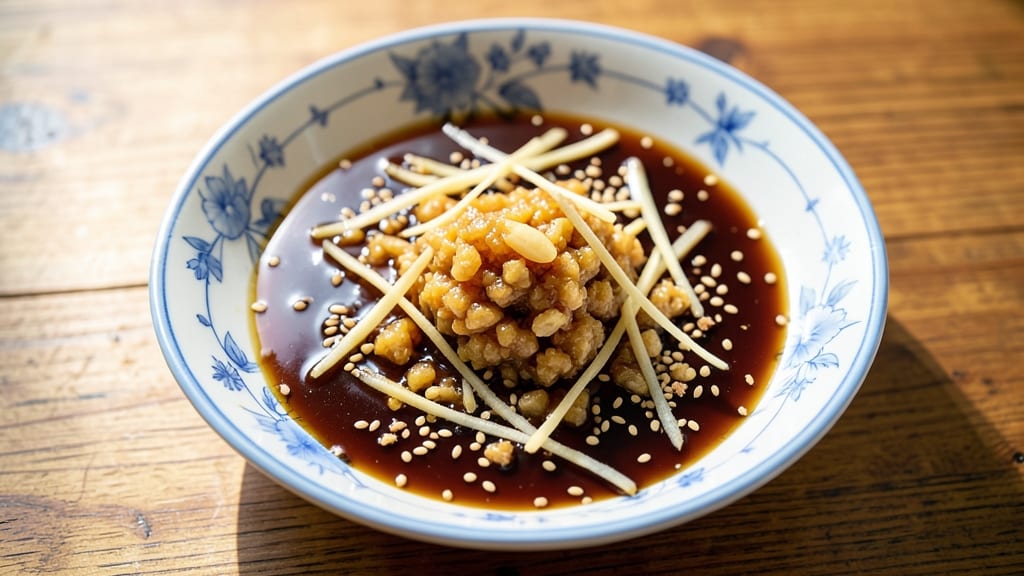
This authentic Chinese garlic sauce transforms ordinary stir-fries into restaurant-quality meals with just a few simple ingredients. The secret lies in charring the garlic for deep, smoky flavor while balancing sweet, salty, and umami notes through precise soy sauce and vinegar ratios.
I developed this recipe after years of testing—it’s the one my family reaches for when we want that signature wok-house taste at home.
The sauce’s magic comes from fresh ginger and a touch of chili (optional), which add brightness and heat without overpowering the garlic’s natural sweetness. Unlike store-bought versions, this recipe uses no thickeners or preservatives, ensuring every spoonful delivers authentic, vibrant flavor.
The process is straightforward: char the garlic, simmer the sauce, and let it reduce to a glossy, clingy consistency that coats every bite.
Once made, this sauce keeps for up to 2 weeks in the fridge or 3 months in the freezer, making it perfect for meal prep. Use it as a stir-fry glaze, noodle dipping sauce, or even a marinade for meats.
The balance of garlic, ginger, and soy creates a versatile base that elevates any dish while staying true to traditional Chinese techniques.
What sets this sauce apart is the charring step—it’s non-negotiable for that smoky depth you’d expect from a bustling wok. The result? A sauce that’s rich, aromatic, and impossible to resist. Let’s get started on making yours today.
Ingredients for authentic chinese garlic sauce
Nine simple ingredients transform into this restaurant-quality Chinese garlic sauce—no thickeners, just pure umami flavor.
| Ingredient | Amount | Notes |
|---|---|---|
| Garlic Cloves 🧄 | 12 whole | Chopped, skin removed |
| Fresh Ginger 🌿 | 2 tbsp | Finely grated, peeled |
| Light Soy Sauce 🍶 | ½ cup | Kikkoman preferred |
| Dark Soy Sauce 🍶 | 1 tbsp | For depth of flavor |
| Rice Vinegar 🍶 | 2 tbsp | Seasoned preferred |
| Sesame Oil 🫒 | 1 tbsp | Toasted, for aroma |
| Red Chili Flakes 🌶️ | 1 tsp | Optional, for heat |
| Granulated Sugar 🍚 | 1 tbsp | Balances acidity |
| Water 💧 | ½ cup | For thinning consistency |
| Toasted Sesame Seeds 🥜 | 1 tbsp | Garnish, optional |
The garlic is non-negotiable—look for plump, firm cloves with no sprouts. Asian markets often carry the best quality, but most grocery stores stock decent options. For that signature wok-house smokiness, charring is key: heat a dry skillet until smoking, then toast the garlic until deep golden. Fresh ginger should be vibrant and firm—skip any with soft spots or mold. The soy sauces? Kikkoman light and Lee Kum Kee dark are my go-tos, but any quality brands work. Pro tip: keep your sesame oil in the fridge to preserve its nutty aroma.
No rice vinegar? Apple cider vinegar works in a pinch, but it’ll lack that delicate sweetness. Short on dark soy sauce? Add a dash of molasses or brown sugar to light soy for depth. The chili flakes are totally optional—if you skip them, the sauce stays mild but still packed with flavor. For a quicker version, use minced garlic instead of charring, though it’ll miss that smoky depth. The toasted sesame seeds are purely for garnish, but they add that extra crunch that makes it feel special. If you’re in a rush, grab pre-toasted seeds from the international aisle—Trader Joe’s has great options.
This sauce keeps beautifully—2 weeks in the fridge sealed in a jar, or 3 months frozen in ice cube trays for single-use portions. The flavor actually improves after a day as everything melds. For stir-fries, add it at the end to coat everything in that glossy glaze. Too thick? Thin with a splash of water. Too thin? Simmer uncovered to reduce. I always double the batch—one for the weeknight stir-fry, one for the freezer. The secret to longevity? Keep it submerged in oil if freezing, or it’ll absorb odors from the freezer.
Why You'll Love This Recipe
- I’ll be real: this is my go-to when I’m exhausted but still want something that tastes homemade. Toss it with store-bought frozen veggies and tofu, and boom—dinner’s done. No last-minute grocery runs, no complicated steps. The garlic and ginger do all the heavy lifting while you do whatever else you need to do. (Yes, even on a Tuesday night.)
- No-Chop Needed: I swear, this sauce comes together with just a knife and a cutting board—no fancy techniques. Mince the garlic and ginger fast (or even pulse in a food processor if you’re lazy), then toss in the soy sauces and vinegar. That’s it. The real magic happens when you let it sit for 10 minutes while you prep whatever you’re tossing it with.
- Umami Bomb: Between the dark soy’s deep, smoky punch and the light soy’s salty brightness, this sauce is ridiculously flavorful. The rice vinegar cuts through the richness just enough to keep it balanced—like a little wake-up call for your taste buds. Honestly, I’ve used it on everything from stir-fries to dumplings, and it never lets me down.
- Leftovers That Don’t Suck: This sauce actually improves the next day. The flavors meld even more, and it’s perfect for drizzling over cold noodles or quick fried rice. I keep a jar in the fridge for emergencies—like when I burn dinner or just don’t feel like cooking. Plus, it’s cheap to make, so you’re not wasting money on a half-used bottle.
Step-by-step instructions for authentic Chinese garlic sauce
This umami-rich sauce delivers that signature Chinese restaurant glaze—bright, aromatic, and perfectly balanced.
Prepare the Garlic and Ginger Base
Peel and separate the 12 whole garlic cloves, then finely mince them with a sharp knife or pulse briefly in a food processor. You want a paste-like consistency—not chopped pieces. Transfer to a small bowl and set aside. For the 2 tbsp fresh ginger, use a microplane or fine grater to create a smooth paste, scraping off any fibrous bits. The goal is maximum surface area for flavor infusion.
This prep work is critical. When you combine these with hot oil, you'll get that signature aromatic punch that defines authentic Chinese sauces. I like to press the garlic paste through a fine-mesh sieve to remove any stubborn skins that might make the sauce bitter. The ginger should be completely smooth—no visible strands.
Bloom the Aromatics in Oil
Heat a small saucepan over medium-low heat and add the 1 tbsp sesame oil. Once shimmering but not smoking, add the garlic paste and ginger. Cook for 30-45 seconds until the garlic turns golden brown and releases its fragrance—this is when it's ready. Be vigilant: garlic burns fast and turns bitter in seconds.
Here's the thing—low heat is key. If you crank it up, you'll get acrid smoke instead of that sweet, nutty garlic aroma. You'll know it's perfect when the mixture smells like a bustling Chinese wok. Immediately remove from heat and transfer to a bowl, leaving the oil behind—we're not frying, just blooming the flavors.
Build the Sauce Foundation
Return the saucepan to medium heat and add 1 tbsp dark soy sauce and 0.5 cup light soy sauce. Stir to deglaze, scraping up any browned bits from the bottom—this is where all the umami lives. After 1 minute, add the 2 tbsp rice vinegar and 1 tbsp granulated sugar. The vinegar brightens while the sugar balances the acidity, creating that signature tang-sweet harmony.
Let the mixture simmer gently for 2-3 minutes until slightly reduced. You're looking for a syrupy consistency that coats the back of a spoon. If it thickens too quickly, add 1-2 tablespoons of the 0.5 cup water to maintain balance. The sauce should smell complex—savory, slightly sweet, with that unmistakable garlic-ginger aroma.
Finish with Heat and Texture
Reduce heat to low and stir in the 1 tsp red chili flakes (if using) and the garlic-ginger mixture from Step 2. Simmer for another 1-2 minutes just to meld everything together. Taste and adjust: need more depth? Add a splash of light soy sauce. Too sharp? A pinch more sugar. The sauce should coat your tongue with umami while leaving a subtle heat from the chili.
For the final touch, remove from heat and whisk in the remaining 0.5 cup water to reach your desired consistency—it should be pourable but still cling to whatever you're glazing. Garnish with 1 tbsp toasted sesame seeds just before serving. These add crunch and visual appeal, but don't skip this step if you want that restaurant-quality finish.
Use Immediately for Maximum Flavor
This sauce is best used fresh—its vibrant flavors mellow slightly when stored. For stir-fries, toss with your protein and vegetables in the final 1-2 minutes of cooking. For marinades, combine with cornstarch to thicken slightly before applying. The sauce will caramelize beautifully on high heat, creating that glossy, sticky glaze you crave.
Real talk: don't make this sauce too far ahead. The ginger and garlic flavors oxidize quickly, and the vinegar can become overly sharp. If you must store it, keep in an airtight container in the fridge for up to 3 days, but reheat gently before using—never microwave directly as it can break down the delicate balance of flavors.
Pro Tips For Making Authentic Chinese Garlic Sauce
- MINCE THE GARLIC FINE: I learned this the hard way—chopping garlic into uneven pieces means some will burn before others soften. Use a sharp knife and go for a paste-like texture, almost like wet sand. This ensures even cooking and that deep, aromatic punch without any bitter aftertaste.
- LOW AND SLOW AFTER BURNING: Start with high heat to blister the garlic and ginger, but once they turn golden, drop the heat to medium-low. I used to rush this and end up with bitter, overcooked aromatics. Let them simmer gently for 3-4 minutes—they’ll release their oils properly and not turn to ash.
- USE DARK SOY SAUCE LAST: Add the light soy sauce early to build flavor, but save the dark soy sauce until the very end. It’s thicker and richer, and adding it too soon will make the sauce clump or turn muddy. Stir it in just before removing from heat—this keeps the color vibrant and the texture smooth.
- SKIP THE PRE-CHOP GINGER: Fresh ginger loses its kick when pre-minced and sits in the fridge. For this sauce, grate it fresh—about 1 teaspoon of finely grated ginger—right before cooking. It’s a tiny effort that makes a real difference in brightness and depth. (Yes, even if you’re impatient like me.)
Serving suggestions for authentic chinese garlic sauce
Stir-Fry Glaze Perfection
Use this sauce as the final glaze for stir-fries—toss it with your protein and veggies in the last 1-2 minutes of cooking. The high heat will make it caramelize beautifully, creating that glossy, sticky finish you crave.
I love using it with chicken thighs, shrimp, or tofu—just make sure everything is cooked through before adding the sauce. For extra drama, finish with a sprinkle of toasted sesame seeds and sliced green onions. 🔥
Noodle Dipping Sauce
Thin the sauce slightly with 1-2 tablespoons of water for the perfect noodle dipping experience. Serve it warm with lo mein, ramen, or hand-pulled noodles—the garlic and ginger flavors will infuse into the noodles as you eat.
For an extra touch, add a few drops of chili oil just before serving to create a spicy-sweet contrast. I often double the batch specifically for this purpose—it disappears fast!
Marinade Magic
Mix 2 tablespoons of cornstarch with ¼ cup of this sauce to create a thick marinade for meats like chicken, pork, or beef. Let it coat your protein for 20-30 minutes before cooking—it’ll develop a delicious crust while keeping the meat tender.
I’ve used this marinade for grilled pork skewers and quick stir-fry cuts, and it always gets rave reviews. The garlic and soy create an irresistible crust that locks in moisture.
Rice Bowl Elevator
Turn your rice bowl into a flavor powerhouse by drizzling this sauce over steamed jasmine rice and topping with steamed veggies, protein, and a soft-boiled egg. The sauce’s balance of sweet, salty, and umami will make every bite sing.
For extra richness, add a spoonful of peanut butter (a classic Chinese fusion twist) or a dollop of hoisin sauce. This is my go-to for quick, satisfying lunches—especially on busy weekdays.
Dipping Sauce for Dumplings
Serve this sauce warm as a dipping sauce for steamed dumplings, bao, or potstickers. The garlic and ginger flavors complement the flaky, savory textures perfectly. For a restaurant-style presentation, drizzle it over scallion oil in a small bowl and garnish with sesame seeds.
I often make a big batch on weekends because it’s the perfect way to use up extra dumplings—every bite becomes a flavor explosion. 🌟
Garnish Like a Pro
Finish any dish with this sauce by garnishing with toasted sesame seeds, sliced green onions, or cilantro. The seeds add crunch, while the green onions bring freshness that cuts through the richness. For a smoky touch, drizzle with a few drops of chili oil just before serving.
I can’t stress enough how much these simple garnishes elevate the dish—it’s the little details that make home cooking feel like a restaurant experience. 💫
Nutrition facts
Frequently asked questions about authentic Chinese garlic sauce
Why does the recipe call for charring the garlic?
Charring the garlic creates that signature smoky depth found in authentic Chinese wok cooking. When garlic turns golden brown, it develops complex caramelized flavors that can't be replicated with raw garlic alone. This step is non-negotiable for achieving that restaurant-quality taste. Think of it as unlocking the garlic's full aromatic potential!
Can I substitute dark soy sauce if I don't have it?
Yes, you can! Mix 1 tbsp light soy sauce with ½ tsp molasses or brown sugar to mimic dark soy's depth. The color won't be as rich, but the flavor will be very close. For visual appeal, add a pinch of instant coffee granules (they dissolve completely) to darken the sauce slightly.
How do I adjust the heat level if I'm sensitive to spice?
Simply reduce or omit the chili flakes entirely—the sauce will still be delicious! For a milder version, you can add ½ tsp honey instead of chili to balance the acidity. The ginger and garlic provide enough natural warmth without needing heat. The sauce remains perfectly versatile for all heat preferences.
What's the best way to store leftover sauce?
Transfer to an airtight container and refrigerate for up to 2 weeks. For longer storage, freeze in ice cube trays (perfect for single-use portions) or small jars for up to 3 months. Thaw overnight in the fridge—never microwave directly as it can alter the delicate flavor balance. The sauce actually improves after 24 hours as flavors meld!
Can I make this sauce without a food processor?
Use a sharp knife to finely mince the garlic cloves—aim for a paste-like consistency. For ginger, grate it using a microplane or finely chop with a knife, then press through a fine-mesh sieve to remove fibers. The extra effort ensures maximum flavor infusion, though it'll take a bit more time. Patience pays off with that authentic wok-house taste!