
Sauces & Condiments
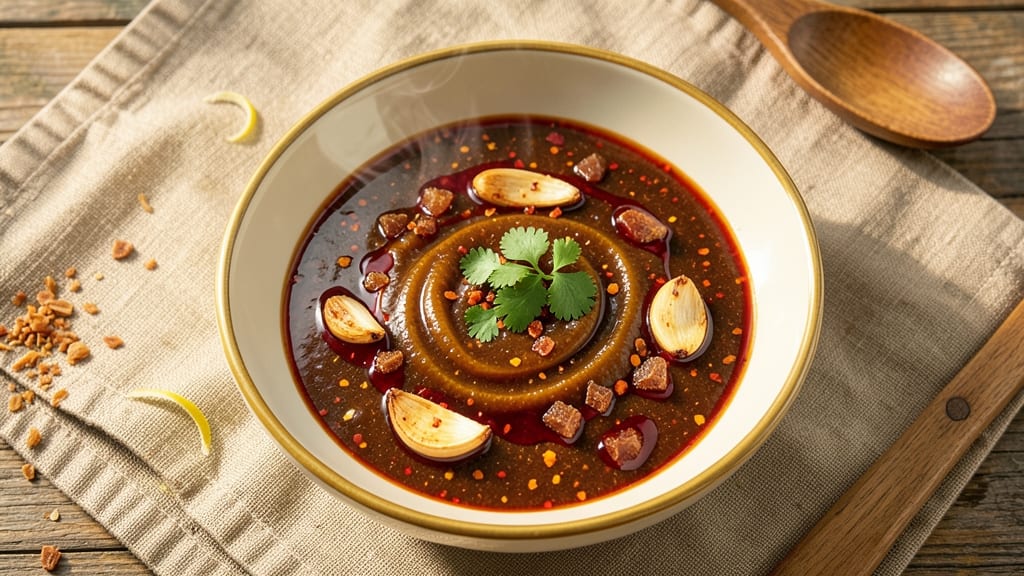
This sweet chili barbecue sauce recipe delivers the perfect balance of bold heat and caramelized sweetness—ideal for grilling, marinades, or dipping. 🔥 The secret lies in simmering vinegar, sugar, and chili flakes with tomato paste until thick and glossy, creating a sauce that clings to everything it touches.
I developed this after years of perfecting rubs and marinades, and it's become my go-to for adding depth to any dish.
The beauty of this sauce is its versatility—use it to glaze ribs, baste chicken, or serve as a dipping sauce for wings. The combination of apple cider vinegar and brown sugar creates a tangy-sweet foundation, while cayenne and chili flakes add layers of heat.
Simmering the sauce reduces it to a perfect consistency, ensuring it coats every bite without being watery.
What you'll end up with is a glossy, aromatic sauce that's rich enough to stand alone but balanced enough to complement any protein. The caramelized edges and smoky undertones make it restaurant-quality, yet it comes together in just 20 minutes.
This is the kind of sauce that transforms ordinary meals into something special.
Store it in the fridge for up to two weeks or freeze for longer shelf life—it only gets better with time as the flavors deepen. Whether you're grilling, marinating, or dipping, this sauce will elevate your cooking every time. Let's get started!
Ingredients for sweet chili barbecue sauce
Nine simple ingredients transform into a sauce that's restaurant-quality yet quick to make.
| Ingredient | Amount | Notes |
|---|---|---|
| Apple Cider Vinegar 🍏 | ½ cup | Ensures tangy foundation |
| Brown Sugar 🍚 | 1 cup | Packed, for caramelized sweetness |
| Tomato Paste 🍅 | ¼ cup | Squeeze tube preferred for ease |
| Cayenne Pepper 🌶️ | 1 tbsp | Adjust for preferred heat level |
| Chili Flakes 🔥 | 1 tbsp | Smoked paprika for depth optional |
| Garlic Cloves 🧄 | 3 cloves | Minced for aromatic punch |
| Ginger Root 🌿 | 1 tbsp | Freshly grated, zesty kick |
| Soy Sauce 🍜 | 2 tbsp | Low-sodium preferred for balance |
| Extra-Virgin Olive Oil 🫒 | 2 tbsp | For glossy finish and richness |
| Honey 🍯 | 2 tbsp | Light variety for smooth flow |
The apple cider vinegar is non-negotiable here—it's what gives that signature tang. Muir Glen is my go-to brand, but any organic variety works. Brown sugar should be packed, not scooped, for maximum sweetness. The tomato paste? Skip the canned stuff—Trader Joe's squeeze tubes are perfect for this recipe. Chili flakes can vary wildly in heat, so start with the mildest you can find if you're sensitive. Fresh ginger and garlic? Worth the extra minute to grate and mince—they make all the difference in flavor depth.
No apple cider vinegar? White vinegar or balsamic in a pinch, but the flavor won't be identical. Running short on brown sugar? White sugar plus 1 tsp molasses mimics the depth. Chili flakes too spicy? Swap for cayenne at half the amount. The soy sauce adds umami—Kikkoman is reliable, but any good-quality brand works. Olive oil matters here too—use something fruity and peppery, not the cheap supermarket kind. The honey should be light, not dark, so it doesn't overpower the sauce's balance.
This sauce thickens as it cools, so don't worry if it looks a little loose right after simmering. Store it in a glass jar in the fridge for up to 2 weeks, or freeze for 6 months. I always make double batches because it disappears fast—perfect for glaze, marinade, or dipping sauce. The flavors actually improve after a day or two as everything melds together beautifully.
Why You'll Love This Recipe
- Pantry Magic: I swear by this sauce because it uses stuff I already have—no special trips to the store. The apple cider vinegar cuts through the sweetness just right, and the brown sugar caramelizes into something rich without tasting like syrup.
- Sweet Heat Balance: That cayenne and chili flakes might sound intense, but they mellow into a warm, smoky kick. Honestly, it’s the kind of sauce where one taste makes you want another—sweet enough to satisfy, but with enough heat to keep it interesting.
- Weeknight Wingman: Slather it on grilled chicken, toss it with roasted veggies, or even drizzle it over fries. I’ve used it for everything from lazy weeknight dinners to impressing guests, and it never lets me down. (Yes, even on a Tuesday night.)
- Leftovers That Shine: This sauce actually improves after sitting overnight—flavors meld, and the sweetness deepens. I make a big batch, store it in jars, and pull it out whenever I need a quick, budget-friendly flavor boost. My secret weapon for lazy days.
Step-by-step instructions for sweet chili barbecue sauce
Here's how to balance bold heat and sweetness for a sauce that's perfect on wings, ribs, or grilled meats.
🍳 Step 1: Bloom the Aromatics in Olive Oil
Heat the 2 tablespoons extra-virgin olive oil in a medium saucepan over medium heat. Add the 3 cloves minced garlic cloves and 1 tablespoon freshly grated ginger root, stirring constantly for 1-2 minutes until fragrant but not browned. This step builds the aromatic foundation—don't rush it, or you'll burn the garlic and turn the sauce bitter.
I like to press the ginger and garlic into the oil with a wooden spoon to release their full flavor. Watch for the garlic to turn golden around the edges—that's your signal it's ready for the next ingredients. The oil should be shimmering but not smoking when you add the spices.
🔥 Step 2: Add Spices and Cook Until Deeply Fragrant
Stir in the 1 tablespoon chili flakes and 1 tablespoon cayenne pepper, cooking for 30 seconds to toast the spices. You'll see them darken slightly and fill your kitchen with an intense, spicy aroma. This quick toast enhances their flavor without burning them.
Here's the thing—if you're sensitive to heat, reduce the cayenne to ½ tablespoon now. The sauce will still pack a punch from the chili flakes, but you'll avoid overwhelming heat. Add the 2 tablespoons soy sauce and stir for another 1 minute to let it meld with the spices.
🥘 Step 3: Build the Sauce Base with Tomato Paste and Vinegar
Pour in the 0.25 cup tomato paste and 0.5 cup apple cider vinegar, stirring constantly to prevent the paste from sticking to the bottom. Let the mixture simmer for 3-4 minutes until it thickens slightly and the raw tomato taste disappears. This step develops the tangy backbone of your sauce.
I always use a wooden spoon for stirring—it's gentle on the pan and helps scrape up any browned bits that form. These bits are packed with flavor, so don't skip this part. The sauce should start to bubble gently and coat the back of a spoon by this point.
⏰ Step 4: Sweeten and Simmer to Perfection
Add the 1 cup packed brown sugar and 2 tablespoons honey, stirring until completely dissolved. Increase heat to medium-high and bring to a boil, then immediately reduce to low heat. Let it simmer uncovered for 15-20 minutes, stirring occasionally, until it thickens to a glossy consistency.
This is where the magic happens—the sugar caramelizes slightly, deepening the sauce's color and flavor. You're looking for a sauce that coats the back of a spoon smoothly, with no graininess. If it thickens too fast, add 1-2 tablespoons water to maintain the right consistency. The sauce should be vibrant red with a glossy sheen when finished.
🍽️ Step 5: Cool and Store for Maximum Flavor
Remove from heat and let the sauce cool for 10 minutes at room temperature. Taste and adjust seasoning—add more brown sugar if it needs sweetness, or a splash of vinegar if it's too thick. The sauce will thicken further as it cools, so don't over-thicken it now.
Transfer to a clean jar and store in the refrigerator for up to 2 weeks. The flavors actually improve over time as the ingredients meld together. For best results, let the sauce come to room temperature before using it on your favorite barbecue dishes. This sauce works wonders on grilled chicken, pork ribs, or even as a glaze for tofu.
Pro Tips For Making Sweet Chili Barbecue Sauce
- Simmer Slow and Steady: I used to blast this sauce on high heat, thinking it’d speed things up—wrong move. Keep it at a gentle boil for at least 20 minutes. The longer it simmers, the deeper the flavors meld, especially that vinegar tang and caramelized brown sugar. (Yes, even if you’re impatient like me, resist the urge to rush.)
- Bloom the Spices First: Skip tossing cayenne and chili flakes in raw—this is where the heat gets dull. Dry-toast them in the pot for 30 seconds before adding vinegar. That quick char wakes up their flavor, so the sauce doesn’t just have heat but taste like it.
- Thin with Vinegar, Not Water: I’ve ruined batches by adding water to loosen the sauce—big mistake. Use the apple cider vinegar you already have; it keeps the tang sharp and balances the sweetness. Start with 2 tablespoons, stir, then add more if needed. (Your future self will thank you.)
- Strain for Smoothness: Tomato paste can get grainy if you don’t handle it right. After simmering, press the mixture through a fine-mesh sieve to catch any lumps. It’s not the prettiest method, but it guarantees a velvety sauce—no one wants to taste texture in their glaze.
Creative variations of these flavors
Asian-Inspired Fusion
Transform this sauce into a sweet chili glaze for Asian-inspired dishes by adding 1 tablespoon grated fresh ginger and 1 tablespoon rice vinegar after simmering. Stir in 1 teaspoon sesame oil and 1 tablespoon hoisin sauce for depth.
Brush this glaze on grilled pork skewers or toss with stir-fried vegetables for a fusion flavor bomb that balances heat and umami. 🌶️
Smoky Chipotle Twist
For a smoky depth, replace ½ tablespoon of chili flakes with 1 teaspoon chipotle powder (or ½ chipotle pepper in adobo). Simmer the sauce with 1 smoked paprika for an extra layer of complexity.
This works beautifully on smoked ribs or as a marinade for grilled chicken thighs. I love this version for backyard cookouts—it adds that Texas BBQ vibe without needing a smoker. 🔥
Tropical Fruit Glaze
Add ½ cup pineapple juice and 1 tablespoon lime zest to the sauce during the final 5 minutes of simmering. The acidity brightens the flavors, creating a tropical twist perfect for grilled shrimp or pork tenderloin.
Finish with a drizzle of honey for extra gloss. This variation is a crowd-pleaser at summer parties—just watch the sauce thicken as it cools. 🍍
Spicy Maple Version
Swap out ½ cup brown sugar for ½ cup pure maple syrup and reduce the honey to 1 tablespoon. The maple adds a caramel-like richness while keeping the sauce balanced.
This version pairs perfectly with baked beans or pulled pork sandwiches. For extra heat, add ½ teaspoon ground cinnamon—it sounds odd, but it enhances the smoky-sweet profile. 🍁
Herb-Infused Variation
Stir in 1 tablespoon fresh cilantro and 1 tablespoon fresh basil during the final 5 minutes of simmering. The herbs add a bright, fresh contrast to the bold flavors. This works well as a dipping sauce for grilled chicken or a marinade for shrimp skewers.
I like to make this version when I have fresh herbs from my garden—it’s like a breath of fresh air in every bite. 🌿
Slow-Cooker Adaptation
For a hands-off approach, combine all ingredients in a slow cooker and cook on low for 3-4 hours, stirring occasionally. The slow cooker deepens the flavors without risking burning. This method is perfect for weekend projects or when you’re hosting a crowd.
The sauce will be even more glossy and concentrated—ideal for basting smoked meats or glazing grilled vegetables. ⏳
Nutrition facts
Frequently asked questions
Can I make this sauce without apple cider vinegar?
Yes, but the flavor will differ slightly. Substitute with white vinegar or balsamic vinegar—both work well, though apple cider gives that signature tang. For a deeper flavor, add ½ teaspoon cinnamon to complement the sweetness. The sauce will still be delicious, just with a different profile.
How can I adjust the heat level?
Start with the full 1 tablespoon cayenne and 1 tablespoon chili flakes, then taste as you go. For milder heat, reduce cayenne to ½ teaspoon and use ½ tablespoon chili flakes. If you want extra kick, add ½ teaspoon crushed red pepper flakes at the end. Always taste before serving!
Can I use this sauce as a marinade?
Use it just like you would a traditional marinade, but reduce the marinating time to 1-2 hours for poultry or 30 minutes for fish to avoid overcooking. For tougher cuts like pork, marinate overnight. The acidity in the vinegar helps tenderize the meat beautifully.
Why did my sauce turn out too thick?
This happens when the sauce simmers too long or the sugar caramelizes too much. Thin it with 1-2 tablespoons water or apple juice while warm. For future batches, stir occasionally and remove from heat once it reaches your desired consistency—it will thicken further as it cools. Patience is key!
What are the best proteins to pair with this sauce?
This sauce shines on grilled chicken, pork ribs, shrimp skewers, and tofu. For extra flavor, brush it on during the last 5-10 minutes of cooking. It also works as a dipping sauce for spring rolls or fried dumplings. The sweet-spicy balance complements both meat and plant-based dishes.