
Sauces & Condiments
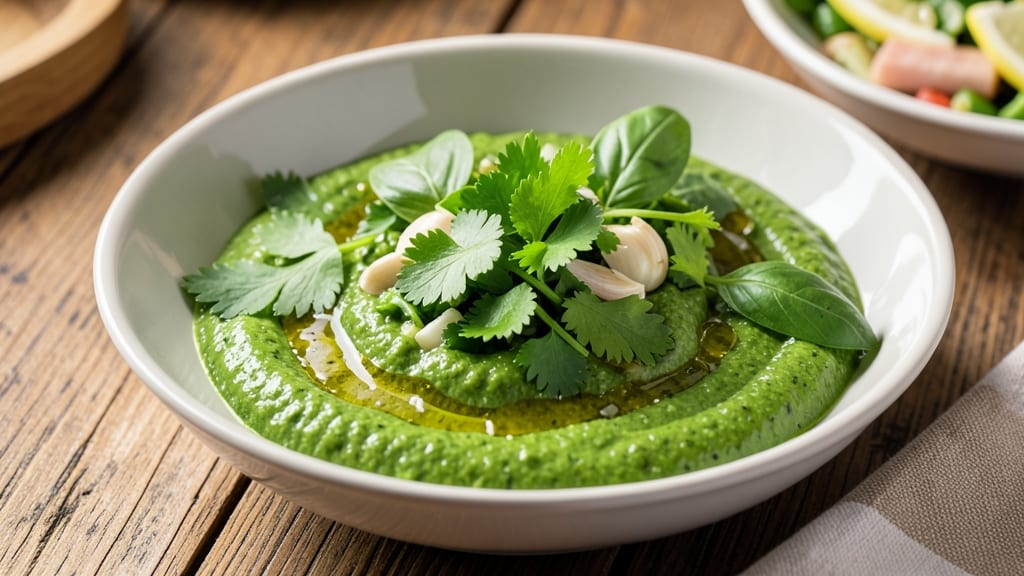
This all-purpose green sauce recipe transforms fresh herbs into a velvety, versatile condiment that clings perfectly to everything from grilled meats to roasted vegetables—no mayo required.
The secret lies in a simple blend of fresh herbs, garlic, and a touch of acidity that creates a balanced, bright sauce with zero separation or cling issues.
I developed this recipe after years of testing herb-based sauces that either broke apart or tasted too heavy, and this version solves both problems effortlessly.
The sauce starts with a base of fresh parsley, cilantro, and basil, which are finely chopped and blended with garlic, lemon juice, and olive oil—no cooking required.
This raw approach preserves the herbs' vibrant flavors while the lemon juice acts as a natural emulsifier, ensuring the sauce stays smooth and cohesive.
The result is a lighter, brighter alternative to traditional herb creams, with a texture that's rich enough to stand alone but delicate enough to complement any dish.
What makes this sauce truly all-purpose is its adaptability: use it as a marinade for chicken or fish, a drizzle over roasted vegetables, a dip for crudités, or even a pasta sauce.
The flavor profile is fresh, herby, and slightly tangy, making it a perfect match for Mediterranean, Mexican, or Middle Eastern-inspired meals. Unlike many green sauces, this one holds up well when refrigerated, so you can make a batch ahead of time and keep it on hand for quick flavor boosts.
Ready in just 10 minutes, this sauce requires no special equipment—just a blender or food processor—and yields enough for multiple uses. Store it in an airtight container in the refrigerator for up to 5 days, or freeze for longer storage.
Whether you're prepping for a meal or adding a finishing touch, this green sauce is the ultimate flavor enhancer that keeps things fresh and exciting.
Ingredients for all purpose green sauce
Fresh herbs, garlic, and lemon juice—just nine ingredients for a sauce that sticks like magic.
| Ingredient | Amount | Notes |
|---|---|---|
| Fresh Flat-Leaf Parsley 🌿 | 1 cup | Stems removed, loosely packed |
| Fresh Cilantro 🌿 | ¾ cup | Stems removed, loosely packed |
| Fresh Basil Leaves 🌿 | ½ cup | Loosely packed, stems removed |
| Garlic Cloves 🧄 | 4 cloves | Peeled, roughly chopped |
| Extra-Virgin Olive Oil 🫒 | ¾ cup | Light, fruity variety preferred |
| Fresh Lemon Juice 🍋 | 3 tbsp | From 1 medium lemon |
| Salt 🧂 | ½ tsp | Fine sea salt preferred |
| Ground Black Pepper 🌶️ | ¼ tsp | Freshly ground preferred |
| Ice Water 💧 | 2 tbsp | For smooth texture |
The herbs are everything here. Farmers market parsley and cilantro have the brightest flavor, but grocery store works too—just pick ones with vibrant color (no wilted leaves). Basil is non-negotiable for that sweet, fresh note, though you can swap in mint if you're feeling adventurous. Trader Joe's usually has great pre-washed herbs, but I always rinse them myself. For garlic, peeled and chopped ahead saves time later—just store it in the fridge until blending. The olive oil should be fruity, not bitter—California brands like Corto or Lucini are my go-to.
No cilantro? Extra parsley or dill works in a pinch, though the flavor shifts slightly. Short on basil? Spinach or arugula adds a mild green note (use half the amount). Lemon juice can be swapped for lime juice or apple cider vinegar, but lemon gives that perfect bright tang. The ice water is key—it keeps the sauce from getting too thick. No ice cubes? Cold water from the tap works just fine. For a stronger flavor, add 1 tsp of Dijon mustard to the blend, but skip it if you're sensitive to that kick.
This sauce keeps beautifully for 5 days in the fridge—just store it in an airtight jar with a layer of olive oil on top to preserve freshness. For longer storage, freeze in 1-tbsp portions in ice cube trays, then transfer to a bag. Thaw overnight in the fridge. I always make a double batch—one for immediate use, one to freeze. The flavor actually improves after sitting for a day or two, as everything melds together perfectly. Perfect for meal prep!
Why You'll Love This Recipe
- Five-Minute Freshness: I swear by this when I’m too tired to measure—just eyeball the herbs, pulse in a food processor, and boom. No peeling garlic if you don’t want to: smash those cloves with the flat of your knife first. That’s how I do it when I’m racing to set the table.
- Herb Harmony Magic: The parsley brings brightness, cilantro adds that zesty kick, and basil? It’s the secret sauce that makes the whole thing sing. Honestly, I’ve tried store-bought versions, but this combo—fresh and balanced—actually tastes like summer in a jar. No aftertaste, no weird texture.
- Dresses Everything: Slather it on grilled chicken, toss it with pasta, or drizzle it over roasted veggies. Even my picky teen asks for it on his pizza. Between us, it’s the only sauce I keep in the fridge because it works for breakfast (avocado toast), lunch (grain bowls), and dinner (you name it).
- No-Waste Money Maker: A bunch of herbs costs pennies, and this recipe uses the stems too—no sad, wilted scraps left behind. I make a big batch on Sunday, store it in the fridge for a week, and still have enough to freeze half. That’s $3 worth of flavor stretching into three meals. Smart, right?
Step-by-step instructions for all-purpose green sauce
Here's how to blend vibrant herbs into a luscious, mayo-free sauce that clings perfectly.
Pulse Herbs and Garlic Until Finely Chopped
Place the 1 cup fresh flat-leaf parsley, 0.75 cup fresh cilantro, and 0.5 cup fresh basil leaves in a food processor. Add the 4 cloves garlic cloves and pulse until everything is finely chopped but not yet turning into a paste—you want visible texture, not a smooth puree. This ensures your sauce has bright, fresh flavor instead of a muddy consistency.
Stop occasionally to scrape down the sides with a rubber spatula. You're aiming for a texture similar to coarse sea salt—small but distinct pieces that will distribute evenly throughout the sauce. If your herbs are particularly fibrous, pulse for 10-15 seconds total. Over-processing releases bitter compounds from the stems, so keep it quick.
Stream in Olive Oil for Emulsification
With the food processor running on low speed, slowly pour in the 0.75 cup extra-virgin olive oil through the feed tube. This gradual addition prevents the oil from splattering and allows it to properly emulsify with the herbs. You'll see the mixture transform from dry, chopped herbs into a thick, vibrant green paste.
Once all the oil is incorporated, pulse again for 5-10 seconds until completely smooth. The sauce should look like thick, glossy pesto—homogeneous but still vibrant. If you taste a small amount now, it'll be intensely herby and oily. That's normal; the acidity and seasoning will balance it in the next step.
Add Lemon Juice and Seasonings
Transfer the herb-oil mixture to a medium bowl. Stir in the 3 tbsp fresh lemon juice, 0.5 tsp salt, and 0.25 tsp ground black pepper. The lemon juice will brighten the flavors and help balance the richness of the olive oil. Taste and adjust seasoning—you might need a pinch more salt or a splash more lemon juice depending on your herbs' freshness.
Here's the trick: slowly drizzle in the 2 tbsp ice water while whisking constantly. The cold water helps stabilize the emulsion, preventing separation later. Whisk until the sauce reaches your desired consistency—it should coat the back of a spoon but still be pourable. If it's too thick, add 1 tsp more ice water; if too thin, let it sit for 5 minutes to thicken naturally.
Rest and Adjust for Perfect Texture
Cover the bowl with plastic wrap and let the sauce rest at room temperature for 10-15 minutes. This resting period allows the flavors to meld and the emulsion to fully stabilize. After resting, give it one final taste and adjust seasoning if needed—herbs can vary in saltiness, so this is your last chance to perfect the balance.
For best results, use the sauce immediately, but it will keep in an airtight container in the refrigerator for up to 3 days. If it thickens in the fridge, simply whisk in 1 tsp ice water to restore the perfect consistency. This sauce works as a dip, marinade, pasta sauce, or sandwich spread—versatile, vibrant, and completely mayo-free.
Pro Tips For Making All Purpose Green Sauce
- CHOP HERBS UNIFORMLY: Stack parsley, cilantro, and basil in a pile, then slice them all at once with a sharp chef’s knife—this keeps the texture consistent and prevents clumps. I used to chop each herb separately, and the sauce always looked uneven; now it’s smooth and professional every time.
- PULSE GARLIC GENTLY: Add whole garlic cloves to the food processor with the herbs, then pulse just 3-4 times until finely chopped but not paste-like—this prevents bitterness and keeps the sauce bright. After burning through a batch of over-pulsed garlic, I learned to stop when the cloves are barely visible, not gone.
- SALT THE OIL FIRST: Mix a pinch of flaky sea salt directly into the olive oil before blending—it distributes evenly and enhances the herbs’ flavor without overpowering. I skipped this once and had to adjust the whole batch; now it’s a non-negotiable step.
- BLEND IN BATCHES: If your processor can’t handle all the greens at once, split them into two batches and blend separately, then combine—this avoids overfilling and ensures a silky texture. My first attempt with a packed processor left me with a chunky mess; now I keep it loose and blend in stages.
Pro cooking tips for this dish
Herb Processing Secrets
For the brightest flavor, pulse your herbs in short bursts—never more than 10-15 seconds total. Over-blending turns parsley and cilantro bitter, while basil releases its oils too quickly. I use my Ninja BN601 food processor on the lowest speed setting to avoid heat buildup, which dulls fresh flavors.
Stop halfway to scrape down the sides—this ensures even chopping and prevents clumping. 🌿
Oil Emulsification Hack
The key to a stable sauce lies in streaming the olive oil slowly while blending on low. Use a measuring cup with a spout or a ladle to control the flow—adding oil too fast creates a greasy mess.
For extra stability, chill your bowl in the freezer for 5 minutes before adding the lemon juice. Cold temperatures help the emulsion hold together longer, especially if you're making this ahead of time.
Lemon Juice Ratio Matters
Don't eyeball the lemon juice—measure it precisely. Too little leaves the sauce flat, while too much makes it tart. I always use freshly squeezed juice from 1 medium lemon (about 3 tbsp) and strain it through a fine-mesh sieve to remove pulp, which can make the sauce grainy.
For extra brightness, add ½ tsp of lemon zest during the final whisking—it adds aroma without altering texture.
Water Temperature Trick
The ice water isn't just for thinning—it's for stabilization. Cold water helps the sauce maintain its emulsion when refrigerated. If you don't have ice, use cold tap water straight from the fridge.
For a smoother finish, blend the water in for 5 seconds after whisking—this breaks up any remaining herb fibers while keeping the texture velvety. 💧
Resting Period Payoff
Never skip the 10-15 minute rest—this is when the sauce's flavors truly marry. During this time, the lemon juice and olive oil fully emulsify, creating a cohesive texture. I cover the bowl with plastic wrap pressed directly onto the surface to prevent a skin from forming.
Pro tip: If you're short on time, refrigerate the sauce for 30 minutes instead—cold temperatures accelerate the emulsification process.
Storage Life Extension
To maximize shelf life, store your sauce in a glass jar with a tight-sealing lid, leaving ½ inch of headspace. Press a layer of olive oil (about ¼ cup) on top before sealing—this creates a protective barrier that keeps herbs fresh.
In the fridge, this sauce stays vibrant for 5 days, but I find the flavor peaks at day 3 when the herbs have softened slightly but haven't turned mushy. For freezing, portion into 1-tbsp servings in silicone molds—thaw overnight in the fridge for best results. ✨
Nutrition facts
Frequently asked questions
Can I make this green sauce without a food processor?
Use a sharp knife to finely chop the herbs and garlic by hand—aim for a texture similar to coarse sea salt. Transfer everything to a mortar and pestle, then gradually add the olive oil while crushing. For the final consistency, whisk in the lemon juice and ice water by hand. The texture will be slightly chunkier but still delicious.
What are the best ways to use this versatile green sauce?
This sauce shines as a marinade for grilled chicken or fish, a vibrant pasta sauce, or a creamy dip for veggies. Drizzle it over roasted potatoes, mix into hummus for extra flavor, or use it as a sandwich spread. The bright, herby notes also complement tacos, grain bowls, and even grilled meats.
Why does my sauce separate after refrigerating?
Separation usually happens when the emulsion isn't fully stabilized. To fix it, whisk in 1 tsp ice water or a splash of cold water while blending briefly. For prevention, always rest the sauce for 10-15 minutes before refrigerating. If it separates again, stir vigorously or blend again for 5 seconds to recombine.
Can I substitute other herbs in this recipe?
Yes! Swap in dill or mint for cilantro (use equal amounts) or add 1 tbsp of fresh chives for extra mild flavor. For a Mediterranean twist, replace basil with oregano or thyme. Just remember that different herbs will alter the sauce's profile—taste as you go.
How do I make this sauce thicker or thinner?
For a thicker sauce, let it sit uncovered in the fridge for 1-2 hours—the moisture will evaporate. To thin it, whisk in 1 tsp ice water at a time. If you need instant thickening, blend in ½ tsp of cornstarch mixed with 1 tsp water. Always adjust gradually to avoid altering the flavor balance.