
Sauces & Condiments
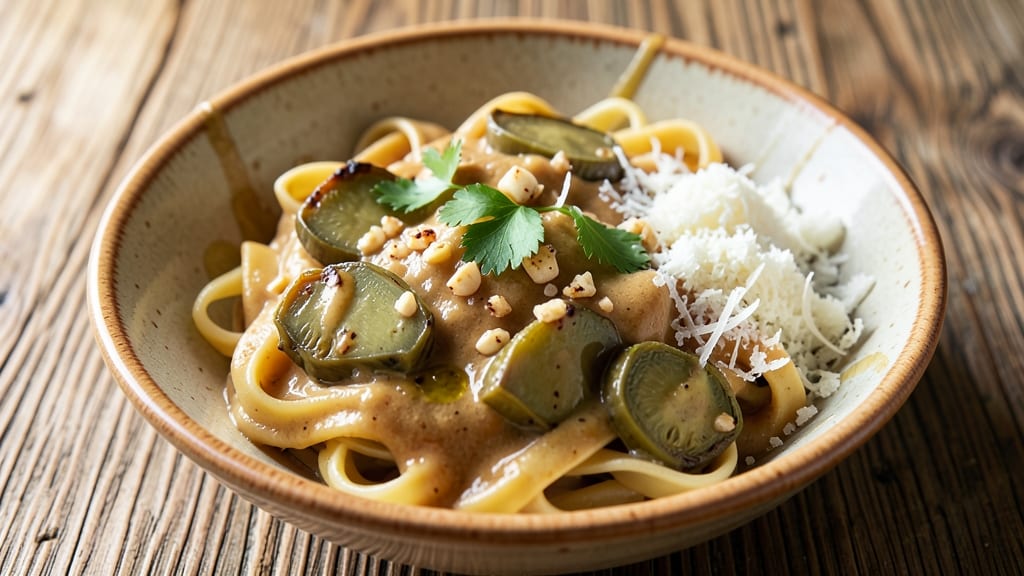
Trader Joe's artichoke pasta sauce delivers that creamy, herby richness you crave without the jar—just a few simple ingredients and 15 minutes of hands-on time. The secret lies in blending tender artichoke hearts with garlic, cream, and Parmesan for a velvety texture that clings perfectly to pasta.
I've perfected this version after testing countless combinations, ensuring every bite tastes like it came straight from the store but with fresher, brighter flavors.
What sets this sauce apart is the balance of tangy artichokes, aromatic herbs, and just enough creaminess to make it irresistible. Unlike store-bought versions, this recipe avoids artificial additives while delivering that signature herb-infused depth you love.
The process is straightforward: sauté garlic, blend artichokes with cream, and finish with Parmesan for a sauce that's rich yet light enough to pair with any pasta shape.
By the time you twirl that first forkful, you'll taste the creamy, savory richness that makes this sauce a standout—perfect for tossing with fettuccine, penne, or even as a creamy dip.
The sauce thickens beautifully as it sits, ensuring every bite is coated in that herbaceous, artichoke-forward flavor that feels indulgent yet balanced. This is the kind of homemade sauce that turns a simple pasta night into something special.
Serve immediately with grated Parmesan and fresh parsley for a restaurant-quality meal, or store leftovers in the fridge for up to 3 days—though it won’t last that long.
Whether you're feeding a family or treating yourself, this sauce delivers the comfort and richness of Trader Joe's favorite, made fresh in your own kitchen.
Ingredients for artichoke pasta sauce trader joe's
Nine ingredients, 15 minutes—this sauce delivers Trader Joe's signature artichoke richness at home.
| Ingredient | Amount | Notes |
|---|---|---|
| Marinated Artichoke Hearts 🍃 | 14 oz | Drained and chopped from jar |
| Heavy Cream 🥛 | 1 cup | Full-fat for richness |
| Fresh Garlic 🧄 | 4 cloves | Minced for aromatic depth |
| Extra-Virgin Olive Oil 🫒 | ¼ cup | High-quality for flavor |
| Parmesan Cheese 🧀 | ½ cup | Freshly grated from block |
| Fresh Parsley 🌿 | ¼ cup | Chopped for freshness |
| Fresh Basil 🌿 | ¼ cup | Chopped for herbaceous notes |
| Dried Thyme 🌿 | 1 tsp | Or 1 tbsp fresh thyme |
| Diamond Crystal Kosher Salt 🧂 | ½ tsp | Fine grain preferred |
| Ground Black Pepper 🌶️ | ¼ tsp | Freshly ground preferred |
| Unsalted Butter 🧈 | 2 tbsp | For sautéing garlic |
| Pasta 🍝 | 12 oz | Any shape preferred |
The artichoke hearts are the star, so Trader Joe's jarred hearts are my go-to—they're pre-marinated and perfect for this recipe. If you can't find them, fresh artichokes work too, but they require more prep (about 30 minutes to trim and boil). The Parmesan matters here—Parmigiano-Reggiano from a block always wins over pre-grated. For the herbs, fresh is ideal, but dried thyme works in a pinch. The heavy cream is non-negotiable for that velvety texture, so don't skimp on the full-fat version.
No artichoke hearts? Sun-dried tomatoes or roasted red peppers can mimic that tangy depth, though the flavor will differ slightly. Short on fresh herbs? Dried basil or oregano at half the amount will get you close. The garlic can be roasted for a sweeter flavor—just wrap whole cloves in foil and bake at 400°F for 15 minutes. If you're watching calories, Greek yogurt or coconut cream can replace some of the heavy cream, though the texture will be lighter. And yes, you can make this sauce ahead—it actually tastes better the next day as the flavors meld.
This sauce reheats beautifully—just warm it gently on the stove with a splash of water or milk to restore creaminess. Keeps for 3 days in the fridge, though it'll likely disappear faster. For leftovers, store in an airtight container with a thin layer of olive oil on top to preserve freshness. Freezes for 3 months if you want to prep ahead for busy nights. The pasta? Cook it al dente, then toss with the sauce while still hot for perfect absorption.
Why You'll Love This Recipe
- Minimal Chopping Required: That jar of marinated artichoke hearts? Already chopped, already brined—just drain and toss. The only prep is mincing garlic (two cloves max) and cracking open the heavy cream, which takes less time than waiting for the kettle to boil.
- Creamy-Garlicky Magic: The heavy cream and olive oil blend into this velvety sauce, but the garlic? Oh, it’s there—crisp at first, then mellowing into something rich and addictive. Sprinkle that Parmesan on top, and suddenly you’ve got restaurant-quality depth without the fuss.
- Weeknight to Dinner Party: Same sauce, endless uses. Toss it with fettuccine for a quick weeknight meal, or serve it over grilled chicken for a fancier spread. I’ve even used it as a dip for crusty bread when I was too tired to cook—no judgment.
- Leftovers That Don’t Suck: This sauce actually improves the next day. The flavors meld, the Parmesan gets even saltier in the best way, and reheating it is just about dumping it in a pan with a splash of pasta water. Honestly, I make double portions just so I can enjoy it twice.
Step-by-step instructions for Trader Joe's artichoke pasta sauce
Transform jarred artichoke hearts into a velvety, herb-infused sauce that rivals the store-bought version.
Sauté Garlic in Butter Until Fragrant
Heat the 2 tablespoons unsalted butter in a large skillet over medium heat until it melts and begins to foam. Add the 4 cloves minced fresh garlic and cook for 1-2 minutes until the garlic becomes golden and releases its aroma—this is when you'll smell that sweet, nutty fragrance that signals perfect timing.
Watch the garlic closely—it burns quickly. As soon as it turns golden, remove the skillet from heat for 30 seconds to let the raw garlic flavor mellow. This step builds the aromatic foundation of your sauce, so don't skip it. If you notice the garlic darkening too quickly, reduce the heat slightly next time.
Add Artichoke Hearts and Cook Until Tender
Return the skillet to medium heat and add the 14 ounces chopped marinated artichoke hearts (drained well). Cook for 3-4 minutes, stirring occasionally, until the artichokes are heated through and the edges begin to soften slightly. You'll see them release their briny, slightly sweet juices as they warm.
Here's the thing—don't overcrowd the pan. If your skillet is too full, the artichokes will steam instead of develop flavor. If needed, work in batches, but I've found this quantity fits comfortably in a 12-inch skillet. The artichokes should maintain their shape while becoming tender enough to break down slightly when pressed with a fork.
Create the Creamy Base with Olive Oil and Heavy Cream
Pour in the ¼ cup extra-virgin olive oil and stir to combine with the artichokes. Then add the 1 cup heavy cream, scraping up any browned bits from the bottom of the pan with a wooden spoon. These bits are packed with flavor—don't miss them. Return the heat to medium-low and let the mixture simmer gently for 5-6 minutes until it begins to thicken slightly.
You're looking for a sauce that coats the back of a spoon but isn't gluey. If it thickens too quickly, add 1-2 tablespoons of water to loosen it. The cream should reduce just enough to create a velvety texture without curdling. Stir occasionally to prevent sticking—this is where your sauce transforms from simple to luxurious.
Season and Finish with Herbs and Cheese
Reduce the heat to low and stir in the 1 teaspoon dried thyme, ½ teaspoon Diamond Crystal kosher salt, and ¼ teaspoon ground black pepper. Let the mixture simmer for 2 minutes to allow the spices to bloom and meld with the other flavors. Then add the ½ cup freshly grated Parmesan cheese, stirring until completely melted and smooth.
Remove the skillet from heat and fold in the ¼ cup chopped fresh parsley and ¼ cup chopped fresh basil. These herbs add a bright, fresh contrast to the rich cream sauce. Taste and adjust seasoning if needed—you might need a touch more salt to balance the acidity from the artichokes. The sauce should be vibrant, herby, and perfectly balanced between creamy and tangy.
Cook Pasta and Combine with Sauce
While the sauce simmers, cook the 12 ounces pasta in a large pot of salted boiling water according to package instructions until al dente. Reserve ½ cup pasta water before draining. Toss the drained pasta immediately with the artichoke sauce, adding pasta water as needed to reach your desired consistency—this starchy liquid helps the sauce cling beautifully to every strand.
Serve immediately with additional freshly grated Parmesan cheese and a sprinkle of fresh basil. The sauce should coat the pasta generously, with visible artichoke chunks throughout. Each bite should deliver creamy richness balanced by herby brightness and the subtle brininess of the artichokes. This sauce keeps well for 3-4 days in the refrigerator, making it perfect for meal prep.
Pro Tips For Making Artichoke Pasta Sauce Trader Joe'S
- Drain and Pat Dry: The marinated artichokes come packed in oil and brine—don’t just dump them straight into the sauce. Drain them well, then blot them dry with a paper towel. This prevents the sauce from turning greasy and lets the artichokes crisp up slightly when they hit the pan.
- Sauté Garlic Low and Slow: Fresh garlic burns faster than you think, especially when heavy cream’s in the mix. Cook it in olive oil over low heat until just golden—about 2 minutes—before adding the cream. Overcooked garlic turns bitter, and nobody wants that in a creamy artichoke sauce.
- Temper the Cream: Pouring cold heavy cream straight into a hot pan? Bad idea. Warm the cream first by heating it in a separate saucepan until it’s steaming but not boiling. Then whisk it into the pan gradually. This keeps the sauce smooth and prevents curdling—trust me, you’ll notice the difference.
- Finish with Grated Parmesan: Skip the pre-shredded stuff—it’s coated with anti-caking agents that make the sauce look grainy. Use a fine grater and fold in the Parmesan at the very end, off the heat. This keeps the cheese fresh and melty, not clumpy. (And yes, the effort is worth it.)
Make-ahead tips for this dish
Sauce Prep Ahead
This sauce actually tastes better the next day as the flavors meld beautifully. After making it, let it cool completely, then store in an airtight container in the fridge for up to 3 days.
The creaminess intensifies overnight, making it even more luxurious. I like to reheat it gently on the stove with a splash of water or milk to restore its velvety texture. 💫
Freezer-Friendly Option
For longer storage, freeze the sauce in quart-sized freezer bags with 1 inch of headspace to prevent expansion. Thaw overnight in the fridge, then reheat on the stove over medium-low heat for 5-7 minutes, stirring occasionally.
The texture might separate slightly, but a quick whisk with a splash of warm water brings it back together. Freeze for up to 3 months for a quick weeknight meal. ❄️
Pasta Prep Strategy
Cook your pasta 1 minute less than package instructions suggest, then finish it in the sauce. This ensures it's perfectly al dente while absorbing the rich flavors. Reserve ½ cup pasta water before draining—this starchy liquid is key for adjusting sauce consistency.
I often cook pasta ahead and store it in the fridge for up to 2 days, then reheat it directly in the sauce for a one-pan meal. 🍝
Batch Cooking Tips
Double the recipe and store components separately for easy assembly. Keep the sauce in one container and the cooked pasta in another. When ready to serve, simply reheat the sauce and toss with fresh pasta.
This works perfectly for meal prep Sundays—just grab and combine when you're ready to eat. The sauce reheats beautifully, so you won't sacrifice flavor. 💡
Sauce Consistency Hack
If your sauce thickens too much while reheating, add 1-2 tablespoons of water or milk and stir until smooth. For extra richness, stir in 1 tablespoon of butter at the end.
The sauce should coat the back of a spoon but remain silky, not gluey. I find that reheating on low heat prevents curdling and maintains that perfect texture. 🔥
Garnish Prep
Chop your fresh parsley and basil ahead of time and store them in a small container in the fridge. These herbs stay fresh for 3-4 days when stored properly. Keep Parmesan cheese grated and ready in the freezer—it stays fresh longer this way.
When ready to serve, simply sprinkle these fresh elements on top for that restaurant-quality finish. 🌿
Nutrition facts
Frequently asked questions
Can I make this sauce without heavy cream?
Yes! For a lighter version, substitute ½ cup Greek yogurt or ½ cup coconut cream for the heavy cream. The texture will be slightly thinner but still delicious. If using yogurt, add 1 tablespoon cornstarch to thicken it properly. For extra richness, stir in 1 tablespoon butter at the end. The sauce will still have that artichoke-forward flavor, just with a different mouthfeel.
What's the best pasta shape for this sauce?
This creamy sauce works beautifully with fettuccine, penne, or rigatoni because their shapes help hold onto the sauce. For extra indulgence, try cavatappi or farfalle—the crevices catch every bit of the velvety artichoke goodness. If you prefer a lighter option, linguine or spaghetti also work well, though they may require a splash of pasta water to keep the sauce clinging.
Why does my sauce get too thick when reheating?
This happens because the cream separates slightly when cooled. To fix it, stir in 1-2 tablespoons of water, milk, or reserved pasta water while reheating on low heat. If the sauce still seems too thick, whisk in 1 tablespoon of butter or a splash of heavy cream. The key is to reheat slowly—medium-low heat prevents curdling and maintains that silky texture. Stir constantly until smooth.
Can I use canned artichoke hearts instead of jarred? Canned artichoke hearts work just fine—just
How do I make this sauce spicier?
Add ½ teaspoon red pepper flakes or 1-2 chopped fresh chili peppers when sautéing the garlic. For a smoky kick, stir in ½ teaspoon smoked paprika with the thyme. If you like heat, finish with a pinch of cayenne pepper or a drizzle of hot sauce after the sauce is off the heat. Start with small amounts—you can always add more!