
Sauces & Condiments
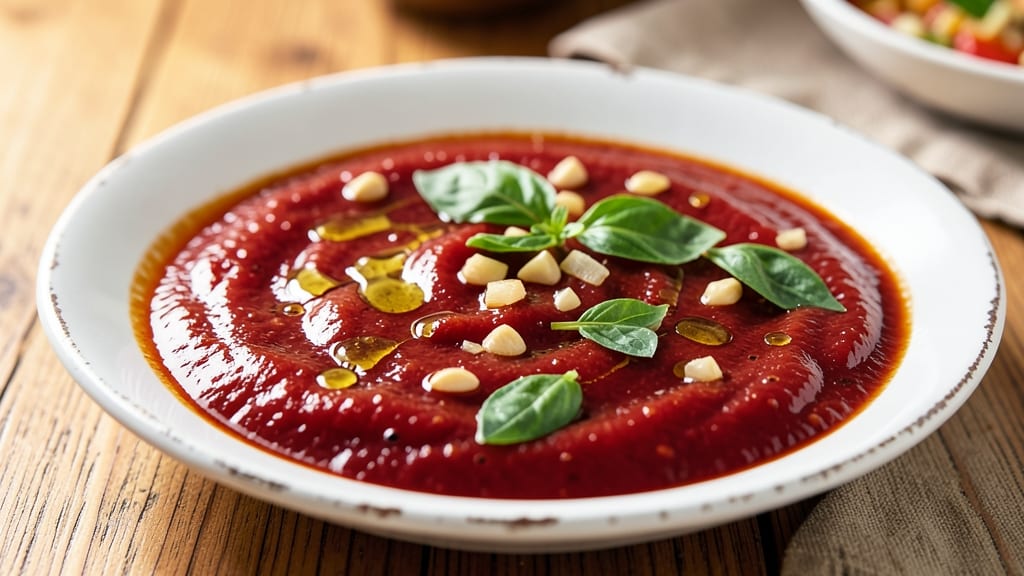
This all-natural marinara sauce recipe transforms simple ingredients into a rich, velvety sauce with deep tomato flavor and zero preservatives. The secret lies in slow simmering—letting the natural sugars caramelize while building layers of aromatic depth from garlic, onions, and fresh herbs.
I developed this version after years of testing store-bought alternatives that always fell short of homemade quality.
What sets this marinara apart is the balance of acidity and sweetness, achieved through a combination of fresh tomatoes (or high-quality canned) and a touch of tomato paste for concentration.
The sauce thickens naturally as it simmers, creating that perfect consistency that clings beautifully to pasta, chicken, or crusty bread. No thickeners or additives are needed—just time and patience.
The result is a sauce that's vibrant red, aromatic with garlic and basil, and rich enough to stand alone as a pasta topping or dipping sauce. It keeps well in the refrigerator for up to five days, allowing you to make a big batch for the week.
The flavor actually improves as it sits, developing deeper complexity with each passing hour.
For extra depth, I recommend finishing with a sprinkle of fresh basil and a drizzle of high-quality olive oil just before serving. This sauce is the foundation of countless Italian dishes—perfect for weeknight dinners or special occasions when you want restaurant-quality flavor at home.
Ingredients for all natural marinara sauce
Simple ingredients that build restaurant-quality depth through slow simmering and natural caramelization.
| Ingredient | Amount | Notes |
|---|---|---|
| Fresh Roma Tomatoes 🍅 | 2 lb | Halved, seeds removed |
| San Marzano Tomato Paste 🍅 | ¼ cup | High-quality, no sugar added |
| Extra-Virgin Olive Oil 🫒 | ½ cup | Fruity, peppery variety |
| Yellow Onion 🧅 | 1 whole | Finely diced, sweet variety |
| Garlic Cloves 🧄 | 6 cloves | Minced, fresh preferred |
| Fresh Basil Leaves 🌿 | ½ cup | Packed, stems removed |
| Red Wine Vinegar 🍷 | 1 tbsp | Balsamic works too |
| Diamond Crystal Kosher Salt 🧂 | 1 ½ tsp | Adjust to taste |
| Freshly Ground Black Pepper 🌶️ | ½ tsp | Coarsely cracked |
| Granulated Sugar 🍚 | 1 tsp | Balances acidity |
The tomatoes are non-negotiable—Roma tomatoes have the perfect balance of sweetness and acidity, but San Marzano canned tomatoes work beautifully too. I always grab Whole Foods' organic Roma when in season, but the regular grocery store variety is fine if it's ripe and firm. For tomato paste, San Marzano is a game-changer—it's sweeter and less acidic than regular brands, giving you that authentic Italian flavor. The olive oil should be extra-virgin with noticeable peppery bite—California Olive Ranch or Colavita are my go-tos, but any high-quality brand will do. Fresh basil is ideal, but if you're using dried, cut the amount to one-third—it's way more concentrated.
No fresh tomatoes? Canned crushed tomatoes work perfectly—just drain them well. Short on basil? Dried oregano or thyme adds earthiness, though nothing matches fresh basil's brightness. The red wine vinegar can be swapped for white wine vinegar or balsamic vinegar, but balsamic adds a deeper sweetness. For sugar, honey or maple syrup work in a pinch, though they'll change the sauce's subtle balance. The garlic is where flavor really develops—toast the minced garlic in olive oil for 30 seconds before adding other ingredients to build depth. And if you're feeling fancy, add a pinch of red pepper flakes for subtle heat.
This sauce only gets better with time—make a big batch and store it. It keeps for up to 5 days in the fridge and freezes beautifully for up to 6 months. I like to portion it into glass jars so I can grab just what I need. To reheat, warm gently on the stove with a splash of water or pasta water to loosen it up. The sauce thickens as it cools, so don't be afraid to add a little water or broth if it seems too stiff. And always finish with a drizzle of high-quality olive oil and fresh basil—that's the magic touch
Why You'll Love This Recipe
- No-Fuss Simplicity: I swear by this recipe because it’s that easy—just chop an onion, crush some garlic, and let the tomatoes do the work. The San Marzano paste thickens it effortlessly, so no stirring like glue for hours.
- Sunshine in a Jar: That burst of fresh Roma tomatoes and slow-simmered garlic? It’s like summer in every bite. The olive oil keeps it rich but never heavy, and the onion adds this sweet, caramelized depth that makes it taste homemade.
- Weeknight Superhero: This sauce is my go-to for pasta, pizza, or even bruschetta—no stress, just flavor. Make a big batch on Sunday, and you’ve got dinner covered for days. (Yes, even on a Tuesday night.)
- Budget Magic: A few tomatoes, a can of paste, and pantry staples? This is the kind of recipe that stretches your grocery budget without sacrificing taste. Plus, it keeps for weeks in the fridge, so you’re not scrambling for takeout.
Step-by-step instructions for all natural marinara sauce
Here's how to build rich, vibrant sauce from scratch—no shortcuts, just pure tomato flavor.
Sauté Aromatics Until Fragrant
Heat the 0.5 cup extra-virgin olive oil in a heavy-bottomed saucepan over medium heat. Add the finely diced yellow onion and cook for 5-6 minutes until soft and translucent, stirring occasionally. The onions should lose their raw bite and begin to caramelize slightly at the edges.
Add the 6 minced garlic cloves and cook for another 30 seconds until the garlic is golden and fragrant—not browned, just perfumed. Watch the pan closely; garlic burns quickly and turns bitter. Remove from heat immediately after the garlic releases its aroma, as it continues to cook from residual heat.
Build the Sauce Base
Return the pan to medium heat and add the 0.25 cup San Marzano tomato paste. Stir constantly for 2-3 minutes until the paste darkens and releases its deep, concentrated flavor. This step forms the flavor foundation—don't skip it.
Pour in 1 cup of water (from the 2 lb fresh Roma tomatoes after halving and seeding) and scrape up any browned bits from the bottom of the pan. These bits, called fond, are packed with flavor. Add the halved, seeded Roma tomatoes and bring to a gentle simmer. The sauce should bubble softly but not vigorously.
Simmer and Develop Flavor
Add the 1 tbsp red wine vinegar, 1.5 tsp Diamond Crystal kosher salt, 0.5 tsp freshly ground black pepper, and 1 tsp granulated sugar. Stir well to combine. The vinegar brightens the tomatoes, the sugar balances acidity, and the pepper adds subtle heat.
Reduce heat to low and let the sauce simmer uncovered for 30-40 minutes. Stir occasionally to prevent sticking. You're looking for a sauce that thickens naturally as moisture evaporates and flavors meld. The tomatoes should break down completely, creating a velvety texture. Taste occasionally—adjust seasoning if needed, remembering the sauce will intensify as it cools.
Finish with Fresh Basil
When the sauce has reduced by about half and coats the back of a spoon, remove from heat. Stir in the 0.5 cup fresh basil leaves and let steep for 5 minutes. The basil will infuse the sauce with its bright, herbal notes before you strain it out.
Use a fine-mesh strainer to remove the basil leaves (or leave them in for a more rustic texture). The sauce should be smooth, glossy, and deeply flavorful. If it's too thick, thin with a splash of water or pasta water. For maximum freshness, use immediately, but it keeps well in the refrigerator for 5 days or can be frozen for 3 months.
Pro Tips For Making All Natural Marinara Sauce
- Char the Onions Slowly: I used to rush this step and end up with bitter, overcooked onions—don’t. Slice them thin, cook them in olive oil over medium-low heat for 8-10 minutes until soft and golden, not browned. This builds sweetness without bitterness, and you’ll taste the difference when the tomatoes hit.
- Crush Garlic with a Pinch of Salt: Skip the mincer—smash the cloves with the flat side of your knife, sprinkle with a tiny pinch of salt, then chop. This prevents sulfuric sharpness and makes the garlic blend seamlessly into the sauce. (Yes, even if you’re impatient like me.)
- Simmer, Don’t Boil: After adding the tomatoes and paste, keep the heat at a gentle simmer—tiny bubbles, not a rolling boil. Boiling turns sauce cloudy and dull; simmering lets flavors meld without breaking down the texture. Cover loosely and let it work for at least 30 minutes.
- Deglaze with Red Wine First: After cooking the onions and garlic, deglaze the pot with ¼ cup dry red wine before adding tomatoes. The alcohol burns off, leaving behind a deeper, richer base flavor. No wine? A splash of tomato paste thinned with water does the trick—but wine’s the upgrade.
Common mistakes when making this recipe
Overcooking Tomatoes
Tomatoes are delicate and lose their natural sweetness when overcooked. Once they break down and release their juices, remove the pan from heat immediately if you notice the sauce becoming too thick or the tomatoes turning mushy.
I’ve ruined batches by letting them simmer too long—always taste as you go. The ideal marinara should be vibrant red, not dull brown. 🍅
Skipping the Tomato Paste
Many home cooks skip the 0.25 cup San Marzano tomato paste thinking it’s unnecessary, but it’s the flavor anchor. The paste deepens the sauce’s richness and balances acidity.
If you omit it, add an extra 1 tbsp of red wine vinegar to compensate, but nothing replaces the concentrated umami of the paste.
Ignoring the Fond
Those browned bits stuck to the bottom of your pan—called fond—are pure flavor gold. Always scrape them up with a wooden spoon when adding liquids. I’ve seen cooks wipe out pans clean, missing out on layers of caramelized depth that make the difference between good and extraordinary sauce.
Rushing the Simmer
Patience is key with marinara. A 30-40 minute simmer at low heat lets flavors meld properly. Skipping this step results in a flat, one-dimensional sauce. Think of it like steeping tea—time develops complexity. If you’re short on time, at least simmer for 20 minutes minimum.
Using Low-Quality Tomatoes
Not all tomatoes are created equal. Roma tomatoes or San Marzano canned tomatoes deliver the best balance of sweetness and acidity. Store-bought generic brands often taste bland or overly acidic. Splurge on quality—your sauce will thank you. I’ve tried cheap brands, and they’re a noticeable downgrade.
Over-Salting Early
Taste your sauce before adding all the salt. Tomatoes vary in natural saltiness, and over-salting early can’t be fixed. I’ve made this mistake and had to thin the sauce with water to dilute it. Add salt gradually, remembering flavors intensify as the sauce cools. Adjust at the end if needed.
Nutrition facts
Frequently asked questions
Can I make this marinara sauce without fresh tomatoes?
Use 28 ounces of high-quality canned San Marzano tomatoes instead of fresh. Crush them by hand or with a potato masher for the best texture. The canned version works especially well if you're short on time or want to make a large batch for freezing.
How do I adjust the thickness of the sauce?
For a thicker sauce, simmer uncovered for an extra 10-15 minutes to let moisture evaporate. If it gets too thick, thin with 1-2 tablespoons of water or pasta water while stirring. Remember, the sauce will thicken further as it cools, so don't over-correct while hot.
Can I make this sauce in a slow cooker?
Yes! Follow the same steps but transfer everything to your slow cooker after the tomato paste stage. Cook on low for 4-5 hours or high for 2-3 hours, stirring occasionally. The slow cooker method is perfect for hands-off prep and develops even deeper flavors through gentle heat.
What's the best way to store leftover marinara?
Store in an airtight glass container in the fridge for up to 5 days. For longer storage, portion into freezer-safe containers and freeze for up to 6 months. Thaw overnight in the fridge and reheat gently on the stove with a splash of water to restore texture.
Why does my sauce taste bland after cooking?
This usually happens from one of three things: under-simmering (needs 30-40 minutes minimum), using low-quality tomatoes, or not scraping up the fond. Try adding a pinch of red pepper flakes or a splash of balsamic vinegar to brighten flavors, or finish with fresh herbs and a drizzle of high-quality olive oil.