
Sauces & Condiments
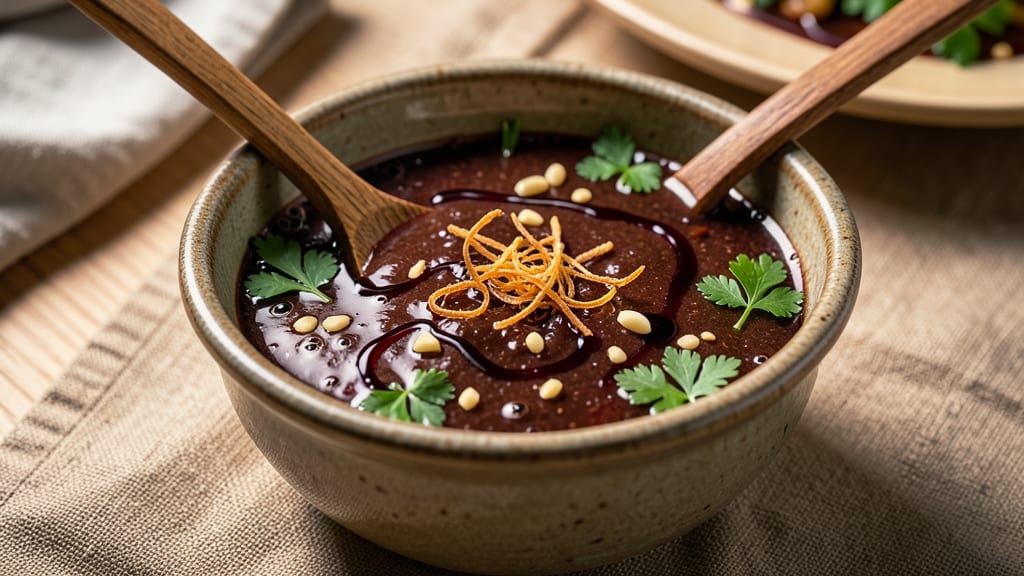
This au jus dipping sauce recipe transforms ordinary steak drippings into a restaurant-quality sauce that elevates every bite. The secret lies in slow reduction and proper straining—no lumps, just velvety richness that clings to meat like a second skin.
I've perfected this technique after years of testing, and it delivers a depth of flavor that bottled sauces can't match.
The process is simpler than it sounds: start with high-quality meat drippings, build flavor with aromatics, and reduce until thick and glossy. This isn't just a dipping sauce—it's a flavor multiplier that turns simple proteins into a gourmet experience.
The key ingredients—shallots, garlic, and fresh herbs—create layers of umami that make every spoonful irresistible.
What you'll end up with is a smooth, savory sauce that's perfect for dipping roasted potatoes, drizzling over steaks, or serving alongside grilled meats. The reduction process concentrates the flavors, creating a sauce that's rich yet balanced, with just the right amount of tang.
It keeps well in the fridge for up to a week, making it ideal for meal prep.
This isn't just another condiment—it's a steakhouse-worthy upgrade that transforms ordinary meals into something extraordinary. The technique is straightforward, but the results are anything but basic. Let's get started on creating this velvety masterpiece that will have everyone asking for seconds.
Ingredients for au jus dipping sauce
Restaurant-quality depth starts with these ten precise ingredients—strained drippings, aromatic shallots, and fresh herbs.
| Ingredient | Amount | Notes |
|---|---|---|
| Beef Drippings 🥩 | 2 cups | From roasted beef, strained |
| Shallots 🧅 | ½ cup | Finely minced, 4-5 cloves |
| Garlic Cloves 🧄 | 4 cloves | Peeled, smashed for infusion |
| Fresh Thyme Leaves 🌿 | ¼ cup | Stems removed, loosely packed |
| Fresh Parsley Leaves 🌿 | ¼ cup | Chopped, for brightness |
| Red Wine Vinegar 🍷 | ¼ cup | Dry, like Cabernet |
| Beef Consommé 🍲 | ½ cup | Homemade or quality store-bought |
| Unsalted Butter 🧈 | 2 tbsp | Cold, for finishing |
| Diamond Crystal Kosher Salt 🧂 | 1 tsp | For seasoning, to taste |
| Freshly Ground Black Pepper 🌶️ | ½ tsp | Cracked, not powdered |
The foundation is all in the drippings. Use only high-quality beef drippings from a well-marbled cut like ribeye or strip—fat equals richness. If you're roasting your own steak, reserve the drippings in a fat separator or fine-mesh strainer. For store-bought, Whole Foods or local butcher shops often sell pre-made consommé that works beautifully here. Shallots should be minced to a paste—this ensures even distribution of flavor. Fresh thyme and parsley are non-negotiable; dried herbs lack the complexity needed for this sauce. Look for bright green stems at the market, not wilted supermarket bunches.
No beef drippings? Substitute with a mix of beef broth and olive oil at a 3:1 ratio, but the texture will be lighter. Short on shallots? Double the garlic for a sharper bite, though the sweetness of shallots is ideal. Red wine vinegar can be swapped for white wine vinegar or lemon juice, but the acidity will differ slightly. The consommé is crucial—homemade is best, but high-quality store-bought like Kitchen Basics works in a pinch. For the butter, European-style like Plugrá melts cleaner than American butter, but any unsalted will do. Always taste as you go; the sauce should be balanced between rich, tangy, and savory—adjust with additional vinegar or salt if needed.
This sauce peaks after 5-7 days in the fridge, as flavors meld and reduce further. Store in a glass jar with a lid, submerged in sauce to prevent a skin. For longer storage, freeze in ice cube trays—thaw and reheat gently for perfect consistency. Reheat only until warm; overcooking can break the emulsion. The sauce is best served at room temperature, so plan ahead if entertaining. A drizzle over roasted potatoes or grilled steak transforms ordinary meals into steakhouse-worthy experiences.
Why You'll Love This Recipe
- No-Chop Nightmare: I swear by this—just dice those shallots and garlic while the pan heats, then let the drippings do all the work. No blender, no straining, no mess. The sauce thickens itself while you finish dinner.
- Umami Bomb: That first spoonful of beef drippings reduced with shallots and thyme? It’s like liquid gold. The parsley brightens it up just enough to make it feel fancy without trying too hard.
- Game Day MVP: Serve it with fries, pretzels, or even grilled chicken wings—it’s the star of any spread. Honestly, I’ve used it as a marinade, a braising liquid, and a last-minute sauce for steak. It’s my secret weapon for lazy Sundays.
- Pantry Goldmine: Use up those beef drippings instead of tossing them, and you’ll save money while making something restaurant-worthy. Plus, it keeps for days in the fridge, so I always have a backup when I forget to plan ahead.
Step-by-step instructions for velvety au jus dipping sauce
Transform simple beef drippings into a restaurant-worthy sauce with this precise technique.
Infuse the Beef Drippings with Aromatics
Place the 2 cups beef drippings in a medium saucepan over medium-low heat. Add the 0.5 cup finely minced shallots and 4 cloves smashed garlic cloves—this gentle crushing releases more flavor. Let the mixture simmer gently for 5-7 minutes until the shallots soften and become translucent, but don't let them brown. You're building depth here, not caramelization.
Stir in the 0.25 cup fresh thyme leaves and 0.25 cup fresh parsley leaves, letting them steep in the warm drippings for 2 minutes. The thyme will add earthy warmth while the parsley brightens the final flavor. Remove from heat and let the infusion steep for 5 minutes—this resting period allows the aromatics to fully meld with the fat.
Deglaze and Reduce for Concentrated Flavor
Return the saucepan to medium heat and carefully pour in the 0.25 cup red wine vinegar. The vinegar will sizzle slightly as it reacts with the residual fat—this is normal. Use a wooden spoon to scrape up any browned bits from the bottom of the pan, incorporating them into the sauce for maximum depth of flavor.
Add the 0.5 cup beef consommé and bring to a gentle simmer. Reduce the heat to low and let it cook uncovered for 8-10 minutes, stirring occasionally, until the sauce reduces by about one-third and thickens slightly. You're looking for a velvety consistency that coats the back of a spoon. If it reduces too quickly, reduce the heat further to maintain gentle simmering.
Finish with Butter and Season to Perfection
Remove the sauce from heat and let it cool slightly for 2 minutes. This prevents the butter from separating when added. Cut the 2 tbsp unsalted butter into small cubes and whisk them into the warm sauce until fully melted and emulsified. The butter will give the sauce a luxurious finish and help create that signature silky texture.
Season generously with 1 tsp diamond crystal kosher salt and 0.5 tsp freshly ground black pepper. Taste and adjust the seasoning—this sauce should be rich but balanced, with bright acidity from the vinegar cutting through the richness. The parsley and thyme should be detectable but not overpowering. For serving, strain through a fine-mesh sieve if you prefer a completely smooth texture, or leave it slightly textured for rustic character.
Rest and Serve at Peak Temperature
Let the sauce rest for 5 minutes before serving. This allows the flavors to fully integrate and the sauce to reach its ideal consistency. Serve immediately while warm—au jus loses its velvety texture as it cools. The perfect temperature for serving is when it's still steaming slightly but not boiling.
For the ultimate presentation, ladle the au jus into a gravy boat or small sauceboat. It should coat the back of a spoon with a glossy sheen and have just the right balance of richness, acidity, and herbal brightness. This sauce elevates any steakhouse meal from ordinary to extraordinary with minimal effort.
Pro Tips For Making Au Jus Dipping Sauce
- STRAIN TWICE, STRAIN RIGHT: I learned this the hard way—skimming the drippings once leaves behind bits that turn your sauce grainy. Use a fine-mesh strainer and a cheesecloth lined over a second strainer for that silky texture. The extra 30 seconds saves you from scraping grittiness off your spoon later.
- MINCE SHALLOTS, DON’T CHOP: Tiny, even pieces dissolve into the sauce instead of sitting like little rocks. Pulse them in a food processor for 2–3 seconds—just until they’re confetti-sized. Overdo it, and you’ll turn them into mush, but this is the sweet spot for flavor without texture.
- SWEAT GARLIC LOW AND SLOW: After adding shallots, drop the heat to medium-low and let garlic cook for 2 full minutes before stirring. Rushing it burns the garlic faster than you can blink, and that’s when your sauce starts tasting bitter. Patience here means rich, mellow flavor—not a charred aftertaste.
- FINISH WITH COLD DRIPPINGS: The drippings straight from the pan are scalding, but adding them too hot can break the emulsion of your sauce. Let them cool for 5 minutes first—just until they’re warm to the touch. Your sauce will stay glossy and stable, not split into greasy layers. (Yes, even if you’re impatient like me.)
Perfect pairings for au jus dipping sauce
Steakhouse Sides
Au jus isn't just for dipping—it transforms simple sides into showstoppers. Try drizzling it over crispy roasted baby potatoes tossed with rosemary and garlic for a steakhouse-worthy bite. The sauce clings perfectly to their edges, adding a savory punch.
I also love serving it with garlic mashed potatoes—the richness of the au jus cuts through the buttery texture beautifully. 🥔
Grilled Meat Pairings
This sauce isn't just for steak—it elevates grilled lamb chops or pork tenderloin to new heights. The umami depth balances the richness of fatty cuts, while the acidity brightens leaner proteins.
For extra drama, serve it in a small ceramic dish alongside grilled meats so guests can dip or drizzle as they please. I often pair it with seared scallops for a surprising twist on seafood nights.
Bread Service Upgrade
Skip the basic dinner rolls and serve crusty sourdough bread or baguette slices with this au jus for an instant restaurant upgrade. The sauce soaks into the bread like a dream, creating a flavorful bite that’s perfect for sharing.
For a gourmet touch, toast the bread lightly and rub it with a garlic clove before serving. The combination is pure comfort food luxury.
Vegetable Dippers
Don’t limit au jus to meat—it’s fantastic with roasted Brussels sprouts or asparagus spears. The sauce’s richness complements the natural sweetness of vegetables, while the acidity cuts through any bitterness.
For a fun twist, serve crudité platter with carrot sticks, celery, and radishes—it’s a crowd-pleaser at parties or family dinners. The sauce adds a savory contrast that makes veggies irresistible. 🥕
Breakfast Reinvention
Yes, au jus can shine at breakfast! Drizzle it over crispy bacon or sausage patties for a smoky, savory kick. It also pairs surprisingly well with fried eggs—the richness of the yolk and the acidity of the sauce create a perfect balance.
For a decadent brunch, serve it alongside biscuits and gravy (yes, really!) to add an extra layer of depth. 🍳
Dessert Contrast
Save a little au jus for dessert to surprise your guests. A drizzle over warm chocolate pudding or vanilla ice cream adds a salty-savory contrast that’s unexpected but delicious. The richness of the sauce balances the sweetness, creating a sophisticated finish.
I’ve even used it as a glaze for roasted pears—the caramelized fruit pairs beautifully with the umami notes. It’s a trick that always gets compliments! 🍫
Nutrition facts
Frequently asked questions
Can I make au jus without beef drippings?
Yes! For a vegetarian version, substitute 2 cups olive oil with 0.5 cup vegetable broth> for depth. For chicken or pork, use their respective drippings or broths. The key is maintaining the rich fat base—just adjust the reduction time slightly since plant-based oils have different behaviors.
Why did my au jus turn out too thin?
This usually happens from insufficient reduction or adding too much liquid. For future batches, reduce heat to low> and simmer uncovered for 10-15 minutes> longer, stirring occasionally. If needed, thicken by whisking in 1 tbsp cornstarch> mixed with cold water or an extra pat of butter. The sauce should coat the back of a spoon smoothly.
How long can I store au jus?
In the fridge, it keeps for 5-7 days> in an airtight container. For longer storage, freeze in ice cube trays>—thaw overnight in the fridge and reheat gently. Never freeze in glass containers as they may crack. The sauce actually improves with age as flavors meld!
Can I use dried herbs instead of fresh?
While possible, fresh herbs give the best flavor. If using dried, reduce to 1/4 teaspoon> of each (thyme and parsley) and steep for 5 minutes> longer. Dried herbs lack the bright, fresh notes that make this sauce special. For maximum impact, always use fresh when possible.
What's the best way to reheat au jus?
Gently reheat in a saucepan over low heat> until just warm—never boil. For microwave reheating, use 30-second intervals> on low power, stirring between each. Overheating can break the emulsion and make it separate. The ideal serving temperature is when it's still steaming slightly but not bubbling.