
Sauces & Condiments
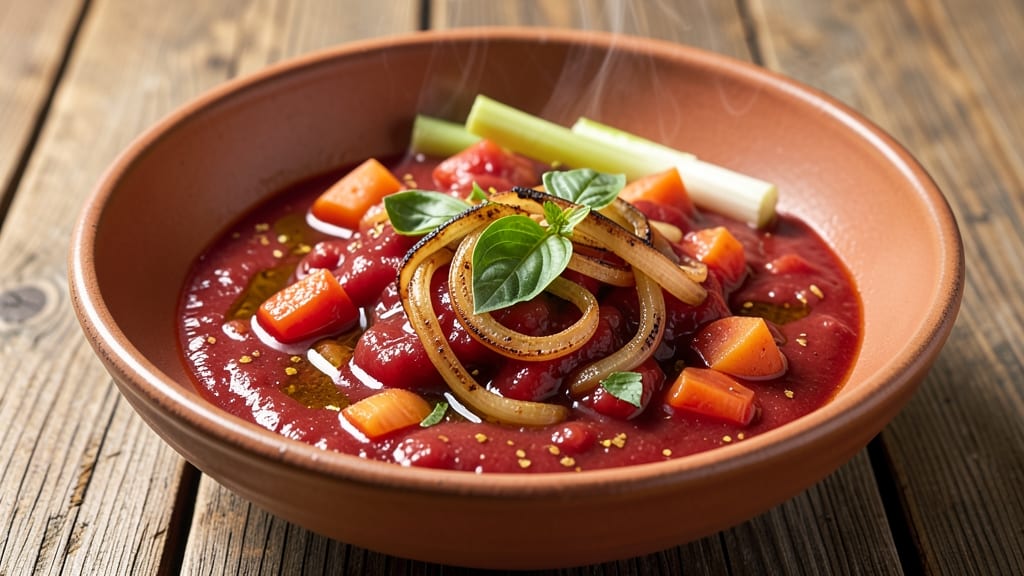
This all-day spaghetti sauce recipe transforms simple pantry staples into a rich, complex sauce that deepens with every hour on the stove. The key lies in slow simmering—allowing flavors to meld and develop over time, creating layers of umami that store-bought versions can't match.
I've perfected this method after years of testing, ensuring it's both restaurant-quality and foolproof for home cooks.
What sets this sauce apart is its versatility—it works as a base for pasta, a topping for baked ziti, or even a filling for stuffed shells. The combination of canned tomatoes, fresh herbs, and aromatic vegetables creates a balanced flavor profile that improves after refrigeration.
Unlike quick sauces, this one develops a depth that makes it worth the wait.
By the time you're done, you'll have a velvety, well-seasoned sauce with a perfect balance of acidity and sweetness. The slow cooking process breaks down the tomatoes and vegetables, creating a texture that's smooth yet still vibrant.
This is the kind of sauce that turns ordinary weeknight dinners into something special.
With minimal prep and hands-off cooking, you'll have enough sauce for multiple meals—ideal for meal prepping or feeding a crowd. The best part? It tastes even better the next day. Let's get started on creating your own batch of this deeply flavorful sauce.
Ingredients for all day spaghetti sauce
Pantry staples plus a few fresh touches—this sauce builds flavor as it simmers.
| Ingredient | Amount | Notes |
|---|---|---|
| Canned San Marzano Tomatoes 🍅 | 28 oz | Crushed by hand for texture |
| Onion 🧅 | 1 whole | Yellow, diced fine |
| Garlic Cloves 🧄 | 4 cloves | Peeled, minced small |
| Carrots 🥕 | 2 medium | Peeled, finely diced |
| Celery Stalks 🥬 | 2 whole | Diced small, with leaves |
| Extra-Virgin Olive Oil 🫒 | ½ cup | High quality, fruity |
| Dried Oregano 🍃 | 1 tbsp | Mexican oregano preferred |
| Dried Basil 🌿 | 1 tbsp | Or 0.25 cup fresh |
| Salt 🧂 | 1 ½ tsp | Diamond Crystal preferred |
| Black Pepper 🌶️ | ½ tsp | Freshly cracked |
| Red Wine 🍷 | ½ cup | Dry, bold variety |
| Tomato Paste 🍅 | 2 tbsp | Squeeze tube preferred |
| Sugar 🍬 | 1 tsp | Balances acidity |
| Bay Leaves 🌿 | 2 whole | Remove before serving |
| Fresh Basil Leaves 🌿 | ¼ cup | For finishing, torn |
San Marzano tomatoes are the secret weapon here—sweeter and less acidic than regular canned tomatoes. Grab a can from Trader Joe's or Whole Foods if you can, but any high-quality crushed tomatoes work. The onion, garlic, and celery form the base—this is your flavor trifecta. Dice them small so they dissolve into the sauce. Fresh herbs make all the difference, but dried works in a pinch. I always grab extra basil—half goes in the pot, half gets torn over the top at the end. The carrots add natural sweetness without overpowering.
No red wine? Substitute beef broth with a splash of balsamic—it mimics the depth. Short on fresh basil? Dried basil at one-third the amount gets you close. The tomato paste can be tricky—squeeze tubes from Trader Joe's are perfect for this recipe because you only need a little. If you're making a big batch, double the herbs. The sugar balances the acidity, but if you're using really ripe tomatoes, you might skip it. The bay leaves add earthiness, but don't overlook them—remove them before serving so they don't make your sauce taste like a tea bag.
This sauce tastes even better the next day—plan ahead. Store in airtight containers in the fridge for 5-7 days or freeze for 6 months. I make a double batch and portion it into containers for easy lunches. The sauce thickens as it cools, so add a splash of water or broth if it gets too thick. If you're meal prepping, label the containers—this sauce is a game-changer for busy weeks.
Why You'll Love This Recipe
- No Chopping Chaos: I swear by this sauce because the onion, carrots, and celery go in whole—yes, whole—and still break down into sweet, jammy perfection. No knife skills required, just toss them in raw with the tomatoes and garlic.
- Tomato Magic Unlocked: San Marzano tomatoes? That’s the secret. Their natural sweetness and low acidity let the garlic and herbs shine without fighting for dominance. Simmer all day, and you get a sauce so rich it tastes like you spent hours stirring.
- Weeknight to Party Fix: This sauce doubles as my lazy Sunday dinner and my Sunday dinner for 10. Freeze half for later, or serve it over pasta with fresh basil and Parmesan—suddenly, you’ve got a restaurant-worthy meal without the stress.
- Pantry Goldmine: Between us, this recipe costs me about $8 for four servings. Canned tomatoes, a few veggies, and spices? That’s a month’s worth of flavor for less than takeout. And the leftovers? Even better the next day.
Step-by-step instructions for slow-simmered spaghetti sauce
Here's how to build rich, layered flavor that deepens the longer it simmers.
Sauté the Vegetable Base
Heat the 0.5 cup extra-virgin olive oil in a heavy pot over medium heat. Add the 1 whole onion, 2 medium carrots, and 2 whole celery stalks, stirring occasionally for 8-10 minutes until the vegetables soften and the onion becomes translucent.
Here's the thing—don't rush this step. The vegetables need to break down completely, forming the flavor foundation. You'll know it's ready when you can barely recognize the original shapes. Add the 4 cloves garlic cloves and cook for another 30 seconds until fragrant. Garlic burns fast, so watch closely.
Deglaze and Add Liquids
Pour in the 0.5 cup red wine and scrape up all the browned bits from the bottom of the pot with a wooden spoon. This deglazing step captures all that concentrated flavor you just built. Let the wine simmer for 2-3 minutes until it reduces by about half.
Stir in the 2 tbsp tomato paste and cook for 1 minute to toast it slightly—this removes the raw taste. Then add the 28 oz canned San Marzano tomatoes (crushed by hand if possible), 1.5 tsp salt, 0.5 tsp black pepper, 1 tsp sugar, 1 tbsp dried oregano, 1 tbsp dried basil, and 2 whole bay leaves. The sugar balances the acidity while the herbs add depth.
Simmer for Deep Flavor Development
Bring the sauce to a gentle boil, then reduce heat to low and let it simmer uncovered for 2-3 hours. This long cooking time allows the flavors to meld and intensify. Stir occasionally, but not constantly—you want that crust to form on the bottom for extra flavor.
I know it seems like forever, but this is where the magic happens. The sauce will thicken naturally as it reduces. If it gets too thick before the time is up, add a splash of water or broth. The goal is a sauce that coats the back of a spoon but still has body. Taste occasionally and adjust seasoning if needed.
Finish and Rest
After simmering, remove the 2 whole bay leaves and stir in the 0.25 cup fresh basil leaves, tearing them by hand. Let the sauce sit off the heat for 10 minutes to allow the flavors to fully integrate. This resting period is crucial—it lets the sauce come together and develop its final texture.
For best results, let the sauce cool to room temperature before storing. The flavors will continue to develop overnight in the fridge, making it even more delicious the next day. This sauce keeps well for up to 5 days in the refrigerator or 3 months in the freezer, making it perfect for meal prep.
Pro Tips For Making All Day Spaghetti Sauce
- CRUSH THE VEGETABLES: Dice the onion, carrots, and celery into small, even pieces—no bigger than ¼-inch. I used to leave them in big chunks, thinking it’d save time, but they just sit there like soggy rocks. Tiny pieces melt into the sauce instead of turning to mush.
- SWEAT THE SOFFRITO LOW: Cook the onion, garlic, carrots, and celery on medium-low heat until the onion turns translucent and the garlic just smells heavenly—not browned, just perfumed. After burning three batches, I finally figured out that patience here means depth later.
- SKIP THE BOILING TOMATOES: Dump the San Marzano tomatoes whole into the pot, then crush them with your hands or a wooden spoon. Boiling them first just dilutes the flavor and turns your sauce into tomato water. The acidity and texture stay way better when you let them break down naturally.
- STIR AND DEGLAZE: Every 15 minutes, give the sauce a good stir and add a splash of water or broth—just enough to keep it from sticking. I was skeptical until I tried it: the sauce thickens more evenly, and you end up with a glossy finish instead of a crusty bottom. (Yes, even if you’re impatient like me.)
Health benefits of all day spaghetti sauce
Lycopene Boost
This sauce is packed with lycopene, a powerful antioxidant found in tomatoes that supports heart health and may reduce the risk of certain cancers. Cooking tomatoes actually increases lycopene absorption—especially when prepared with a little extra-virgin olive oil like in this recipe.
A 1-cup serving provides about 30% of your daily lycopene needs, making this a heart-smart choice for your pasta dishes. 💪
Fiber-Rich Foundation
The combination of vegetables (onion, carrots, celery) and tomatoes creates a fiber-rich sauce that aids digestion and helps stabilize blood sugar. The soluble fiber in carrots and celery also supports gut health by promoting beneficial gut bacteria.
I notice my digestion improves when I include this sauce in my meals regularly—it's like a gentle, flavorful detox for your system.
Herbal Antioxidants
Fresh basil and oregano aren't just for flavor—they're packed with antioxidants like rosmarinic acid and quercetin that combat inflammation. The bay leaves add eugenol, a compound with antimicrobial properties. These herbs work together to create a sauce that's not just delicious but actively beneficial for your body.
The longer you simmer it, the more these compounds infuse into the sauce.
Low-Calorie Comfort
At just 120 calories per cup, this sauce delivers rich flavor without the guilt. The tomato base provides vitamins A and C, while the carrots add beta-carotene for immune support. It's a perfect balance of nutrients and satisfaction—ideal for weeknight dinners when you want something hearty but still health-conscious.
You'll get all the comfort of a restaurant-quality sauce without the heavy cream or excessive fat.
Meal Prep Nutrition
This sauce's long shelf life makes it a nutrition powerhouse for meal prep. The lycopene content remains stable even after refrigeration, so you're getting all the benefits even days later.
Pair it with whole wheat pasta for extra fiber, or use it as a base for baked ziti with part-skim mozzarella to keep calories in check while maximizing flavor. It's the kind of sauce that makes healthy eating effortless and delicious. ✨
Blood Sugar Balance
The natural sweetness from carrots and tomato paste helps balance the acidity of the tomatoes, creating a sauce with a low glycemic impact. The red wine adds polyphenols that may improve insulin sensitivity.
I've found this sauce helps keep my energy levels steady throughout the day—no crashes after lunch. It's a smart choice for anyone watching blood sugar levels while still enjoying restaurant-quality flavor.
Nutrition facts
Frequently asked questions
Why does this sauce taste better after refrigeration?
The long simmering process develops initial flavors, but refrigeration works magic by allowing the ingredients to fully meld and the acidity to mellow. The tomatoes and herbs continue breaking down, creating a deeper, more complex taste. This is why many Italian sauces improve overnight—it's not just a myth!
Can I make this sauce without red wine?
Use 0.5 cup beef broth or a mix of 0.25 cup broth + 0.25 cup balsamic vinegar for depth. The key is maintaining the same liquid volume to balance the tomato acidity. The wine adds complexity, but these substitutes work well in a pinch.
How do I prevent the sauce from getting too thick?
Add 2-3 tablespoons of water or broth while simmering if it thickens too soon. The sauce should coat the back of a spoon but still be pourable. Remember, it will thicken further as it cools—don't rush the process! The crust forming at the bottom is actually good for flavor, but keep it loose enough to stir.
What's the best way to reheat this sauce?
Gently reheat in a saucepan over low heat to avoid breaking down the flavors. If using frozen sauce, thaw in the fridge overnight first. Never microwave directly from frozen—it creates a skin and uneven texture. A splash of water or broth helps restore the original consistency.
Can I add meat to this sauce?
Yes! Brown 1 pound ground beef, Italian sausage, or pancetta first in olive oil, then proceed with the recipe. For chicken, poach shredded thighs in the simmering sauce for 30 minutes before finishing. Just add meat after the initial vegetable sautéing step. The sauce's long cooking time will tenderize any added proteins beautifully.