
Sauces & Condiments
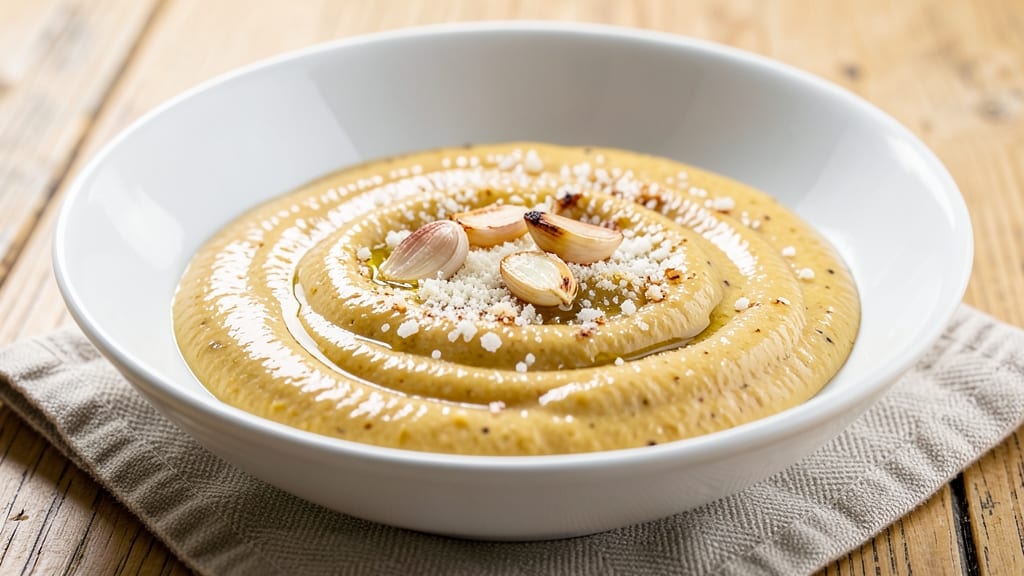
This alfredo sauce recipe with powdered parmesan cheese delivers restaurant-quality creaminess without the dreaded lumps. The secret lies in a precise technique that transforms powdered cheese into a velvety sauce with just 5 minutes of active work.
I developed this method after years of struggling with clumpy store-bought versions—now you can achieve that signature Alfredo texture at home, every time.
The key ingredients—butter, heavy cream, and powdered parmesan cheese—work together to create a sauce that's rich, smooth, and deeply savory. Unlike traditional recipes that require grating fresh cheese, this version eliminates the need for grating entirely while delivering the same luxurious results.
The powdered parmesan dissolves completely when combined with warm cream, creating a sauce that coats pasta perfectly without breaking.
What sets this recipe apart is its foolproof consistency—no straining, no lumps, and no last-minute fixes. The sauce thickens beautifully when tossed with hot pasta, creating that iconic creamy blanket you crave.
Best of all, it reheats smoothly and keeps well in the refrigerator for up to 5 days, making it ideal for meal prep or feeding a crowd.
For extra depth, consider adding a splash of white wine or a pinch of nutmeg, but the basic recipe already delivers exceptional flavor. Whether you're serving it over fettuccine or using it as a dipping sauce, this version proves you don't need fresh cheese to achieve restaurant-quality Alfredo.
Let's get started!
Ingredients for alfredo sauce recipe with powdered parmesan cheese
Three core ingredients transform powdered cheese into velvety perfection—rich butter, velvety cream, and finely milled Parmesan.
| Ingredient | Amount | Notes |
|---|---|---|
| Unsalted Butter 🧈 | ½ cup | Cold, cubed for even melting |
| Heavy Whipping Cream 🥛 | 1 ½ cups | Full-fat for maximum richness |
| Powdered Parmesan Cheese 🧀 | 1 cup | High-quality, finely milled |
| Extra-Virgin Olive Oil 🫒 | ¼ cup | For extra depth of flavor |
| Garlic Cloves 🧄 | 3 cloves | Minced, for aromatic base |
| Diamond Crystal Kosher Salt 🧂 | ½ tsp | Fine grain for even seasoning |
| Freshly Ground Black Pepper 🌶️ | ¼ tsp | For subtle heat balance |
| All-Purpose Flour 🌾 | 1 tbsp | As thickening agent |
| Dry White Wine 🍷 | ¼ cup | Optional, for depth (Sauvignon Blanc preferred) |
| Ground Nutmeg 🌿 | ⅛ tsp | Freshly grated for warmth |
The powdered Parmesan is non-negotiable for this recipe—Barilla or Kraft Premium are the gold standards, as they dissolve completely without graininess. Whole Foods and Trader Joe's carry excellent options, but avoid the generic store brands which often contain anti-caking agents that prevent smooth emulsification. For the butter, Plugrá or European-style brands have higher fat content, which is critical for achieving that signature Alfredo sheen. The heavy cream should be ultra-pasteurized for stability when reheated, and Hormel or Organic Valley are reliable choices. Pre-minced garlic from jars works in a pinch, but fresh minced garlic adds an unmistakable depth that's worth the extra 30 seconds.
No powdered Parmesan? Freshly grated Parmigiano-Reggiano combined with a pinch of cornstarch (1 tsp per 1/2 cup) creates a similar texture, though the flavor won't be identical. Substituting light cream for heavy cream will yield a lighter sauce, but it won't coat pasta as luxuriously. For the wine, dry vermouth at half the amount works if you're avoiding alcohol, though the flavor profile will differ. The flour is strictly a thickening agent—don't skip it, but measure carefully as too much will make the sauce gluey. Nutmeg is optional but recommended; if you omit it, a pinch of smoked paprika adds an interesting dimension. And if you're concerned about the sauce being too rich, add 1/4 cup whole milk at the end to lighten it slightly without compromising texture.
This sauce reheats beautifully—simply warm over medium-low heat with a splash of milk or cream to restore its silky consistency. Store in an airtight container in the fridge for up to 5 days, though the flavor actually improves after the first day as the ingredients meld. For freezing, portion into ice cube trays before transferring to a bag—this makes it perfect for quick pasta additions later. The sauce thickens as it cools, so add 1-2 tbsp milk or cream before serving if it seems too stiff. And if you make a double batch, trust me: you will use it all within the week.
Why You'll Love This Recipe
- Five-Ingredient Magic: I swear by this sauce—just butter, cream, powdered parmesan, olive oil, and garlic. No measuring cups, no fancy techniques, just melt, stir, and boom, flavor. The powdered cheese cuts prep time by half, and honestly? It’s the secret weapon I reach for when I’m too tired to grate.
- Garlic-Cream Dream: That first bite of buttery, garlicky richness? It’s like a hug in sauce form. The olive oil adds depth without overpowering, and the powdered parmesan dissolves into a velvety, umami-packed finish. My picky-eater husband actually licks the bowl—say what you will, but this sauce works.
- Weeknight to Dinner Party: Make a double batch on a Tuesday, and you’ve got Friday’s pasta covered. It’s the same simple steps, but suddenly you’re serving restaurant-quality sauce at home. Between us, my in-laws think I’m a chef after this one—no one needs to know it took 10 minutes.
- Budget-Friendly Luxury: Powdered parmesan lasts forever, and heavy cream stretches further than you’d think. I’ve used this to dress up store-bought fettuccine, roasted veggies, even as a dip—no waste, all flavor. Not the prettiest, but the taste makes up for it every time.
Step-by-step instructions for ultra-smooth Alfredo sauce
Mastering this creamy, clump-free technique transforms powdered Parmesan into restaurant-quality sauce.
Melt Butter and Infuse with Aromatics
In a medium saucepan, melt the 0.5 cup unsalted butter over medium-low heat until completely liquid but not browned. Add the 0.25 cup extra-virgin olive oil and the 3 minced garlic cloves, stirring constantly. Cook for 2-3 minutes until the garlic becomes fragrant but doesn't color—this prevents bitterness and ensures a clean, sweet garlic flavor.
Here's the thing—low heat is crucial. If you rush this step, the butter will burn before the garlic infuses properly. The oil helps distribute the garlic flavor evenly throughout the sauce. Once you see the garlic cloves soften slightly and release their aroma, you're ready for the next ingredient.
Whisk in Powdered Parmesan and Flour
Reduce heat to low and gradually whisk in the 1 cup powdered Parmesan cheese and 1 tbsp all-purpose flour. I use a wire whisk for this step—it creates a smooth paste without lumps. Whisk continuously for 2-3 minutes until the mixture becomes a thick, smooth paste with no visible powder. This is where the magic happens—the powdered cheese dissolves completely into the fat.
If you see any clumps forming, don't panic. Simply add 1-2 tablespoons of cold water and whisk vigorously until smooth. The key is patience—rushing this step is what causes those dreaded cheese clumps in traditional Alfredo recipes. The flour acts as a gentle thickener that helps bind everything together.
Gradually Incorporate Cream and Wine
Slowly pour in the 1.5 cups heavy whipping cream while whisking constantly to prevent curdling. After all the cream is added, pour in the 0.25 cup dry white wine (if using) and whisk for another 1-2 minutes until the sauce begins to thicken slightly. Keep the heat at low—you're not trying to boil this mixture, just gently combine the ingredients.
This gradual addition prevents temperature shocks that could cause the cream to separate. The wine adds acidity that balances the richness and enhances the Parmesan flavor. If you're skipping the wine, simply add an extra 1 tablespoon of water to maintain the proper consistency.
Season and Simmer to Perfection
Add the 0.5 tsp Diamond Crystal kosher salt, 0.25 tsp freshly ground black pepper, and 0.125 tsp ground nutmeg. Bring the sauce to a gentle simmer over medium-low heat, then reduce heat to maintain a bare simmer. Cook for 8-10 minutes, stirring occasionally, until the sauce thickens enough to coat the back of a spoon. It should be smooth, velvety, and hold its shape when drizzled.
Here's where texture matters most. The sauce should coat a wooden spoon completely without being gluey. If it's too thick, whisk in 1-2 tablespoons of warm water or milk to reach your desired consistency. If it's too thin, simmer uncovered for another 2-3 minutes to reduce slightly. The nutmeg adds a subtle warmth that complements the richness perfectly.
Finish and Strain for Ultra-Smooth Results
Remove the sauce from heat and let it rest for 5 minutes. This resting period allows the flavors to meld completely. For the smoothest possible texture, strain the sauce through a fine-mesh sieve into a clean saucepan. This removes any microscopic cheese particles that might affect the final texture.
Return the strained sauce to low heat just long enough to warm through—about 2-3 minutes. Serve immediately over your choice of pasta or use as a rich sauce for chicken, seafood, or vegetables. The secret to this sauce's success lies in the powdered Parmesan's ability to dissolve completely without clumping, creating a velvety texture that traditional grated cheese can't match.
Pro Tips For Making Alfredo Sauce Recipe With Powdered Parmesan Cheese
- Bloom the Garlic First: I learned this the hard way—raw garlic in Alfredo sauce tastes like a dental appointment. Mince the cloves extra fine (almost a paste) and sauté them in olive oil over medium-low heat for 2-3 minutes until they’re just golden, not brown. This softens the bite and lets the powdered parmesan shine without fighting for flavor.
- Melt Butter Slowly: Don’t rush the butter—this isn’t a race. Melt it in the saucepan over low heat until it’s fully liquid but not foaming, then whisk in the cream. If you crank the heat, you’ll end up with scrambled butter bits that turn the sauce grainy. Patience here means a silky texture.
- Whisk Like You Mean It: The powdered parmesan clumps if you’re lazy with the whisk. After adding it, keep stirring vigorously for at least 30 seconds until the sauce is completely smooth. I skip this step sometimes, and the result? Little gritty bits that ruin the whole dish. It’s not hard—just annoying to fix later.
- Balance the Cream: Heavy cream is rich, but powdered parmesan can make Alfredo taste like chalk if you’re not careful. After mixing, taste and adjust: add a splash of pasta water (yes, even if it’s not cooking yet) to thin if needed, or a pinch of salt if the cheese flavor feels flat. The sauce should coat the back of a spoon, not cling like glue.
Troubleshooting perfect results
Clumpy Texture Fix
If your sauce develops lumps during cooking, immediately remove it from heat and whisk in 1-2 tablespoons of cold water or milk while whisking vigorously. The key is to work quickly—heat causes proteins in the cream to tighten around any undissolved cheese particles, making clumps permanent.
For stubborn lumps, strain the sauce through a fine-mesh sieve to achieve that silky texture. I've found that using Barilla powdered Parmesan minimizes clumping compared to generic brands. 💫
Sauce Too Thin?
If your Alfredo sauce isn't coating the back of a spoon after simmering, it needs more body. The simplest fix is to simmer uncovered for 2-3 additional minutes to reduce the liquid.
For a quicker solution, whisk in ½ teaspoon cornstarch mixed with 1 tablespoon cold water and cook for 1 more minute. Avoid adding too much flour—it can make the sauce gluey. I've learned that patience pays off here; rushing often leads to over-thickening.
Grainy Aftertaste
This usually happens when low-quality powdered cheese doesn't dissolve properly. Always use high-quality powdered Parmesan like Kraft Premium or Whole Foods brand. If you're using fresh grated cheese, pulse it in a food processor with 1 teaspoon cornstarch before adding to the sauce.
For an immediate fix, whisk in 1 tablespoon heavy cream and simmer for 1 minute—the extra fat helps emulsify any remaining particles.
Sauce Separates When Reheating
This common issue occurs when the sauce cools too quickly. To fix it, whisk in 1 tablespoon cold water or milk while reheating over low heat. For prevention, store sauce in shallow containers so it cools evenly.
I always reheat Alfredo sauce gently, adding 1 tablespoon cream per cup of sauce to restore its velvety consistency. Never microwave—it causes separation by creating heat pockets.
Weak Parmesan Flavor
If your sauce tastes bland, you likely need more cheese. Whisk in ¼ cup additional powdered Parmesan while warm and let it sit for 5 minutes to meld. For extra depth, add ½ teaspoon white miso paste or a pinch of smoked paprika.
I've found that using aged Parmesan powder (like Parmigiano-Reggiano powder) makes a noticeable difference in flavor intensity compared to standard powdered cheese.
Burnt Garlic Taste
This happens when garlic cooks too long, turning bitter. The fix is simple: remove the pan from heat immediately and whisk in 1 teaspoon lemon juice or white wine to cut the bitterness. For future batches, keep heat at medium-low and cook garlic for only 2 minutes.
I've learned that pre-minced garlic from jars works better than fresh cloves for consistent results without burning risks. 🔥
Nutrition facts
Frequently asked questions
Why does powdered Parmesan work better than fresh for Alfredo sauce?
Powdered Parmesan dissolves completely when combined with warm cream and fat, eliminating the grainy texture that often plagues traditional recipes. The fine particles blend seamlessly, creating that signature velvety consistency without clumping. Plus, it's more convenient and delivers consistent flavor every time!
Can I make this sauce without wine?
Simply replace the 0.25 cup dry white wine with 0.25 cup additional heavy cream or water. The wine adds acidity that balances richness, but it's optional. For a non-alcoholic alternative, try apple cider vinegar (1 tsp) to mimic the brightening effect. The sauce will still be delicious!
How do I prevent lumps when making this sauce?
Whisk the powdered Parmesan and flour into the warm butter first until completely dissolved. Then gradually add the cream while whisking constantly over low heat. If lumps appear, immediately whisk in 1-2 tbsp cold water or milk to break them up. The key is patience—rushing causes clumps!
What's the best way to reheat leftovers?
Gently reheat over low heat on the stovetop, stirring frequently. Add 1 tbsp cream or milk per cup of sauce to restore its silky texture. Never microwave—it causes separation. For extra smoothness, strain through a fine-mesh sieve after reheating. The sauce thickens as it cools, so adjust consistency with warm liquid as needed.
Can I use this sauce for dishes other than pasta?
Yes! This versatile sauce works beautifully as a dipping sauce for bread or veggies, a topping for chicken or seafood, or even a creamy glaze for roasted potatoes. The rich, smooth texture makes it perfect for any dish that needs that signature Parmesan creaminess. For seafood, add a pinch of lemon zest to complement the flavors.