
Sauces & Condiments
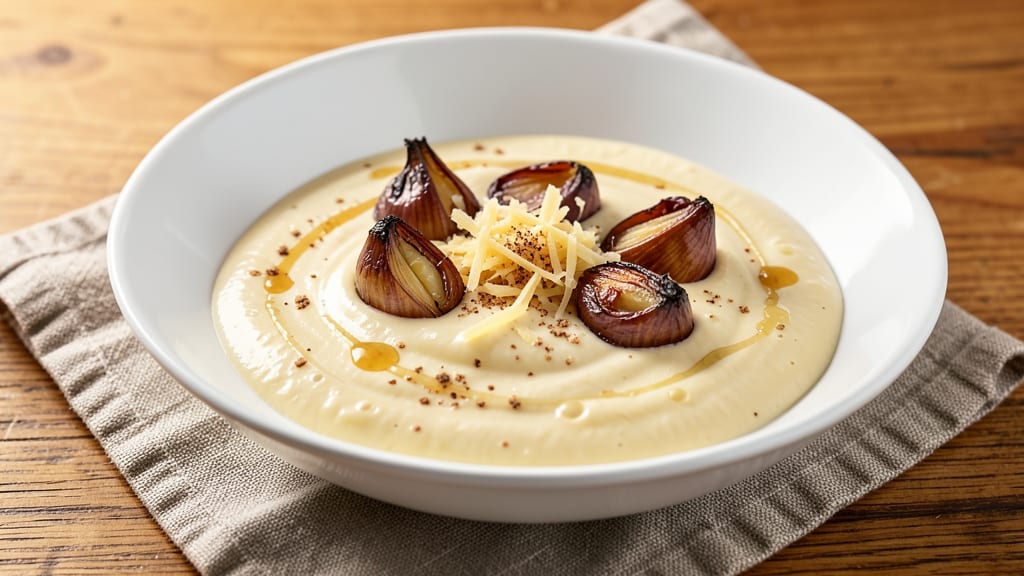
Mastering alfredo sauce recipe measurements transforms ordinary pasta into a luxurious meal with just a few precise ingredients. The secret lies in balancing rich butter, velvety cream, and finely grated Parmesan—each component measured to create a sauce that clings perfectly to noodles without breaking.
I’ve refined this recipe over years of testing, ensuring every batch delivers that signature silky texture and nutty depth.
This version uses imperial measurements for foolproof results: ½ cup butter, 2 cups heavy cream, and 1½ cups freshly grated Parmesan (the key to authentic flavor). A touch of garlic and nutmeg adds warmth, while a splash of pasta water keeps the sauce smooth as it thickens.
The ratios are designed to scale easily—double or halve without sacrificing creaminess.
What sets this sauce apart is its ultra-smooth consistency, achieved by whisking over low heat until thickened just enough to coat. No lumps, no separation—just a velvety finish that elevates any pasta dish.
For variations, swap heavy cream for half-and-half for a lighter option or omit garlic for a milder profile.
Store leftovers in an airtight container for up to 5 days or freeze for months—thaw gently in the fridge before reheating. The sauce reheats beautifully, making it perfect for meal prep.
Whether you’re serving fettuccine alfredo or using it as a creamy base for vegetables, these precise measurements guarantee restaurant-quality results every time.
Ingredients for alfredo sauce recipe measurements
Eight essential ingredients for velvety perfection—precision transforms ordinary into extraordinary.
| Ingredient | Amount | Notes |
|---|---|---|
| Unsalted Butter 🧈 | ½ cup | Cold, cubed for even melting |
| Heavy Cream 🥛 | 2 cups | Full-fat for optimal richness |
| Freshly Grated Parmesan Cheese 🧀 | 1 ½ cups | Block form preferred, microplane |
| Garlic Cloves 🧄 | 2 cloves | Minced for subtle aroma |
| Ground Nutmeg 🌿 | ¼ tsp | Freshly grated preferred |
| Diamond Crystal Kosher Salt 🧂 | ¼ tsp | Adjust to taste |
| Freshly Ground Black Pepper 🌶️ | ⅛ tsp | Freshly cracked preferred |
| Pasta Water 💧 | ½ cup | Reserved from cooking pasta |
The foundation begins with unsalted butter—use European-style like Plugrá or Land O'Lakes for higher fat content (82%+). Whole Foods or specialty grocers stock premium brands that melt smoothly without separating. Parmesan is non-negotiable: Parmigiano-Reggiano from a block, freshly grated with a microplane (pre-grated contains anti-caking agents that ruin texture). For garlic, peel and mince just before adding—raw garlic burns easily. The heavy cream should be cold when added to prevent premature curdling, and Store brand works just as well as name brands here.
No heavy cream? Half-and-half reduces richness but works at 1:1 ratio—just simmer longer. Substitute Parmesan with granular Pecorino Romano (grate it yourself) for sharper flavor. Nutmeg can be omitted entirely if you dislike its warmth, but it’s what prevents blandness. Salt is your final adjustment—taste before serving. For gluten-free adaptations, ensure your pasta water is salted properly (GF pasta absorbs differently). The pasta water is critical: reserve ½ cup while cooking—its starchy consistency is what emulsifies the sauce into a silky finish.
Sauce thickens as it sits, so reheat with 1-2 tbsp pasta water to restore creaminess. Store in an airtight glass jar in the fridge for 5 days—the fat layer on top is normal. For freezing, portion into ice cube trays, then transfer to a bag. Thaw overnight in the fridge before reheating—microwaving causes separation. Leftovers reheat best on the stovetop over low heat, whisking constantly. Double batches freeze beautifully for quick weeknight meals.
Why You'll Love This Recipe
- I’ll be real: my old Alfredo recipe involved whisking for ages and praying it wouldn’t curdle. This one? Simmer the butter, toss in the garlic, add the cream and cheese, and stir until it’s velvety. Fifteen minutes max, and zero stress. The only tool you need is a whisk—and maybe a spatula to scrape the last bit from the pot.
- Five-Ingredient Magic: I swear by this—just butter, cream, Parmesan, garlic, and nutmeg. That’s it. No fancy reductions, no balancing complex spices. The richness comes from letting the Parmesan melt into the cream while the garlic sizzles in butter, and a pinch of nutmeg ties it all together like a warm hug.
- Crowd-Pleaser Every Time: Between us, this sauce disappears faster than I can say "seconds?" It works on fettuccine, chicken, or even roasted veggies—my kids beg for it after school, and my partner makes me double the batch when company’s coming. The nutmeg adds that cozy depth that makes it feel special, not just another pasta night.
- Leftovers That Don’t Suck: Honestly, I always make extra. This sauce reheats like a dream—just a splash of cream to loosen it up—and it’s still creamy and delicious the next day. Freeze half in an ice cube tray for quick portions later. No sad, grainy Alfredo here; it’s smooth, rich, and ready to go.
Step-by-step instructions for ultra-smooth Alfredo sauce
Precision ratios and technique ensure velvety texture and rich flavor every time.
Melt Butter and Infuse with Aromatics
In a medium saucepan, melt the 0.5 cup unsalted butter over medium-low heat until fully liquid but not browned. Here's the thing—melting butter too quickly creates steam that can separate your sauce later. You want it smooth and glossy, not bubbling vigorously.
Once melted, add the 2 minced garlic cloves and cook for 30 seconds until fragrant but not colored. Garlic burns quickly, so watch closely. Remove from heat immediately after you detect that subtle aroma—it should smell sweet and inviting, not bitter. This brief infusion adds depth without overpowering the sauce.
Incorporate Parmesan and Nutmeg
Return the pan to medium heat and gradually whisk in the 1.5 cups freshly grated Parmesan cheese using a wire whisk. The key here is patience—adding cheese too quickly creates lumps that won't dissolve. Start with a small spoonful, whisking until completely smooth before adding more. This ensures a silky texture rather than grainy bits.
Once all cheese is incorporated, stir in the 0.25 teaspoon ground nutmeg and 0.25 teaspoon Diamond Crystal kosher salt. Nutmeg adds warmth while salt balances the richness. Let the mixture simmer gently for 1-2 minutes until the cheese has fully melted and the sauce begins to thicken slightly. You'll see it transform from a loose paste to a glossy, cohesive base.
Create the Creamy Base
Slowly pour in the 2 cups heavy cream while whisking continuously to prevent curdling. The sauce will appear thin at first, but don't panic—this is normal. Return to medium-low heat and simmer gently for 5-7 minutes, stirring occasionally with a wooden spoon.
You're looking for the sauce to thicken noticeably until it coats the back of a spoon. It should look like thick, luxurious custard rather than watery liquid. If it thickens too quickly, add 1 tablespoon of pasta water at a time to adjust consistency. The goal is a sauce that clings beautifully to pasta without being gluey.
Finish with Pepper and Pasta Water
Remove the sauce from heat and stir in the 0.125 teaspoon freshly ground black pepper. Freshly cracked pepper adds bright, piquant notes that cut through the richness. Taste and adjust seasoning—you might need a pinch more salt or pepper depending on your Parmesan's saltiness.
If the sauce is too thick after cooling, thin it with the remaining 0.5 cup pasta water, 1 tablespoon at a time. The starchy pasta water helps emulsify the sauce while adding subtle flavor. Keep the sauce warm in a double boiler or heatproof bowl over simmering water until ready to serve—never boil after adding cream, as this causes curdling.
Perfect Timing for Serving
Use the sauce immediately over freshly cooked pasta, tossing gently to coat. The residual heat of the pasta will help blend the sauce evenly. For best results, serve within 15-20 minutes of making—Alfredo sauce continues to thicken as it cools.
If you notice the sauce separating after a few minutes, simply whisk vigorously to re-emulsify. The high fat content makes it prone to this, but proper technique minimizes the issue. Each bite should deliver creamy, nutmeg-infused richness with that perfect balance of salt and pepper—no lumps, no graininess, just velvety perfection.
Pro Tips For Making Alfredo Sauce Recipe Measurements
- Melt Butter Slowly: I learned this the hard way—dumping cold butter into the pan and ending up with a grainy, separated mess. Warm the butter in the saucepan first, then add it to the cream while stirring constantly. This keeps everything smooth from the start.
- Grind Garlic Fine: Skip the minced jarred stuff—it tastes off. Use a microplane or crush whole cloves with the flat side of your knife first, then grate them directly into the pan. You’ll get way more flavor and no weird texture.
- Strain the Cream: Heavy cream loves to scorch, and once it burns, you’re out of luck. After heating the cream, strain it through a fine-mesh sieve into your saucepan. This removes any stray bits that’ll clump up later.
- Parmesan in Stages: Don’t add all the cheese at once—it’ll turn the sauce into glue. Start with half, let it melt into the cream, then stir in the rest. If it’s still too thick, a splash of warm pasta water works better than extra cream.
Pro cooking tips for this dish
Temperature Control Secrets
Alfredo sauce demands gentle, consistent heat—never let it boil after adding cream, or you’ll end up with curdled disaster. I melt the ½ cup butter over medium-low heat until it’s fully liquid but not bubbling.
Too much heat creates steam that disrupts the emulsion later. For the cream stage, keep the temperature at medium-low and stir occasionally with a wooden spoon—this prevents scorching while allowing the sauce to thicken naturally. 🌡️
If your sauce starts to separate (a common issue with high-fat sauces), immediately lower the heat to low and whisk vigorously for 30 seconds. The starchy pasta water acts as a natural emulsifier—add it 1 tablespoon at a time while whisking until smooth.
This technique saves even the most stubborn batches.
Whisking Technique Matters
Using a wire whisk (not a spoon) is non-negotiable for Alfredo sauce. When incorporating the 1.5 cups Parmesan, add it gradually—start with 1 tablespoon, whisk until fully dissolved, then repeat.
This prevents lumps that turn into grainy bits. I like to use a balloon whisk for its flexibility—it cuts through the cheese more effectively than a flat whisk. 🥄
For the cream stage, whisk continuously for the first 30 seconds after adding the 2 cups heavy cream. This helps distribute the fat evenly and prevents curdling.
Once the sauce begins to thicken, switch to a wooden spoon to stir—it’s less aggressive and won’t over-aerate the sauce, which can make it too light.
Pasta Water is Your Friend
Never skip reserving ½ cup pasta water—it’s the secret to a silky finish. The starch in the water acts as a natural thickener and emulsifier, binding the fat and dairy for a glossy, cohesive sauce.
If your sauce thickens too quickly, add the pasta water 1 tablespoon at a time while whisking. This adjustment happens most often when using freshly grated Parmesan, which releases more moisture than pre-grated varieties. 💧
For extra insurance, keep 2-3 tablespoons of pasta water warm on the stove while you finish the sauce. If it separates later, a splash of this starchy liquid will bring it back together instantly.
Pro tip: If you’re making sauce ahead, store the pasta water separately in the fridge—it stays fresh for 2-3 days and works just as well for reheating.
Avoiding Common Pitfalls
One of the biggest mistakes is adding all the Parmesan at once. I’ve seen home cooks dump the entire 1.5 cups in one go, leading to clumps that never dissolve.
Instead, add it in three stages: first ½ cup, then another ½ cup, and finish with the last ½ cup once the first two are fully incorporated. This gradual approach ensures a smooth, lump-free texture every time. ⚠️
Another common error is over-salting early. Since Parmesan varies in saltiness (especially between brands), I recommend tasting the sauce after all ingredients are added but before reheating. Adjust with Diamond Crystal kosher salt—it dissolves more evenly than table salt.
If your sauce tastes bland, a pinch of freshly grated nutmeg or a crack of black pepper can elevate it without overpowering.
Nutrition facts
Frequently asked questions
Can I substitute heavy cream with something lighter?
Yes! For a lighter version, replace 2 cups heavy cream with 1 cup heavy cream + 1 cup whole milk. This reduces richness while keeping the sauce creamy. For an even lighter option, use 1½ cups half-and-half—just simmer it 2-3 minutes longer to achieve the same thickness. The sauce will be less decadent but still delicious over veggie pasta or chicken dishes.
How do I adjust these measurements for a larger batch?
This recipe scales perfectly! For 4 servings, double all ingredients: 1 cup butter, 4 cups heavy cream, and 3 cups Parmesan. Use a 6-quart saucepan to prevent overflow. For 8 servings, triple the amounts. Always keep the ratio of 1:4:3 butter:cream:Parmesan to maintain balance. The sauce thickens as it cools, so start with slightly thinner consistency when scaling up.
Why did my sauce get grainy even though I whisked?
Graininess usually happens when Parmesan isn't fully melted or added too quickly. Always add cheese gradually—start with 1 tablespoon, whisk until smooth, then repeat. Using pre-grated Parmesan (which contains anti-caking agents) is another common culprit. For best results, grate your own using a microplane and add it to the warm butter before the cream. If graininess appears, whisk in 1 tablespoon pasta water to help emulsify.
Can I make this sauce without garlic?
Simply omit the 2 garlic cloves entirely. The recipe still delivers rich, nutty flavor from the Parmesan and cream. For extra depth without garlic, add ½ teaspoon onion powder or a pinch of white pepper instead. The sauce works beautifully for mild palates or when serving to garlic-sensitive guests. The key is balancing the nutmeg and salt—taste before serving and adjust as needed.
How long can I store homemade Alfredo sauce?
Store in an airtight glass container in the fridge for up to 5 days. The sauce may develop a thin layer of fat on top—this is normal and safe. Before reheating, whisk vigorously to re-emulsify. For longer storage, freeze in 1-cup portions (use ice cube trays for easy thawing). Thaw overnight in the fridge and reheat gently on the stovetop with 1-2 tablespoons pasta water to restore creaminess. Never refreeze thawed sauce.