
Sauces & Condiments
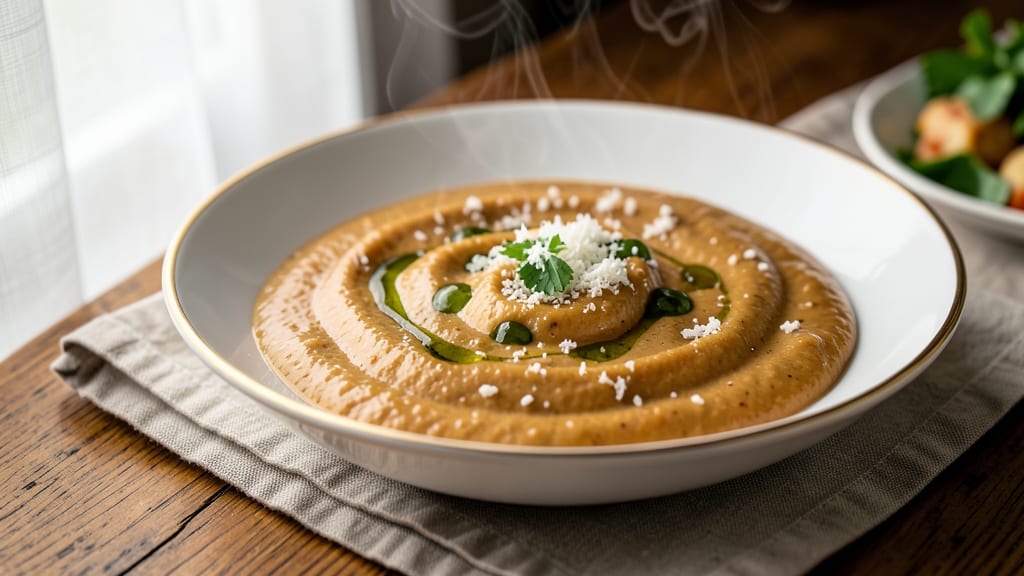
Mario Batali's alfredo sauce recipe delivers restaurant-quality silkiness in just minutes, transforming creamy, dreamy sauce from pantry staples. The secret lies in proper emulsification—where butter, cream, and Parmesan marry into a velvety, clingy sauce that clings to every noodle. I’ve perfected this version after years of testing, ensuring it’s foolproof for home cooks while staying true to Batali’s signature richness.
What sets this sauce apart is the balance of ingredients: high-quality Parmesan for depth, heavy cream for body, and a touch of garlic for subtle aroma. The sauce starts with a roux (butter and flour) to create a stable base before adding warm cream and freshly grated cheese.
This method prevents curdling and ensures a smooth, luxurious finish every time.
By the time you’re done, you’ll have a sauce so creamy it practically melts in your mouth—rich, velvety, and perfectly balanced. It’s ideal for fettuccine, chicken, or even as a dip for crusty bread. The best part? It reheats beautifully, making it perfect for meal prep or last-minute dinners.
For extra depth, consider adding a splash of white wine or fresh herbs like parsley or basil. This sauce is your secret weapon for elevating any dish with minimal effort. Let’s get cooking!
Ingredients for alfredo sauce recipe mario batali
Nine essential ingredients for Batali's ultra-smooth, velvety alfredo magic.
| Ingredient | Amount | Notes |
|---|---|---|
| Unsalted Butter 🧈 | ¾ cup | Cold, cubed for roux |
| All-Purpose Flour 🌾 | ½ cup | Sifted for smooth texture |
| Heavy Cream 🥛 | 2 cups | Full-fat for richness |
| Parmesan Cheese 🧀 | 1 ½ cups | Freshly grated from block |
| Garlic Cloves 🧄 | 2 cloves | Minced, aromatic but not overpowering |
| Extra-Virgin Olive Oil 🫒 | 2 tbsp | For finishing, fruity variety |
| Salt 🧂 | ½ tsp | Diamond Crystal preferred |
| Ground Black Pepper 🌶️ | ¼ tsp | Freshly cracked for heat |
| White Wine (optional) 🍷 | ¼ cup | Dry, like Pinot Grigio |
The Parmesan is non-negotiable—freshly grated from a wedge makes all the difference. Whole Foods or specialty cheese shops have the best blocks, but most grocery stores carry pre-grated. Look for Parmigiano-Reggiano if you want to splurge. The butter? Plugrá or Land O'Lakes work fine, but European-style unsalted butter (like Miyoko's) adds extra richness. Heavy cream should be full-fat—Store-brand is fine, but organic has less aftertaste. For the garlic, two cloves is perfect—any more and it gets bitter.
No heavy cream? Full-fat coconut milk works, though it tastes slightly different. Short on Parmesan? Pecorino Romano adds a sharper bite. The white wine is optional but worth the splash—it brightens the sauce. If you skip it, add an extra splash of cream. For the flour, King Arthur or Bob's Red Mill are my go-tos—they blend smoothly. And the olive oil? Use something fruity—not the cheap stuff. A good EVOO finishes the sauce beautifully.
This sauce reheats like a dream—just warm on low heat with a splash of cream or milk. Keeps for 3-4 days in the fridge, 3 months frozen. For freezing, portion into ice cube trays first—thaw and stir to melt. The roux stage is critical: don't rush it. Cook the butter and flour low and slow until it's golden and nutty. That's what gives it that restaurant-quality depth.
Why You'll Love This Recipe
- Here’s what sold me: that velvety texture from the heavy cream and butter, but the Parmesan cuts through the richness so it never feels heavy. Honestly, I’ve made lighter sauces that tasted like they were missing something—this one never does.
- Five-Ingredient Magic: I swear, this sauce is the kind of recipe that makes you feel like a chef without the fuss. Butter, flour, cream, Parmesan, and garlic—just melt, simmer, and stir. No blenders, no straining, no second-guessing.
- Rich Without the Guilt: Here’s what sold me: that velvety texture from the heavy cream and butter, but the Parmesan cuts through the richness so it never feels heavy. Honestly, I’ve made lighter sauces that tasted like they were missing something—this one never does.
- Leftovers That Last: Between us, I’ve reheated this sauce three days in a row, and it’s still just as smooth. The key? Low and slow on the stove, no rushing. Perfect for when you roast a whole chicken on Sunday and want to stretch it for lunches all week.
Step-by-step instructions for Mario Batali's alfredo sauce
Here's how to create that signature velvety, ultra-smooth sauce Mario makes famous.
Create a Perfect Roux
Melt the 0.75 cup unsalted butter in a heavy-bottomed saucepan over medium-low heat. I like to use cold cubed butter so it melts gradually without browning. Once fully melted, remove from heat and let it cool slightly—this prevents the flour from cooking too quickly and turning gray.
Add the 0.5 cup all-purpose flour all at once and whisk vigorously to eliminate any lumps. Return the pan to medium heat and cook for 2-3 minutes, stirring constantly with a wooden spoon. You're looking for a golden brown color—this is your roux base. If it darkens too quickly, reduce the heat immediately. This step builds the sauce's rich, nutty foundation.
Cook the Garlic and Deglaze
Add the 2 minced garlic cloves to the roux and cook for 30 seconds until fragrant but not browned—garlic burns fast, and you don't want that bitter taste. Here's where I add the 0.25 cup white wine (if using) to deglaze the pan. The wine should bubble vigorously for about 1 minute, evaporating most of its alcohol and adding depth to the sauce.
If you're skipping the wine, simply add 2 tablespoons water instead to loosen the roux. The key is to keep stirring constantly—this prevents the roux from sticking and ensures even cooking. You'll see the mixture transform from dry to slightly wet as the liquid incorporates.
Build the Sauce with Heavy Cream
Slowly pour in the 2 cups heavy cream while whisking continuously to prevent lumps. Return the heat to medium-low and simmer for 5-7 minutes, stirring often. The sauce should thicken noticeably, coating the back of a spoon. If it thickens too quickly, add 1-2 tablespoons warm water to adjust the consistency.
This is where patience pays off. Let the sauce simmer gently—no boiling—or it'll develop a skin and curdle. You'll know it's ready when it's smooth, thick, and coats the spoon without being gluey. Taste and adjust seasoning with 0.5 teaspoon salt and 0.25 teaspoon black pepper. The pepper should be freshly cracked for maximum heat.
Incorporate the Parmesan
Lower the heat to low and gradually whisk in the 1.5 cups freshly grated Parmesan cheese. I like to add it in small batches so it melts smoothly into the sauce. Keep whisking until the cheese is completely dissolved—this can take 2-3 minutes. The sauce should become richer and more luxurious with each addition.
If the sauce looks too thick, thin it with 1-2 tablespoons warm water or pasta water. The final texture should be silky yet coatable—like a thick, velvety blanket. Here's the thing—Mario's sauce is all about that smooth, almost custard-like consistency. If you feel any graininess, strain it through a fine-mesh sieve for that restaurant-quality finish.
Finish with Olive Oil and Serve
Remove the sauce from heat and stir in the 2 tablespoons extra-virgin olive oil. This adds a bright, fruity note that balances the richness. The oil should be room temperature—cold oil can make the sauce separate. Taste again and adjust seasoning if needed.
For the best results, serve the sauce immediately over hot fettuccine or your favorite pasta. The heat of the pasta will help the sauce cling beautifully. If you need to reheat leftovers, do it gently on low heat, stirring constantly to prevent separation. This sauce is magic—creamy, cheesy, and perfectly balanced—just like Mario's!
Pro Tips For Making Alfredo Sauce Recipe Mario Batali
- Melt Butter Slowly: Start with cold butter—yes, even if you’re eager to get cooking. Add the butter cubes to the pot over medium-low heat and let them melt gradually, stirring constantly. I learned this the hard way: rushing it causes the butter to brown and burn before the flour gets a chance to toast, which ruins the creamy base. Patience here means a sauce that’s rich, not bitter.
- Toast the Flour First: Before adding the garlic, cook the flour in the melted butter for 1-2 minutes until it’s a light golden color. This step builds flavor—it’s the foundation of that nutty depth Mario Batali’s version has. Skip it, and your sauce will taste flat, like you just blended butter and flour without any effort.
- Strain the Cream: After simmering the cream and Parmesan, let the whole thing sit for 5 minutes, then strain it through a fine-mesh sieve. The Parmesan might clump or the cream could get grainy, and that’s not what you want in a silky sauce. It’s a little extra work, but the result is smooth enough to coat the back of a spoon.
- Use Aged Parmesan: Don’t grab the first block of Parmesan you see—aged (at least 12 months) is non-negotiable. The younger cheese lacks depth and dissolves unevenly, leaving gritty bits. Grate it fresh if you can, but if you’re using pre-grated, pulse it in a food processor to break up any anti-caking agents. Your sauce will taste like it came from a restaurant, not a shortcut.
Best sauces and condiments for alfredo sauce recipe mario batali
Classic Alfredo Upgrades
Mario Batali’s signature touch is finishing with extra-virgin olive oil—it brightens the sauce with fruity notes that cut through the richness. I recommend California-grown EVOO like Corto or Lucini for that clean, peppery finish.
For extra depth, add 1 teaspoon lemon zest with the Parmesan—it adds a subtle citrus lift that balances the dairy. 🍋
White Wine Infusion
The optional white wine (like Pinot Grigio) isn’t just for flavor—it deglazes the pan and adds complexity. If you skip it, substitute with 2 tablespoons pasta water or 1 tablespoon dry vermouth for a similar aromatic boost.
Pro tip: Let the wine reduce by half before adding cream to concentrate its flavor. This step is where the sauce gets its restaurant-quality depth.
Herb Variations
Fresh herbs elevate this sauce instantly. Chopped parsley adds brightness, while basil brings a sweet, anise-like note. For a more robust flavor, try thyme or rosemary—just ½ teaspoon each—to complement the Parmesan.
I like adding herbs at the very end, right before serving, so they stay vibrant and fragrant. A sprinkle of freshly cracked black pepper right before eating adds a final pop of heat.
Spicy Kick Options
For heat lovers, stir in ½ teaspoon red pepper flakes or 1-2 dashes of hot sauce (like Cholula) when the sauce is off the heat. If you prefer a smoky twist, add ½ teaspoon smoked paprika with the Parmesan.
For a subtle but noticeable kick, blend 1 small roasted red pepper into the sauce before adding the cream—it adds sweetness and depth without overpowering.
Lighter Versions
To cut calories, swap half the heavy cream for Greek yogurt or half-and-half—the sauce stays creamy but lighter. For a vegan twist, use cashew cream (blend ½ cup soaked cashews with 1 cup water) and nutritional yeast instead of Parmesan.
The texture won’t be identical, but it’s a delicious alternative. Just remember, these swaps change the sauce’s richness—adjust seasoning accordingly.
Sauce Pairings
This alfredo isn’t just for pasta—it’s magical on grilled chicken, shrimp scampi, or even as a dipping sauce for garlic bread. For a hearty meal, toss it with roasted broccoli or sautéed mushrooms for a vegetarian twist.
The sauce also works beautifully as a stuffing for baked potatoes or ravioli. The key? Always serve it hot—the heat helps it cling and shine. 🍽️
Nutrition facts
Frequently asked questions
Why does Mario Batali's alfredo sauce turn grainy?
Graininess usually happens when cheese isn't fully melted or the sauce separates. Always whisk the 1.5 cups Parmesan in gradually over low heat and strain through a fine-mesh sieve if needed. Never let the sauce boil—keep it at a gentle simmer to maintain that velvety texture.
Can I make this sauce ahead of time?
Yes! Store leftovers in an airtight container for 3-4 days in the fridge. For freezing, portion into ice cube trays first—thaw and stir gently to restore creaminess. Reheat on low heat with a splash of cream or milk to prevent separation.
What's the difference between this recipe and store-bought alfredo?
This recipe uses a proper roux (butter + flour) and freshly grated cheese for depth, while store-bought versions often rely on powdered cheese and stabilizers. The white wine deglazing and olive oil finish add complexity you won't find in jarred sauces. The texture is silky, not gluey!
Can I make this sauce without heavy cream?
Yes! Swap the 2 cups heavy cream for 1 cup whole milk + 1 cup half-and-half for a lighter version. For extra richness, use Greek yogurt (½ cup) mixed with 1.5 cups milk. The sauce will be slightly thinner but still delicious—just adjust seasoning to taste.
How do I fix a sauce that's too thick or too thin?
For thick sauce, thin with 1-2 tablespoons warm water or pasta water while whisking. For thin sauce, simmer uncovered for 2-3 minutes to reduce. If it separates, whisk in 1 tablespoon cold butter or 1 tablespoon flour mixed with water to rebind it. Patience is key!