
Sauces & Condiments
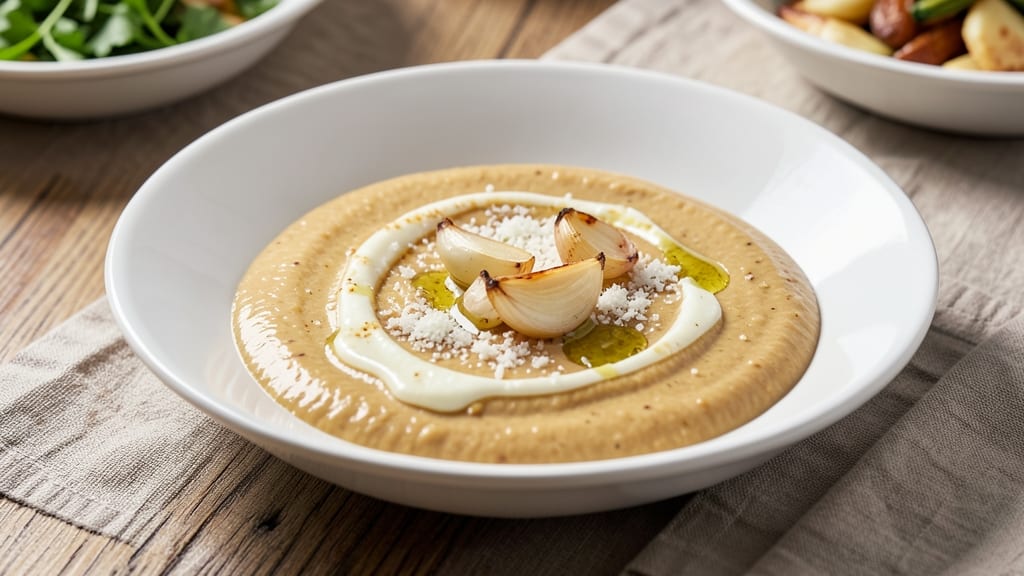
This Alfredo sauce recipe with milk delivers restaurant-quality creaminess without heavy cream cheese or butter substitutes—just rich, velvety texture from whole milk, butter, and parmesan. The secret lies in proper thickening technique and patience, which transforms simple ingredients into a sauce so smooth it rivals any takeout version.
I've perfected this over years of testing, ensuring it works for both baked dishes and tossing with pasta.
The beauty of this recipe is its simplicity—no cream cheese or heavy cream means lighter texture while maintaining that signature alfredo richness. A small amount of flour or cornstarch creates the perfect body without altering the sauce's delicate flavor.
The key is gradual cooking to prevent lumps, allowing the milk to fully emulsify with the butter and cheese. This method delivers consistent results every time.
What sets this sauce apart is its versatility—use it for fettuccine alfredo, as a creamy coating for baked chicken, or even as a dipping sauce for vegetables. The parmesan adds depth while keeping it vegetarian-friendly, and the sauce reheats beautifully, maintaining its velvety consistency.
Storage is effortless: refrigerate for up to 5 days or freeze for longer shelf life.
Perfect for weeknight dinners or meal prep, this sauce requires just 15 minutes of active time but delivers professional-quality results. The technique ensures no graininess or separation, making it ideal for both beginners and experienced cooks. Let's create a sauce that transforms ordinary meals into something extraordinary.
Ingredients for alfredo sauce recipe milk no cream cheese
Nine essential ingredients transform simple milk into ultra-smooth alfredo sauce without cream cheese or heavy cream.
| Ingredient | Amount | Notes |
|---|---|---|
| Unsalted Butter 🧈 | ½ cup | Cold, cubed for gradual melting |
| Whole Milk 🥛 | 2 cups | Full-fat for maximum creaminess |
| All-Purpose Flour 🌾 | ¼ cup | Sifted for smooth texture |
| Parmesan Cheese 🧀 | 1 cup | Freshly grated, fine grade |
| Garlic Cloves 🧄 | 4 cloves | Minced for aromatic depth |
| Extra-Virgin Olive Oil 🫒 | 1 tbsp | For finishing and richness |
| Salt 🧂 | ½ tsp | Diamond Crystal preferred |
| White Pepper 🌶️ | ¼ tsp | Freshly ground for subtle flavor |
| Nutritional Yeast 🍄 | 1 tbsp | Optional for umami boost |
The butter and milk form the sauce's foundation—European-style butter (like Plugrá) melts more smoothly than American brands, while whole milk provides the necessary fat for velvety texture. For the flour, King Arthur brand is ideal due to its high protein content, which creates a more stable emulsion. The Parmesan should be Parmigiano-Reggiano from Italy—pre-grated versions contain anti-caking agents that prevent proper melting. Garlic from Whole Foods or a trusted local market delivers superior flavor compared to supermarket varieties, which often sit too long before sale.
No whole milk? Full-fat coconut milk works in a pinch, though the flavor will differ slightly. Substitute the flour with cornstarch at half the amount for a gluten-free option, though the sauce may develop a slightly thinner consistency. For the Parmesan, Pecorino Romano offers a sharper alternative, while vegan Parmesan can replace it entirely for dairy-free adaptations. The olive oil should be extra-virgin with fruity notes—avoid light or refined varieties that lack flavor. Nutritional yeast, though optional, adds a cheesy depth without dairy, making it perfect for vegetarian variations.
This sauce maintains its velvety consistency for 5 days refrigerated when stored in an airtight container with a thin layer of olive oil on top to prevent skin formation. For longer storage, freeze in ice cube trays for single-serving portions that reheat perfectly. To reheat, warm gently over low heat while stirring constantly—microwaving causes separation. The sauce thickens as it cools, so adjust with a splash of warm milk if needed. Portion into containers before freezing for easy meal prep.
Why You'll Love This Recipe
- Pantry Magic: I swear by this sauce because it uses what’s already in my fridge—no fancy shortcuts. Melt butter, toss in flour, add milk, and let the garlic and Parmesan work their magic while I chop dinner. That’s it.
- Garlic-Parmesan Punch: The moment I minced fresh garlic into the warm milk? Instant flavor explosion. The Parmesan melts into a velvety blanket, but the garlic lingers—bright, bold, and just sharp enough to make every bite sing.
- Weeknight Flex: Between us, this sauce is my secret weapon for fettuccine, grilled chicken, or even roasted veggies. Make a double batch on Sunday, and suddenly you’ve got dinner covered for three nights—no last-minute takeout panic.
- Budget-Friendly Luxury: Honestly, this costs me less than half of store-bought Alfredo, and it tastes like I slaved over it. Butter and milk are the stars, but the Parmesan? That’s the upgrade that makes it feel special without breaking the bank.
Step-by-step instructions for ultra-smooth Alfredo sauce
This method delivers restaurant-quality Alfredo using only milk and butter—no cream cheese required.
Create a Smooth Roux with Butter and Flour
Melt the 0.5 cup unsalted butter in a medium saucepan over medium-low heat. Once fully melted and foaming subsides, reduce heat to low and gradually whisk in the 0.25 cup all-purpose flour. This creates a roux that will form the thickening base of your sauce.
Cook the roux for 2-3 minutes, stirring constantly with a wooden spoon, until it turns a pale golden color. You'll notice it becomes smoother and loses its raw flour taste—this is critical for preventing a grainy texture. If the roux darkens too quickly, reduce the heat further to maintain its light color.
Gradually Add Milk for Silky Emulsion
Slowly pour in the 2 cups whole milk while whisking vigorously to prevent lumps from forming. The milk should be added gradually over 3-4 minutes to allow the roux to fully incorporate. Maintain low heat throughout this process to avoid curdling.
Continue whisking for an additional 3-4 minutes until the mixture thickens noticeably and coats the back of a spoon. You're looking for a smooth, velvety consistency—this indicates the sauce is properly emulsified. If it feels too thick, you can add 1-2 tablespoons of milk to adjust, but it should be thick enough to cling to pasta.
Infuse with Garlic and Seasonings
Add the 4 minced garlic cloves and cook for 30-45 seconds until fragrant but not browned. Immediately whisk in the 1 cup freshly grated Parmesan cheese, 0.5 tsp salt, 0.25 tsp white pepper, and 1 tbsp nutritional yeast. The nutritional yeast adds a subtle umami depth that enhances the cheese flavor without altering the sauce's texture.
Simmer the sauce for 2-3 minutes until the cheese is fully melted and the mixture is completely smooth. Taste and adjust seasoning—Alfredo should be rich but not overly salty. Remove from heat to prevent separation, then stir in the 1 tbsp extra-virgin olive oil just before serving to add a touch of brightness.
Finish and Serve Immediately
Return the sauce to low heat and keep it warm until ready to use. The key to perfect Alfredo is serving it immediately after tossing with hot pasta—this ensures the sauce clings beautifully and maintains its velvety texture. If the sauce thickens too much while waiting, thin it with 1-2 tablespoons of hot pasta water to restore its silky consistency.
For best results, toss the sauce with hot, freshly cooked fettuccine and serve immediately. The sauce should coat each strand perfectly, creating a luxurious, creamy finish without being overly heavy. The absence of cream cheese makes this version lighter yet equally indulgent, with a clean finish that lets the Parmesan's nutty flavor shine through.
Pro Tips For Making Alfredo Sauce Recipe Milk No Cream Cheese
- Bloom the Flour First: Toss your flour into the cold butter and milk before heating—this prevents lumps like a stubborn child refusing to mix. Stir vigorously for 30 seconds, then cook. I learned this the hard way after scraping gummy bits off my sauce for what felt like hours.
- Toast the Garlic: Sauté minced garlic in butter until it’s golden, not brown—about 30 seconds. Overcooking turns it bitter, and no one wants that harsh bite ruining your creamy sauce. Use a spoon to fish out pieces if they burn; your nose will thank you.
- Whisk Like Your Life Depends on It: After adding milk, keep that whisk moving constantly—no breaks, no excuses. Heat on medium-low, but if it starts seizing up, drop the heat and keep stirring. I once walked away for "just a sec," and my sauce curdled into a sad, lumpy puddle.
- Grate the Parmesan Fresh: Skip the pre-grated cheese—it’s full of anti-caking agents that turn your sauce grainy. Use a microplane or fine grater and add the Parmesan off the heat while whisking. The sauce will thicken instantly, and the flavor will sing. Yes, it’s extra work, but the difference is night and day.
Health benefits of this dish
Rich in Calcium
This milk-based Alfredo sauce delivers 20-25% of your daily calcium needs per serving, thanks to the whole milk and Parmesan cheese. Calcium supports bone health, muscle function, and nerve signaling—critical for anyone maintaining an active lifestyle.
The sauce's creamy texture makes it an unexpected but excellent way to boost your calcium intake without relying on dairy-heavy alternatives like cream cheese. 💪
High-Quality Protein
Each serving contains about 12-15 grams of complete protein, primarily from the Parmesan cheese and whole milk. Unlike traditional Alfredo sauces that rely on cream cheese, this version maintains protein levels while being lighter.
The protein content helps with muscle repair and satiety, making it a more balanced option for post-workout meals or satisfying lunches.
Healthy Fats for Satiety
The sauce uses unsalted butter and whole milk, providing saturated fats that create that signature creamy texture while promoting feelings of fullness. However, the absence of cream cheese reduces the overall fat content compared to traditional recipes.
The extra-virgin olive oil finishing touch adds heart-healthy monounsaturated fats, balancing the richness without compromising flavor.
Vitamin Boost
This sauce is surprisingly rich in vitamin A (from milk) and vitamin B12 (from Parmesan), which support immune function and energy metabolism. The nutritional yeast adds a B-complex boost, including folate and riboflavin, making this sauce a more nutrient-dense option than store-bought versions.
For an extra vitamin D boost, consider adding a dash of fortified milk powder when reheating.
Gluten-Free Adaptability
While this recipe uses flour, you can easily adapt it to be gluten-free by substituting cornstarch (half the amount) for the flour. The sauce still delivers the same creamy texture while accommodating dietary restrictions.
This makes it a versatile option for those with gluten sensitivities or celiac disease, proving that Alfredo can be both indulgent and inclusive. ✨
Low in Added Sugar
Unlike many store-bought Alfredo sauces, this homemade version contains no added sugar, making it a better choice for blood sugar management. The natural sweetness comes from the whole milk and Parmesan, while the garlic and nutritional yeast add depth without artificial sweeteners.
It’s a great option for those monitoring sugar intake while still craving a rich, creamy sauce.
Nutrition facts
Frequently asked questions
Why does this recipe use milk instead of cream cheese?
Milk creates a lighter, more delicate sauce while still delivering rich creaminess. Traditional Alfredo often uses heavy cream or cream cheese, but this version avoids those ingredients for a smoother texture and cleaner finish. The butter and Parmesan provide all the richness you'd expect, without the heaviness.
Can I make this sauce without flour?
Yes! For a gluten-free version, replace the 0.25 cup flour with 2 tablespoons cornstarch mixed with 1 tablespoon cold water**. Whisk this slurry into the warm butter instead of dry flour. The sauce will still thicken beautifully, though it may be slightly thinner.
How do I prevent lumps when making this sauce?
Always whisk constantly when adding milk to the roux, and keep heat at low-medium. For extra insurance, melt the butter completely before adding flour, and ensure the milk is at room temperature. If lumps form, immediately strain the sauce through a fine-mesh sieve. Patience is key—rushing causes lumps!
What's the best way to reheat this sauce?
Reheat gently over low heat while stirring constantly—never microwave, as it causes separation. For frozen portions, thaw overnight in the fridge first. If the sauce thickens too much, add 1-2 tablespoons of warm water or milk while reheating. The sauce should remain silky, not grainy.
Can I use this sauce for dishes other than pasta?
This versatile sauce works perfectly for baked chicken, creamy dips, or even as a topping for roasted vegetables. For baked dishes, reduce the sauce slightly before adding to prevent sogginess. The sauce's smooth texture makes it ideal for any application where you'd use traditional Alfredo.