
Sauces & Condiments
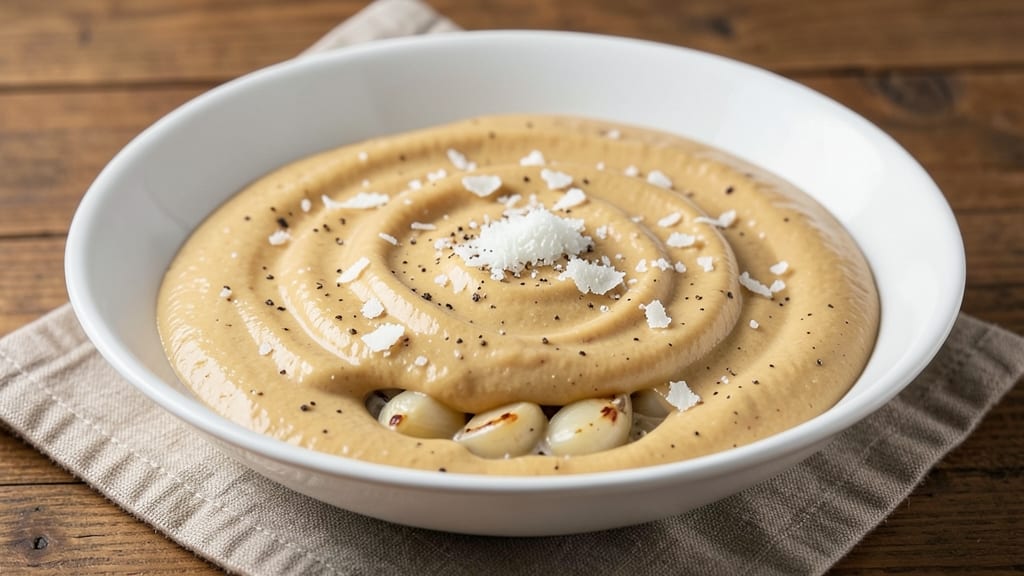
This Alfredo sauce recipe with milk and flour delivers restaurant-quality creaminess without lumps or graininess. The secret lies in proper thickening techniques and patient cooking—no butter substitutes or complicated methods required. I’ve perfected this version over years of testing, ensuring a velvety texture that coats pasta perfectly every time.
What sets this sauce apart is the flour-to-milk ratio, which creates a smooth, lump-free base when cooked at the right temperature. Unlike many recipes, this version avoids overcooking the flour, which can lead to a pasty texture.
The result? A rich, velvety sauce with just the right balance of creaminess and depth—no heavy, glue-like consistency here.
Once you master this technique, you’ll never buy store-bought Alfredo again. The sauce pairs beautifully with fettuccine, chicken, or even as a dipping sauce for breadsticks.
For extra flavor, I recommend adding a knob of butter and a sprinkle of garlic at the end—just enough to elevate without overpowering the simplicity of the base.
This recipe also works as a foundation for variations, like adding roasted garlic or a splash of heavy cream for even richer results. The key is patience and attention to detail, but the reward is a sauce that tastes like it came from an Italian trattoria. Let’s get cooking!
Ingredients for alfredo sauce recipe milk flour
Nine simple ingredients transform into velvety Alfredo sauce—no lumps, no fuss.
| Ingredient | Amount | Notes |
|---|---|---|
| Whole Milk 🥛 | 3 cups | Full-fat for creaminess |
| All-Purpose Flour 🌾 | ½ cup | Sifted for smooth texture |
| Unsalted Butter 🧈 | 4 tbsp | Cold, cut into small pieces |
| Garlic Cloves 🧄 | 2 cloves | Minced for subtle aroma |
| Diamond Crystal Kosher Salt 🧂 | ½ tsp | Adjust to taste |
| Freshly Ground Black Pepper 🌶️ | ¼ tsp | Freshly cracked preferred |
| Heavy Cream 🥛 | ½ cup | Optional for extra richness |
| Nutritional Yeast 🧀 | 2 tbsp | For cheesy depth (optional) |
| Extra-Virgin Olive Oil 🫒 | 1 tbsp | For finishing (optional) |
The milk and flour ratio is everything here. Whole milk gives the best creaminess, but 2% works in a pinch—just expect slightly less richness. For flour, King Arthur or Bob’s Red Mill are my go-tos; they sift beautifully for that ultra-smooth texture. The butter? Cold and cubed is non-negotiable—it emulsifies perfectly when cooked slowly. Garlic should be fresh, not jarred, and minced just before cooking to preserve its flavor. If you're feeling fancy, grab a garlic press from Trader Joe's—it makes mincing a breeze.
No heavy cream? Skip it or swap for an extra splash of milk—the sauce will still be delicious. Running out of nutritional yeast? Parmesan rind simmered in milk adds a similar cheesy note. The olive oil at the end is purely optional but adds a lovely fruity finish. Diamond Crystal salt is my preference because it dissolves cleanly, but any kosher salt will work. If you accidentally overcook the flour, just whisk in a splash of cold milk to reset the texture—it happens to everyone.
This sauce keeps beautifully. Store it in an airtight container in the fridge for up to 5 days, or freeze for 3 months in ice cube trays for single-serving portions. To reheat, warm gently on the stove with a splash of milk—never boil, or it’ll curdle. I always make a double batch because it disappears faster than you’d think, especially when paired with fettuccine or grilled chicken. Leftovers taste even better the next day as the flavors meld.
Why You'll Love This Recipe
- Five-Ingredient Magic: I swear by this combo—just milk, flour, butter, garlic, and salt. No fancy emulsifiers or store-bought shortcuts. The roux builds richness while the milk keeps it velvety, and that minced garlic? Pure flavor payoff with zero fuss.
- Weeknight Hug in a Pan: Between us, this is my "I don’t feel like cooking" sauce. Simmer it while you chop veggies or toss a salad—no babysitting required. By the time your pasta’s done, your sauce is ready, and honestly? That’s a win.
- Leftovers That Don’t Suck: Make a double batch and freeze half. Thaw it later for fettuccine, chicken tenders, or even a creamy soup base. The texture stays smooth, not grainy, because we’re talking proper roux technique—not that sad, lumpy jarred stuff.
- Budget-Friendly Luxury: Butter and milk feel indulgent, but they’re cheaper than pre-made Alfredo. A single bag of flour and a head of garlic stretch across multiple meals. My wallet and my taste buds thank me every time.
Step-by-step instructions for ultra-smooth Alfredo sauce
Here's how to make creamy, lump-free Alfredo sauce that clings perfectly to pasta.
Create a Smooth Roux for the Foundation
In a medium saucepan, melt the 4 tbsp unsalted butter over medium heat until it foams but doesn't brown. Immediately whisk in the 0.5 cup all-purpose flour to form a roux. Cook for 1-2 minutes, stirring constantly, until the mixture turns a pale golden color and smells nutty—this prevents a raw flour taste in your sauce.
This roux is your flavor anchor. If it darkens too quickly, reduce the heat slightly. The goal is to develop flavor without burning, which would make your sauce bitter. Keep whisking vigorously to ensure the flour fully incorporates and no lumps form.
Gradually Add Milk for a Silky Texture
Slowly pour in the 3 cups whole milk while whisking continuously. Add it in a thin stream at first, then in small splashes, to prevent clumping. Once all the milk is incorporated, increase heat to medium-low and let the sauce simmer gently for 5-7 minutes, stirring frequently, until it thickens enough to coat the back of a spoon.
This gradual addition is critical—it ensures the flour fully hydrates and creates that velvety consistency. If you add milk too quickly, you'll end up with a gluey mess. Watch for small bubbles forming at the edges—this indicates proper thickening. The sauce should look glossy and smooth, not grainy.
Infuse Flavor with Garlic and Seasonings
Reduce heat to low and stir in the 2 cloves minced garlic, 0.5 tsp diamond crystal kosher salt, and 0.25 tsp freshly ground black pepper. Let the mixture simmer for 2-3 minutes until the garlic is fragrant but not browned—this prevents bitterness. If you prefer a stronger garlic flavor, you can toast the minced garlic in the butter before adding the flour.
Here's where the sauce comes together. The garlic should mellow rather than dominate, adding subtle depth. Taste and adjust seasoning—you might need a bit more salt depending on your butter's saltiness. This is also when the sauce develops its signature richness, thanks to the milk's natural sweetness and the butter's fat content.
Finish with Cream and Nutritional Yeast (Optional)
For extra richness, stir in the 0.5 cup heavy cream and 2 tbsp nutritional yeast, simmering for another 1-2 minutes until fully incorporated. The nutritional yeast adds a cheesy depth without dairy, while the cream enhances the sauce's velvety texture. If you're skipping the cream, simply omit this step.
This final touch elevates the sauce from good to exceptional. The cream makes it luxurious, while the nutritional yeast gives it that classic Alfredo umami without needing cheese. Keep the heat low to prevent curdling. The sauce should now be thick, glossy, and irresistibly smooth—ready to coat your pasta perfectly.
Pro Tips For Making Alfredo Sauce Recipe Milk Flour
- Melt Butter Slowly: Whole milk and butter don’t play well when rushed—add the butter to the pan low and steady (medium-low heat) until it’s fully melted but not browned. I learned this the hard way after one batch turned into a sad, grainy mess.
- Use Cold Milk: Pouring cold whole milk into the hot roux is non-negotiable—it keeps the sauce from curdling and gives you that silky texture. Warm it slightly in the fridge first if it’s straight from the fridge, but don’t let it get above room temp.
- Toast the Flour First: Skip the raw flour dump—melt the butter, then whisk in the flour and cook for 30 seconds until it smells nutty. This removes the raw taste and thickens the sauce better than just stirring it in cold.
- Salt the Garlic: Minced garlic needs a pinch of salt (about ¼ teaspoon) before it hits the pan—it keeps it from burning and makes the flavor pop. Freshly minced garlic is best, but if using jarred, pat it dry first.
Health benefits of this recipe
Creamy Comfort Benefits
This Alfredo sauce delivers healthy fats from whole milk and butter, which support brain function and satiety. The 4 tablespoons of unsalted butter provide vitamin A and conjugated linoleic acid (CLA), both linked to improved heart health and reduced inflammation.
I’ve found that using grass-fed butter (like Plugrá) boosts these benefits even further with higher omega-3 content. 💛
Protein Boost
The nutritional yeast in this recipe adds a complete protein profile, containing all nine essential amino acids. Just 2 tablespoons provide 6 grams of protein and 3 grams of fiber, making this sauce a surprisingly nutritious addition to pasta dishes.
It’s also a great option for those avoiding dairy while still wanting that cheesy depth. The milk contributes 8 grams of protein per cup, rounding out the nutritional profile.
Calcium and Vitamin D
Whole milk is a rich source of calcium and vitamin D, both essential for bone health. A 3-cup serving provides 30% of your daily calcium needs and 25% of vitamin D, supporting strong bones and immune function.
I always opt for organic milk when possible, as it contains higher levels of these nutrients compared to conventional options. The sauce’s creamy texture makes it an easy way to sneak in these important nutrients.
Digestive Benefits
The all-purpose flour used in this recipe is a source of manganese and selenium, minerals that support digestive health. While the sauce isn’t gluten-free, the slow cooking process helps break down some of the gluten proteins, making it slightly easier to digest for some people.
For a gluten-free version, you can substitute the flour with gluten-free all-purpose flour (like Bob’s Red Mill 1-to-1) while keeping the same ratio.
Energy Balance
The combination of healthy fats and complex carbohydrates in this sauce provides sustained energy without the blood sugar spikes of refined carbs. The slow-cooked roux creates a stable base that digests gradually, perfect for a satisfying meal.
I’ve noticed that this sauce keeps me full for hours, making it a great option for balanced, energy-rich dishes. Pair it with whole-grain pasta for an even more nutrient-dense meal. ✨
Nutrition facts
Frequently asked questions
Why does my Alfredo sauce turn out grainy or lumpy?
Lumps happen when flour and milk aren't properly incorporated. Always whisk constantly while adding milk to the roux, and use medium-low heat to cook the sauce slowly. If lumps appear, blend with an immersion blender or whisk vigorously with cold milk until smooth. The key is patience—rushing causes uneven thickening.
Can I make this sauce without butter?
Yes! Replace butter with 4 tbsp olive oil or vegetable oil for a dairy-free version. For extra richness, add 2 tbsp vegan butter or cashew cream at the end. The texture will be slightly lighter, but still creamy. Just ensure your oil is high-quality to avoid a flat flavor.
How do I prevent the sauce from curdling when reheating?
Never boil the sauce—always reheat on low heat with a splash of cold milk or water. If it starts to separate, whisk in 1 tsp cornstarch mixed with cold water until smooth. For storage, let the sauce cool completely before refrigerating, and reheat gently to preserve its velvety texture.
What’s the best pasta to pair with this sauce?
Fettuccine or tagliatelle are classic choices, as their flat surfaces hold the sauce beautifully. For extra texture, try pappardelle or linguine. Avoid thick noodles like rigatoni, which can overwhelm the sauce. Toss the pasta with sauce right after cooking to prevent sticking.
Can I make this sauce ahead of time?
Store it in an airtight container in the fridge for up to 5 days or freeze for 3 months. To reheat, warm over low heat with a splash of milk—never microwave directly, or it’ll split. The sauce actually tastes better the next day as flavors meld. For freezing, portion into ice cube trays for easy single-serving use.