
Main Courses
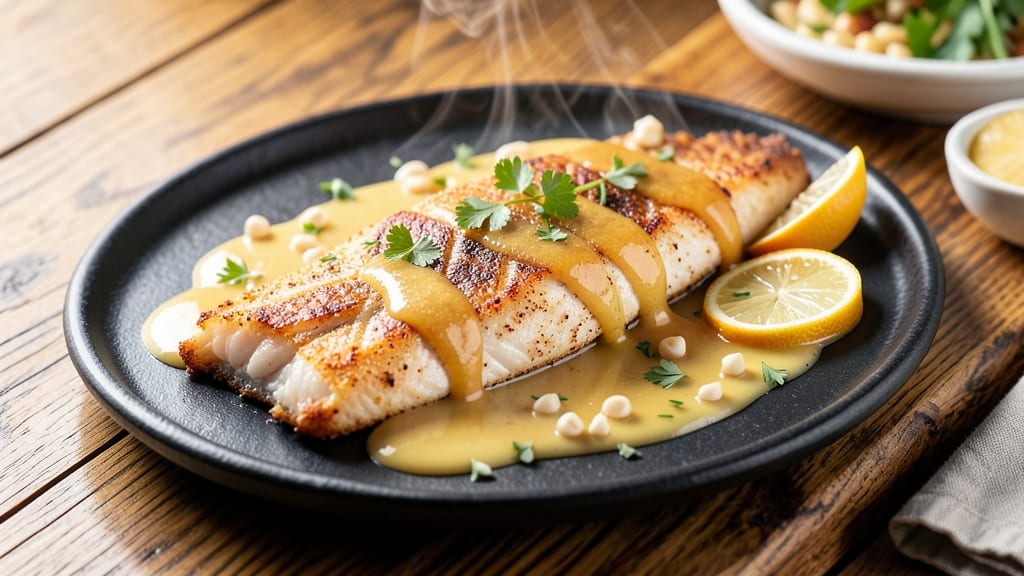
Pan-fried fish with lemon butter sauce delivers that perfect balance of crispy skin and tender flesh, all in just 20 minutes. I remember the first time I made this recipe—my husband took one bite and declared it "restaurant-quality," which is exactly what we're aiming for here. The secret lies in the high-heat pan-frying technique and that bright, tangy sauce that cuts through the richness of the fish.
The key to achieving that crispy crust is using the right temperature and a dry pan. You'll want to heat your skillet until it's smoking hot before adding the fish, which ensures the skin crisps up beautifully while the inside stays flaky and moist.
Meanwhile, the lemon butter sauce comes together in minutes with just a few simple ingredients—fresh lemon juice, melted butter, and a touch of garlic for depth.
What you'll end up with is golden, crispy fish fillets with a tender center, all coated in a velvety lemon butter sauce that's bright, tangy, and just sweet enough. This dish is elegant enough for a dinner party but simple enough for a weeknight meal.
The sauce is also incredibly versatile—it works just as well with grilled fish or even chicken.
Pair it with roasted asparagus or a simple green salad for a complete meal. The crispy fish will hold its own against any side dish, and the sauce adds a burst of flavor that ties everything together.
Let's get started on this foolproof recipe that's sure to become a family favorite.
Ingredients for recipe for pan fried fish with lemon butter sauce
Here's what you'll need to create crispy, golden fish with that signature tangy sauce.
| Ingredient | Amount | Notes |
|---|---|---|
| White Fish Fillets 🐟 | 1 ½ lb | Skin-on, center-cut preferred |
| Unsalted Butter 🧈 | ½ cup | Cold, cut into 1-inch pieces |
| Fresh Lemon Juice 🍋 | ¼ cup | Freshly squeezed, about 2 lemons |
| Garlic Cloves 🧄 | 3 cloves | Minced, about 1 tsp total |
| All-Purpose Flour 🌾 | ¼ cup | For dredging, fine texture |
| Salt 🧂 | 1 tsp | Kosher or sea salt |
| Black Pepper 🌶️ | ½ tsp | Freshly ground preferred |
| Vegetable Oil 🫒 | ½ cup | High smoke point, like canola |
| Fresh Parsley 🌿 | ⅛ cup | Chopped, for garnish |
| Lemon Zest 🍋 | 1 tsp | Fine, from 1 lemon |
The fish makes or breaks this dish—center-cut fillets with skin-on are non-negotiable for that perfect crisp. Look for wild-caught cod, halibut, or mahi-mahi at your fishmonger or seafood counter. If you're using frozen, thaw completely in the fridge overnight. That smoking-hot pan is key—don't rush it. I always grab my cast-iron skillet for this, but any heavy pan works. The butter should be cold and cubed so it sizzles beautifully when it hits the pan. For the lemon juice, fresh is a must—bottled just won't cut it here.
No flour? Cornstarch works perfectly for dredging—just use the same amount. Running out of butter? Olive oil or ghee will work, but butter gives that unmatched richness. Fresh parsley wilting? Freeze it first—it'll last weeks. The sauce is where the magic happens—use a microplane for lemon zest to get those bright, aromatic bits. No microplane? A fine grater works. For extra depth, add a pinch of red pepper flakes if you like a little heat. And trust me, don't skip the zest—it makes all the difference.
Fish cooks in minutes—keep it warm while you make the sauce. The sauce itself keeps for 3-4 days in the fridge, but the fish? Eat it immediately for that perfect texture. Store leftovers in an airtight container, but honestly, it's better fresh. For meal prep, portion the sauce separately and reheat gently. The crispy fish? Freeze for up to 1 month—just reheat in a skillet to restore that golden crust. Pair with roasted potatoes or a simple salad for a complete meal.
Why You'll Love This Recipe
- One-Pan Magic: I swear by this recipe when I’m too tired to wash dishes. Just pat the fish dry, dredge it in flour, and fry it in the same pan you’ll melt the butter in—no extra bowls, no extra mess.
- Crispy-Creamy Bliss: That first bite? Crispy flour crust gives way to tender fish, all smothered in rich, tangy lemon butter sauce. Honestly, the garlic and lemon cut through the richness so well, it feels like a fancy restaurant dish without the fuss.
- Weeknight to Dinner Party: Between us, this feeds four easily but also impresses guests. Serve it with crusty bread to soak up the sauce, or toss some greens on the side—it’s that adaptable. (Yes, even on a Tuesday night.)
- Budget-Friendly Luxury: White fish is cheap, butter is cheap, and a lemon lasts forever. I’ve made this for under $10 for four servings, and it still feels like a treat. Leftovers? Reheat gently—the sauce stays luscious, not greasy.
Step-by-step instructions for pan fried fish with lemon butter sauce
Here's how to achieve that perfect golden crust and bright, tangy sauce every time.
Prepare the Fish for Crispy Perfection
Pat the 1.5 lb white fish fillets completely dry with paper towels—this is crucial for that crispy crust. I press down firmly on both sides, making sure to get into all those crevices. Season both sides generously with 1 tsp salt and 0.5 tsp black pepper, then place them on a plate.
In a shallow bowl, combine the 0.25 cup all-purpose flour with an extra pinch of salt. This creates a light, even coating that will give your fish that satisfying crunch. Dip each fillet into the flour, pressing gently to adhere the coating evenly. Let them sit for 2-3 minutes while you heat the oil—this gives the flour time to fully adhere.
Create the Golden Crust
Heat 0.5 cup vegetable oil in a large skillet over medium-high heat until it shimmers and reaches 350°F. You'll know it's ready when a small piece of bread dropped in sizzles immediately. Working in batches if needed (to avoid crowding), carefully place the floured fillets in the hot oil.
Cook for 3-4 minutes per side until the edges are deep golden brown and the fish releases easily from the pan. The reason we don't flip too early is that the flour needs time to crisp up properly. If it sticks slightly, that's normal—just gently lift with a spatula. Transfer the cooked fish to a paper towel-lined plate to drain excess oil.
Make the Lemon Butter Sauce
Reduce the heat to medium and add the 0.5 cup cold unsalted butter (cut into 1-inch pieces) to the same skillet. Let it melt slowly for 1-2 minutes, stirring occasionally. Here's the thing—don't rush this step. The butter should foam and then settle into a smooth, golden liquid.
Add the 3 minced garlic cloves and cook for 30 seconds until fragrant (but don't let it brown—garlic burns fast!). Stir in the 0.25 cup fresh lemon juice and 1 tsp lemon zest, then let the mixture simmer gently for 1-2 minutes until it thickens slightly. The sauce should coat the back of a spoon with a bright, citrusy sheen.
Combine and Finish
Return the crispy fish fillets to the skillet with the sauce, spooning the lemon butter mixture generously over each piece. Let everything heat through together for 1-2 minutes—just enough to warm the fish through without overcooking it. The sauce will cling beautifully to that crispy crust.
Garnish each serving with 0.125 cup chopped fresh parsley for a pop of color and freshness. Serve immediately with lemon wedges on the side—this dish tastes best right out of the pan when the crust is at its peak crispiness and the sauce is still vibrant. The contrast of that golden crust with the bright, tangy sauce is what makes this recipe truly special.
Pro Tips For Making Recipe For Pan Fried Fish With Lemon Butter Sauce
- CRANK THE HEAT HIGH: That first sizzle is non-negotiable—get your pan screaming hot before adding the fish. I used to hover over medium heat, and my fish always came out greasy instead of golden. Now I wait until the butter foams and smells nutty before gently placing the fillets in.
- PAT THE FISH DRY: Wet skin sticks and steams instead of searing. Grab paper towels and press firmly on both sides of each fillet—even if it feels brutal. The crust won’t form properly if moisture gets trapped, and you’ll end up with sad, limp fish instead of crispy edges.
- DON’T OVERMIX THE SAUCE: Once you’ve deglazed with lemon juice, stir just enough to combine. Overworking the butter-garlic slurry turns it into a paste. My grandmother’s trick? Let it sit for 30 seconds after adding garlic, then give it one gentle scrape with a wooden spoon—just until it’s silky, not emulsified.
- USE COLD BUTTER FOR CRUST: Take the butter straight from the fridge—yes, even if you’re eager to start. Cold butter browns better and creates that perfect crust on the fish. I tried room-temperature once, and the sauce turned into a thin, buttery wash instead of a rich, flavorful coating.
Regional styles of this recipe
Pacific Northwest Style
Up here in Portland, we love our fish dishes with a local twist—think Dungeness crab instead of cod or wild-caught salmon for a richer flavor.
I often swap the lemon butter sauce for a Dungeness crab butter sauce by adding 1 tbsp Old Bay seasoning and a splash of white wine to the sauce.
The Pacific Northwest's fresh seafood shines when paired with foraged greens like miner's lettuce or roasted fingerling potatoes—both staples at Portland farmers markets. 🌿
Cajun Bayou Twist
For a Southern-inspired version, I like to add 1 tsp Cajun seasoning (like Tony Chachere's) to the flour dredge and a pinch of smoked paprika to the sauce. Swap the lemon for lime juice and add ½ tsp cayenne pepper to the butter mixture.
This works beautifully with blackened redfish or catfish—perfect for a Louisiana-inspired seafood boil. Serve with cornbread and collard greens for a full Cajun experience. 🌶️
Mediterranean Lemon-Garlic
Inspired by my time in Greece, I transform this dish by adding 1 tsp dried oregano and ½ tsp dried thyme to the flour mixture.
For the sauce, I infuse the butter with 2 minced garlic cloves and 1 tsp lemon zest, then finish with 1 tbsp chopped fresh dill. This version pairs perfectly with grilled octopus or shrimp and is served with roasted eggplant and warm pita bread.
The bright citrus cuts through the richness beautifully. 🍋
New England Clam Chowder Fusion
For a cozy New England twist, I use cod or haddock and add 1 cup clam juice to the sauce along with ½ cup heavy cream. A pinch of nutmeg and 1 tsp Old Bay give it that signature coastal flavor.
Serve with crusty sourdough bread for dipping—this becomes a one-pan chowder-like dish that's perfect for chilly evenings. The crispy fish holds up beautifully in the creamy sauce. ❄️
Caribbean Jerk-Inspired
Bring the flavors of the Caribbean to your pan-fried fish by adding 1 tbsp jerk seasoning (like Madras Curry) to the flour dredge. For the sauce, I replace half the butter with melted coconut oil and add 1 tsp grated ginger and ½ tsp allspice.
Serve with grilled pineapple slices and black beans for a sweet-and-spicy fusion that's sure to impress. This version is especially great with snapper or mahi-mahi. 🌴
Nutrition facts
Frequently asked questions
What type of fish works best for pan-frying?
Look for skin-on, center-cut fillets like cod, halibut, or mahi-mahi—they stay together perfectly while frying. The skin creates that coveted crispy crust, so avoid boneless fillets without skin. If using frozen fish, thaw it overnight in the fridge for even cooking.
Can I make the lemon butter sauce ahead of time?
Yes! The sauce keeps well for 3-4 days in the fridge, but store it separately from the fish. To reheat, warm gently in a saucepan over low heat with a splash of water or lemon juice to restore its silky texture. The fish itself is best eaten fresh for that perfect crispy texture.
Why did my fish turn out greasy instead of crispy?
Two likely culprits: either the oil wasn't hot enough (350°F) or the fish wasn't dry before frying. Pat fillets thoroughly with paper towels and let them sit for 5-10 minutes to dry completely. Also, avoid overcrowding the pan—cook in batches if needed.
What can I substitute if I don't have flour?
Use cornstarch (same amount) for a lighter coating, or try crushed cornflakes for extra crunch. For a gluten-free option, almond flour works well—just add an extra pinch of salt. The key is a fine, even coating that crisps up beautifully in the hot oil.
How do I keep the sauce from separating?
Emulsify properly by whisking the melted butter and lemon juice together vigorously. If it starts to separate, whisk in 1 tsp cold water or a pinch of cornstarch to stabilize it. Also, keep the heat low when combining the sauce with the fish—high heat can break the emulsion.