
Sauces & Condiments
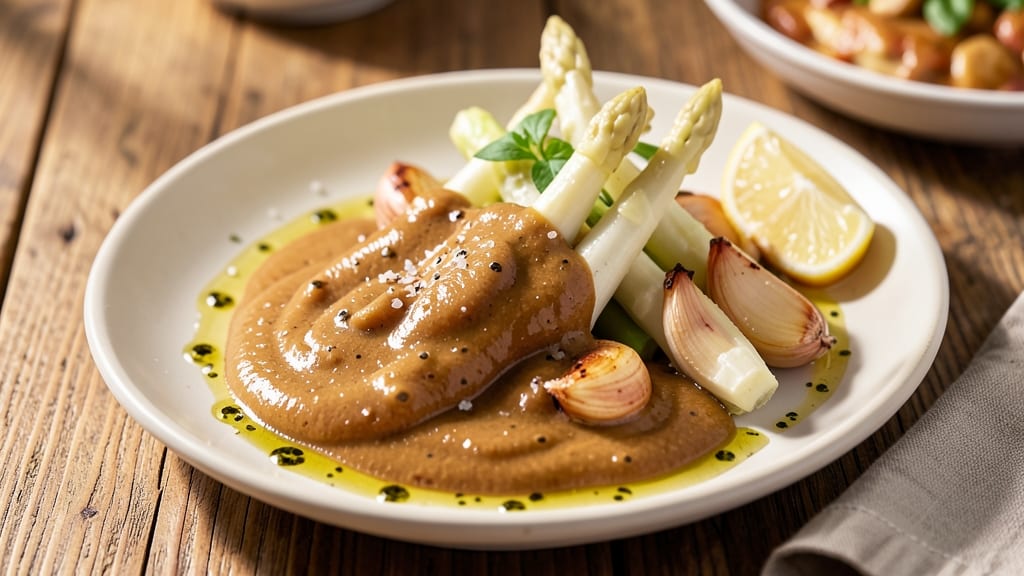
Mastering a basic butter sauce recipe transforms simple ingredients into a velvety, restaurant-quality emulsion that elevates everything from pasta to seafood. The secret lies in proper emulsification—combining melted butter with an acid (like lemon juice) while whisking vigorously to create a stable, glossy sauce.
This technique is foolproof once you understand the science behind it, and the results are worth every minute.
The beauty of this sauce is its versatility—it’s rich enough to coat al dente pasta, delicate enough to drizzle over steamed vegetables, and bold enough to complement grilled fish.
With just a handful of ingredients (butter, acid, and a pinch of salt), you’ll achieve a sauce that’s smoother than store-bought and far more flavorful. The key is patience: letting the butter melt slowly and whisking continuously to prevent separation.
What makes this recipe truly special is its adaptability. Add minced garlic for depth, fresh herbs for brightness, or a splash of white wine for complexity. The sauce keeps well in the refrigerator for up to 3 days, making it perfect for meal prep or last-minute dinner enhancements.
Once you try homemade, you’ll never reach for bottled again.
Whether you’re serving a weeknight pasta dish or dressing up a special meal, this butter sauce delivers professional results with minimal effort. Let’s get started—your taste buds will thank you.
Ingredients for basic butter sauce
Six core ingredients—plus two optional upgrades—create restaurant-quality butter sauce for any dish.
| Ingredient | Amount | Notes |
|---|---|---|
| Unsalted Butter 🧈 | 1 cup | Cold, cubed for even melting |
| Fresh Lemon Juice 🍋 | 2 tbsp | Freshly squeezed, no seeds |
| Diamond Crystal Kosher Salt 🧂 | ½ tsp | Fine grain for even dissolving |
| Extra-Virgin Olive Oil 🫒 | 2 tbsp | Light, fruity variety preferred |
| Garlic Cloves 🧄 | 2 cloves | Minced fine for subtle flavor |
| Fresh White Wine 🍷 | ¼ cup | Dry variety like Sauvignon Blanc |
| Fresh Parsley Leaves 🌿 | ¼ cup | Chopped finely for garnish |
| Heavy Cream 🥛 | ½ cup | Optional for richer texture |
The butter is non-negotiable here—unsalted gives you control over seasoning, and cold cubes melt more evenly than a whole pat. European-style butter (like Plugrá) has higher fat content and emulsifies better, but any good-quality unsalted works. For the acid, lemon juice is ideal—it brightens without overpowering, but white wine vinegar in a pinch works too. The olive oil isn't just for flavor; it helps stabilize the emulsion when the butter and acid meet. Grab a small, heavy-bottomed saucepan—light pans cause temperature fluctuations that can break the sauce.
No fresh lemon? White wine vinegar or apple cider vinegar at double the amount gets you close, though the flavor will be sharper. Skipping the garlic? Asafoetida powder (hing) at a pinch adds umami depth without the raw garlic taste. The wine is optional but worth it—dry whites like Sauvignon Blanc or Pinot Grigio have enough acidity to cut through the richness. For a dairy-free version, swap the heavy cream for full-fat coconut milk, though the texture will be slightly lighter. The parsley is purely decorative but adds freshness—dried parsley at one-third the amount works if you're in a hurry, though it lacks brightness.
This sauce is best used fresh, but it keeps beautifully in the fridge for 3 days if stored in an airtight container with a thin layer of oil on top to prevent skin formation. For longer storage, freeze in 1-tablespoon portions—perfect for single servings. Reheat gently over low heat, whisking constantly, or microwave in 10-second bursts until just melted. The sauce thickens as it cools, so don't over-reduce it. A splash of warm water or milk can thin it out if needed. Leftovers make amazing crostini toppings or pasta finishing sauces.
Why You'll Love This Recipe
- No Chopping Needed: I swear by this sauce because it’s the kind of recipe where you barely lift a finger—just melt butter, squeeze lemon, and crush a couple cloves of garlic. That’s it. Even my lazy Sundays end with something tasty.
- Bright & Balanced: The lemon cuts through the richness of the butter while the olive oil adds this silky depth, and the garlic? Oh, it’s the star—just enough to wake up your taste buds without overpowering. Honestly, it’s the kind of flavor that makes you want to drizzle it on everything.
- Dresses Up Any Meal: This sauce is my secret weapon for weeknights—toss it with pasta, drizzle over grilled fish, or even mix into mashed potatoes. It’s the kind of thing that turns a simple dinner into something special without requiring a fancy recipe.
- Pantry Staple Magic: You’re already using ingredients you have on hand, and it keeps well in the fridge for days. I’ll be real: I’ve made a batch on Sunday and stretched it through the week—no waste, no stress, just pure flavor. Budget-friendly and foolproof.
Step-by-step instructions for velvety emulsion sauce
Here's the foolproof method to create a silky, restaurant-quality butter sauce every time.
Melt the Cold Butter and Build the Base
Place the 1 cup Unsalted Butter (cubed) in a medium saucepan over low heat. Let it melt slowly, stirring occasionally with a wooden spoon until completely liquid but not browned. The cold start prevents burning and ensures even melting. Once fully melted, add the 2 tbsp Extra-Virgin Olive Oil and stir to combine.
Here's the thing—this low-and-slow approach is crucial. Butter burns easily, and that acrid flavor will ruin your sauce. Watch carefully until the butter is smooth and glossy, with no visible fat separation. You should smell pure, nutty butter aroma without any hint of smoke.
Infuse with Aromatics and Acid
Remove the saucepan from heat and immediately add the minced 2 cloves Garlic Cloves and 2 tbsp Fresh Lemon Juice. Stir gently to distribute the garlic and lemon throughout the warm butter. The acid in the lemon juice helps stabilize the emulsion later, while the garlic adds subtle depth. Let this mixture sit off heat for 2 minutes to allow the garlic to infuse.
I know it seems counterintuitive to remove from heat, but this prevents the garlic from burning instantly. The residual heat is enough to release its flavor without turning bitter. You'll notice the mixture becomes slightly more aromatic—this is exactly what you want.
Deglaze with Wine and Reduce
Return the saucepan to medium-low heat and pour in the 0.25 cup Fresh White Wine. Stir constantly as the wine bubbles away, scraping up any browned bits from the bottom of the pan. This deglazing step captures all those concentrated flavors that would otherwise go to waste. Let the wine reduce by half, which should take about 2-3 minutes—you'll see the liquid shrink noticeably.
The reason we reduce the wine is twofold: it intensifies the flavor and removes excess alcohol that could interfere with the emulsion. You'll know it's ready when the sauce has thickened slightly and the wine aroma has transformed into something more complex and savory.
Create the Emulsion with Heavy Cream
Temporarily remove the saucepan from heat and whisk in the 0.5 cup Heavy Cream (if using) and the 0.5 tsp Diamond Crystal Kosher Salt. Then return to low heat and stir constantly for 2-3 minutes until the sauce thickens to a velvety consistency. This is where the magic happens—the cream helps stabilize the butter emulsion while adding richness.
Here's where it gets tricky: if the sauce starts to separate or looks too thick, whisk in 1-2 tablespoons of hot water to loosen it. The goal is a smooth, glossy texture that coats the back of a spoon. You should be able to see your fingerprints in the sauce when you drag it across the surface.
Finish and Garnish
Remove the sauce from heat and stir in the 0.25 cup Fresh Parsley Leaves. The parsley adds freshness and vibrant color that makes the sauce look as good as it tastes. Taste and adjust seasoning with additional salt if needed—remember, the wine and lemon juice may have altered the flavor balance.
For the best results, use the sauce immediately while still warm. It's perfect for drizzling over pasta, seafood, or grilled vegetables. If you need to reheat, do so gently over low heat, stirring constantly to prevent separation. The sauce should maintain its silky texture and rich flavor—proof that you've created a proper emulsion.
Pro Tips For Making Basic Butter Sauce
- Melt Butter Slowly: Start with cold butter cubes—yes, even if you’re in a rush. Tossing in a whole stick of butter at once will cause it to burn before emulsifying, leaving you with a bitter, grainy mess instead of a silky sauce.
- Zest Garlic First: Peel and finely mince the garlic cloves, then let them sit in the cold pan for 30 seconds before adding heat. This prevents burning and lets the flavor develop properly—no more harsh, bitter notes ruining your sauce.
- Salt the Butter: Unsalted butter is your friend here, but don’t skip the salt. Taste the melted butter before adding lemon juice and adjust with kosher salt—Diamond Crystal runs lighter, so use about ½ teaspoon per 2 tablespoons of butter.
- Finish with Oil: If the sauce breaks or looks too heavy, stir in a teaspoon of extra-virgin olive oil at the end. It’ll stabilize the emulsion and add a bright, fruity note that cuts through the richness—no one will even notice you "fixed" it.
Creative variations of these flavors
Garlic-Herb Twist
Swap the minced garlic for ½ tsp Penzeys Garlic Powder and add 1 tsp dried thyme or 1 tbsp chopped fresh tarragon for a herbaceous depth. This variation works beautifully with roasted chicken or as a drizzle for grilled asparagus.
I find the dried herbs add a subtle earthiness that complements the richness without overpowering. 🌿
Citrus Variations
Brighten your sauce with different citrus juices—try orange juice for a sweeter profile or lime juice for a tangier kick. For orange, use 3 tbsp juice and reduce the lemon to 1 tbsp.
Lime works best in a 1:1 ratio with lemon juice. These variations pair perfectly with seafood like shrimp or scallops. 🍊
Spicy Butter Sauce
Add ½ tsp cayenne pepper or 1 tsp hot sauce (like Cholula) for a spicy kick. For extra heat, stir in 1 tbsp chopped fresh jalapeño with the garlic.
This version is ideal for tacos, grilled meats, or spicy pasta dishes. Balance the heat with a pinch more salt if needed. 🌶️
Creamy Mushroom Infusion
Sauté ½ cup finely chopped cremini mushrooms in olive oil until tender, then deglaze with wine before adding the butter. This earthy twist works wonderfully with steak or mashed potatoes.
For extra richness, stir in 1 tbsp mushroom powder at the end. The umami depth elevates the sauce to new heights. 🍄
Sweet and Tangy
Add 1 tsp honey or 1 tbsp maple syrup with the lemon juice for a sweet-tangy balance. This variation pairs beautifully with caramelized onions or glazed carrots. The sweetness mellows the acidity, creating a sauce that’s both rich and refreshing. 🍯
Dairy-Free Adaptation
Replace the butter with ½ cup coconut oil and the heavy cream with ½ cup full-fat coconut milk. Use 1 extra tbsp lemon juice to help stabilize the emulsion.
This version is perfect for vegan diets and still delivers that velvety texture. The coconut flavor is subtle but adds a unique tropical note. 🥥
Nutrition facts
Frequently asked questions
Why does my butter sauce separate?
The most common cause is overheating or insufficient acid (like lemon juice). Butter emulsions need careful temperature control—heat too quickly and the fat separates. Always whisk constantly when combining ingredients, and ensure you have enough acid to stabilize the emulsion. If it separates, whisk in 1 tsp cold water or 1 tsp lemon juice to re-emulsify it.
Can I make this sauce without wine?
Skip the wine and use 2 extra tbsp lemon juice or 2 tbsp white wine vinegar instead. For depth, add ½ tsp Dijon mustard or 1 tsp soy sauce to replace the wine's umami. The sauce will still emulsify beautifully—just adjust the acidity to taste.
What's the best way to reheat leftover butter sauce?
Always reheat gently over low heat while whisking constantly to prevent separation. Microwave in 10-second bursts if needed, but add 1 tsp cold water first to help stabilize it. Never let it boil—just warm until smooth. The sauce thickens as it cools, so thin with a splash of warm milk or water if needed.
How can I make this sauce thicker or thinner?
For a thicker sauce, simmer uncovered for 1-2 minutes to evaporate moisture. For a thinner consistency, whisk in 1-2 tbsp warm water or milk gradually until smooth. The ideal texture should coat the back of a spoon but still flow easily. Adjust while warm for best results.
What are the best dishes to use this butter sauce on?
This versatile sauce elevates pasta (like fettuccine or linguine), seafood (shrimp, scallops, or grilled fish), and vegetables (steamed asparagus or roasted Brussels sprouts). It's also perfect for drizzling over grilled chicken or mashed potatoes. The rich flavor works with both savory and slightly sweet dishes.