
Sauces & Condiments
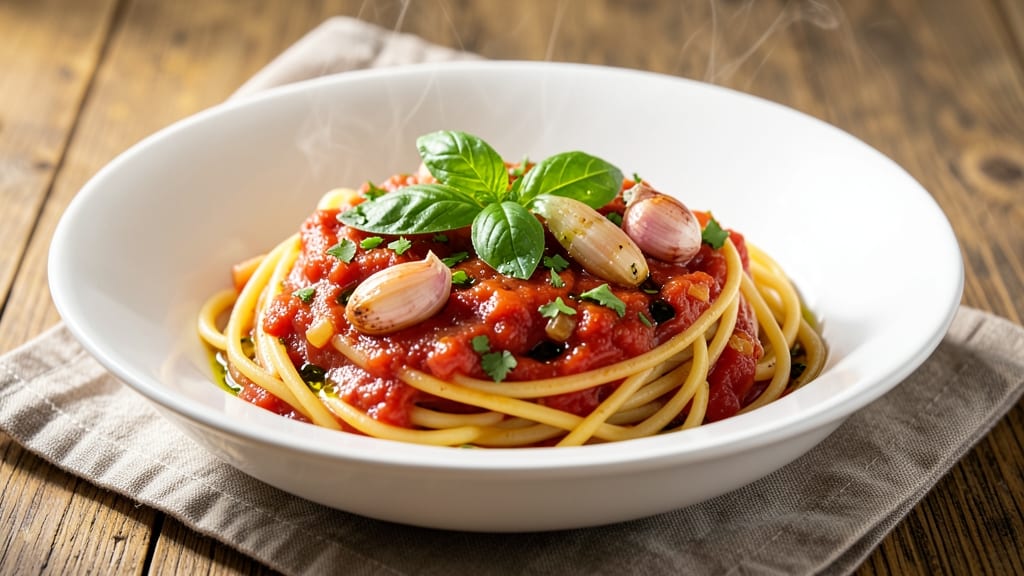
This Mutti pasta sauce recipe transforms simple ingredients into a rich, slow-simmered tomato masterpiece that clings perfectly to al dente noodles. The secret lies in patience—letting the sauce develop deep, caramelized flavors while maintaining its velvety texture.
I've perfected this technique over years of Italian-inspired cooking, ensuring every bite delivers authentic restaurant quality at home.
What sets this sauce apart is the balance of fresh herbs, garlic, and high-quality tomatoes, all gently reduced to create a concentrated flavor base. The key technique is simmering low and slow, allowing the sauce to thicken naturally without losing its vibrant color or bright acidity.
This isn't just a sauce—it's the heart of your pasta dish, elevating even the simplest ingredients to something extraordinary.
By the time you twirl your fork through perfectly cooked pasta, you'll experience a symphony of textures: tender al dente strands coated in a sauce that's both rich and bright, with just the right balance of sweetness and acidity.
The aroma alone will have everyone gathered around the table, and the first bite will confirm why this sauce deserves its place as a weekly staple.
This recipe works beautifully with classic Italian pastas like penne or rigatoni, but don't hesitate to experiment with other shapes. The sauce keeps well for up to 5 days in the refrigerator, making it perfect for meal prep.
Whether you're feeding a family or treating yourself to a special dinner, this sauce delivers restaurant-quality results with minimal effort.
Ingredients for mutti pasta sauce
Authentic Italian flavors begin with these essential ingredients for restaurant-quality Mutti pasta sauce.
| Ingredient | Amount | Notes |
|---|---|---|
| Extra-Virgin Olive Oil 🫒 | ¼ cup | High-quality, fruity variety preferred |
| San Marzano Crushed Tomatoes 🍅 | 2 cans | 28 oz each, no salt added |
| Garlic Cloves 🧄 | 4 cloves | Fresh, peeled, minced finely |
| Yellow Onion 🧅 | 1 whole | Medium, finely diced |
| Fresh Basil Leaves 🌿 | ½ cup | Packed, stems removed |
| Fresh Parsley Leaves 🌿 | ¼ cup | Flat-leaf preferred, chopped |
| Dried Oregano 🍃 | 1 tsp | Italian variety preferred |
| Red Wine 🍷 | ½ cup | Dry, bold variety like Chianti |
| Tomato Paste 🍅 | 2 tbsp | Squeeze tube preferred |
| Granulated Sugar 🍚 | 1 tsp | Balances acidity |
| Diamond Crystal Kosher Salt 🧂 | 1 ½ tsp | Adjust to taste |
| Freshly Ground Black Pepper 🌶️ | ½ tsp | Freshly cracked preferred |
| Penne Pasta 🍝 | 12 oz | Dry, al dente cooking time |
The foundation starts with San Marzano tomatoes—their sweet, low-acid profile is non-negotiable for authentic flavor. Whole Foods or local Italian markets carry these canned tomatoes, though most well-stocked grocery stores stock them too. For the olive oil, splurge on a high-quality extra-virgin like California Olive Ranch or Colavita—the fruity notes elevate the sauce's depth. Fresh herbs are critical here; basil and parsley should be vibrant green with no wilting. The red wine adds complexity—any bold, dry variety works, but Chianti or Sangiovese deliver authentic Italian character.
No San Marzano tomatoes? High-quality crushed tomatoes in a glass jar work as a substitute, though the flavor will differ slightly. Fresh herbs unavailable? Dried oregano at one-third the amount maintains the base flavor profile, while a pinch of basil extract can add depth. The tomato paste can be replaced with extra crushed tomatoes if needed, though the sauce may be slightly thinner. For the red wine, dry vermouth in a pinch provides similar acidity. The sugar balances the tomatoes' natural acidity—omit entirely if using very ripe tomatoes. The pasta should be al dente—undercooked by 1 minute when package instructions say 'done.'
This sauce develops deeper flavor over time, so make it a day ahead if possible. Store in an airtight container in the refrigerator for up to 5 days, or freeze for 3 months. The sauce thickens as it cools, so you may need to add a splash of water or broth when reheating. For meal prep, portion into glass jars—they're microwave-safe and preserve the sauce's vibrant color. The pasta pairs perfectly with rigatoni or fettuccine, but any medium pasta shape works beautifully.
Why You'll Love This Recipe
- No-Chop Night: I swear by this sauce because the onion gets softened in the olive oil—no dice needed. Just slice it thick, let it melt down, and you’re done. The San Marzano tomatoes handle the rest.
- Garlic-Basil Magic: That moment when the garlic sizzles in the oil and the basil hits the pan? Chef’s kiss. The crushed tomatoes add sweetness, but the garlic and fresh basil turn it into something that makes you reach for another plate.
- Weeknight to Party: Same sauce, totally different vibes. Toss it with spaghetti for a quick weeknight meal, or drizzle it over grilled chicken for a weekend dinner. Honestly, it’s my go-to for anything that needs that bright, tangy punch.
- Fridge Goldmine: Make a big batch—it tastes even better the next day. The flavors meld perfectly, and you’ve got a budget-friendly staple for lunches or last-minute dinners. My freezer’s full of it, and I’m not ashamed.
Step-by-step instructions for slow-simmered Mutti pasta sauce
This method builds rich tomato depth through gradual reduction and aromatic development.
Develop the Base with Olive Oil and Onion
Heat the 0.25 cup extra-virgin olive oil in a heavy-bottomed saucepan over medium-low heat. Add the finely diced yellow onion and cook for 8-10 minutes until completely translucent and just beginning to caramelize at the edges. This slow cooking draws out natural sweetness from the onion without browning.
I like to stir occasionally but not constantly—this prevents the onion from releasing moisture too quickly. You're looking for a soft, jam-like texture where the onion pieces are tender but still hold their shape. If the oil starts to smoke, reduce the heat slightly to maintain gentle cooking.
Add Garlic and Tomato Paste for Depth
Stir in the 4 minced garlic cloves and cook for 30 seconds until fragrant but not browned—garlic burns quickly and becomes bitter. Immediately add the 2 tablespoons tomato paste and cook for another 2 minutes, stirring constantly. This creates a rich, concentrated base that forms the foundation of your sauce.
The tomato paste will darken slightly as it cooks, developing complex flavors. Don't skip this step—it intensifies the tomato flavor and prevents the sauce from being too watery later. The paste also helps emulsify the sauce, giving it that velvety texture we're after.
Build the Sauce with Tomatoes and Wine
Pour in the 0.5 cup red wine and simmer for 3-4 minutes until reduced by half. This alcohol reduction removes sharpness while concentrating the wine's depth. Add the 2 cans San Marzano crushed tomatoes, 1 teaspoon granulated sugar, 1 teaspoon dried oregano, 1.5 teaspoons kosher salt, and 0.5 teaspoon black pepper.
Bring to a gentle simmer and cook uncovered for 25-30 minutes until the sauce thickens noticeably. You'll see the liquid reduce and the flavors meld together. Stir occasionally to prevent sticking, but don't over-stir—this can break down the tomato texture. The sauce should coat the back of a spoon with a glossy sheen.
Finish with Fresh Herbs and Balance
Remove the pan from heat and stir in the 0.5 cup fresh basil leaves and 0.25 cup fresh parsley leaves. Let the herbs steep for 5 minutes to infuse their bright flavors without becoming bitter. Taste and adjust seasoning—you may need a touch more salt or sugar to balance acidity.
For serving, keep the sauce warm over low heat or reheat gently in the microwave. This sauce develops even better overnight, so it's perfect for making ahead. The fresh herbs add vibrant contrast to the rich tomato base, creating that perfect balance of flavors that defines Mutti pasta sauce.
Cook and Combine with Pasta
While the sauce simmers, cook the 12 ounces penne pasta in generously salted boiling water until al dente (about 1 minute less than package directions). Reserve 1 cup pasta water before draining.
Toss the drained pasta with the sauce, adding reserved pasta water as needed to reach your desired consistency. The starchy water helps the sauce cling beautifully to each strand. Serve immediately with additional fresh basil and parsley for garnish, if desired.
Pro Tips For Making Mutti Pasta Sauce
- Sweat the Onion Slowly: The first 10 minutes with the onion are where flavor builds—don’t rush it. Cut it into even ¼-inch slices, cook over medium-low heat with a splash of water to keep it gentle, and resist the urge to stir constantly (just let it melt into the oil).
- Crush Garlic Like a Pro: Mince the garlic finely—no need for a press, but don’t leave it in chunks. Toss it straight into the pot with the onions (no waiting for the oil to cool), then stir immediately to prevent burning. If it darkens too fast, pull the pan off the heat for 10 seconds—it’ll recover.
- Simmer Tomatoes Gently: After adding the crushed tomatoes, bring to a barely simmer (tiny bubbles, not a rolling boil). Too much heat breaks down the San Marzano’s natural sweetness, making the sauce taste flat. Cover and let it bubble softly for at least 20 minutes—this is where depth happens.
- Add Basil at the End: Fresh basil wilts into oblivion if cooked too long. Tear the leaves (not chop) and stir them in just before serving—let the heat hit them for no more than 30 seconds. For extra brightness, reserve a few leaves to garnish after plating (they’ll stay vibrant).
Common mistakes when making your mutti pasta sauce
Overcooking the Onion
Don't let your onions brown or caramelize during the base-building step—this happens when you crank the heat too high or cook them too long. Overcooked onions develop bitter flavors that ruin the sauce's delicate balance.
Keep the heat at medium-low and cook for exactly 8-10 minutes until translucent but still pale. I've learned this the hard way—once I burned a batch and had to start over! 🧅
Skipping the Tomato Paste
Many home cooks skip the 2 tablespoons tomato paste to save time, but this is a huge mistake. The paste acts as a flavor multiplier, intensifying the tomato's natural sweetness and helping the sauce thicken properly.
Without it, your sauce will be thin and lack depth. Think of it as the sauce's secret weapon—it's what transforms good tomatoes into extraordinary sauce. 🍅
Boiling the Sauce
Never let your sauce boil vigorously once the tomatoes are added. Boiling causes the sauce to split and lose its velvety texture, creating a skin that's unpleasant to eat. Maintain a gentle simmer at all times—you should see small bubbles forming occasionally but no rolling boil.
If it starts to bubble too vigorously, reduce the heat immediately. This is where patience pays off! 🔥
Adding Herbs Too Early
Fresh basil and parsley should be added at the very end to preserve their bright, vibrant flavors. Adding them too early causes them to wilt and turn bitter, which completely changes the sauce's character.
Wait until the sauce is finished cooking, then stir them in and let them steep for just 5 minutes before serving. This simple timing makes all the difference. 🌿
Ignoring Pasta Water
Reserving 1 cup pasta water is non-negotiable for a perfect sauce-pasta combination. The starchy water acts as a natural emulsifier, helping the sauce cling beautifully to each strand.
Without it, your sauce will look dry and clumpy. I always keep a ladle nearby while the pasta cooks—it's the secret to restaurant-quality plating. 💫
Rushing the Simmering Time
Trying to speed up the 25-30 minute simmering by increasing heat is a common mistake. This critical step allows the flavors to develop and the sauce to thicken properly. Rushing it results in a thin, watery sauce that lacks depth.
Think of it like making wine—good things take time. The longer you simmer, the more complex the flavors become. ⏰
Nutrition facts
Frequently asked questions
What makes this Mutti pasta sauce different from other tomato sauces?
The key lies in the slow simmering technique and fresh ingredients. This sauce uses San Marzano tomatoes for natural sweetness, red wine reduction for depth, and fresh herbs added at the end to preserve their bright flavors. The 25-30 minute simmer develops complex flavors that canned sauces can't match. Plus, the tomato paste creates a rich base that canned sauces often lack.
Can I use whole tomatoes instead of crushed?
Yes, but you'll need to peel and crush them first. For best results, use 4-5 large ripe tomatoes (about 1.5 cups chopped) and simmer them for 15-20 minutes before adding other ingredients. This mimics the texture of crushed tomatoes while keeping the sauce's natural sweetness. The cooking time will increase slightly to 35-40 minutes total.
How do I adjust the sauce for a meat lover's version?
Brown 1 lb ground beef or Italian sausage first in the olive oil before adding onions. Drain excess fat, then proceed with the recipe. For extra richness, add 2 tablespoons cream at the end. The meat adds hearty depth while keeping the sauce's signature tomato flavor. Cook the meat until fully done (165°F) before adding other ingredients.
Can I make this sauce vegan?
Replace the red wine with 0.5 cup vegetable broth, use vegan tomato paste, and omit the cheese. For umami depth, add 1 tablespoon soy sauce with the tomatoes. The sauce will still be rich and flavorful while completely plant-based. All other ingredients remain the same.
Why does my sauce sometimes get too thick?
This happens when the sauce reduces too much during simmering. To fix it, stir in 2-3 tablespoons warm water or pasta water while reheating. For prevention, reduce the simmering time to 20-25 minutes or keep the sauce covered between stirs. The sauce will thicken more as it cools, so err on the thinner side while cooking.