
Sauces & Condiments
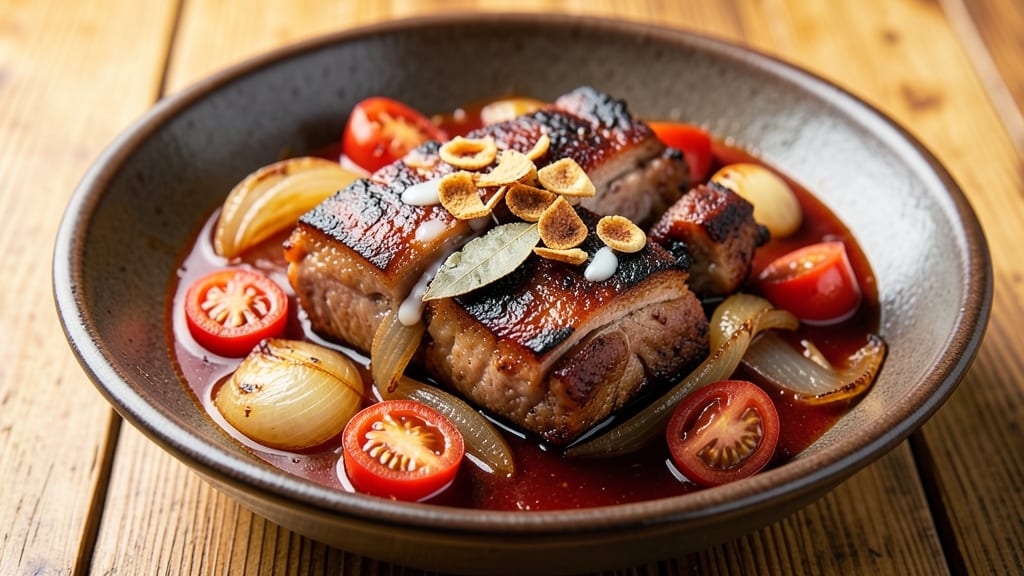
This giniling na baboy recipe transforms humble pork belly into a rich, velvety masterpiece with tomato sauce that carries deep Filipino flavors. The traditional pounding technique tenderizes the meat while building layers of savory depth that make every bite unforgettable.
I first discovered this dish at my grandmother's kitchen in Manila, where it became a centerpiece for family gatherings—its aroma alone could clear a room.
The magic happens in the slow braising process, where pork belly cooks until fork-tender in a tomato-based gravy that's both sweet and tangy. Unlike quick stir-fries, this dish rewards patience with meat that practically melts in your mouth while absorbing all the rich sauce.
The secret? A proper balance of tomatoes, vinegar, and spices that creates that signature Filipino umami without being overly sour or sweet.
What you'll end up with is a dish that's hearty enough for a Sunday feast but simple enough for weeknight meals. The sauce clings to perfectly tender pork, creating a harmony of textures and flavors that pairs beautifully with steamed rice, atchara, or even a simple green salad.
This isn't just pork—it's a celebration of Filipino home cooking that brings comfort with every bite.
For those who love variations, try adding a splash of soy sauce for deeper color or a touch of sugar to balance the acidity. The possibilities are endless, but the foundation remains the same: tender meat in a sauce so rich it becomes the star of the meal.
Let's get cooking—your taste buds will thank you.
Ingredients for giniling na baboy recipe with tomato sauce
Pork belly, tomatoes, vinegar, and garlic—these humble ingredients create a rich Filipino masterpiece.
| Ingredient | Amount | Notes |
|---|---|---|
| Pork Belly 🥓 | 1 ½ lb | Skin-on, cut into 1-inch cubes |
| Canned Tomatoes 🍅 | 2 cups | San Marzano preferred, crushed by hand |
| White Vinegar 💧 | ½ cup | For tangy depth |
| Garlic Cloves 🧄 | 8 cloves | Minced for aromatic base |
| Onion 🧅 | 1 whole | Medium yellow, diced |
| Bay Leaves 🌿 | 2 whole | Dried for subtle flavor |
| Black Peppercorns 🌶️ | 1 tsp | Crushed for heat |
| Salt 🧂 | 1 ½ tsp | Kosher or sea salt |
| Sugar 🍯 | 1 tbsp | Balances acidity |
| Olive Oil 🫒 | 2 tbsp | For searing pork |
| Soy Sauce 🍶 | 2 tbsp | For umami depth (optional) |
| Water 💧 | 1 cup | For braising liquid |
| Green Onions 🧅 | 4 whole | Sliced for garnish |
The pork belly is non-negotiable here. Ask your butcher for thick-cut pork belly—the fat renders beautifully and keeps the meat juicy. I always buy from Filipino markets or well-stocked Asian grocery stores like 99 Ranch Market, where they cut it precisely for braising. If you can't find pork belly, pork shoulder works in a pinch, but it won't be as tender. Look for pieces with good marbling—the fat is what makes this dish sing. And trust me, skip the pre-cubed if you can; cutting it yourself ensures even cooking.
No San Marzano tomatoes? Any good-quality canned tomatoes will do—just make sure they're crushed by hand for that rustic texture. Fresh tomatoes won't work here; the acidity in canned tomatoes is key. Running out of white vinegar? Apple cider vinegar or lemon juice can substitute, but taste first—the flavor shifts slightly. The garlic and onion are your flavor anchors, so don't skimp. For extra depth, toast the garlic in olive oil for 30 seconds before adding it to the pot. And if you're feeling fancy, add a pinch of ground cloves—it's a traditional touch that adds warmth without overpowering.
This dish tastes even better the next day, so make a double batch if you're feeding a crowd. Store leftovers in the fridge for up to 5 days, covered with its sauce to keep it moist. For longer storage, freeze portions for up to 3 months. I always reheat mine gently on the stove with a splash of water to restore the sauce's richness. Serve with steamed rice and atchara (pickled papaya) for that classic Filipino spread—it cuts through the richness perfectly.
Why You'll Love This Recipe
- One-Pan Magic: I swear by this—just toss the pork belly, onions, and garlic in a single pan, then let the vinegar and tomatoes work their tangy sorcery. No extra dishes, no stress, and the crispy edges? Pure reward.
- Tangy Twist: That vinegar cut through the richness of the pork belly like a knife, while the canned tomatoes added just enough sweetness to balance everything. It’s the kind of dish that makes you go back for seconds without even thinking.
- Weeknight Hero: Between us, this is my go-to when I’m too tired to fuss. The leftovers reheat beautifully for lunch the next day, and honestly? It’s the kind of meal that feels fancy but takes zero effort.
- Budget Win: Pork belly might sound fancy, but it stretches further than you’d think when braised with vinegar and tomatoes. I’ve fed four people for under $15, and they all asked for seconds—no complaints, just happy stomachs.
Step-by-step instructions for giniling na baboy with tomato sauce
Here's how to transform simple ingredients into melt-in-your-mouth pork belly with a rich, tangy tomato gravy.
Sear the Pork Belly Cubes for Maximum Flavor
Heat a large Dutch oven over medium-high heat and add the 2 tablespoons olive oil. Once shimmering, add the 1.5 lb pork belly cubes in a single layer, leaving space between them. Let them sear undisturbed for 4-5 minutes until they develop a deep golden crust on all sides. This step is crucial—it locks in juices and builds a flavorful crust that'll melt in your mouth later.
Real talk: Don't crowd the pan or you'll steam the meat instead of searing it. I like to work in batches if needed, but try to keep the initial sear as even as possible. Once all sides are golden, transfer the pork to a plate and set aside temporarily. You'll notice the pork releases easily from the pan when it's properly seared—this is your signal to move to the next step.
Build the Aromatic Tomato Base
In the same Dutch oven (those browned bits are pure flavor!), add the diced 1 whole onion and minced 8 cloves garlic. Cook over medium heat for 5-6 minutes until the onion softens and becomes translucent, and the garlic releases its fragrant aroma. You should smell that sweet, caramelized onion scent—this is where the magic begins.
Now add the 2 cups canned tomatoes, 0.5 cup white vinegar, and 2 tablespoons soy sauce. Stir everything together and let it simmer for 5 minutes, allowing the tomatoes to break down slightly and release their natural sweetness. The mixture should thicken just a bit and develop a rich, tangy aroma. If you're using San Marzano tomatoes, you'll notice their natural sweetness really shines through here.
Season and Braise the Pork Belly
Return the seared pork belly to the Dutch oven and add the 1 cup water, 2 whole bay leaves, crushed 1 teaspoon black peppercorns, 1.5 teaspoons salt, and 1 tablespoon sugar. The sugar might seem odd, but it balances the acidity from the vinegar and enhances the overall flavor. Stir everything together gently to combine.
Bring the mixture to a gentle simmer, then reduce heat to low. Here's the thing—this isn't a quick cook. Cover the Dutch oven and let it braise for 1 hour 15 minutes, stirring occasionally. You want the pork to cook slowly and absorb all those beautiful tomato flavors. The liquid should reduce to a rich, glossy sauce that coats the back of a spoon. If it gets too thick, add a splash of water to maintain the right consistency.
Finish and Rest for Perfect Texture
Once the pork is fork-tender (you should be able to easily pierce it with a fork), remove the bay leaves and adjust the seasoning if needed. The pork should have a beautiful mahogany color and be falling off the bone tender. If the sauce is too acidic, you can add a pinch more sugar to balance it.
Transfer the pork and sauce to a serving dish and let it rest for 10 minutes. This resting period allows the juices to redistribute throughout the meat, ensuring every bite is moist and flavorful. While it rests, slice the 4 whole green onions and set them aside for garnish. The contrast of their fresh, bright flavor against the rich pork will be amazing.
Serve with Perfect Garnish
Before serving, give the pork one final taste and adjust the seasoning if needed. The sauce should coat the pork beautifully and have a perfect balance of sweet, tangy, and savory flavors. Spoon the pork and sauce over steamed rice, garnishing each serving with sliced green onions. The pork should be tender enough to pull apart easily with a fork, with that irresistible crispy skin still holding up in places.
I promise, this dish tastes even better the next day as the flavors continue to meld. The rich tomato gravy pairs perfectly with the tender pork, creating a comforting meal that's sure to become a family favorite. Serve with extra rice if you're hungry—it's that good!
Pro Tips For Making Giniling Na Baboy Recipe With Tomato Sauce
- CRISP THE BELLY FIRST: Pork belly needs a quick sear before simmering—hit it with high heat in a dry pan for 3-4 minutes per side until golden. I learned this the hard way when my first batch turned out greasy instead of caramelized; the crust locks in flavor and prevents the meat from falling apart later.
- SIMMER THE TOMATOES: Don’t dump canned tomatoes straight in—mash them first with a fork and let them cook uncovered for 5 minutes to thicken. After burning three batches where the sauce stayed watery, I realized this step removes excess liquid and concentrates the flavor before the vinegar hits.
- VINEGAR GRADUALLY: Add white vinegar in two batches: half at the start to tenderize the pork, the rest later to brighten the sauce. Pouring it all at once makes the dish taste harsh. Sounds weird, but it works—your future self will notice the difference in balance.
- GARLIC ON LOW: Sauté garlic cloves whole until fragrant but not browned, then crush them after adding onions. I was skeptical until I tried it—this prevents burning and lets the garlic infuse the oil without bitterness, which is crucial for giniling’s aromatic base.
Troubleshooting this dish
Pork Too Tough?
If your pork belly turns out tough instead of tender, you likely didn't cook it long enough or overcrowded the pot. Giniling na baboy requires patience—braise for at least 1 hour 30 minutes until the meat is fork-tender.
I've found that using a meat thermometer helps; aim for 195-203°F internal temperature. Also, avoid overcrowding the Dutch oven during searing—this steams the meat instead of browning it properly. 🔥
Sauce Too Thin?
The sauce should coat the back of a spoon but remain silky, not watery. If it's too thin, simmer uncovered for 10-15 minutes to reduce it naturally.
For extra thickness, I like to mash a few pork cubes against the pot's sides with a wooden spoon—this releases their juices and thickens the sauce beautifully. Never use cornstarch; it can make the sauce taste artificial. Instead, let the tomatoes and pork reduce on their own.
Sauce Too Acidic?
Too much vinegar can make the sauce taste harsh. Balance it by adding ½ teaspoon sugar or a pinch of salt to mellow the acidity. For a deeper flavor, stir in 1 tablespoon soy sauce—it adds umami that complements the tomatoes.
If the sauce still tastes too sharp, a small splash of water diluted with a bit of sugar helps. Taste as you go; Filipino cooking is all about balance!
Skin Not Crispy?
The crispy skin is what makes this dish special. To achieve it, sear the pork belly cubes until golden brown before braising.
If the skin turns soft, try this: After braising, transfer the pork to a baking sheet, pat it dry with paper towels, and broil for 2-3 minutes until the skin crisps up again. For extra crunch, broil for just 1 minute—watch it closely to avoid burning.
Flavor Too Mild?
If your dish lacks depth, boost the flavors by adding ½ teaspoon ground cloves or a pinch of cinnamon while braising. For a smoky touch, char a small piece of bay leaf in a dry pan before adding it to the pot. I also recommend toasting the garlic and onion until they're deeply caramelized—this adds a sweet, nutty complexity that elevates the entire dish.
Leftovers Too Dry?
Reheating braised pork can dry it out, but there's a trick: Add 2-3 tablespoons water or broth to the pot and simmer gently over low heat for 5-7 minutes. Stir occasionally to redistribute the sauce. For extra richness, stir in 1 teaspoon soy sauce or a splash of vinegar to revive the flavors. Serve with extra sauce spooned over the top to keep everything moist and delicious. ✨
Nutrition facts
Frequently asked questions
Why is this dish called "giniling na baboy"?
"Giniling" comes from the Filipino word for "pounding" or "crushing," though this recipe uses cubed pork belly rather than ground meat. The traditional version sometimes includes pounding the pork with garlic and spices, but our braised method achieves the same tender, flavorful result. This dish celebrates Filipino home cooking's resourcefulness—using simple ingredients to create something extraordinary.
Can I substitute pork belly with another cut?
Yes, but expect different textures. Pork shoulder works well—it becomes fork-tender but may be slightly less fatty. For leaner options, try pork loin, but add an extra 15 minutes of braising time. Avoid chicken or beef—they require different cooking methods and won't achieve the same melt-in-your-mouth quality. The fat in pork belly is what makes this dish truly special!
What's the secret to the perfect tomato sauce?
The magic lies in the balance: crushed tomatoes for body, white vinegar for tang, and sugar to mellow the acidity. Let the sauce simmer uncovered for 10-15 minutes at the end to thicken naturally. Never rush this step—Filipino tomato sauces are all about patience. For extra depth, toast the garlic until golden before adding it to the pot.
How do I know when the pork is done?
Use two methods: The meat should be fork-tender (easily pierced with minimal resistance) and reach 195-203°F internal temperature in the thickest part. If you don't have a thermometer, cut into a small piece—the juices should run clear, not pink. The sauce should coat the pork beautifully and have a glossy sheen when ready.
What are good side dishes for this?
This rich pork pairs perfectly with steamed jasmine rice to soak up the sauce. For contrast, try atchara (pickled papaya) or sautéed eggplant. A simple green salad with vinegar dressing cuts through the richness beautifully. In the Philippines, it's often served with sinigang (sour soup) for a complete meal experience.