
Sauces & Condiments
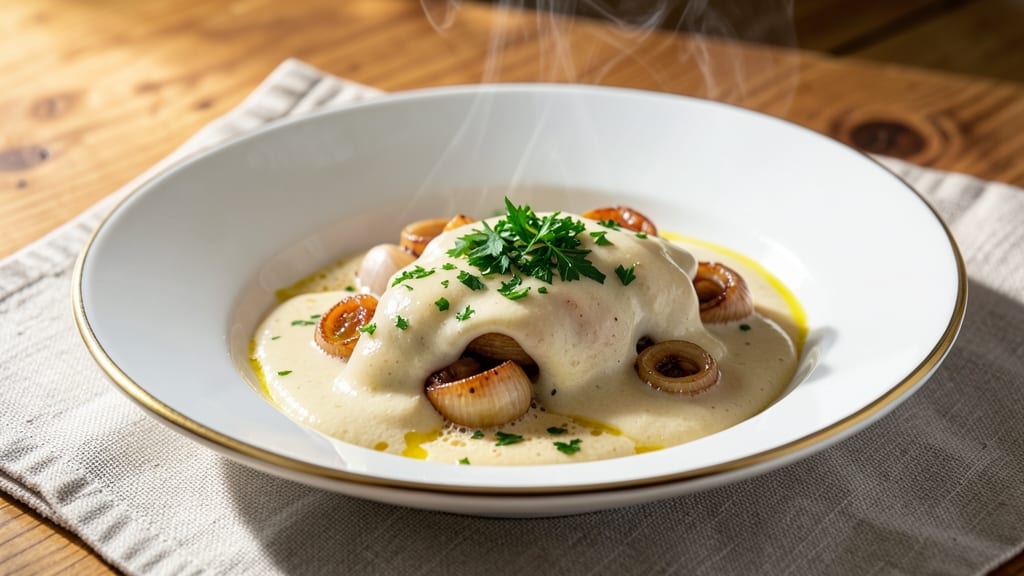
This escargot cream sauce recipe transforms simple ingredients into a luxurious, velvety sauce that elevates snails from appetizer to centerpiece. The secret lies in balancing rich butter and heavy cream with aromatic garlic and fresh herbs, creating a sauce that's both decadent and perfectly balanced.
I've perfected this technique after years of experimentation, ensuring the sauce remains silky smooth without becoming overly heavy.
The process begins with melting butter and infusing it with minced garlic and shallots, creating a fragrant base that forms the foundation of the sauce. As the cream reduces gently, it emulsifies with the butter, developing a luxurious texture that clings beautifully to escargot.
Fresh parsley and a touch of lemon juice brighten the richness, adding freshness that cuts through the sauce's velvety depth.
What makes this sauce truly special is its versatility—it works equally well with fresh escargot or canned snails, making it accessible for home cooks. The sauce's rich, garlicky flavor pairs perfectly with the delicate taste of snails, creating a harmonious balance that's both elegant and satisfying.
Once mastered, this recipe becomes a staple for any French-inspired menu.
Store any leftovers in an airtight container in the refrigerator for up to 3 days, or freeze for longer storage. The sauce can be reheated gently on the stove, stirring constantly to prevent separation.
Whether you're hosting a dinner party or simply craving a taste of France, this escargot cream sauce delivers restaurant-quality results with minimal effort.
Ingredients for escargot cream sauce
Nine essential ingredients create this velvety escargot sauce—rich butter and cream form the luxurious base.
| Ingredient | Amount | Notes |
|---|---|---|
| Unsalted Butter 🧈 | ¾ cup | High-quality, European preferred |
| Heavy Cream 🥛 | 2 cups | Full-fat for optimal richness |
| Shallots 🧅 | 3 whole | Finely minced for aromatic base |
| Garlic Cloves 🧄 | 4 cloves | Freshly minced, aromatic intensity |
| Fresh Parsley 🌿 | ¼ cup | Finely chopped, bright finish |
| Lemon Juice 🍋 | 1 tbsp | Freshly squeezed, acid balance |
| Diamond Crystal Kosher Salt 🧂 | ½ tsp | Adjust to taste, enhances flavor |
| Freshly Ground Black Pepper 🌶️ | ¼ tsp | Freshly cracked for depth |
| All-Purpose Flour 🌾 | 1 tbsp | Slurry with cold water for thickening |
| Cold Water 💧 | 2 tbsp | For smooth flour slurry |
The butter quality is non-negotiable—European-style unsalted butter with high fat content (82% or higher) creates the perfect velvety texture. Plugrá or Kerrygold are ideal choices, available at specialty grocers or online. Shallots should be firm and pale purple, with no green shoots—Trader Joe's carries excellent pre-minced shallots if you prefer convenience. Fresh garlic cloves should smell pungent and be firm to the touch; Costco often sells them in bulk at a reasonable price. For parsley, avoid the dried stuff—flat-leaf parsley from the grocery store's produce section adds the brightest flavor, though curly parsley works in a pinch.
No European butter? High-fat American butter (80% fat minimum) works, though texture may be slightly less luxurious. Substitute heavy cream with half-and-half plus 1/4 cup sour cream for tang, though the sauce will be slightly lighter. Shallots can be swapped for 1/2 cup finely diced yellow onion, though flavor will differ slightly. For a dairy-free version, use full-fat coconut cream and vegan butter, though texture will be firmer. The flour slurry is critical—cornstarch slurry (1 tbsp cornstarch + 2 tbsp water) works equally well for a glossier finish. Always taste as you go; the sauce should be rich but not overpowering.
This sauce is best made fresh but reheats beautifully. For storage, pour into a glass container and cover with plastic wrap pressed directly on the surface to prevent skin formation. Refrigerate for up to 3 days, or freeze for 3 months—the sauce thickens further when frozen, so thin with a splash of warm water when reheating. To prevent separation, always reheat gently over low heat, whisking constantly. For escargot, bring sauce to room temperature before serving to enhance its velvety texture.
Why You'll Love This Recipe
- Pan-Friendly Magic: I swear by this sauce—just a single pot, no fancy tools. Shallots and garlic soften in butter while I chop parsley, and the cream comes together smoother than I ever expected. No straining, no fuss, just rich, velvety perfection with minimal cleanup.
- Garlic-Parsley Punch: That first bite of creamy sauce with bright parsley and caramelized shallots? It’s like a flavor hug. The butter adds depth, but the garlic and herbs make it sing—simple, but ridiculously satisfying.
- Leftover Goldmine: Make a double batch and thank me later. This sauce keeps for days in the fridge, reheats beautifully, and turns bland proteins (or even toast) into something special. My freezer’s always stocked—because why not?
- Budget Luxury: Heavy cream and butter feel fancy, but they stretch far here. A little goes a long way, and the shallots (cheaper than onions!) add sophistication without breaking the bank. Fancy dinner for half the price? Yes, please.
Step-by-step instructions for escargot cream sauce
This velvety sauce delivers the perfect balance of garlic richness and herbal brightness for escargot.
Melt the Butter and Cook Shallots
In a medium saucepan over medium-low heat, melt the 0.75 cup unsalted butter until it foams and clarifies, about 2-3 minutes. Add the 3 whole shallots that have been finely minced, ensuring even distribution in the pan. Cook the shallots for 5-6 minutes until they become translucent and begin to soften.
This slow cooking process extracts their natural sweetness without burning. Stir occasionally to prevent sticking, and watch for the moment when the shallots release their aroma—this is your signal they're ready for the next step. The butter should coat the back of a spoon with a golden hue, indicating proper melting and flavor infusion.
Add Garlic and Cook Until Fragrant
Reduce the heat to low and add the 4 cloves freshly minced garlic. Cook for 30-45 seconds until the garlic becomes fragrant but doesn't brown. Overcooking garlic turns it bitter, so keep a close eye on the pan. The moment you detect that unmistakable garlic aroma, it's time to move forward.
I like to press the garlic into the butter mixture with a wooden spoon to ensure even distribution. This step is crucial for building the sauce's aromatic foundation. If you notice the garlic starts to color, immediately remove the pan from heat and let it cool for 30 seconds before proceeding.
Create the Flour Slurry and Incorporate
In a small bowl, whisk together the 1 tablespoon all-purpose flour and 2 tablespoons cold water until smooth. This creates a slurry that will help thicken the sauce without developing lumps. Slowly pour this mixture into the pan while whisking continuously to prevent clumping.
Cook for 1-2 minutes until the mixture thickens slightly and loses its raw flour taste. This process, called rouxing, forms the base for your sauce. The sauce should begin to coat the back of a spoon, indicating proper thickening. If it's too thick, you can add a splash of heavy cream later to adjust the consistency.
Add Cream and Simmer Until Thickened
Pour in the 2 cups heavy cream and bring the mixture to a gentle simmer over medium-low heat. Stir occasionally to prevent scorching at the bottom of the pan. Simmer for 8-10 minutes until the sauce thickens to a velvety consistency, coating the back of a spoon.
During this time, the sauce will reduce slightly and develop a rich, creamy texture. You'll notice it becomes smoother and more luxurious as it thickens. If the sauce begins to bubble vigorously, reduce the heat slightly to maintain a gentle simmer. This controlled cooking ensures the sauce develops its characteristic velvety texture without curdling.
Finish with Seasonings and Lemon Juice
Remove the pan from heat and stir in the 0.5 teaspoon Diamond Crystal kosher salt, 0.25 teaspoon freshly ground black pepper, and 1 tablespoon freshly squeezed lemon juice. The lemon juice brightens the flavors and balances the richness of the cream and butter. Add the 0.25 cup finely chopped fresh parsley last, reserving a small amount for garnish.
Let the sauce rest for 5 minutes to allow the flavors to meld together. Taste and adjust the seasoning if needed—this is your opportunity to fine-tune the sauce to your preference. The final sauce should be smooth, velvety, and perfectly balanced with a hint of acidity from the lemon juice and a touch of herbal brightness from the parsley.
Pro Tips For Making Escargot Cream Sauce
- Sweat Shallots Slow: I learned this the hard way—rushing the shallots turns your sauce bitter. Simmer them in butter over low heat for 8-10 minutes until they’re translucent and just starting to caramelize. No need to brown; you’re building flavor, not color.
- Melt Butter Gradually: Dump cold butter into hot cream and you’ll get lumps. Instead, melt the butter first, then whisk it into the warm cream slowly while stirring constantly. This keeps the sauce silky—no future straining required.
- Skip Raw Garlic: Fresh garlic cloves in this sauce? They’ll taste harsh and undercooked. Mince them first, then sauté for 30 seconds with the shallots—just enough to wake up their flavor without burning. (Yes, even if you’re impatient like me.)
- Strain for Smoothness: Heavy cream and parsley stems make a lumpy mess if you skip this. After simmering, strain the sauce through a fine-mesh sieve into a clean pot. It’s a little extra work, but the result? A sauce so velvety it’ll make your escargot taste like a Michelin-starred dream.
Wine and beer pairings for this dish
Classic French Wine
This creamy escargot sauce pairs beautifully with a dry white wine from the Burgundy region, like a Chardonnay from Meursault or Pouilly-Fuissé. The wine's crisp acidity and subtle mineral notes cut through the sauce's richness while complementing the garlic and parsley.
I always reach for a Chablis—its bright citrus and flinty character makes every bite of escargot feel like a taste of Paris. 🍷
Crisp Sauvignon Blanc
For a more refreshing option, try a Sauvignon Blanc from Loire Valley, such as Sancerre or Pouilly-Fumé. The wine's zesty lemon and herbal notes mirror the sauce's parsley and lemon juice, creating a harmonious balance.
A bottle from Domaine Vacheron delivers the perfect acidity to cleanse your palate between each delicate bite of escargot.
Light Red Wine
If you prefer red wine, opt for a light-bodied Pinot Noir from Burgundy or Oregon's Willamette Valley. The Pinot Noir from Domaine Drouhin offers red fruit and earthy undertones that won’t overpower the sauce.
The wine’s gentle tannins and bright acidity make it an unexpected but delightful match for the creamy escargot sauce.
Beer Pairings
For beer lovers, a Belgian Witbier like Hoegaarden or Stella Artois works wonders. The wine-like acidity and subtle spice notes from coriander and orange peel in these beers contrast beautifully with the sauce's richness.
Alternatively, a crisp German Pilsner from Weihenstephaner provides a clean, refreshing backdrop that lets the sauce's flavors shine. 🍺
Non-Alcoholic Options
Don’t drink alcohol? A sparkling apple cider like Martinelli’s or a ginger beer from Brew Dr. Brown’s offers a refreshing alternative. The effervescence and slight tartness of these beverages enhance the sauce's creamy texture and herbal notes.
For a more sophisticated touch, try a sparkling grape juice like Martinelli’s Sparkling Brut—it mimics the acidity of white wine perfectly.
Nutrition facts
Frequently asked questions
Can I make this sauce without butter?
For a dairy-free version, substitute the butter with vegan butter (ensure it's high-fat) or coconut oil. However, the texture will be firmer and less velvety. To maintain creaminess, add 1 tablespoon cornstarch to the flour slurry and reduce the cream by 1/4 cup. The sauce will still be delicious but won't have the same luxurious mouthfeel.
How do I prevent the sauce from curdling or separating?
Keep the heat at medium-low and stir constantly while simmering. Never boil the sauce—gentle heat prevents curdling. If separation occurs, whisk in 1 tablespoon cold butter or a splash of warm cream to re-emulsify. For extra insurance, temper the cream by adding it gradually to the warm butter mixture instead of all at once.
What's the best way to reheat leftover sauce?
Reheat gently over low heat in a saucepan, stirring constantly to prevent scorching. Add 1-2 tablespoons warm water if the sauce thickens too much. For microwave reheating, use 30-second intervals on low power, stirring between each. Always stir vigorously to restore the smooth texture before serving.
Can I use this sauce for other dishes besides escargot?
This sauce works beautifully with grilled fish (like sea bass or halibut), chicken breast, or even as a pasta sauce. For seafood, reduce the garlic slightly to avoid overpowering delicate flavors. The rich cream base also pairs well with roasted vegetables like asparagus or Brussels sprouts for a vegetarian option.
Why does my sauce taste too heavy or bland?
Overcooking the shallots and garlic can make the sauce bitter, while insufficient lemon juice or parsley makes it bland. For balance, add 1 extra teaspoon lemon juice and 1 tablespoon chopped parsley. If the sauce tastes too rich, stir in 1/2 teaspoon Dijon mustard to brighten the flavors. Always taste as you go—seasoning is the final touch!