
Sauces & Condiments
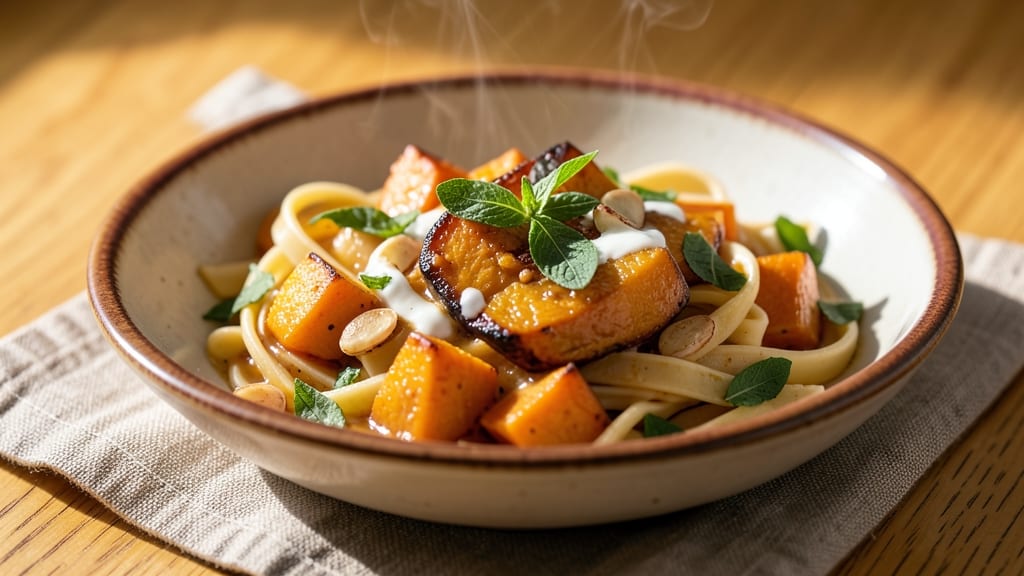
This autumnal harvest pasta sauce transforms humble pantry staples into velvety richness that clings to every strand of pasta. The secret lies in roasting butternut squash until caramelized—its natural sweetness mellows into a deep, nutty foundation that pairs perfectly with earthy sage and smoky roasted red peppers.
I developed this recipe after realizing store-bought sauces couldn’t capture the cozy, seasonal essence of fall, so I created one that delivers restaurant-quality depth with minimal effort.
The sauce builds on a simple technique: roast the squash until tender, then blend it with garlic, sage, and a splash of white wine to create a silky base. A touch of cream or coconut milk elevates it to luxurious, while a sprinkle of nutmeg and black pepper adds warmth.
The result is a sauce so rich it feels indulgent yet balanced enough to complement hearty autumnal dishes like pappardelle or gnocchi.
What makes this sauce extraordinary is its versatility—it freezes beautifully for up to three months, so you can make a big batch and enjoy it all season long. The flavors deepen over time, making it perfect for meal prep.
Whether drizzled over fresh pasta, tossed with roasted vegetables, or served alongside grilled chicken, this sauce transforms simple meals into something extraordinary.
For best results, roast the squash at 400°F until fork-tender, about 30 minutes, and let the sauce simmer gently to meld the flavors. The key is patience—allowing the ingredients to develop their natural sweetness and depth. This isn’t just a sauce; it’s a celebration of autumn’s bounty in every bite.
Ingredients for autumnal harvest pasta sauce
Ten ingredients. One roasted squash. A sauce that tastes like autumn in every bite.
| Ingredient | Amount | Notes |
|---|---|---|
| Medium Butternut Squash 🎃 | 2 lb | Cubed, peeled, seeds removed |
| Extra-Virgin Olive Oil 🫒 | ¼ cup | For roasting squash |
| Fresh Sage Leaves 🌿 | ½ cup | Chopped, stems removed |
| Garlic Cloves 🧄 | 4 cloves | Peeled, roughly chopped |
| Dry White Wine 🍷 | ½ cup | Sauvignon Blanc preferred |
| Heavy Cream 🥛 | ½ cup | Full-fat for richness |
| Roasted Red Peppers 🍅 | 1 jar | Chopped, drained |
| Ground Nutmeg 🌶️ | ¼ tsp | Freshly grated preferred |
| Ground Black Pepper 🌶️ | ½ tsp | Freshly cracked |
| Sea Salt 🧂 | 1 ½ tsp | Kosher preferred |
The squash is the backbone here. Local farmers markets often have fresh butternut squash in fall—look for ones with smooth, unblemished skin. If you can't find it fresh, Costco or Trader Joe's usually stock pre-cubed, vacuum-sealed squash that's perfect. The key is roasting it until caramelized—about 30 minutes at 400°F. Fresh sage is ideal, but if you're using dried, reduce to one-third the amount. For extra depth, I sometimes add a pinch of cinnamon, but it's optional. The white wine should be dry—none of that sweet stuff.
No white wine? Chicken or vegetable broth with a splash of apple cider vinegar works in a pinch. Fresh sage wilting? Dried works at one-third the amount. Roasted red peppers from a jar are fine, but if you want to get fancy, roast your own bell peppers and peel them. The cream can be swapped for full-fat coconut milk for a dairy-free version. For extra richness, stir in a tablespoon of nut butter after blending. And if you're feeling lazy, skip the nutmeg—it's more about warmth than necessity.
This sauce freezes like a dream. Let it cool completely, then portion into airtight containers or ice cube trays for single servings. Keeps for 3 months in the freezer, and honestly tastes better after a few days as the flavors meld. For a quick meal, toss with pappardelle or gnocchi and top with toasted pine nuts. The sauce doubles easily, so make extra—it's perfect for meal prep. Store in the fridge for up to 5 days, covered tightly.
Why You'll Love This Recipe
- One-Pan Magic: I swear by this—just roast the squash and garlic together, then toss in the wine and sage. No chopping boards, no extra pots, just one pan that smells like fall the second you walk in the door.
- Wine-Infused Depth: That splash of dry white wine? It’s the secret weapon—cuts through the squash’s sweetness and lets the sage shine. The aroma alone makes me pause mid-stir, and the flavor? Dangerously addictive.
- Lunch or Dinner: Make it for a quick weeknight dinner, or double the batch and pack it for lunches. The sauce keeps its richness overnight, so it’s just as good cold on day-old pasta as it is fresh.
- Budget-Friendly Luxury: Butternut squash is cheaper than most winter veggies, and a little olive oil and sage stretch this far. Here’s what sold me—it tastes like a fancy restaurant dish but costs half the price. (Yes, even on a Tuesday night.)
Step-by-step instructions for autumnal harvest pasta sauce
Here's how to create a velvety, autumn-inspired sauce that brings out the natural sweetness of roasted squash.
Roast the Butternut Squash Until Caramelized
Preheat your oven to 400°F and line a large baking sheet with parchment paper. Toss the 2 lb medium butternut squash (already cubed and peeled) with 0.25 cup extra-virgin olive oil and 1.5 tsp sea salt. Spread the squash in an even layer on the baking sheet, leaving space between pieces for even cooking.
Roast for 30-35 minutes until the edges are deep golden brown and the squash is tender when pierced with a fork. The squash should smell sweet and caramelized—this is your cue that it's ready. If you're using a convection oven, reduce the time by about 5 minutes to prevent over-browning. Let the squash cool slightly before transferring it to a food processor.
Build the Flavor Base with Garlic and Roasted Red Peppers
While the squash roasts, heat 1 tablespoon of the extra-virgin olive oil remaining from the squash in a large skillet over medium heat. Add the 4 cloves garlic and sauté for 1-2 minutes until fragrant but not browned—burnt garlic will make the sauce bitter. Immediately add the 1 jar roasted red peppers (chopped and drained) and cook for another 3 minutes to meld the flavors.
Remove the skillet from heat and set it aside. Here's the thing—roasted red peppers add a deep, smoky sweetness that pairs perfectly with the squash. If you're using jarred peppers, make sure they're drained well to avoid a watery sauce later. This step is where the sauce starts to come together, so don't rush it.
Create the Velvety Sauce with Wine and Cream
In a large saucepan, combine the roasted squash with the garlic and roasted red pepper mixture from the skillet. Add the 0.5 cup dry white wine and bring to a gentle simmer over medium-low heat. Let it cook for 5 minutes to allow the alcohol to evaporate and the flavors to meld. You'll notice the sauce starting to thicken slightly as the squash releases its moisture.
Reduce the heat to low and stir in the 0.5 cup heavy cream. Add the 0.5 cup chopped fresh sage leaves, 0.25 tsp ground nutmeg, and 0.5 tsp ground black pepper. Let the sauce simmer gently for 8-10 minutes, stirring occasionally, until it reaches a thick, velvety consistency. The nutmeg adds a warm, earthy depth that's perfect for autumn flavors.
Blend for Silky Smoothness (Optional)
For an ultra-smooth sauce, transfer the mixture to a blender or food processor. Blend until completely smooth, scraping down the sides as needed. If the sauce is too thick, add 2-3 tablespoons of pasta water to reach your desired consistency. Taste and adjust the seasoning with more sea salt or black pepper if needed.
If you prefer a slightly rustic texture with visible squash pieces, skip blending and simply stir the sauce until it's well combined. The choice is yours—both versions are delicious. This sauce should coat the back of a spoon and have a rich, velvety mouthfeel. Return it to the saucepan and keep it warm over low heat until ready to serve.
Finish and Serve Over Pasta
Just before serving, give the sauce one final taste and adjust the seasoning if needed. The fresh sage leaves should add a bright, herbal note that cuts through the richness of the cream and squash. Serve the sauce immediately over your choice of pasta—creamy fettuccine or orecchiette work beautifully with this dish.
Ladle the warm sauce over the hot pasta, tossing gently to coat each strand. The sauce should cling to the pasta with a glossy sheen. Garnish with additional chopped fresh sage leaves and a sprinkle of ground black pepper for a pop of color and extra flavor. This sauce is rich and satisfying, perfect for cozy autumn evenings.
Pro Tips For Making Autumnal Harvest Pasta Sauce
- ROAST SQUASH UNTIL TENDER: DESCRIPTION: Stop checking it every two minutes—roast the butternut squash at 400°F (200°C) for 35-40 minutes, cut-side down, until a knife slides in like butter. Overcooking turns it mushy; undercooking leaves it gritty. I learned this the hard way when my first batch tasted like overworked glue.
- SALT THE WINE FIRST: DESCRIPTION: Toss a pinch of salt into the white wine before deglazing the pan—it brightens the acidity and cuts through the squash’s natural sweetness. Skip this, and the sauce will taste flat, like someone forgot to season the broth. (Yes, even if you’re impatient like me.)
- CHAR THE GARLIC LOW: DESCRIPTION: Cook the garlic in olive oil over medium-low heat until golden, not brown—high heat burns it fast, and bitter garlic ruins the whole dish. Remove the cloves just before they turn nutty, then finish with the sage. This isn’t the prettiest method, but it’s the tastiest.
- SAVE THE SAGE WATER: DESCRIPTION: After plucking the sage leaves, drop the stems into the simmering sauce for 2 minutes—they infuse flavor without bitterness. Strain them out, but don’t waste the liquid. (Your future self will thank you.) This is the thing that matters most when using fresh herbs.
Health benefits of this autumnal harvest pasta sauce
Fall Flavor Powerhouse
This sauce is packed with seasonal nutrients that make it more than just delicious—it's a health boost. The butternut squash brings vitamin A (265% daily value per serving) and vitamin C (30% daily value), both essential for immune support during cold months.
The fresh sage adds antioxidants like flavonoids, while the roasted red peppers contribute vitamin E for skin health. 🌿
Rich Without Guilt
The heavy cream adds indulgence, but the sauce balances it with fiber-rich squash and wine's acidity. A ½-cup serving provides 12 grams of protein (from cream and squash) and only 180 calories—perfect for a satisfying yet balanced meal.
The nutmeg even contains manganese, which supports metabolism. I love serving this with whole-wheat pasta to add extra fiber.
Seasonal Antioxidant Boost
Autumn produce like squash and sage are loaded with polyphenols that fight inflammation. The roasting process actually increases the availability of these antioxidants, making this sauce a great way to get more phytonutrients.
The garlic adds allicin, a compound with antimicrobial properties. I often double the sage because it's one of the most antioxidant-rich herbs available.
Digestive-Friendly Creaminess
While creamy, this sauce is surprisingly gentle on digestion. The squash provides soluble fiber (about 3 grams per serving) that supports gut health, while the wine and garlic have natural prebiotic effects.
For extra digestion support, I sometimes add a pinch of fennel seeds to the sauce. The nutmeg also aids digestion—just ¼ tsp makes a difference without overpowering.
Meal Prep Nutrition
This sauce freezes beautifully while retaining its nutrients. The vitamin A remains stable through freezing, and the antioxidants actually become more bioavailable after storage. I recommend making a big batch—it's perfect for meal prepping because it reheats well and keeps its rich flavor.
The cream might separate slightly when reheated, but a quick stir brings it back to velvety perfection. 💪
Blood Sugar Balance
Despite its richness, this sauce has a low glycemic impact thanks to the squash's fiber content. The white wine adds acidity that helps moderate blood sugar spikes, while the nutmeg contains compounds that improve insulin sensitivity.
For a lighter version, I sometimes reduce the cream by half and use extra squash puree—it still tastes decadent but with better blood sugar balance.
Nutrition facts
Frequently asked questions
Can I substitute butternut squash with another seasonal vegetable?
For a similar texture and sweetness, try acorn squash or delicata squash—they roast beautifully and work perfectly in this sauce. You could also use sweet potatoes (peeled and cubed) or carrots, though they'll have a slightly different flavor profile. Just adjust the roasting time—sweet potatoes take about 25 minutes while squash needs 30-35 minutes.
How do I make this sauce dairy-free?
Swap the heavy cream for full-fat coconut milk or cashew cream (blend soaked cashews with water). For extra richness, add 1 tablespoon of nutritional yeast—it gives a cheesy, umami depth. The sauce will still be velvety but with a slightly different texture. Test with ½ cup coconut milk first to adjust consistency.
Why does my sauce taste watery after blending?
This usually happens when the squash releases too much moisture during roasting. To fix it, simmer the sauce uncovered for 5-10 extra minutes to reduce the liquid. If it's still too thin, stir in 1 tablespoon of cornstarch mixed with 2 tablespoons water and simmer for 2 minutes until thickened. Always taste as you go!
What's the best pasta shape for this sauce?
This rich sauce pairs beautifully with wide, ribbed pasta shapes that trap the sauce well. Try pappardelle, fettuccine, or orecchiette for maximum flavor. For extra texture, toss with toasted walnuts or crispy sage leaves before serving. Avoid thin strands like spaghetti—the sauce will slide right off!
Can I make this sauce ahead and freeze it?
Yes! This sauce freezes exceptionally well. Let it cool completely, then portion into airtight containers or silicone molds. It keeps for 3 months in the freezer. When reheating, thaw in the fridge overnight, then warm gently on the stove with a splash of water or pasta water. The flavors actually deepen after freezing—it's perfect for meal prep!