
Sauces & Condiments
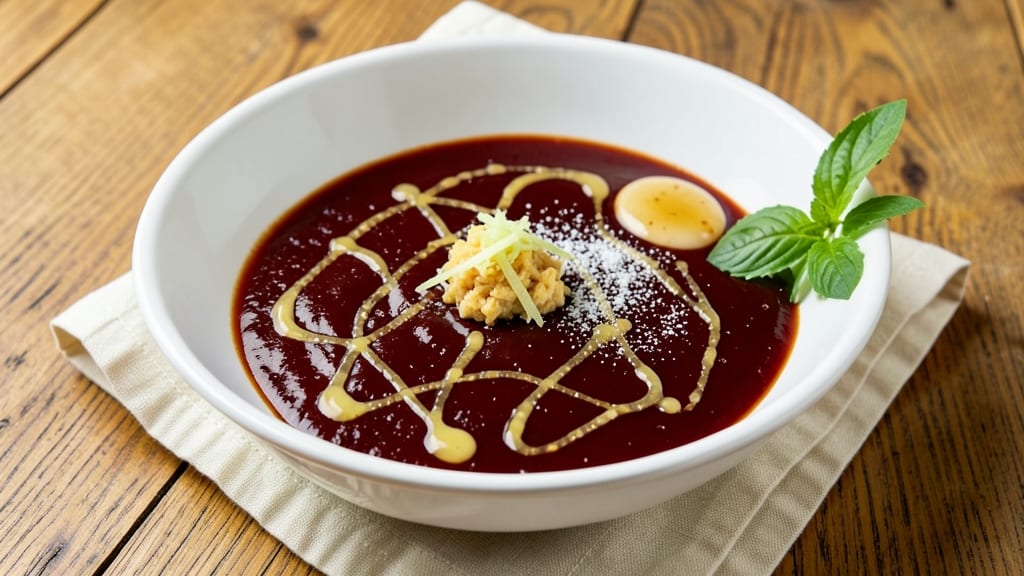
This chowmein sauce recipe delivers the bold, savory depth that transforms simple noodles into restaurant-quality wok-tossed perfection. The secret lies in balancing soy sauce, oyster sauce, and sesame oil—a trio that creates layers of umami and toasted richness.
I developed this version after years of testing, ensuring it thickens just enough to cling to noodles without becoming gluey. One taste, and you'll never buy bottled sauce again.
The foundation starts with a simple simmer of aromatics—garlic, ginger, and chili paste—that infuses the sauce with warmth before thickening it with cornstarch slurry. Toasted sesame oil adds that signature nutty crunch, while a splash of rice vinegar brightens the deep flavors.
The result is a sauce that's versatile for stir-fries, dumplings, or cold noodle salads, and keeps well in the fridge for up to a week.
What sets this sauce apart is its ability to elevate any dish while remaining simple to make. The ingredients are pantry staples, and the process takes just 15 minutes—no fancy techniques required.
Whether you're tossing it with fresh egg noodles or drizzling it over chowmein, the flavor is consistently rich, slightly sweet, and packed with that irresistible sesame crunch.
For extra depth, let the sauce sit for 10 minutes after cooking—this allows the flavors to meld and intensify. Store leftovers in an airtight container, and you'll have a quick, restaurant-quality sauce ready for spontaneous meals. Here's how to make it perfectly every time.
Ingredients for chowmein sauce
Nine pantry staples transform into restaurant-quality chowmein sauce with just 15 minutes of simmering.
| Ingredient | Amount | Notes |
|---|---|---|
| Light Soy Sauce 🥢 | ½ cup | High-quality brand preferred |
| Oyster Sauce 🦪 | ¼ cup | Thick, dark variety for depth |
| Toasted Sesame Oil 🫒 | 1 ½ tbsp | For authentic nutty crunch |
| Rice Vinegar 🍶 | 1 tbsp | Brightens the umami flavors |
| Cornstarch 🌾 | 1 tbsp | For perfect thickening |
| Garlic Cloves 🧄 | 3 cloves | Minced for aromatic base |
| Fresh Ginger 🌿 | 1 tbsp | Grated, for zesty warmth |
| Red Chili Paste 🌶️ | 1 tbsp | For subtle heat and depth |
| Water 💧 | ½ cup | For slurry consistency |
| Sesame Seeds 🥜 | 1 tsp | Toasted, for garnish |
The soy sauce and oyster sauce are non-negotiable here—Lee Kum Kee or Thai Kitchen are my go-tos for reliable quality. Grab the darkest oyster sauce you can find, as it packs more umami depth. Toasted sesame oil is a game-changer; Kadoya or La Choy are solid options, but any brand with 'toasted' on the label works. Fresh ginger and garlic should be vibrant—no shriveled nubs. For the chili paste, Maesri or Thai Kitchen brands deliver consistent heat without overpowering. If you're using pre-minced garlic or ginger from a jar, drain and rinse it first—those preservatives can dull the flavor.
No oyster sauce? Hoisin sauce or extra soy sauce with a pinch of sugar works in a pinch, though it won't be identical. Substitute sesame oil with toasted peanut oil at half the amount for a different but still delicious crunch. Running low on cornstarch? Arrowroot powder or all-purpose flour does the job, though cornstarch gives the cleanest thickening. The rice vinegar can be swapped for apple cider vinegar or lime juice, though rice vinegar's mild sweetness is ideal. For extra depth without heat, add a dash of fish sauce (if not vegetarian) or soy sauce with a splash of coconut aminos.
This sauce keeps beautifully—1 week in the fridge sealed in an airtight container. For longer storage, freeze in ice cube trays, then transfer to a bag—perfect for quick stir-fries later. The flavors actually improve after resting 10 minutes off the heat, so don't rush that step. If the sauce thickens too much when reheating, stir in a splash of water or broth. Garnish with toasted sesame seeds right before serving to keep that nutty crunch intact.
Why You'll Love This Recipe
- Pantry Magic: I swear by this sauce—no fresh herbs, no fancy prep. Just open the cabinet, grab those five staples, and you’ve got a glossy, umami-packed base ready in minutes. The toasted sesame oil alone transforms it from basic to chef’s kiss.
- Umami Bomb: That combo of oyster sauce and light soy? It’s the secret weapon. Salty, sweet, and just a hint of funk—no weird aftertaste, just pure savory satisfaction. Add a splash of rice vinegar, and suddenly your stir-fry tastes like a takeout order you’d drive across town for.
- Leftover Hero: Make a double batch and store it in the fridge. Drizzle it over noodles, toss it with cold rice, or even use it as a glaze for chicken. It keeps for weeks, and honestly? I’ve had it last me through three lunches without getting tired.
- Budget Stretch: Forget pricey sauces—this costs pennies per serving. A little goes a long way, and you’re not sacrificing flavor. Between us, I’ve made this for date nights, lazy Sundays, and even as a quick fix when I burned dinner. It’s my wallet’s best friend.
Step-by-step instructions for chowmein sauce
This sauce delivers restaurant-quality umami depth with a perfect balance of heat and nutty crunch.
Toast the Aromatics for Maximum Flavor
In a small nonstick skillet, heat 1.5 tablespoons toasted sesame oil over medium heat until shimmering. Add the 3 minced garlic cloves and 1 tablespoon grated fresh ginger, stirring constantly for 30 seconds until fragrant but not browned. Here's the thing—cooking the aromatics first extracts their full flavor potential, which forms the foundation of your sauce.
Remove the skillet from heat and let the aromatics cool for 1 minute. This prevents the garlic from burning when you add the vinegar later. The mixture should smell intensely aromatic with a hint of spice—this is your flavor anchor. Transfer the toasted aromatics to a small mixing bowl and set aside.
Build the Umami Base
In a medium saucepan, combine 0.5 cup light soy sauce, 0.25 cup oyster sauce, and 1 tablespoon rice vinegar. Bring to a gentle simmer over medium-low heat, stirring occasionally. The sauce should reduce slightly—you're looking for about 5-7 minutes of active simmering until the mixture thickens just enough to coat the back of a spoon.
I like to taste at this stage to check the balance. The sauce should be salty with umami depth from the oyster sauce, and a bright tang from the vinegar. If it's too salty, you can add a splash of water later to adjust, but don't rush this reduction—it develops the sauce's complexity. The color should be a rich amber, indicating proper caramelization of the soy components.
Thicken and Incorporate Heat
In a separate small bowl, whisk together 1 tablespoon cornstarch and 0.5 cup water to create a smooth slurry. Return the umami base to a gentle simmer and slowly pour in the cornstarch mixture while whisking continuously. The sauce will thicken dramatically within 1-2 minutes—this is when you need to stay vigilant and stir constantly to prevent lumps.
Once thickened, reduce heat to low and stir in the 1 tablespoon red chili paste and the toasted garlic-ginger mixture. Simmer for another 2 minutes to allow the chili paste to soften and meld with the other flavors. The sauce should now have a glossy sheen and a perfect balance of sweet, salty, umami, and subtle heat. If it's too thick, you can thin it with a teaspoon of water at this stage.
Finish with Toasted Sesame Crunch
Remove the sauce from heat and let it cool slightly for 2-3 minutes. This resting period allows the flavors to fully meld. While it cools, toast 1 teaspoon sesame seeds in a dry skillet over medium heat for 1-2 minutes, shaking the pan frequently until fragrant and golden. The seeds should smell intensely nutty—this is your final flavor boost.
Just before serving, stir the toasted sesame seeds into the sauce. The contrast between the smooth, glossy sauce and the crunchy seeds creates that signature chowmein texture. For best results, use the sauce immediately—it's designed to be tossed with hot noodles and vegetables right away. The sauce will keep in the refrigerator for up to 5 days, but it's truly best when fresh.
Pro Tips For Making Chowmein Sauce
- Whisk Cornstarch First: Mix the cornstarch with a splash of cold water or light soy sauce before adding it to the hot sauce—this prevents clumping like I used to get when just dumping it in dry. A smooth sauce means no grainy bits ruining the texture.
- Heat Sauces Separately: Warm the oyster sauce and light soy sauce in a small pan first—just until steaming, not boiling. This deepens their flavor without overpowering the delicate rice vinegar later. (Yes, I know it’s extra work, but the difference is noticeable.)
- Add Sesame Oil Last: Toss in the toasted sesame oil right before serving—it’s heat-sensitive and burns faster than you’d think. A few drops at the end keep that nutty aroma intact instead of turning bitter.
- Balance Vinegar Early: Taste the sauce after combining soy and oyster sauces, then add rice vinegar gradually—start with half the amount. Too much upfront and you’ll need to compensate with more sugar or water later. (I learned this after making a batch that tasted like a pickled noodle disaster.)
Perfect pairings for this recipe
Noodle Pairings
This sauce shines with fresh egg noodles or lo mein noodles—their chewy texture contrasts perfectly with the glossy sauce. For extra authenticity, use rice noodles (like vermicelli or pad Thai noodles) for a lighter, Asian-inspired dish.
I love tossing it with chow mein noodles for that classic restaurant-style crunch, especially when topped with crispy fried shallots and green onions. 🍜
Protein Additions
Add shrimp or chicken breast for a quick protein boost—simmer them in the sauce for 5-7 minutes before tossing with noodles. For vegetarian options, try tofu (press and pan-fry first) or mushrooms like shiitake for an umami-packed bite.
I also love adding char siu pork (store-bought or homemade) for that sweet-savory balance. 🥩
Vegetable Boosters
Brighten the dish with bell peppers, baby corn, or bok choy—all hold up well to wok-tossing. For extra crunch, add water chestnuts or bean sprouts at the end.
I often stir-fry garlic chives and red bell peppers in the wok before adding noodles—they add a fresh, slightly sweet contrast to the rich sauce. 🌶️
Dipping Sauce Twist
Thin the leftover sauce with 1-2 tablespoons water to create a dipping sauce for spring rolls or dumplings. Add a splash of lime juice and extra sesame seeds for a zesty, crunchy dip.
This works beautifully with pork or shrimp dumplings—just brush them lightly with the sauce before pan-frying. 🥟
Cold Noodle Salad
For a refreshing twist, chill the sauce slightly and toss it with cold soba noodles, cucumber slices, and edamame. Add crispy fried wontons for texture and top with sesame seeds and cilantro. This works as a light lunch or appetizer—just
Use the sauce as a base for Breakfast Bowls
Nutrition facts
Frequently asked questions
Can I make this sauce without oyster sauce?
Yes! For a vegetarian version, replace the oyster sauce with 2 tablespoons hoisin sauce plus 1 teaspoon sugar to mimic the umami depth. If you don't have hoisin, use extra soy sauce with a pinch of sugar or coconut aminos for a similar flavor profile. The sauce will still taste rich and savory, though slightly less complex.
How do I adjust the heat level in this sauce?
For milder heat, reduce the chili paste to ½ tablespoon or swap it for ½ teaspoon chili flakes. If you love spice, add ½ teaspoon sriracha or gochujang along with the chili paste. Always taste as you go—you can't overdo the heat, but you can't fix it if you underestimate!
Why did my sauce turn out too thick?
This usually happens if the cornstarch slurry thickens too quickly. Next time, whisk the cornstarch into cold water first, then slowly add it to the simmering sauce while stirring constantly. If it's already too thick, thin it with 1 teaspoon warm water at a time until it reaches a glossy, coatable consistency.
Can I make this sauce ahead of time?
This sauce actually tastes better after resting. Store it in an airtight container in the fridge for up to 5 days or freeze in ice cube trays for up to 3 months. Reheat gently on the stove, adding a splash of water if needed. The flavors meld beautifully overnight, making it perfect for meal prep.
What's the best way to use leftover sauce?
Leftover sauce is perfect for dipping—thin it with 1-2 tablespoons water and add a splash of lime juice for a zesty dip. It also works great as a marinade for tofu or chicken, or as a quick glaze for grilled meats. Just reheat and adjust the consistency as needed.