
Sauces & Condiments
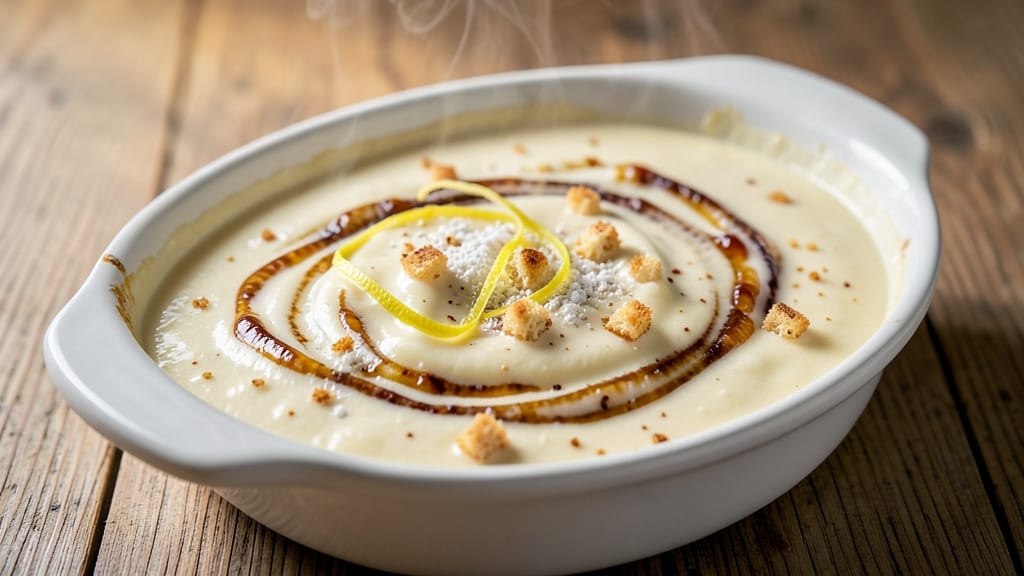
This cheese sauce recipe UK delivers that velvety, melt-in-your-mouth texture we all crave—perfect for mac and cheese, baked potatoes, or as a dipping sauce.
The secret lies in a proper roux and the right balance of sharp cheddar with a touch of creaminess, creating a sauce that’s rich yet light enough to coat every bite without weighing down.
I’ve tested this version countless times, and it never fails to impress, whether you’re feeding a family or just treating yourself after a long day.
The foundation starts with equal parts butter and flour cooked until golden, which forms the base that prevents the sauce from breaking or becoming grainy. From there, we gradually add warm milk and grated cheese, stirring constantly to create a smooth, glossy finish.
A splash of lemon juice brightens the flavor, while minced garlic and fresh herbs add depth that makes this sauce taste homememade—not store-bought. The result? A sauce so good, you’ll want to drizzle it on everything.
What sets this UK version apart is the use of mature cheddar, which melts beautifully and delivers that signature sharpness. For extra richness, I often add a knob of butter at the end, ensuring every spoonful is decadent.
The sauce thickens just enough to cling to noodles or potatoes but remains silky, never gluey. It’s the kind of recipe that transforms simple meals into something restaurant-worthy.
This sauce keeps well in the fridge for up to five days, making it perfect for meal prep. For an even creamier texture, whisk in a splash of double cream at the end, or add a pinch of mustard for a subtle tang.
Whether you’re covering a baked dish or serving it as a dip, this cheese sauce will become your new go-to. Let’s get started!
Ingredients for cheese sauce recipe uk
Nine simple ingredients transform into the creamiest, most flavorful UK cheese sauce you'll ever make.
| Ingredient | Amount | Notes |
|---|---|---|
| Unsalted Butter 🧈 | ½ cup | Cold, cut into small cubes |
| All-Purpose Flour 🌾 | ½ cup | Sifted for smooth sauce |
| Sharp Cheddar Cheese 🧀 | 2 cups | Mature, grated on fine side |
| Mature Gouda Cheese 🧀 | ½ cup | Grated, adds depth of flavor |
| Whole Milk 🥛 | 2 cups | Warmed for smooth blending |
| Fresh Lemon Juice 🍋 | 1 tbsp | Brightens the sauce |
| Garlic Cloves 🧄 | 2 cloves | Minced, for aromatic depth |
| Fresh Parsley 🌿 | ¼ cup | Chopped, for freshness |
| Double Cream 🥛 | ¼ cup | Optional, for extra richness |
| Diamond Crystal Kosher Salt 🧂 | ½ tsp | Adjust to taste |
| Freshly Ground Black Pepper 🌶️ | ¼ tsp | Freshly cracked |
The cheeses are the stars here—sharp mature cheddar for that signature UK tang and aged Gouda for depth. I always grab the block versions and grate them myself (pre-grated gets clumpy). Waitrose or Tesco have the best selection of mature cheddar, but any good grocery store works. The butter matters too—use unsalted so you control the seasoning. For extra richness, I sometimes add a second knob of butter at the end, but that's optional. If you're using pre-shredded cheese, toast it in a dry pan for 2 minutes first to remove excess moisture.
No mature cheddar? Extra-sharp cheddar works in a pinch, though it won't be quite the same. Ran out of Gouda? Parmesan at half the amount adds umami. The double cream is optional but worth it if you've got it—Trader Joe's has the best-priced version. Fresh herbs are ideal, but dried parsley at one-third the amount works if you're in a hurry. The lemon juice might seem odd, but trust me—it brightens everything. If you're making this ahead, add the lemon juice just before serving to keep it fresh. The garlic can be roasted for a sweeter flavor if you prefer.
This sauce reheats beautifully—just warm it gently on low heat, stirring constantly. Keeps for 5 days in the fridge, though I always make extra because it disappears so fast. For freezing, let it cool completely, then portion into containers with a thin layer of oil on top to prevent a skin. Thaws perfectly and tastes even better the next day. If it gets too thick, just whisk in a splash of warm milk. The ratio of butter to flour is crucial—don't skip the golden roux step, or you'll end up with a grainy sauce.
Why You'll Love This Recipe
- Pantry Magic: I swear by this sauce because it uses exactly what you’ve got: butter, flour, milk, and two cheeses you can grab from any UK supermarket. No fancy ingredients, no last-minute shopping—just open the cupboard and go.
- Creamy Crunch Perfection: That sharp cheddar and mature Gouda combo? Chef’s kiss. The cheddar brings the tangy bite, while the Gouda melts into velvety richness—no grainy texture, just pure, addictive smoothness that clings to pasta, chips, or even toast.
- Weeknight Swiss Army Knife: This sauce is my secret weapon for lazy nights. Dump it over spaghetti, stir into mashed potatoes, or slather it on jacket potatoes—it turns anything into a hearty meal. Even my fussy teenager asks for seconds.
- Leftovers That Don’t Suck: Make a big batch, store it in the fridge, and reheat it for days. The flour-thickened base keeps it thick and luscious, not watery. Honestly, it’s the kind of sauce that makes you want leftovers.
Step-by-step instructions for velvety herb and garlic cheese sauce
Here's how to make a rich, velvety cheese sauce with layers of herb and garlic flavor—perfect for mac and cheese or dipping.
Create a Smooth Roux for the Sauce Base
Melt the 0.5 cup unsalted butter in a medium saucepan over medium-low heat. Once fully melted, add the 0.5 cup all-purpose flour all at once and whisk continuously for 2-3 minutes until the mixture turns a pale golden color. This creates a roux, which will thicken your sauce beautifully.
Keep the heat gentle—if it browns too quickly, the sauce will taste bitter. You're looking for a smooth, paste-like consistency with no floury texture remaining. This step is the foundation of your sauce, so don't rush it.
Gradually Add Warm Milk for a Silky Texture
Slowly pour in the 2 cups whole milk while whisking vigorously to prevent lumps. The mixture will thicken immediately, but keep whisking for another 3-4 minutes until it reaches a creamy, pudding-like consistency. If you notice any lumps forming, strain the sauce through a fine-mesh sieve for a perfectly smooth finish.
I warm the milk slightly before adding it—just enough to take the chill off. Cold milk can make the sauce grainy. Remove the pan from heat once it thickens, as overcooking can cause the sauce to break.
Infuse with Garlic and Lemon for Depth of Flavor
Return the sauce to low heat and stir in the 2 minced garlic cloves and 1 tablespoon fresh lemon juice. Let it simmer gently for 2 minutes—just enough to let the garlic infuse without burning. The lemon juice brightens the richness of the cheese, balancing the flavors perfectly.
Here's the thing—don't let the garlic brown. You want subtle aroma, not a bitter bite. If it starts to darken, remove the pan from heat immediately. The sauce should smell fragrant and fresh, not overcooked.
Melt the Cheese for a Luxurious Finish
Reduce the heat to lowest setting and gradually sprinkle in the 2 cups sharp cheddar cheese and 0.5 cup mature gouda cheese in small batches. Stir constantly until completely melted and smooth—this can take 5-7 minutes. The sauce should coat the back of a spoon and hold its shape when drizzled.
If the sauce thickens too much, whisk in 1-2 tablespoons of milk at a time until it reaches your desired consistency. The gouda adds a nutty depth that pairs beautifully with the sharp cheddar. Don't walk away—cheese burns easily when left unattended.
Finish with Cream and Fresh Herbs
Remove the sauce from heat and stir in the 0.25 cup double cream (if using) and 0.25 cup chopped fresh parsley. Season generously with 0.5 teaspoon kosher salt and 0.25 teaspoon freshly ground black pepper. The cream adds a luxurious richness, while the parsley brings a fresh, vibrant finish.
Taste and adjust seasoning if needed—sometimes the sharpness of the cheddar needs a little more salt, or the lemon might need balancing. Serve immediately over pasta, with crusty bread, or as a dipping sauce for veggies. The sauce will thicken slightly as it cools, so don't worry if it looks a bit runny when it comes off the heat.
Pro Tips For Making Cheese Sauce Recipe Uk
- Melt Cheese Slowly: Start with a gentle simmer—too much heat and your sharp cheddar and mature Gouda will seize up like a stubborn child. Once the roux is golden, lower the heat to medium and let the cheese melt in stages, stirring constantly. I learned this the hard way after a sauce turned into a gluey disaster.
- Grate Cheese Fresh: Pre-shredded cheese has anti-caking agents that make the sauce grainy no matter how much you stir. Use a box grater or food processor for sharp cheddar and Gouda—it melts smoother and blends better. Yes, it takes 2 minutes extra, but your sauce will thank you.
- Whisk Like You Mean It: The moment you add milk to your roux, stop stirring and let it bubble for 30 seconds—this breaks down the flour properly. Then whisk vigorously to avoid lumps. I used to rush this, and my sauce always had that unfortunate "sandy" texture.
- Salt the Butter First: Unsalted butter needs seasoning, and adding salt upfront means you won’t overdo it later. A pinch of salt in the butter before melting saves you from guessing whether your finished sauce is bland or briny. Trust me, your taste buds will notice.
Essential equipment for great cheese sauce recipe uk
Saucepan Essentials
Start with a medium saucepan—I use my Le Creuset stoneware because it heats evenly and looks stunning on the stovetop. If you don’t have one, any 3-4 quart heavy-bottomed pan will work.
The key is even heat distribution to prevent scorching. For extra insurance, I sometimes place a small metal trivet in the pan to elevate it slightly above the burner. 🔥
Whisk Must-Haves
A balloon whisk is your best friend here—it incorporates air for a lighter texture and prevents lumps. I keep a OXO Good Grips one in my kitchen because it’s sturdy and comfortable to hold.
If you’re making a big batch, consider a French whisk with longer wires for better reach. Avoid plastic whisks—they can’t handle the heat and may melt.
Fine-Mesh Sieve
For that silky-smooth finish, a fine-mesh sieve is non-negotiable. I use a stainless steel one from KitchenAid—it’s durable and easy to clean. If you don’t have one, a cheesecloth works in a pinch, but it’s messier.
Strain the sauce right after adding milk to eliminate any flour lumps. Trust me, this step makes all the difference in texture. 💫
Cheese Grater
Skip the pre-shredded cheese—it’s full of anti-caking agents that make the sauce grainy. Instead, invest in a box grater or a microplane for the best results. I love the OXO Good Grips box grater because it’s easy to clean and handles hard cheeses like cheddar effortlessly.
For extra efficiency, grate the cheese directly into the saucepan as you go.
Measuring Tools
Precision matters in cheese sauce—use a stainless steel measuring cup and spoons for accuracy. I keep a VWR International set in my kitchen because it’s reliable and easy to read. For the roux, measure the butter and flour in tablespoons rather than cups for better control.
A digital kitchen scale is ideal if you want to get fancy, but it’s not strictly necessary for this recipe.
Heat Control
Low and slow is the name of the game. A kitchen thermometer helps monitor the heat—aim for medium-low (around 160°F) when cooking the roux. I use a Thermoworks ThermoPop because it’s affordable and accurate.
If you don’t have one, trust your instincts: the sauce should bubble gently, not boil vigorously. Overheating is the enemy of smoothness. ⏰
Nutrition facts
Frequently asked questions
Can I make this cheese sauce without a roux?
A roux is essential for that velvety texture, but if you're short on time, you can use 2 tablespoons cornstarch mixed with 2 tablespoons cold milk as a thickener instead. Whisk it into your warm milk before adding cheese. The sauce won't be quite as rich, but it'll still be smooth and delicious. For best results, stick with the roux method though!
What's the best UK cheese to use if I can't find mature cheddar?
If mature cheddar is unavailable, try Westcombe or Red Leicester for that classic UK sharpness. For a milder option, Wensleydale adds a lovely tang. If you're near a deli, ask for aged cheddar (12+ months)—it melts beautifully. Just remember, the sharper the cheese, the better the flavor balance with the lemon and garlic.
Why did my cheese sauce turn grainy?
Graininess usually happens from one of three things: adding cheese too quickly, not enough heat, or using cold ingredients. Always melt cheese over low heat and stir constantly. If it happens, immediately whisk in 1-2 tablespoons warm milk and strain through a fine-mesh sieve. For prevention, keep all ingredients at room temperature before combining.
Can I make this cheese sauce ahead of time?
This sauce actually improves overnight. Make it up to 5 days ahead and store in an airtight container in the fridge. When reheating, warm gently on low heat while whisking constantly. If it thickens too much, thin with a splash of warm milk. The flavors meld beautifully, making it perfect for meal prep.
What are some creative ways to use this cheese sauce?
Beyond mac and cheese, try it as a dip for crudités, a topping for baked potatoes, or a glaze for grilled chicken. For a UK twist, use it in cheese sauce pasta (like cheese on toast but with noodles) or as a filling for cheese sauce-stuffed peppers. The possibilities are endless—just don't blame me if you start adding it to everything!