
Sauces & Condiments
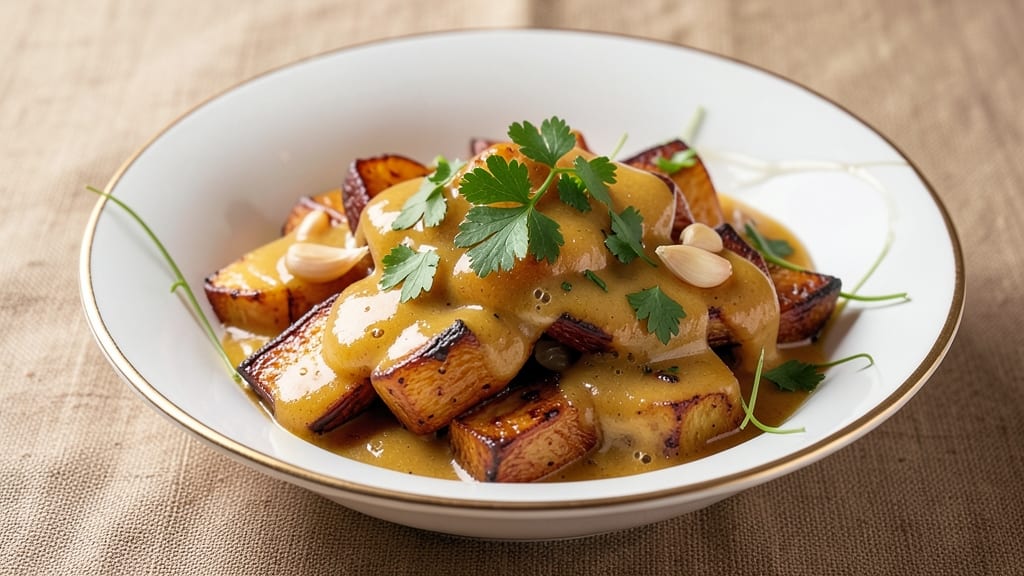
This butter sauce recipe for vegetables transforms simple roasted greens into a luxurious, restaurant-worthy side dish. The secret lies in balancing rich butter with bright acidity—just a splash of lemon juice keeps the sauce from becoming heavy, while fresh herbs add freshness that cuts through the richness.
I developed this recipe after years of testing, and it delivers a velvety, drizzle-worthy sauce that clings beautifully to asparagus, green beans, or broccoli.
The process is straightforward but requires attention to detail: melted butter and lemon juice must be whisked vigorously over simmering water to create a stable emulsion. This technique ensures the sauce remains smooth and glossy, not separated or greasy.
The addition of garlic and parsley infuses subtle depth, while a pinch of salt enhances all the flavors. What you end up with is a sauce that elevates even the simplest vegetables to gourmet status.
This butter sauce works equally well as a finishing drizzle or a light coating before roasting. Its versatility makes it perfect for both weeknight meals and special occasions—imagine roasted Brussels sprouts with crispy edges and a glossy butter glaze, or asparagus spears coated in this golden sauce.
The result is a dish that looks impressive yet requires minimal effort, proving that simple ingredients can create extraordinary flavors.
Once you master this technique, you'll never settle for plain butter again. The sauce keeps well in the refrigerator for up to three days, making it ideal for meal prep.
Whether you're serving it alongside grilled meats or as a standalone vegetable dish, this butter sauce will become a staple in your kitchen. Let's get started!
Ingredients for butter sauce recipe for vegetables
Eight simple ingredients create this restaurant-worthy butter sauce that transforms vegetables into gourmet bites.
| Ingredient | Amount | Notes |
|---|---|---|
| Unsalted Butter 🧈 | ¾ cup | Cold, cut into small cubes |
| Fresh Lemon Juice 🍋 | 3 tbsp | Freshly squeezed, strained |
| Garlic Cloves 🧄 | 3 cloves | Minced, fresh preferred |
| Fresh Flat-Leaf Parsley 🌿 | ¼ cup | Finely chopped, stems removed |
| Kosher Salt 🧂 | ½ tsp | Diamond Crystal preferred |
| White Wine Vinegar 🍶 | 1 tbsp | Substitute apple cider vinegar |
| Freshly Ground Black Pepper 🌶️ | ¼ tsp | Freshly cracked preferred |
| Water 💧 | ¼ cup | Room temperature |
The butter is non-negotiable here—unsalted, high-quality makes all the difference. I always grab Plugrá or Land O'Lakes from the grocery store, but if you're feeling fancy, European-style cultured butter adds even more depth. The lemon juice needs to be fresh (none of that bottled stuff)—Eureka lemons have the best balance of tartness and sweetness. For the garlic, roasted garlic gives a milder flavor if you're sensitive to raw garlic's bite, but fresh minced is what I use most often. The parsley? Fresh flat-leaf is ideal, but curly parsley works in a pinch if that's what you've got.
No fresh lemon juice? Bottled lemon juice works in a bind, but it lacks the bright acidity. Short on parsley? Fresh chives or tarragon add a nice twist. The white wine vinegar can be swapped for rice vinegar or even more lemon juice if you're out. The water is key for creating that perfect emulsion—don't skip it. For a richer sauce, add 1 tsp of heavy cream at the end. And if you're making this ahead, strain the sauce through a fine-mesh sieve for ultra-smooth texture.
This sauce is best made fresh, but it keeps beautifully in the fridge for 3-4 days if stored in an airtight container. Reheat gently over low heat, adding a splash of water if it thickens too much. For a restaurant-quality finish, strain again before serving to remove any bits. The sauce reheats perfectly, so it's great for meal prep—just drizzle over roasted veggies before serving. And if you make extra? Freeze in ice cube trays for quick portions later.
Why You'll Love This Recipe
- Five-Ingredient Magic: I swear by this sauce—just butter, lemon, garlic, parsley, and salt. That’s it. No fancy techniques, no last-minute grocery runs. My lazy Sundays now include roasted Brussels sprouts drowning in this stuff while I sip coffee.
- Garlic-Lemon Glow: The moment you hit it with lemon juice, that butter transforms. Bright, zesty, with garlic that lingers just enough to make every bite feel like a little reward. Honestly, my picky-eating teen actually finishes his veggies now.
- Weeknight Superhero: Dinner parties? Check. Busy Tuesday nights? Double check. This sauce turns sad steamed carrots into the star of the meal. Double the batch—it’s just as good reheated the next day on toasted bread or tossed with pasta.
- Budget Brightener: A stick of butter and a lemon won’t break the bank, but they’ll make your veggies taste like you spent hours in the kitchen. Between us, this is how I trick myself into eating more greens without feeling deprived.
Step-by-step instructions for rich, velvety butter sauce
This sauce transforms simple vegetables into something extraordinary—creamy, bright, and packed with flavor.
Melt the Butter and Infuse with Garlic
Place a medium saucepan over medium-low heat and add the 0.75 cup unsalted butter, cut into small cubes. Let it melt slowly, stirring occasionally with a wooden spoon. Once fully melted, add the 3 cloves minced garlic and cook for 1-2 minutes until fragrant but not browned—just golden around the edges. This gentle cooking prevents bitterness and builds flavor.
Here's the thing—if the butter starts to foam or bubble too vigorously, immediately reduce the heat to low. You're aiming for a steady simmer, not a sizzle. The garlic should smell amazing but not taste harsh. If it does, you've gone too far and need to start over.
Deglaze with Vinegar and Water
Pour in the 1 tablespoon white wine vinegar and 0.25 cup water, scraping the bottom of the pan with your wooden spoon to release any browned bits. These bits are pure flavor—don't miss them! Bring the mixture to a gentle simmer and let it reduce by half, which should take about 3-4 minutes. You'll notice the sauce thicken slightly and the vinegar aroma mellow into something more complex.
This reduction step is crucial—it concentrates the flavors and creates the perfect base for the sauce. If you rush it, the sauce will taste thin and watery. Patience here ensures a velvety finish. Taste the mixture now—it should be tangy but balanced, with a hint of garlic sweetness.
Add Lemon Juice and Seasonings
Remove the pan from heat and stir in the 3 tablespoons fresh lemon juice, 0.5 teaspoon kosher salt, and 0.25 teaspoon freshly ground black pepper. The lemon brightens everything, cutting through the richness of the butter while adding a fresh, zesty note. Let the mixture sit off the heat for 1 minute to let the flavors meld—this is where the magic happens.
Here's where it gets fun—taste and adjust the seasoning. You might need a pinch more salt or a splash more lemon juice to balance the flavors. The sauce should be tangy, slightly salty, and aromatic. If it tastes too sharp, add a tiny bit more butter to mellow it out.
Finish with Parsley and Emulsify
Return the pan to low heat and stir in the 0.25 cup finely chopped parsley. The parsley adds freshness and a pop of color, but more importantly, it helps emulsify the sauce. Using an immersion blender (or carefully whisking), blend the sauce until it's completely smooth and velvety. If you don't have an immersion blender, whisk vigorously for 1-2 minutes—you'll feel the sauce thicken and become silky as it emulsifies.
Real talk: if the sauce looks too thick, add 1 teaspoon water at a time until it reaches a drizzling consistency. You want it to coat the back of a spoon but still flow easily. The sauce should be rich, creamy, and ready to elevate any roasted or steamed vegetable. Serve immediately while warm for the best results!
Pro Tips For Making Butter Sauce Recipe For Vegetables
- Melt Butter Slowly: Start with cold butter—cut it into small cubes and let it melt gradually over medium-low heat. I learned this the hard way after splattering butter everywhere while trying to rush it, and now my sauce never seizes or burns.
- Minced Garlic First: Finely mince your garlic (or use a microplane) and cook it in the butter for 30 seconds until fragrant but not browned. Sounds weird, but it works: this prevents bitter overcooking and ensures the garlic flavor integrates smoothly into the sauce.
- Salt the Butter: Add a pinch of kosher salt to the melted butter before anything else—this seasons the base and prevents flat flavor later. I skip this sometimes, and the sauce always tastes noticeably underwhelming.
- Strain the Parsley: Use a fine-mesh strainer to press chopped parsley through for a cleaner, brighter finish. It’s a little extra effort, but it makes the sauce look and taste more polished—no clumps, just pure herb flavor.
Regional styles of this recipe
Classic French Béarnaise
This elegant sauce takes butter sauce to the next level with a touch of Dijon mustard and tarragon. The French version uses a white wine reduction and shallots for depth, then emulsifies with egg yolks for a luxurious texture.
I love using this on roasted asparagus or blanched green beans—it feels fancy but is totally doable at home. The key is keeping the heat low when tempering the yolks to avoid scrambling. 🌟
Italian Lemon-Garlic
For a brighter, zesty twist, swap the parsley for fresh basil and add 1 teaspoon grated lemon zest to the sauce. This Italian-inspired version pairs beautifully with roasted Brussels sprouts or zucchini.
The lemon zest adds a fragrant citrus note that cuts through the butter’s richness. Use extra-virgin olive oil (1 tablespoon) instead of some of the butter for a lighter, Mediterranean touch.
Southern-Style Creamy Butter
In the American South, butter sauce often gets a smooth, velvety texture with the addition of heavy cream (¼ cup) and a pinch of cayenne pepper for warmth. This version is perfect for collard greens or corn on the cob.
The cream adds body, while the cayenne gives it a subtle kick. Serve it warm over steamed okra or roasted sweet potatoes for a cozy, comforting dish.
Asian-Inspired Sesame Butter
For an unexpected but delicious fusion, stir in 1 tablespoon toasted sesame oil and 1 teaspoon grated fresh ginger at the end. This Asian-inspired twist works wonderfully with stir-fried bok choy or steamed snap peas.
The sesame oil adds a nutty depth, while the ginger brightens the sauce. Garnish with toasted sesame seeds for extra crunch and visual appeal. 🌶️
Herb-Infused British Style
British butter sauces often incorporate fresh chives and a splash of apple cider vinegar for a tangy, herbaceous finish. This version is ideal for roasted carrots or steamed broccoli.
The chives add a mild onion-like sweetness, while the vinegar keeps the sauce bright. For extra richness, finish with a drizzle of crème fraîche or sour cream before serving.
Spicy Cajun Butter
Bring the heat with a Cajun-inspired twist: add ½ teaspoon Cajun seasoning (like Tony Chachere’s) and ¼ teaspoon smoked paprika to the sauce. This bold, spicy version pairs perfectly with grilled corn or roasted bell peppers.
The Cajun seasoning adds depth, while the smoked paprika gives it a smoky finish. Serve it warm over steamed green beans or roasted Brussels sprouts for a flavor-packed punch. 🔥
Nutrition facts
Frequently asked questions
Can I make this butter sauce without fresh herbs?
If you don't have fresh parsley, try dried parsley (1 teaspoon) or swap for fresh chives, tarragon, or basil. For a different flavor profile, 1 teaspoon dried thyme or 1/2 teaspoon dried oregano works too. Just reduce the amount by 1/3 since dried herbs are more concentrated.
Why did my butter sauce separate?
This usually happens when the sauce gets too hot or isn't emulsified properly. To fix it, whisk in 1 teaspoon cold water or 1/2 teaspoon lemon juice while whisking vigorously over low heat. For prevention, always keep heat on low and whisk continuously until smooth. The water helps re-emulsify the butter and acid.
What vegetables pair best with this sauce?
This sauce works beautifully with asparagus, green beans, broccoli, Brussels sprouts, and roasted carrots. For extra flavor, toss the vegetables in 1/2 teaspoon garlic powder or 1/4 teaspoon smoked paprika before roasting. The sauce also elevates steamed zucchini, cauliflower, or even roasted mushrooms.
Can I make this sauce ahead of time?
Yes! Store the sauce in an airtight container in the fridge for up to 3 days. Reheat gently over low heat, adding 1 teaspoon water at a time if it thickens too much. For best texture, strain through a fine-mesh sieve before serving. You can also freeze it in ice cube trays for quick portions later.
How do I adjust the consistency?
For a thicker sauce, simmer uncovered for 1-2 extra minutes to reduce. For a thinner drizzle, whisk in 1 teaspoon water or milk at a time. If the sauce becomes too thin after reheating, add 1/2 teaspoon cornstarch mixed with 1 teaspoon water and stir until thickened. Always adjust gradually to avoid over-thickening.