
Sauces & Condiments
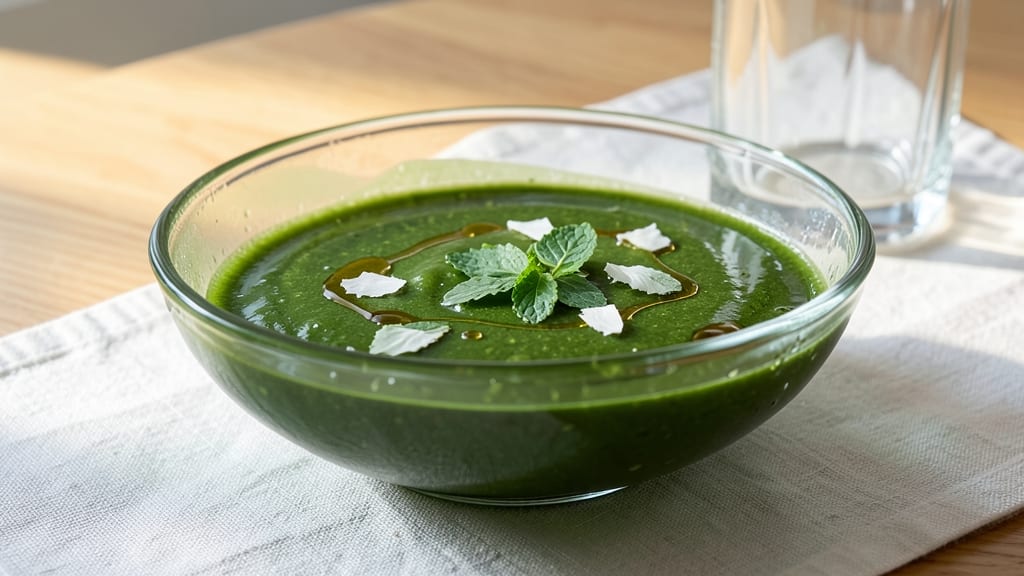
This British mint sauce recipe transforms simple ingredients into a vibrant condiment that elevates roasted lamb, spring lamb, and even vegetables. The bright, herby zing comes from fresh mint blended with vinegar and sugar, creating a perfect balance of sweetness and acidity that cuts through rich meats.
What makes this sauce special is its simplicity—just five ingredients, yet it delivers restaurant-quality results every time.
The secret lies in the ratio of ingredients: fresh mint leaves, white vinegar, and granulated sugar combine to create a sauce that's tangy, slightly sweet, and intensely aromatic. Unlike store-bought versions, this homemade recipe avoids artificial flavors, delivering a fresher, more vibrant taste.
The sauce can be made ahead and stored in the refrigerator for up to a week, making it a versatile addition to any meal.
What you'll end up with is a glossy, green sauce that's perfect for drizzling over roasted lamb, pairing with mint jelly, or even using as a dip for spring vegetables. The texture is smooth and slightly thickened, ensuring it clings beautifully to meat without overwhelming the natural flavors.
This is the kind of condiment that turns an ordinary meal into something special.
Ready in just 10 minutes, this sauce is ideal for last-minute preparations or meal prep. Whether you're hosting a dinner party or simply enjoying a Sunday roast, this British mint sauce will add a touch of elegance and freshness to your table. Let's get started!
Ingredients for british mint sauce
Five simple ingredients transform into a restaurant-worthy sauce perfect for lamb and roasts.
| Ingredient | Amount | Notes |
|---|---|---|
| Fresh Mint Leaves 🌿 | 1 ½ cups | Packed, stems removed for vibrant flavor |
| White Vinegar 🍶 | ½ cup | Distilled or apple cider vinegar |
| Granulated Sugar 🍚 | ¼ cup | White or light brown preferred |
| Extra-Virgin Olive Oil 🫒 | ¼ cup | High quality, fruity variety |
| Salt 🧂 | ½ tsp | Kosher or sea salt preferred |
The mint is non-negotiable here—farmers market mint has the most vibrant flavor, but grocery store mint works if it's fresh. Look for bright green leaves with no wilting. Whole Foods or Trader Joe's often carry the freshest batches. Avoid dried mint; it lacks the bright, fresh character this sauce needs. The vinegar should be white or apple cider—avoid balsamic or red wine vinegar, as they can overpower the delicate mint flavor. For the sugar, light brown adds subtle caramel notes, but white sugar keeps it classic.
No fresh mint? Dried mint at half the amount works in a pinch, but the texture won't be as smooth. Running short on vinegar? Lemon juice at the same quantity gives a slightly different tang, but still delicious. The olive oil is what gives the sauce its silky finish—avoid cheap brands, as they can taste bitter. If you're making this ahead, add the olive oil just before serving to prevent separation. For a sweeter sauce, add an extra tablespoon of sugar; for more tang, increase the vinegar by a teaspoon.
Store the sauce in an airtight container in the fridge for up to 1 week. The texture may thicken slightly—just stir in a splash of water or vinegar to loosen. For best results, whisk in the olive oil right before serving to maintain that glossy finish. This sauce freezes beautifully for up to 3 months—just thaw in the fridge overnight. A little goes a long way, so portion it into small jars for easy use.
Why You'll Love This Recipe
- Here’s what sold me: I already have these ingredients. No specialty shopping, no expensive imports. That jar of mint from the garden? Suddenly it’s the star. And if I overdo it, the leftovers just get repurposed—no sad, wilted scraps here.
- Five-Ingredient Magic: I swear by this combo—just mint, vinegar, sugar, olive oil, and salt. No fancy gadgets, no measuring cups with weird lines. Honestly, I’ve made it blindfolded, and it still comes out bright and tangy every time.
- Brightens Everything: That first drizzle over roasted lamb? Pure revelation. The vinegar cuts through richness, the sugar balances the bite, and the mint leaves it feeling fresh like a spring breeze. Between us, it’s the only sauce I’ll serve with Sunday roast—no debate.
- Weeknight Workhorse: I keep a jar in the fridge because it’s my go-to for last-minute meals. Drizzle it on grilled chicken, toss it with pasta, or even mix it into yogurt for a dip. Not the prettiest, but the taste makes up for it—and it lasts for days.
Step-by-step instructions for British mint sauce
Here's how to craft this classic accompaniment that elevates roasted lamb and holiday roasts.
Prepare the Fresh Mint Leaves
Begin by thoroughly washing the 1.5 cups fresh mint leaves under cool running water to remove any dirt or debris. Gently pat them dry with paper towels, then remove the stems by pinching them between your thumb and forefinger. The stems contain bitterness that can overpower the delicate flavor of the leaves.
Place the cleaned mint leaves in a clean mixing bowl. I like to roughly chop them with a sharp chef's knife to create smaller pieces that will infuse better into the sauce. This step ensures maximum surface area for flavor extraction while keeping the vibrant green color intact. If you prefer a smoother texture, you can pulse the leaves in a food processor, but hand-chopping gives you more control over the final consistency.
Combine Wet Ingredients
In the same mixing bowl with the chopped mint leaves, add the 0.5 cup white vinegar, 0.25 cup granulated sugar, 0.25 cup extra-virgin olive oil, and 0.5 teaspoon salt. Use a wooden spoon to gently stir everything together until the sugar begins to dissolve and the ingredients start to blend.
The vinegar will immediately begin extracting color from the mint leaves, turning the mixture a vibrant green. This is the moment when the sauce starts developing its signature bright flavor. Let the mixture sit at room temperature for 5 minutes to allow the sugar to fully dissolve and the mint to begin releasing its aromatic oils. This brief resting period ensures the sauce will be smooth and well-balanced rather than grainy.
Process for Smooth Texture
Transfer the mint mixture to a blender or food processor. I prefer using a blender for this step as it creates a smoother sauce with fewer seeds. Secure the lid and process on high speed for 30-45 seconds until the mixture is completely smooth. You should hear the motor working against the resistance of the mint leaves breaking down.
Stop and scrape down the sides of the blender with a rubber spatula to ensure all the mint leaves are fully incorporated. The sauce should now be a vibrant green color with no visible chunks. If you prefer a slightly textured sauce, you can pulse briefly for just 10-15 seconds instead of processing fully. Taste the sauce at this stage and adjust the seasoning if needed—you might want to add a pinch more salt or sugar based on your preference.
Rest and Strain (Optional)
Pour the blended mint sauce through a fine-mesh strainer into a clean bowl or pitcher. This step removes any remaining seeds and creates a silky-smooth sauce. I find that straining makes a noticeable difference in texture, especially when serving the sauce over delicate roasted vegetables or alongside lamb chops.
Let the sauce rest at room temperature for 10-15 minutes before serving. This resting period allows the flavors to fully meld together. The sauce will continue to develop depth of flavor as it sits, and the colors will become more vibrant. If you're preparing the sauce ahead of time, it can be refrigerated for up to 3 days in an airtight container. The flavors actually improve with time, making this an excellent make-ahead sauce for holiday meals.
Serve and Enjoy
Transfer the mint sauce to a serving pitcher or small bowl. The sauce should have a bright green color and a smooth, velvety texture. Serve immediately alongside roasted lamb, grilled vegetables, or as a refreshing accompaniment to summer salads.
For best results, serve the sauce at room temperature. The acidity from the vinegar and the fresh mint flavor complement the richness of roasted meats beautifully. Each spoonful should deliver a perfect balance of sweetness, acidity, and herbal freshness. This sauce is particularly excellent with traditional British roasts like lamb shoulder or leg of lamb, but it also pairs wonderfully with grilled chicken or fish dishes.
Pro Tips For Making British Mint Sauce
- STACK THE MINT: Use a rolling pin to bruise the leaves before blending—just 30 seconds of gentle smashing releases more flavor than chopping. (Yes, it looks like you’re making mint mojitos, but it works.)
- SALT THE VINEGAR: Add a pinch of salt to the vinegar before mixing—it balances the sharpness and makes the sauce taste more cohesive. I used to skip this, and the sauce always tasted flat afterward.
- WHISK DON’T BLEND: A whisk and a small bowl beat a blender for this sauce—you control the texture better, and it’s less likely to turn bitter. (I’ve ruined mint sauce with a blender more times than I’d admit.)
- SWEETEN SMART: Start with half the sugar, taste, then add more—mint sauce should be sweet but not cloying. Too much sugar kills the bright, herby punch you’re going for.
Essential equipment for this recipe
Blender Essentials
A high-speed blender is your best friend for this sauce—look for one with at least 1200 watts to handle the mint leaves efficiently. I swear by my Ninja BN601 for its powerful motor and easy cleanup.
If you're on a budget, the Hamilton Beach 58040 works well too. The key is a tight-sealing lid to prevent splatter when blending the vinegar and mint. 💫
Mixing Bowls
Start with a stainless steel mixing bowl (like the OXO Good Grips) to combine your ingredients before blending. Stainless steel won’t absorb flavors or odors, and it’s easy to clean.
For the straining step, use a fine-mesh sieve (I recommend the Eberhardt Stainless Steel) to remove any lingering seeds. A wooden spoon works best for stirring the initial mixture—it won’t scratch your bowl like metal.
Measuring Tools
Precision matters here, especially with the vinegar-to-sugar ratio. Use a liquid measuring cup for the vinegar and olive oil, and a dry measuring cup for the sugar. I keep a Weston Products stainless steel measuring set handy—it’s durable and accurate.
For the mint leaves, a kitchen scale (like the OXO Good Grips) ensures you get the right amount without packing the leaves too tightly, which can skew the measurement.
Optional Strainer
If you skip straining, your sauce will still taste great, but the texture will be slightly chunkier. For a silky finish, invest in a mesh strainer with a removable bottom (like the Eberhardt Stainless Steel) so you can easily press out all the liquid.
I also like to line my strainer with a cheesecloth for an extra-smooth result. This step is especially worth it if you’re serving the sauce over delicate dishes like roasted asparagus or grilled fish.
Storage Containers
Store your sauce in glass jars with airtight lids—I use Ball Mason jars for their durability and classic look. For portion control, try small ramekins (like the Pyrex Simply Store) so you can keep one on hand for quick use.
If freezing, opt for freezer-safe plastic containers with a tight seal to prevent freezer burn. Label everything with the date to track freshness—this sauce stays vibrant for up to 3 months in the freezer!
Nutrition facts
Frequently asked questions about British mint sauce
Can I substitute dried mint for fresh in this recipe?
While you can use dried mint in a pinch, it won't give the same vibrant flavor. For every 1 tablespoon of dried mint, use 1/4 cup fresh mint. The texture will also be less smooth, and the color won't be as bright. If you must substitute, crush the dried leaves between your fingers first to release their oils.
What's the best way to store leftover mint sauce?
Store in an airtight container in the refrigerator for up to 1 week. The texture may thicken slightly—simply stir in a splash of water or vinegar to loosen. For longer storage, freeze for up to 3 months. Always thaw in the fridge overnight before using to preserve texture.
Why did my mint sauce turn brown instead of green?
This usually happens when the vinegar oxidizes the mint. To prevent it, add the vinegar last and blend immediately. For a brighter color, use freshly picked mint and avoid over-blending. If it does brown, the flavor won't be affected—just add a pinch more sugar to balance the acidity.
Can I make this sauce without olive oil?
Yes, but the texture will be thinner. Replace the olive oil with 1 tablespoon cornstarch mixed with 1 tablespoon water to thicken. Or use 1 tablespoon honey for extra sweetness. The sauce will still taste great, just with a different mouthfeel.
What's the best way to use up extra mint sauce?
Try it as a marinade for grilled chicken, a dip for spring rolls, or a glaze for roasted vegetables. It also pairs beautifully with fish like salmon or cod. For a creative twist, mix with yogurt for a refreshing summer dip that's perfect with pita chips.