
Sauces & Condiments
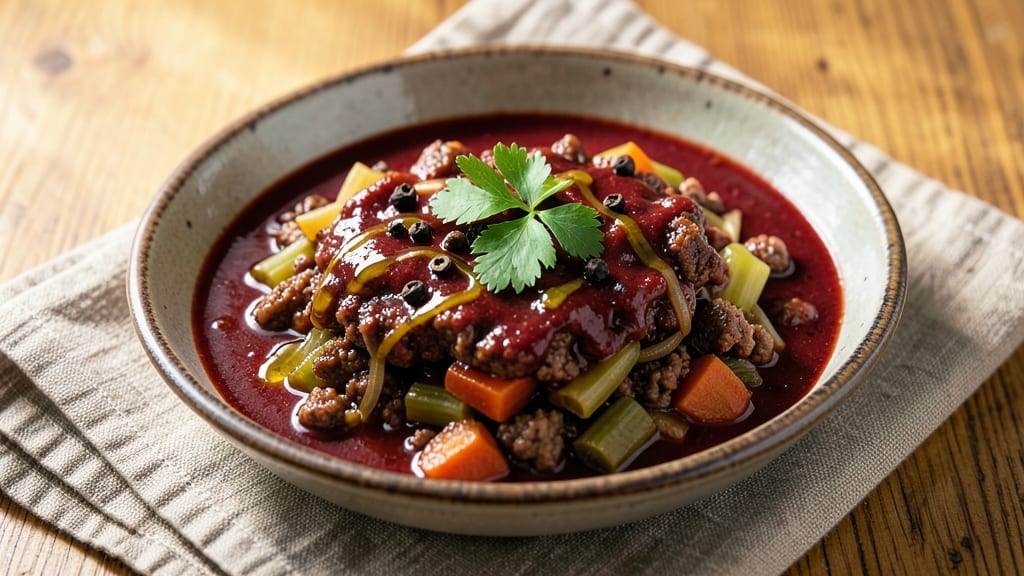
This Bolognese sauce recipe without wine delivers restaurant-quality depth using pantry staples instead of alcohol. The secret lies in slow simmering ground meat with aromatics, tomatoes, and a splash of vinegar to mimic wine's acidity—transforming simple ingredients into a rich, umami-packed sauce that clings perfectly to pasta or lasagna layers.
What sets this version apart is its ability to build complexity through technique rather than shortcuts. By browning the meat thoroughly and reducing the sauce gradually, you create layers of flavor that develop over time.
The result is a velvety, thick sauce with a satisfying meaty texture that's far more nuanced than store-bought versions.
Perfect for meal preppers, this sauce freezes beautifully and tastes even better the next day as flavors meld. It's equally at home on spaghetti, stuffed in ravioli, or layered between lasagna sheets.
The key is patience—letting it simmer until it thickens into that ideal consistency where it coats the back of a spoon.
No wine? No problem. The vinegar and concentrated tomato paste provide the acidity and richness needed to balance the meat's richness, while stock reduction intensifies the umami. This is a sauce that proves you don't need alcohol to create depth—just time and proper technique.
Ingredients for bolognese sauce recipe no wine
Restaurant-quality depth comes from these 14 pantry staples—no wine required.
| Ingredient | Amount | Notes |
|---|---|---|
| Ground Beef 🥩 | 1 ½ lb | 80% lean for best texture |
| Extra-Virgin Olive Oil 🫒 | ¼ cup | For browning meat |
| Carrots 🥕 | 1 medium | Peeled and finely diced |
| Celery Stalks 🥬 | 2 whole | Finely chopped, leafy parts trimmed |
| Yellow Onion 🧅 | 1 large | Finely diced |
| Garlic Cloves 🧄 | 4 cloves | Minced for depth |
| Tomato Paste 🍅 | ½ cup | Concentrated for richness |
| Canned Crushed Tomatoes 🍅 | 28 oz | San Marzano preferred |
| Red Wine Vinegar 🍷 | 2 tbsp | Mimics wine acidity |
| Beef Stock 💧 | 2 cups | Homemade or quality store-bought |
| Whole Milk 🥛 | ¼ cup | For velvety texture |
| Dried Oregano 🌿 | 1 tsp | Italian variety preferred |
| Salt 🧂 | 1 ½ tsp | Diamond Crystal preferred |
| Freshly Ground Black Pepper 🌶️ | ½ tsp | For finishing |
The ground beef is non-negotiable—80% lean gives you that satisfying meatiness without excess fat. Costco or Whole Foods carry the best quality in bulk, but any supermarket's pre-ground works fine. For the aromatics, freshly diced carrots, celery, and onion (the classic soffritto) form the flavor base—don't skip this step. The San Marzano crushed tomatoes are worth seeking out at Trader Joe's or specialty markets—their sweetness and acidity balance perfectly. If you can't find them, any high-quality canned tomatoes will do, but avoid the watery, low-acid varieties.
No beef stock? Vegetable stock with a splash of soy sauce works in a pinch, though purists will notice the difference. The tomato paste is where the umami magic happens—use the squeeze tubes from Trader Joe's for convenience, or grab a can if you prefer. Fresh oregano is ideal, but dried at one-third the amount gets you close. The vinegar is crucial for acidity—red wine vinegar mimics the brightness of wine, but balsamic works too. For the milk, whole milk is non-negotiable—it emulsifies beautifully and creates that signature velvety texture. Skim or almond milk will separate and ruin the sauce.
This sauce develops over time, so make a double batch—it freezes beautifully for up to 6 months. Store leftovers in airtight containers with a thin layer of olive oil on top to prevent browning. The sauce thickens as it cools, so add a splash of stock if it gets too stiff when reheating. For best results, simmer uncovered to let excess moisture evaporate—this is how you achieve that perfect spoon-coating consistency. Portion into containers and freeze for easy meal prep.
Why You'll Love This Recipe
- No Chopping Chaos: I swear by that one-pan start—just dice the onion, carrots, and celery roughly (no need for perfect matchsticks) and toss them in with the olive oil. The beef browns while the veggies soften, so you’re not juggling pots or waiting for separate steps.
- Rich Without Wine: Between us, the olive oil and slow simmer pull enough flavor from the beef and veggies—no wine required. That deep, savory base comes from the caramelized onion and the beef’s natural juices, and honestly? It’s even better when you let it reduce until it’s thick enough to coat a spoon.
- Meal Prep MVP: This sauce doubles (or triples) perfectly and tastes just as good reheated. I make a big batch on Sundays, freeze half, and pull it out for lazy nights—no defrosting required if you reheat it straight from frozen in the pot.
- Budget-Friendly Powerhouse: Ground beef and simple veggies? That’s a pantry-friendly combo that won’t break the bank. Plus, the olive oil adds richness without the cost of fancy ingredients, and you’ll end up with enough sauce to feed the whole family—or save for next week.
Step-by-step instructions for rich Bolognese without wine
This method delivers deep umami flavor using pantry staples and precise technique.
Sear the Ground Beef for Maximum Flavor
Heat the 0.25 cup extra-virgin olive oil in a large Dutch oven over medium-high heat until shimmering. Add the 1.5 lb ground beef and break it apart with a wooden spoon, working it into small, even crumbles. Cook undisturbed for 5-6 minutes until the meat loses its raw color and begins to brown deeply.
Here's the thing—don't stir constantly. Let the beef develop a crust in patches first, then gently break it up as it releases from the pan. This creates those fundamental browned bits (fond) that carry incredible flavor. Once the beef is fully browned, transfer it to a plate and set aside, leaving all the rendered fat in the pot.
Build the Flavor Base with Aromatics
In the same Dutch oven, reduce the heat to medium and add the 1 medium finely diced carrot, 2 whole finely chopped celery stalks, and 1 large finely diced yellow onion. Cook for 8-10 minutes until the vegetables soften and their edges begin to caramelize slightly, releasing natural sweetness into the pot.
Add the 4 minced garlic cloves and cook for another 1 minute until fragrant—don't let the garlic burn, as it will turn bitter. This aromatic trio forms the flavor foundation of your sauce. The vegetables should be tender but still hold their shape, not mushy.
Develop Depth with Tomato Paste and Vinegar
Stir in the 0.5 cup tomato paste and cook for 2-3 minutes until it darkens slightly and loses its raw taste. This step is crucial for building the sauce's richness. Add the 2 tbsp red wine vinegar and 2 cups beef stock, scraping up any browned bits from the bottom of the pot with a wooden spoon.
The vinegar mimics the acidity of wine while adding brightness. The beef stock provides the necessary liquid to create a proper sauce consistency. Bring the mixture to a gentle simmer and let it cook uncovered for 15 minutes, allowing the flavors to meld and the liquid to reduce slightly.
Simmer and Finish with Tomatoes and Milk
Add the 28 oz canned crushed tomatoes and the reserved browned beef to the pot. Stir well to combine, then add the 1 tsp dried oregano, 1.5 tsp salt, and 0.5 tsp freshly ground black pepper. Bring the sauce to a gentle simmer, then reduce the heat to low and let it cook uncovered for 45-60 minutes, stirring occasionally.
After 30 minutes of simmering, stir in the 0.25 cup whole milk. This final addition creates the signature velvety texture that sets great Bolognese apart. The sauce should thicken gradually as it simmers, coating the back of a spoon with a rich, glossy consistency. Taste and adjust seasoning if needed—this is where you can fine-tune the balance of salt and acidity.
Rest and Serve for Optimal Texture
Once the sauce has reached your desired consistency (typically 45-60 minutes total cooking time), remove it from the heat. Let it rest at room temperature for 10-15 minutes before serving. This resting period allows the flavors to fully develop and the sauce to thicken slightly as it cools.
Serve the Bolognese over freshly cooked pasta, reserving some pasta water to adjust the sauce consistency if needed. The sauce should cling beautifully to each noodle, delivering layers of umami flavor from the browned beef, sweetness from the caramelized vegetables, and acidity from the vinegar. Each bite should showcase the depth of flavor developed through this careful, step-by-step process.
Pro Tips For Making Bolognese Sauce Recipe No Wine
- CRUSH THE VEGETABLES: Dice the carrots, celery, and onion into tiny pieces—think rice-sized, not chunky. I used to leave them in big cubes, and the sauce would taste unevenly cooked. Smaller bits soften faster and blend into the meat without you noticing (which is the point).
- SWEAT DON’T BURN: Start the onions, carrots, and celery over medium-low heat. Let them sweat for 5 minutes before adding the beef—this draws out moisture and keeps the oil from smoking. After burning three batches, I finally figured out: patience here means no bitter flavor later.
- BROWN THE BEEF IN BATCHES: Don’t dump all the ground beef in at once. Split it into two portions and sear each separately—this guarantees a deep, rich crust instead of a sad, gray mass. Yes, it takes an extra 2 minutes, but the difference in flavor is night and day.
- SALT THE MEAT BEFORE SEARING: Sprinkle the ground beef with a pinch of salt before browning. It helps release juices and keeps the meat tender. I was skeptical until I tried it—now it’s non-negotiable for my bolognese. (Your future self will notice the difference.)
Perfect pairings for this recipe
Pasta Pairings
This rich Bolognese sauce pairs beautifully with tagliatelle or pappardelle—wide noodles that cradle the sauce perfectly. I always cook 8 oz of fresh pasta per serving, reserving ½ cup pasta water to thin the sauce if needed.
For a rustic touch, try bucatini or rigatoni, which hold up well to the sauce's weight. 🍝
Bread Service
Serve Bolognese with garlic bread or a crusty Italian loaf for dipping. I recommend toasting 1 baguette with 2 tbsp olive oil, 3 minced garlic cloves, and 1 tsp dried oregano, then sprinkling with ½ tsp flaky sea salt.
The bread's crunch contrasts the sauce's velvety texture beautifully.
Cheese Complements
Finish with Parmigiano-Reggiano or Pecorino Romano for a classic touch. I grate ¼ cup over each serving and recommend using a microplane for fine, even shavings. For a modern twist, add crumbled gorgonzola or aged pecorino for a tangy contrast to the rich meat sauce.
Drink Pairings
A Chianti Classico or Sangiovese red wine complements the sauce's depth, but if you prefer non-alcoholic options, try sparkling apple cider or Italian sangria (made with grape juice and citrus). For beer lovers, a malty amber ale like Allagash balances the sauce's richness without overpowering it. 🍷
Vegetable Sides
Add roasted Brussels sprouts or sautéed spinach to round out the meal. I toss 2 cups Brussels sprouts with 1 tbsp olive oil, ½ tsp red pepper flakes, and salt, then roast at 425°F for 20 minutes. The caramelized edges contrast the sauce's creaminess perfectly.
Nutrition facts
Frequently asked questions
Can I substitute vinegar with something else for acidity? Yes! If you don't have red wine vinegar, use 1 tbsp lemon juice or apple cider vinegar instead. For extra depth, add ½ tsp soy sauce—it adds umami and a subtle saltiness that complements the meat. Just
Why does my Bolognese sauce turn out watery?
Watery sauce usually means it didn't reduce enough. Always simmer uncovered on low heat for the full 45-60 minutes—this lets moisture evaporate gradually. If it's still too thin, remove the lid and simmer another 10-15 minutes. For a quick fix, stir in 1 tbsp tomato paste or 1 tsp cornstarch mixed with water.
Can I make this sauce with ground turkey or chicken?
Ground turkey works well, but use 85% lean to avoid dryness. For chicken, add 1 tbsp olive oil at the end to compensate for its lower fat content. Both options will still deliver rich flavor, though the texture will be slightly lighter. For extra depth, add ½ tsp smoked paprika to mimic the meatiness of beef.
How do I prevent the sauce from tasting bitter?
Bitterness often comes from overcooking the garlic or letting the tomatoes reduce too much. Cook garlic for only 1 minute after adding, and never let the sauce boil vigorously. If it tastes bitter, stir in 1 tbsp tomato paste or a splash of milk to balance it. A pinch of sugar can also help soften harsh flavors.
Is it okay to use canned tomatoes instead of crushed?
Yes, but crush them by hand or with a fork to mimic the texture of crushed tomatoes. Whole peeled tomatoes will release fewer juices, so add an extra ½ cup beef stock to maintain consistency. For best results, choose high-quality canned tomatoes like San Marzano**—they have a sweeter, more balanced flavor that won't overpower the sauce.