
Sauces & Condiments
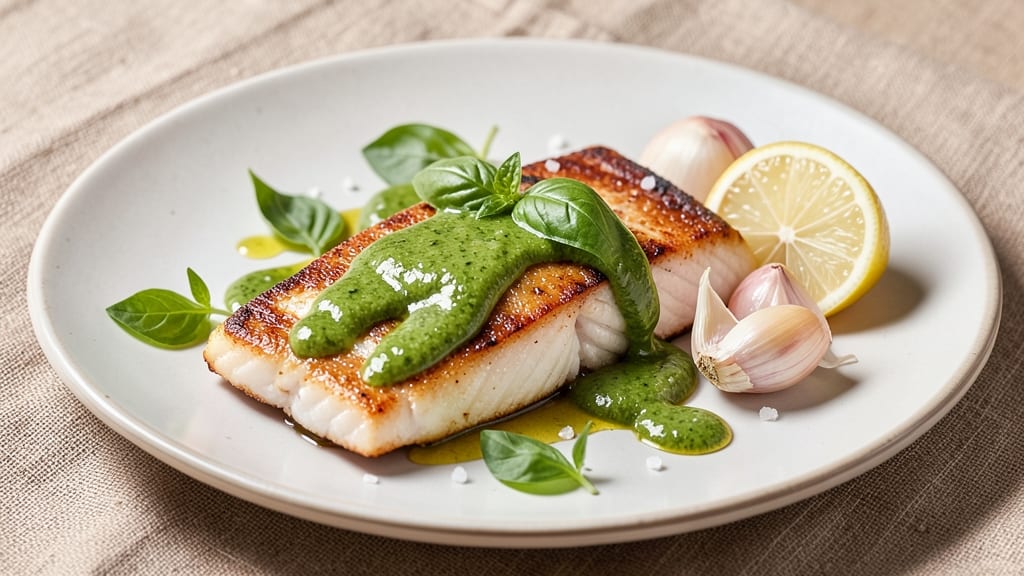
This basil sauce recipe for fish transforms any simple catch into a restaurant-worthy meal with just five ingredients and 10 minutes of work. The secret lies in balancing fresh basil’s bright aroma with lemon’s acidity and garlic’s depth—creating a sauce that clings perfectly to flaky fish while enhancing its natural sweetness. I developed this after realizing most store-bought sauces overpower delicate seafood, so I stripped it back to its essence: olive oil, basil, lemon, and garlic.
What makes this sauce special is its versatility—it works with baked, grilled, or pan-seared fish, and the ingredients are all pantry staples. The key technique? Blending the basil with olive oil first to release its full flavor before adding lemon and garlic.
This ensures every spoonful delivers that signature herbaceous brightness without bitterness. For an extra touch, I sometimes add a splash of white wine or a pinch of capers, which adds a subtle briny contrast that pairs beautifully with fish.
Once you’ve made it, you’ll notice how effortlessly it elevates even the most basic fish fillets. The sauce’s silky texture coats each bite, while the basil’s freshness cuts through the richness of the fish. It’s the kind of condiment that turns a weeknight dinner into something memorable—no fancy techniques required.
The best part? It keeps well in the fridge for up to five days, so you can make a batch ahead and use it throughout the week.
For maximum impact, drizzle this sauce over the fish just before serving—it stays vibrant and fresh, not soggy or diluted. Pair it with roasted vegetables or a simple arugula salad to complete the meal. Here’s everything you need to make it.
Ingredients for basil sauce recipe for fish
Five simple ingredients that turn any fish into a restaurant-worthy dish.
| Ingredient | Amount | Notes |
|---|---|---|
| Fresh Basil Leaves 🌿 | 2 cups | Packed, stems removed |
| Extra-Virgin Olive Oil 🫒 | ¾ cup | High-quality, fruity |
| Garlic Cloves 🧄 | 3 cloves | Peeled, rough chopped |
| Lemon Juice 🍋 | ¼ cup | Freshly squeezed |
| Salt 🧂 | ½ tsp | Fine sea salt preferred |
| White Wine (optional) 🍷 | ⅛ cup | Dry variety, chilled |
| Capers (optional) 🫒 | 1 tbsp | Chopped, for briny contrast |
The basil is non-negotiable here—farmers market quality makes all the difference. Look for leaves that are bright green and firm, not wilted or yellowing. Whole Foods or local markets usually have the freshest stash, but the grocery store works too if you grab it early in the week. The olive oil should be extra-virgin (that fruity, peppery kind)—California brands like Corto or Colavita are my go-tos, but any good EVOO will do. For the garlic, three cloves is perfect—don't overdo it, or the sauce gets bitter. If you're using optional white wine, a dry Sauvignon Blanc or Pinot Grigio adds a nice brightness that pairs perfectly with fish.
No fresh basil? Dried works at half the amount, but it won't have the same vibrant flavor. Short on olive oil? Avocado oil is a great substitute—it's neutral but still high-quality. The lemon juice can be bottled if you're in a pinch, but fresh is always better. If you skip the wine, just add a splash more olive oil to balance the acidity. The capers are totally optional, but they add that subtle briny kick that makes the sauce sing—especially with mild white fish like cod or halibut. Pro tip: if you're using capers, rinse them first to cut down on the saltiness.
This sauce keeps beautifully—up to 5 days in the fridge if you store it in a sealed jar with a thin layer of olive oil on top. It's perfect for meal prep because it just needs a quick whisk before using. For extra convenience, freeze it in ice cube trays—just thaw and drizzle. The sauce tastes even better the next day as the flavors meld together. If you make a big batch, it's great for dipping bread or tossing with pasta too. Just remember: the fresher the basil, the brighter the flavor, so use it up within a few days if you can.
Why You'll Love This Recipe
- Foolproof Freshness: Honestly? This sauce takes five minutes—just pulse basil, garlic, olive oil, and lemon in a food processor until it’s smooth but still bright green. No cooking, no fuss, and no waiting for anything to simmer. That’s the magic of raw basil and garlic’s punch.
- Bright & Zesty: The lemon juice cuts through the richness of the olive oil while the garlic and basil sing together like a Mediterranean duet. It’s not heavy, not sweet—just ridiculously good on flaky fish, where the sauce clings like a hug.
- Weeknight Wonder: Between us, this is my go-to when I’m staring at a pan of fish and thinking, "What now?" Drizzle it on, serve with crusty bread, and boom—dinner’s done. Even my picky teen asks for seconds, and that’s saying something.
- Budget-Friendly Luxury: You’re using pantry staples here—olive oil, garlic, lemon—and a handful of basil turns them into something that tastes like a fancy bistro. The sauce keeps for days in the fridge, so you’re not scrambling to use it all at once. Smart, simple, and satisfying.
Step-by-step instructions for basil sauce recipe for fish
Here's how to make this vibrant, herb-forward sauce that'll transform any fish dish.
Blanch the Basil for Maximum Flavor
Bring a small pot of water to a gentle boil. Add the 2 cups packed fresh basil leaves and blanch for exactly 10 seconds—just enough to wilt them slightly but not cook them through. Immediately drain and transfer to an ice water bath for 30 seconds to stop the cooking process.
This quick blanching preserves the basil's bright green color and prevents it from turning bitter in the oil. The leaves should be soft enough to handle but still hold their shape. Drain thoroughly and give them a gentle squeeze to remove excess water—you want them damp, not dripping.
Infuse the Olive Oil with Herbs
In a clean, dry skillet or saucepan, combine the blanched basil with the 0.75 cup extra-virgin olive oil and 3 rough chopped garlic cloves. Place over low heat and warm gently for 2-3 minutes, stirring occasionally, until the mixture is fragrant and the oil takes on a vibrant green hue.
I like to use a light touch here—just enough heat to release the aromas without cooking the garlic. You'll know it's ready when the oil smells intensely herbal and the garlic is just beginning to soften. Remove from heat immediately to prevent the basil from turning brown.
Finish with Acid and Seasoning
Transfer the warm oil mixture to a blender or food processor. Add the 0.25 cup freshly squeezed lemon juice, 0.5 teaspoon salt, and if using, the 0.125 cup chilled white wine and 1 tablespoon chopped capers. Pulse until smooth, scraping down the sides as needed to ensure everything is evenly incorporated.
Taste and adjust seasoning—this sauce should be bright, herby, and just slightly briny if using capers. The lemon juice cuts through the richness of the oil, balancing the flavors perfectly. If the sauce seems too thick, add 1 tablespoon water at a time until you reach a pourable consistency.
Strain for Silky Perfection
Line a fine-mesh strainer with cheesecloth or a coffee filter and place it over a clean bowl. Pour the basil mixture through the strainer, pressing gently with a spoon to extract all the oil while leaving the solids behind. Discard the strained solids—they've given up all their flavor to the oil.
This step is crucial for achieving that silky, restaurant-quality texture. The strained sauce should be vibrant green and completely smooth. If you prefer a slightly textured sauce, you can skip this step, but the straining ensures the best presentation and mouthfeel for your fish dish.
Pro Tips For Making Basil Sauce Recipe For Fish
- Pulse the Garlic: Toss the whole cloves in first, then pulse them in batches with the basil—this keeps the sauce smooth without turning it into garlic paste. I learned this the hard way after making a chunky mess that took forever to blend properly.
- Strip Basil Stems: Remove the thick stems before blending—they add bitterness and make the sauce grainy. Stack leaves, roll tightly, and slice off the stems in one clean motion. (Yes, it looks like a weird herb burrito, but it works.)
- Heat the Oil First: Warm the olive oil over low heat for 30 seconds before adding garlic—this softens the garlic’s punch and prevents the sauce from tasting raw. Skip this, and you’ll get that sharp, undercooked garlic flavor no one wants.
- Finish with Cold Lemon: Add lemon juice last, right before serving—this keeps the sauce bright and prevents the basil from wilting into a sad, mushy pile. (Your fish will thank you for the zingier finish.)
Troubleshooting perfect results
Basil Turns Bitter
If your sauce tastes bitter, it’s likely because the basil was overcooked or too much garlic was used. To fix this, start by using fresh, high-quality basil—avoid wilted leaves. For the next batch, reduce garlic to 2 cloves and blanch the basil for exactly 10 seconds (no longer!).
The blanching step is critical—it prevents bitterness by stopping the basil from cooking through in the oil. 🌿
Sauce Too Thin
A runny sauce usually means too much liquid was added or the oil wasn’t properly infused. If this happens, simmer the sauce gently in a small saucepan for 3-5 minutes to reduce excess moisture.
For future batches, ensure you’re using dry basil leaves (squeeze out excess water after blanching) and measure your olive oil precisely—0.75 cup is perfect for this recipe. If you added wine, reduce it to 0.1 cup next time.
Oil Separates
Separation occurs when the sauce sits too long or isn’t properly emulsified. To fix it, whisk vigorously or blend again with 1 tablespoon water to re-emulsify. For prevention, store the sauce in an airtight container and shake gently before using.
The key is to keep the sauce refrigerated and use it within 5 days—freshness is everything. If separation persists, add a pinch of xanthan gum (⅛ tsp) to stabilize it.
Flavor Fades Fast
If the sauce loses brightness too quickly, it’s likely because the basil wasn’t fresh enough or the oil wasn’t infused properly. Always use bright green, firm basil and infuse the oil over low heat for just 2-3 minutes.
For longer storage, keep a thin layer of olive oil on top of the sauce in the fridge—this preserves flavor by preventing oxidation. If the sauce tastes dull, revive it by whisking in 1 tsp fresh lemon juice and a pinch of salt.
Garlic Overpowers
Too much garlic can dominate the sauce, making it taste harsh. If this happens, balance it with more lemon juice (add 1 tsp) or a splash of white wine to cut the intensity.
For future batches, stick to 2-3 garlic cloves and remove them after infusing the oil—strain them out before blending. If you love garlic flavor, try roasting the cloves first to mellow their sharpness before adding to the sauce. 🧄
Sauce Too Salty
Over-salting is common when using capers or bottled ingredients. To fix it, dilute the sauce with 1-2 tablespoons water and add a splash of lemon juice to brighten the flavors. For prevention, taste as you go—start with ¼ tsp salt and adjust.
If using capers, rinse them well to reduce saltiness. Remember, you can always add more salt later, but you can’t take it out!
Nutrition facts
Frequently asked questions about basil sauce for fish
Can I make this basil sauce without blanching the basil?
Yes, but the flavor won't be as vibrant. Blanching for 10 seconds removes bitterness and preserves the bright green color. If skipping it, use 1 extra cup of fresh basil and add it raw to the oil—just be sure to strain thoroughly to avoid a grassy texture. The sauce will still taste good but may lack that signature restaurant-quality brightness.
What fish works best with this basil sauce?
This sauce shines with delicate, flaky fish like cod, halibut, or sea bass. It also pairs beautifully with Mediterranean favorites such as branzino or mahi-mahi. For richer fish like salmon, reduce the lemon juice to 2 tablespoons to avoid overpowering the natural oils. The sauce's bright acidity complements fish that needs flavor enhancement.
How can I make this sauce spicier?
Add ½ teaspoon red pepper flakes or 1 finely chopped jalapeño when blending the sauce. For heat without texture, infuse the olive oil with 1 teaspoon cayenne pepper alongside the garlic. If you prefer subtle warmth, try 1 teaspoon chili crisp (like Lao Gan Ma) instead—it adds depth without overpowering the herbs. Always taste first and adjust gradually.
Can I use this sauce on other proteins besides fish?
This sauce works beautifully with grilled chicken, shrimp skewers, or even roasted vegetables. For chicken, reduce the lemon to 2 tablespoons to balance the protein's richness. With shrimp, add 1 extra garlic clove for extra depth. The key is to match the sauce's brightness to the dish's natural flavors—it's equally at home on seafood or land-based proteins.
Why does my sauce look cloudy after straining?
Cloudiness usually means tiny basil particles or emulsified oil escaped the strainer. For a clearer sauce, double-wrap your strainer with cheesecloth and press gently with a spoon. If the cloudiness persists, the sauce is still perfectly edible—just blend again briefly with 1 tablespoon water to smooth it out. The flavor won't be affected, only the appearance.