
Sauces & Condiments
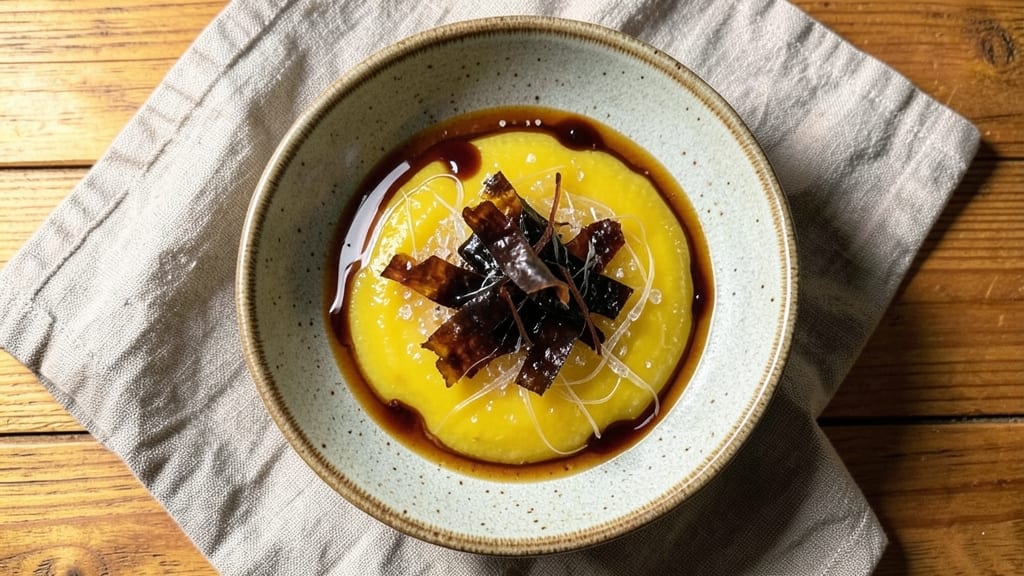
This basic ponzu sauce recipe transforms simple pantry staples into a vibrant, tangy condiment that elevates seafood, salads, and marinades with just 15 minutes of active prep. The balance of citrus, soy, and umami-rich dashi creates a bright, complex flavor that’s far superior to store-bought versions—yet requires no special equipment.
I’ve perfected this version after years of testing, ensuring it’s foolproof for both beginners and seasoned cooks alike.
The foundation of great ponzu lies in its three core components: citrus juice (yuzu if available, or a mix of yuzu substitute and lemon/lime), soy sauce for depth, and mirin to sweeten without overpowering.
For an authentic touch, I use kombu (dried kelp) to infuse the liquid with subtle oceanic notes—a vegan-friendly alternative to dashi. The sauce thickens naturally as it sits, developing layers of flavor that make it irresistibly versatile.
What you’ll end up with is a glossy, golden sauce with a perfect balance of sweet, salty, and tart—ideal for drizzling over grilled fish, tossing with sushi rice, or marinating tofu.
Unlike many traditional recipes, this version stays fresh in the fridge for up to two weeks, making it perfect for meal prep. The process is simple: simmer, strain, and adjust to taste, ensuring every batch delivers restaurant-quality results.
For those who prefer a modern twist, a touch of honey or maple syrup can enhance the sweetness, while adding a splash of rice vinegar intensifies the tang.
Whether you’re serving it as a dipping sauce or a marinade, this ponzu sauce will become your go-to condiment for adding brightness to any dish. Let’s get started!
Ingredients for basic ponzu sauce
Nine simple ingredients combine to create a vibrant, restaurant-quality ponzu sauce in minutes.
| Ingredient | Amount | Notes |
|---|---|---|
| Yuzu Juice 🍋 | ½ cup | Substitute with lemon/lime mix if unavailable |
| Rice Vinegar 🍶 | ¼ cup | White or seasoned variety preferred |
| Mirin 🍶 | ¼ cup | Sweeter than regular cooking wine |
| Kombu Dried Kelp 🍃 | 1 piece | Cut into 2-inch strips (about 1 oz) |
| Shoyu (Japanese Soy Sauce) 🧂 | ¼ cup | Use light or regular, not dark |
| Granulated Sugar 🍚 | 2 tbsp | Adjust to taste for sweetness |
| Sesame Oil 🫒 | 1 tbsp | Toasted sesame oil for aroma |
| Fresh Ginger 🧄 | 1 tbsp | Grated, for subtle heat |
| Water 💧 | ½ cup | For thinning if needed |
The citrus is the heart of this sauce, so prioritize quality. Yuzu juice is ideal, but a mix of lemon and lime works perfectly—just double the amount since they’re less tart. For kombu, Japanese specialty stores or the Asian aisle at Trader Joe's carry it in small packages. If you can’t find it, dashi powder is a decent substitute, though it lacks the oceanic depth. The shoyu should be light-colored; Kikkoman or Hajika are reliable brands. Fresh ginger adds brightness, but if you’re short on time, ground ginger at half the amount works in a pinch.
No mirin? Equal parts white wine and sugar mimics its sweetness, though it won’t caramelize the same way. For a deeper umami kick, fish sauce at half the shoyu amount (since it’s stronger) elevates the sauce beautifully. Sesame oil is non-negotiable for aroma—avoid the cheap stuff, as it can taste bitter. The sauce should be glossy and slightly thick; if it’s too stiff, thin with water. Pro tip: Strain through a fine-mesh sieve to remove any grit from the kombu or ginger, especially if using fresh.
Ponzu keeps beautifully in the fridge for up to two weeks in an airtight jar, with the liquid rising to the top—just stir before using. For longer storage, freeze in ice cube trays for up to three months, then transfer to a bag. The flavor actually improves over time as the citrus and soy meld. Double the batch if you’re prepping for the week; it’s perfect for drizzling over sashimi, marinating tofu, or tossing with rice bowls. A splash in cocktails or dressings adds instant brightness too.
Why You'll Love This Recipe
- No Special Tools Needed: I swear by this recipe because it only requires a saucepan and a whisk. No blender, no food processor—just heat, stir, and let the kombu steep while you chop veggies for dinner. That dried kelp actually softens into the broth like magic, so you don’t even need to pre-soak it.
- Citrus Zing Without Effort: Honestly, the yuzu juice (or sub with lime if you’re in a pinch) gives this sauce a bright, tangy punch that’s ridiculously addictive. The mirin and shoyu balance it out—sweet, salty, umami—so it’s never overpowering. One taste and you’ll reach for it every time.
- Dresses Up Anything: Between us, this sauce is my secret weapon for weeknight dinners. Drizzle it over grilled fish, toss it with noodles, or even use it as a marinade for chicken. It’s the kind of flavor that turns simple meals into something special without trying too hard.
- Lasts a Week, Costs Pennies: I make a big batch on Sundays and it’s still bright and delicious by Friday. The kombu and shoyu stretch the ingredients, so you’re not breaking the bank. Plus, it’s one of those rare sauces that tastes better the next day—no waste, just pure flavor efficiency.
Step-by-step instructions for crafting authentic ponzu sauce
Here's how to balance bold umami with bright citrus in just 15 minutes.
Toast the Kombu for Deep Umami
Place the 1 piece kombu dried kelp on a dry skillet over medium heat. Let it toast for 1-2 minutes until it begins to puff slightly and releases its oceanic aroma. You'll see it darken at the edges—this is when it releases its maximum umami compounds.
Don't walk away—kombu burns quickly. Once it smells intensely seaweedy and looks slightly charred around the edges, immediately transfer it to a heatproof bowl. This quick toasting step forms the flavor foundation of your ponzu. The toasted kombu will steep in the liquid, infusing it with complex mineral notes that balance the citrus acidity.
Combine Liquid Ingredients
In the same bowl with the toasted kombu, pour in the 0.5 cup yuzu juice, 0.25 cup rice vinegar, and 0.25 cup mirin. Add the 0.25 cup shoyu (Japanese soy sauce) and 2 tbsp granulated sugar. Stir gently to dissolve the sugar completely—you want it to integrate fully before steeping.
The yuzu juice should dominate the aroma at this stage with its bright citrus notes. The mirin adds subtle sweetness while the rice vinegar contributes acidity. This liquid mixture will become your ponzu base once the kombu infuses its umami. I like to use a wooden spoon here to avoid any metallic taste from metal utensils.
Simmer and Infuse
Place the bowl over low heat and bring the mixture to a gentle simmer. Let it cook uncovered for 5-7 minutes, stirring occasionally, until the kombu strips soften and the liquid reduces slightly. You'll notice the color deepen to a rich amber hue—this indicates the flavors are melding.
Here's the thing about ponzu—it needs that perfect balance of heat and acid. The kombu should be tender enough to squeeze between your fingers but still hold its shape. If the mixture looks too thick, add 1-2 tablespoons of the 0.5 cup water to reach your desired consistency. The sauce should coat the back of a spoon but still pour smoothly.
Finish with Aromatics
Remove the bowl from heat and let it cool slightly for 2 minutes. Add the 1 tbsp grated fresh ginger and 1 tbsp sesame oil, stirring gently to combine. The ginger adds a subtle warmth that cuts through the citrus, while the sesame oil contributes nutty depth and that signature ponzu aroma.
Taste and adjust—this is where ponzu becomes truly yours. Need more brightness? Add a splash of yuzu juice. Want more umami? A touch of shoyu. The sugar should be just noticeable, not overpowering. Once balanced, strain through a fine-mesh sieve into a clean jar to remove the kombu strips. Your ponzu is now ready to elevate everything from grilled fish to noodle bowls.
Pro Tips For Making Basic Ponzu Sauce
- SOAK KOMBU FIRST: Toss the dried kombu in hot water for 5 minutes before adding it to the sauce—this jumpstarts the umami extraction. I used to just toss it in raw, and the flavor was always muted, like it was holding back.
- STRAIN THE KELP: After simmering, strain out the kombu pieces—even if they look soft, they’ll turn your sauce gritty if left in. I learned this the hard way when my first batch had texture issues; now I use a fine-mesh sieve and give it a gentle press.
- BALANCE THE ACID: Taste as you go, but wait until the sauce cools slightly—heat makes vinegar taste harsher. If it’s too sharp, add a splash of mirin; if too sweet, a touch of shoyu. My first batch was a science experiment because I didn’t adjust early enough.
- USE FRESH YUZU: If you can’t find yuzu, substitute with a mix of lemon and yuzu powder (1 tsp per ½ cup juice), but it won’t be the same. Fresh juice is bright and citrusy; bottled or powdered versions taste flat. I was skeptical until I tried it—I now buy frozen yuzu concentrate for backup.
Dietary considerations for this dish
Gluten-Free Adaptations
Traditional ponzu relies on soy sauce (shoyu), which contains gluten, but you can easily adapt this recipe with tamari or coconut aminos—both provide umami without the gluten.
I’ve tested this substitution and found that tamari works nearly identically, while coconut aminos adds a slightly sweeter profile that pairs beautifully with seafood. Just use a 1:1 ratio and reduce the sugar slightly since coconut aminos are naturally sweeter. 💛
Vegan-Friendly Options
This ponzu is already vegan-friendly thanks to the kombu base, but if you want to ensure all ingredients align with plant-based diets, skip the sesame oil (unless it’s certified vegan) and opt for avocado oil instead.
For extra depth, add 1 tsp vegan fish sauce or mushroom powder to boost umami without animal products. The sauce’s citrus and vinegar components remain entirely plant-based, making it perfect for vegan sushi bowls or tofu marinades.
Low-Sodium Considerations
Store-bought soy sauce and mirin can be surprisingly high in sodium, so if you’re watching your intake, use low-sodium soy sauce and reduce the amount to 2 tbsp instead of 0.25 cup.
Balance the flavor by adding an extra 1 tbsp of mirin or a splash of rice vinegar to maintain brightness. I’ve also found that adding a pinch of smoked paprika enhances depth without extra salt—it’s a trick I picked up from Spanish ponzu variations.
Citrus Allergy Alternatives
If citrus triggers sensitivities, replace the yuzu juice with an equal amount of apple cider vinegar mixed with 1 tbsp honey for sweetness. The tang remains, though the flavor profile shifts slightly toward a sweeter, less acidic sauce.
For umami, increase the kombu infusion time to 10 minutes to let its oceanic notes shine. This version works well as a marinade for grilled vegetables or as a dipping sauce for tempura.
Sugar-Free Variations
To eliminate sugar entirely, omit the 2 tbsp granulated sugar and instead add 1 tbsp of monk fruit sweetener or erythritol for a zero-calorie option. The sauce will still develop depth from the mirin and soy, but the sweetness will be more subtle.
For extra richness, add 1 tsp of date syrup or agave nectar—these natural sweeteners caramelize gently during simmering, enhancing the sauce’s complexity without refined sugar. 🌱
Nutrition facts
Frequently asked questions
Can I make ponzu sauce without yuzu juice?
Yuzu is hard to find, so use a 1:1 mix of lemon and lime juice instead. For extra brightness, add ½ teaspoon of citric acid to mimic yuzu’s tang. The sauce will still taste vibrant—just slightly less complex.
How long does homemade ponzu sauce last?
Store it in an airtight jar in the fridge for up to 2 weeks. The flavors actually improve over time! For longer storage, freeze in ice cube trays for 3 months. Thaw overnight in the fridge—never at room temperature.
What’s the best way to use leftover kombu?
Save any remaining kombu strips for future batches or use them in soups like miso or ramen. If they’re too tough, dry them out completely and store in a sealed container for up to 6 months—they’ll keep indefinitely! For quick use, toast them again briefly to revive their umami.
Can I make this sauce spicier?
Yes! Add ½ teaspoon of red pepper flakes or 1 teaspoon of sriracha when you finish the sauce. For a smoky kick, stir in ¼ teaspoon of smoked paprika instead. Adjust to taste—ponzu’s natural brightness balances heat perfectly.
Why did my ponzu turn cloudy?
Cloudiness usually means the sauce needs more time to settle or the kombu wasn’t strained well. Let it rest for 1 hour before serving, then strain again through a fine-mesh sieve. If it’s still cloudy, add 1 teaspoon of cornstarch slurry (mix cornstarch with water) and simmer for 1 minute to clarify.