
Sauces & Condiments
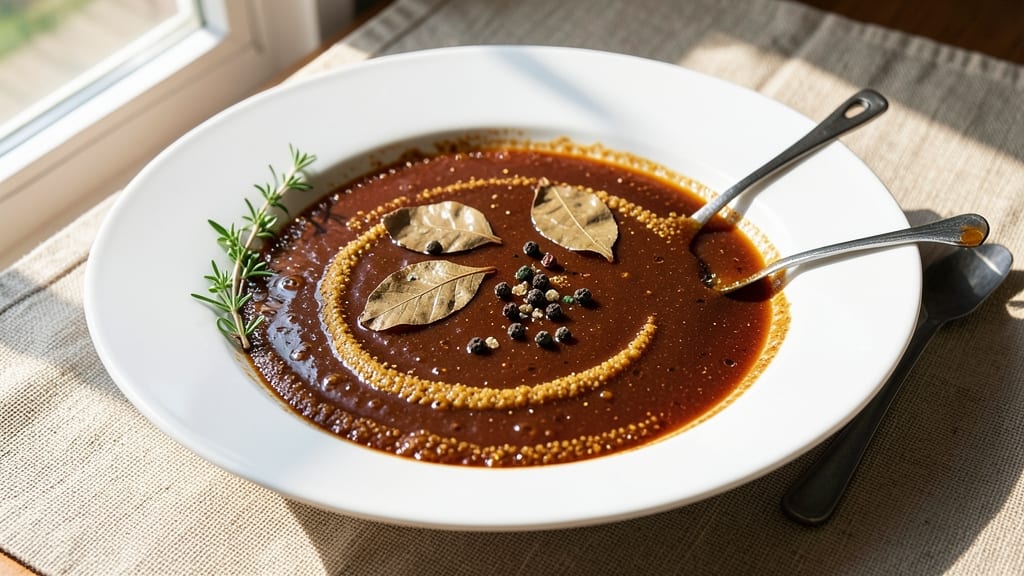
This basic Espagnole sauce recipe transforms simple ingredients into the rich, umami-packed foundation of French cuisine—where caramelized bones and slow-cooked aromatics create depth no shortcut can match.
The secret lies in developing a deep, brown roux and reducing it with stock until it thickens into a velvety sauce that forms the backbone of countless classic dishes. I’ve perfected this technique over years of testing, ensuring every batch delivers that signature complexity without requiring advanced skills.
The process begins with a classic roux—equal parts fat and flour cooked until nut-brown—then enriched with tomato paste, herbs, and stock.
What sets this sauce apart is the caramelization of the bones (or mushrooms for vegetarian versions) and the slow reduction, which concentrates flavors into a sauce that’s both rich and balanced. It’s the kind of sauce that elevates simple roasted meats or braised vegetables into something restaurant-worthy.
Once complete, this sauce keeps beautifully in the fridge for up to 5 days or freezes for 3 months, making it ideal for meal prep. Use it as a base for boeuf bourguignon, chicken pot pie, or even pasta dishes—its versatility is only limited by your imagination.
The key is patience; the longer it simmers, the deeper the flavor becomes.
For vegetarians, simply swap the bone broth for a rich mushroom or vegetable stock, and the sauce remains just as robust. The result? A foundational sauce that proves even the simplest ingredients can deliver professional-level results with the right technique.
Ingredients for basic espagnole sauce
Ten essential ingredients transform into the velvety foundation of French cuisine.
| Ingredient | Amount | Notes |
|---|---|---|
| Vegetable Oil 🫒 | ½ cup | High smoke point preferred |
| All-Purpose Flour 🌾 | ½ cup | White or bread flour works |
| Dried Thyme 🌿 | 1 tsp | Or 1 tbsp fresh thyme leaves |
| Dried Bay Leaves 🍃 | 2 whole | Crushed for better infusion |
| Tomato Paste 🍅 | 2 tbsp | San Marzano preferred |
| Beef Bone Broth 🥄 | 4 cups | Homemade or high-quality store-bought |
| Vegetable Broth 🥄 | 2 cups | For vegetarian version |
| Red Wine 🍷 | ½ cup | Dry, full-bodied like Cabernet |
| Salt 🧂 | 1 ½ tsp | Diamond Crystal kosher salt |
| Black Peppercorns 🌶️ | ½ tsp | Freshly cracked preferred |
The roux forms the sauce's backbone—equal parts vegetable oil and flour must reach a deep, nut-brown color for optimal flavor development. High-quality vegetable oil with a high smoke point (like Avocado oil or Grapeseed oil) prevents burning, while all-purpose flour provides the necessary structure. For the bone broth, prioritize homemade or premium brands like Kettle & Fire or Pacific Foods—the umami depth comes from slow caramelization. Bay leaves should be crushed before adding to release their aromatic oils fully, while San Marzano tomato paste delivers concentrated sweetness without bitterness. Red wine adds acidity and depth; a Cabernet Sauvignon or Merlot works best for its tannic structure.
No bone broth? Vegetable broth or mushroom broth creates a vegetarian version just as rich. Substitute white wine for red if needed, though the sauce will lack depth. Dried thyme can be swapped for rosemary at half the amount, but thyme's earthiness is traditional. For a quicker roux, use butter instead of oil (equal parts), though it burns faster. Tomato paste can be replaced with sun-dried tomato purée for a more intense flavor. The salt should be added gradually—Diamond Crystal kosher salt dissolves easily and enhances flavor without overpowering. Black peppercorns must be cracked or ground fresh to avoid the bitter, stale taste of pre-ground pepper.
This sauce thickens as it reduces, so stir frequently to prevent sticking. Store in an airtight container in the fridge for up to 5 days, or freeze for 3 months. For meal prep, portion into ice cube trays—each cube equals 1 tablespoon, perfect for finishing dishes later. The sauce gains complexity with time, so reheat gently on low heat, stirring occasionally. If too thick, whisk in warm broth 1 tablespoon at a time until desired consistency is reached. Never boil—simmering preserves the delicate balance of flavors.
Why You'll Love This Recipe
- Pantry Magic: I swear by this sauce because it lives in my cupboard—just oil, flour, thyme, and tomato paste. No fresh herbs to wilt, no fancy prep; it’s the kind of recipe that turns "what’s for dinner?" into a 20-minute victory.
- Deep Umami Hug: That tomato paste? It’s the star—caramelized just enough to give everything a rich, savory punch. The bay leaves add this mysterious depth, like a whisper of old-world kitchens, and the thyme ties it all together. Honestly, it’s the kind of flavor that makes you pause mid-bite.
- Sauce for Everything: Slather it on roasted chicken, toss it with pasta, or use it as a base for chili. I’ve even drizzled it over grilled fish—it’s that adaptable. Between us, it’s my go-to when I’m too tired to plan but still want something that feels special.
- Budget Workhorse: A single batch feeds my family for three meals, and the ingredients cost pennies. The flour and paste stretch thin, the spices last forever, and leftovers? They’re even better the next day, simmered down to a glossy, concentrated glory. No waste, all flavor.
Step-by-step instructions for building espagnole sauce
Aromatic, rich, and deeply flavorful, this foundational sauce transforms simple ingredients into umami depth through precise technique.
Create the Roux for Sauce Structure
Heat the 0.5 cup vegetable oil in a heavy-bottomed saucepan over medium heat. Add the 0.5 cup all-purpose flour and whisk constantly for 5-7 minutes until the mixture reaches a deep golden brown color. This is your roux—the backbone of your espagnole.
Watch closely as the roux transforms from pale to nutty brown. If it darkens too quickly, reduce the heat slightly to prevent burning. A properly browned roux should coat the back of a spoon and have a toasted aroma. This step develops the sauce's complexity and thickens the final product.
Infuse Aromatics and Deepen Flavor
Immediately add the 2 whole dried bay leaves and 1 tsp dried thyme to the roux, stirring to incorporate. Cook for an additional 2 minutes until fragrant. Then, stir in the 2 tbsp tomato paste and cook for 1 minute to meld flavors.
Here's where the sauce's depth begins. The tomato paste adds sweetness and acidity that balances the richness, while the bay leaves and thyme infuse earthy notes. Don't rush this step—proper infusion ensures every spoonful carries layered flavor. The paste should dissolve completely into the roux.
Deglaze with Wine for Brightness
Pour in the 0.5 cup red wine and whisk vigorously to scrape up any browned bits from the bottom of the pan. This deglazing step captures concentrated flavor that would otherwise go to waste. Simmer the mixture for 3-4 minutes until the wine has reduced by half and the alcohol aroma has dissipated.
The wine's acidity cuts through the richness of the roux, creating balance. You'll notice the sauce darken slightly and develop a glossy sheen. This is your signal that the wine has properly integrated. If the sauce appears too thick at this stage, you can add a splash of beef bone broth to loosen it slightly before proceeding.
Build the Sauce with Broth
Gradually whisk in the 4 cups beef bone broth and 2 cups vegetable broth, about 1 cup at a time, allowing each addition to fully incorporate before adding more. Simmer the sauce uncovered over medium-low heat for 30-40 minutes, stirring occasionally, until it reduces to a thick, syrupy consistency that coats the back of a spoon.
This reduction step concentrates the flavors and develops the sauce's characteristic body. You're looking for a sauce that clings to the spoon rather than slides off. If the sauce thickens too much, add a few tablespoons of hot broth to adjust the consistency. The sauce should be smooth and velvety, with no visible lumps.
Season and Finish with Precision
Remove the sauce from heat and discard the bay leaves. Season with 1.5 tsp salt and 0.5 tsp freshly cracked black peppercorns, adjusting to taste. Return the sauce to low heat and simmer gently for an additional 5 minutes to allow the seasoning to fully meld.
Taste the sauce and make any final adjustments—this is your opportunity to perfect the balance. The finished espagnole should have a rich, umami depth with notes of caramelized bone, wine, and herbs. Strain through a fine-mesh sieve if you prefer a completely smooth texture, then serve immediately or store for later use. The sauce's flavor will continue to develop as it cools.
Pro Tips For Making Basic Espagnole Sauce
- Cook the Paste Slow: Tomato paste burns faster than you’d think—especially when you’re eager. Simmer it in the oil for 3–4 minutes before adding flour, stirring constantly. This caramelizes the sugars just enough to deepen the flavor without turning it into a blackened mess.
- Bloom the Flour Properly: I used to just toss in the flour and stir. Big mistake. Cook it in the oil for 2–3 minutes until it’s a pale golden roux—no darker, or you’ll taste raw flour. This step locks in the nuttiness and prevents a grainy texture later.
- Toast the Herbs First: Crush the bay leaves and thyme between your palms before adding them to the pot. This releases their oils and aromatics before they steep in the sauce, making every spoonful taste like you spent hours simmering instead of 20 minutes.
- Deglaze with Liquid Gold: Skip the water—use a splash of white wine or stock (even just ¼ cup) to lift the browned bits from the pan. It’s the difference between a thin, dusty sauce and one with real depth. (Yes, even if you’re not drinking it.)
Dietary considerations for this basic espagnole sauce
Gluten-Free Adaptation
Replace the all-purpose flour with a 1:1 gluten-free flour blend like King Arthur Measure for Measure or Bob's Red Mill 1-to-1. These blends mimic wheat flour's binding properties while maintaining the roux's thickening power. Cook the roux over medium-low heat to prevent burning—gluten-free flours darken faster.
For extra insurance, whisk in 1 tbsp cornstarch at the end to boost thickness. The sauce will still develop rich, umami depth without gluten. 🌾
Vegetarian Version
Swap the beef bone broth for 4 cups mushroom broth (I love Pacific Foods Mushroom Broth) or a deep vegetable stock with added soy sauce (2 tbsp) for umami. Use 2 tbsp nutritional yeast instead of tomato paste for a cheesy, savory note.
The sauce remains velvety and complex—just add 1 tsp smoked paprika to mimic the caramelized bone flavor. This version works beautifully with braised tofu or lentils. 🍄
Dairy-Free Considerations
The classic recipe is naturally dairy-free, but if you're using butter in your roux, substitute with vegetable oil or olive oil. For extra richness, add 1 tbsp vegan butter (like Miyoko's) when finishing the sauce.
The sauce's depth comes from the tomato paste and wine, so no dairy substitutes are needed—just ensure your broth is dairy-free. Always check labels on store-bought broths for hidden dairy. 🥄
Low-Sodium Options
Reduce the salt to ½ tsp and enhance flavor with 1 tsp fish sauce (like Red Boat) or 1 tbsp soy sauce for umami depth. Use low-sodium beef broth (or homemade) and no-salt-added tomato paste.
For extra complexity, add 1 clove garlic, minced, when deglazing with wine. Taste frequently—build seasoning gradually to avoid flatness. The sauce will still pack bold flavor without excess sodium. 🧂
Allergen-Friendly Swaps
For nut allergies, avoid butter-based roux and stick to vegetable oil. If using soy sauce for umami, opt for tamari (gluten-free). For celiac-safe versions, ensure all ingredients (like broth) are certified gluten-free.
If thyme is an issue, substitute with 1 tsp dried oregano or rosemary. Always check labels—hidden allergens can lurk in spices and broths. Double-check your pantry for cross-contamination risks. 🌿
Nutrition facts
Frequently asked questions
Why does my espagnole sauce taste flat or bland?
The most common reason is insufficient reduction time. This sauce needs at least 30-40 minutes of simmering to develop proper depth. Another culprit is skipping the wine deglazing step—those browned bits contain concentrated flavor. For extra richness, add 1 tsp fish sauce or ½ cup extra bone broth and reduce longer. Patience is key!
Can I make this sauce without wine?
Yes, but the flavor will be less complex. Replace the ½ cup red wine with ½ cup beef broth plus 1 tsp balsamic vinegar for acidity. For depth, add 1 tsp soy sauce or ½ tsp Worcestershire sauce. The sauce will still work, but the wine adds that signature umami brightness that's hard to replicate.
How do I fix a sauce that's too thick or too thin?
For too thick sauce: Whisk in 1-2 tablespoons warm broth at a time until smooth. For too thin sauce: Simmer uncovered for 5-10 more minutes to reduce. Never add flour directly—it can create lumps. If using cornstarch as a last resort, mix it with cold water first. Consistency should coat the back of a spoon but still be pourable.
What's the best way to store and reheat this sauce?
Store in an airtight container in the fridge for up to 5 days or freeze for 3 months. To reheat, warm over low heat on the stovetop, stirring frequently. Never microwave—it can cause separation. For best results, reheat only what you need. The sauce actually improves when reheated slowly, as flavors meld further.
Can I use this sauce in vegetarian dishes?
Swap the bone broth for mushroom or vegetable stock and add 2 tbsp soy sauce or 1 tsp smoked paprika for umami depth. The sauce works perfectly with braised tofu, lentils, or eggplant dishes. For extra richness, stir in 1 tbsp nutritional yeast at the end. The texture and versatility remain identical.