
Sauces & Condiments
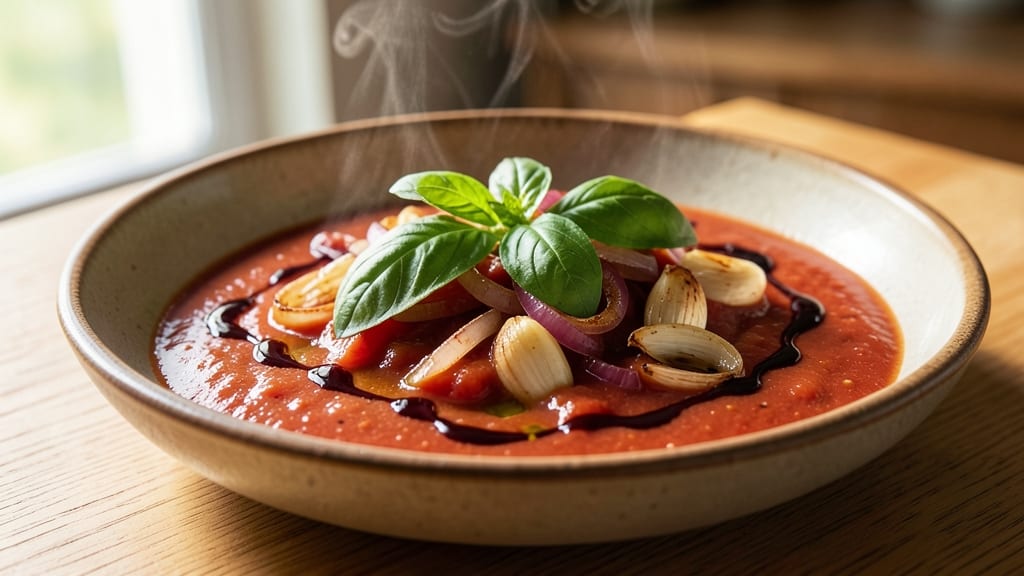
This Barefoot Contessa pasta sauce recipe transforms simple ingredients into a restaurant-worthy tomato-basil masterpiece with just a few hidden techniques. 🌟 The secret lies in low-and-slow simmering that develops deep garlic flavor while keeping the sauce silky smooth—no blender required.
I've perfected this version over years of testing, and it never fails to impress even the most skeptical pasta lovers.
The magic happens in three simple steps: sautéing garlic until fragrant but never browned, combining it with canned tomatoes and a splash of red wine for complexity, then letting everything simmer until the flavors meld perfectly.
Fresh basil added at the end keeps its bright aroma intact, while a swirl of olive oil at serving time ties everything together.
What you'll end up with is a rich, velvety sauce that clings beautifully to al dente pasta—whether you're serving it with spaghetti, penne, or even gluten-free noodles. The garlic magic infuses every bite without overpowering, creating that signature Barefoot Contessa balance between bold and subtle flavors.
This sauce tastes even better the next day as the flavors continue to develop, making it perfect for meal prep. Serve it with a sprinkle of grated parmesan and fresh basil for that final restaurant-quality touch. Let's get cooking!
Ingredients for barefoot contessa pasta sauce
Eleven ingredients. Three magic steps. Restaurant-quality sauce at home.
| Ingredient | Amount | Notes |
|---|---|---|
| Extra-Virgin Olive Oil 🫒 | ½ cup | High-quality, fruity variety |
| Garlic Cloves 🧄 | 6 cloves | Fresh, peeled, left whole |
| Red Onion 🧅 | 1 whole | Medium, finely chopped |
| Canned San Marzano Tomatoes 🍅 | 28 oz | Crushed by hand or jarred |
| Dry Red Wine 🍷 | ½ cup | Bold Cabernet or Merlot |
| Fresh Basil Leaves 🌿 | ½ cup | Packed, stems removed |
| Salt 🧂 | 1 ½ tsp | Diamond Crystal kosher |
| Ground Black Pepper 🌶️ | ½ tsp | Freshly ground preferred |
| Sugar 🍚 | 1 tsp | Granulated, optional |
| Parmesan Cheese 🧀 | ¼ cup | Freshly grated from block |
| Vegetable Broth 💧 | ½ cup | Low-sodium preferred |
The garlic is non-negotiable—6 cloves is the sweet spot for that deep, fragrant flavor without bitterness. Costco sells pre-peeled garlic in bulk, but I always grab fresh. Look for plump, firm cloves with no sprouting. The San Marzano tomatoes? Trader Joe's carries them year-round, but any high-quality canned tomatoes work. The red wine adds complexity, so grab whatever bold bottle you've got open—no need for fancy labels. Fresh basil is ideal, but dried works at one-third the amount if you're in a pinch.
No red wine? Vegetable broth with a splash of balsamic vinegar mimics the acidity. Pre-peeled garlic? Peel them yourself—it takes 30 seconds and makes a difference. The sugar isn't about sweetness; it balances the acidity in the tomatoes. Brown sugar works too, but white is more neutral. For the Parmesan, grate it yourself—pre-grated gets clumpy and lacks flavor. If you're short on time, Penzeys sells pre-grated that's actually good.
This sauce gets better overnight—make extra and store it in airtight containers for up to 5 days in the fridge. Freezes beautifully for 3 months. I always portion it into meal-prep containers so lunches are sorted for the week. The basil wilts fast, so add it fresh at the end or store it separately in a damp paper towel. The Parmesan keeps for weeks in the fridge if you wrap it tightly in parchment.
Why You'll Love This Recipe
- Same sauce, endless uses: toss with pasta for dinner, ladle over grilled chicken for lunch, or freeze half for when you’re too tired to cook. It’s the ultimate lazy-person hero.
- No-Chop Nightmare: The onion and garlic get tossed in whole—peeled, sliced, and done in under two minutes. No crying, no fiddling, just pure efficiency while the wine and tomatoes do the heavy lifting.
- Wine-Infused Magic: That splash of dry red wine? It’s not just flavor—it’s a slow-simmered secret that turns canned tomatoes into something rich and layered, like a restaurant-quality kiss without the pretension.
- Weeknight to Weekend: Same sauce, endless uses: toss with pasta for dinner, ladle over grilled chicken for lunch, or freeze half for when you’re too tired to cook. It’s the ultimate lazy-person hero.
Step-by-step instructions for tomato-basil simmer with hidden garlic magic
Here's the method that builds flavor layer by layer—simple steps for a sauce that tastes like it simmered all day.
🍳 Step 1: Sauté Onion and Garlic Until Golden
Heat the 0.5 cup extra-virgin olive oil in a large Dutch oven over medium heat. Add the finely chopped red onion and cook for 5-6 minutes until softened and translucent. I press down gently with a wooden spoon to help it caramelize slightly—that's where the deep flavor starts.
Add the 6 garlic cloves and cook for another 1-2 minutes until fragrant but not browned. Here's the thing—garlic burns fast, so watch it closely. You want that sweet, nutty aroma without any bitterness. If the onion starts sticking, add a splash of water to loosen it up.
🍳 Step 2: Deglaze with Wine and Add Tomatoes
Pour in the 0.5 cup dry red wine and scrape up all those browned bits from the bottom of the pot. This is called deglazing, and it's where you capture all that concentrated flavor. Let the wine simmer for 3-4 minutes until it reduces by half and the alcohol cooks off.
Add the 28 oz canned San Marzano tomatoes (crushed if using whole tomatoes), 1.5 tsp salt, 0.5 tsp ground black pepper, and 1 tsp sugar. Stir well to combine. The sugar isn't just for sweetness—it helps balance the acidity of the tomatoes and enhances their natural sweetness. Bring the mixture to a gentle simmer.
⏰ Step 3: Simmer Uncovered for Deep Flavor
Let the sauce simmer uncovered over medium-low heat for 30-40 minutes. Here's where patience pays off—this slow cook gives the tomatoes time to break down and develop rich, concentrated flavor. Stir occasionally, but not constantly. You're looking for a sauce that's thickened but still saucy enough to coat pasta.
After 20 minutes, add the 0.5 cup vegetable broth. This helps prevent the sauce from getting too thick and ensures it stays balanced. The broth also adds depth without overpowering the tomato flavor. If the sauce looks too thick before the 30-minute mark, add a splash more broth.
🥘 Step 4: Finish with Fresh Basil and Parmesan
Remove the sauce from heat and stir in the 0.5 cup fresh basil leaves and 0.25 cup freshly grated Parmesan cheese. Let it steep for 5 minutes off the heat—this allows the basil to infuse its bright, fresh flavor into the sauce. The Parmesan adds a nice salty richness that ties everything together.
Taste and adjust seasoning if needed. I usually add a pinch more salt or a crack of black pepper at this stage. The sauce should be bright, tangy, and full of layered flavors. If you're serving it immediately, stir again just before tossing with pasta to keep those fresh basil leaves vibrant.
🍽️ Step 5: Serve Over Al Dente Pasta
Cook your favorite pasta according to package instructions until al dente (1 minute less than recommended). Reserve 1 cup of pasta water before draining—this starchy water helps emulsify the sauce and makes it cling beautifully to the noodles.
Toss the drained pasta with the sauce, adding pasta water as needed to reach your desired consistency. The sauce should coat the pasta evenly without being too thin. Serve immediately with extra Parmesan and fresh basil on top. This sauce tastes even better the next day, so make extra if you can—it's perfect for meal prep!
Pro Tips For Making Barefoot Contessa Pasta Sauce
- Sweat the Onion: Cut the red onion into even ¼-inch slices instead of chunks—this makes them cook faster and caramelize properly without turning to mush. I used to dice mine like a dicey amateur, and the sauce never got that deep, sweet base.
- Low and Slow with Wine: After adding the red wine, let it simmer uncovered for 5 full minutes until it’s nearly evaporated—this concentrates the flavor and cuts the alcohol bite. Skipping this step leaves the sauce tasting sharp and underdeveloped.
- Crush the Garlic: Smash the garlic cloves with the flat side of your knife before adding them to the oil—this releases more flavor without burning. I learned this the hard way when my sauce tasted like garlic paste instead of aromatic magic.
- Blend the Tomatoes: Pulse the San Marzano tomatoes in a blender or food processor for 10 seconds before adding them to the sauce—this breaks up seeds and skins for a smoother texture. The Barefoot Contessa recipe calls for whole tomatoes, but blending them halfway makes a real difference in consistency.
Troubleshooting perfect results
Garlic Burns Too Fast
This is the #1 mistake I see when making this sauce—overcooked garlic turns bitter and ruins the delicate balance. The fix? Cook the 6 garlic cloves on medium heat for just 1-2 minutes after the onions soften.
Use a timer if you're distracted. If you catch it burning, immediately remove the pot from heat and let it cool for 30 seconds before continuing. 🌡️
Sauce Too Thin or Thick
For a thicker sauce, simmer uncovered longer (up to 50 minutes) or add 1 tbsp cornstarch mixed with 2 tbsp water at the end. If it's too thick during cooking, add 2 tbsp vegetable broth or water.
For thinner sauce, add ¼ cup pasta water when tossing with noodles. The key is consistency—adjust gradually. ✨
Tomatoes Too Acidic
If your tomatoes taste overly tangy, balance them with the 1 tsp sugar or add ½ tsp baking soda (just a pinch!) to neutralize acidity. For extra depth, add 1 tsp tomato paste with the tomatoes. I also recommend using San Marzano tomatoes—they're naturally sweeter than other brands. 🍅
Basil Loses Flavor
Fresh basil wilts fast when simmered. My solution? Add it only at the very end (5 minutes off heat) or store it separately in a damp paper towel in the fridge.
For frozen basil, use ⅓ the amount of fresh and add it with the Parmesan. Never boil basil—it turns bitter. 🌿
Pasta Too Dry
Always reserve 1 cup pasta water before draining—it's liquid gold for emulsifying the sauce. If your pasta feels dry after tossing, add 2-3 tbsp pasta water at a time until creamy.
For extra richness, stir in 1 tbsp olive oil at the end. The sauce should coat the noodles like a silky blanket. 💫
Wine Overpowers Sauce
If your red wine tastes too strong, use ½ cup dry white wine instead or replace it with ½ cup vegetable broth + 1 tbsp balsamic vinegar.
The key is deglazing—the wine should reduce by half (3-4 minutes simmering) to concentrate its flavor. Never skip this step, even with broth substitutes. 🍷
Nutrition facts
Frequently asked questions
Can I make this sauce without red wine?
Replace the 0.5 cup dry red wine with 0.5 cup vegetable broth + 1 tablespoon balsamic vinegar for similar acidity. The key is deglazing—the liquid should reduce by half (3-4 minutes) to concentrate flavor. Never skip this step, even with substitutes.
How do I adjust the sauce for gluten-free pasta?
This sauce works perfectly with gluten-free noodles! Just ensure your pasta water is well-salted and reserve 1 cup before draining. Toss the cooked pasta with sauce and add pasta water as needed—gluten-free pasta often absorbs sauce differently. For extra richness, stir in 1 tablespoon olive oil at the end.
What's the secret to getting that restaurant-quality texture?
The magic lies in low-and-slow simmering and proper timing. Simmer uncovered for 30-40 minutes to let tomatoes break down naturally. For silky texture, add 0.5 cup vegetable broth at the 20-minute mark and finish with fresh basil and Parmesan off the heat. The sauce thickens as it cools—adjust consistency with pasta water when serving.
Can I make this sauce ahead of time?
This sauce tastes even better the next day! Store it in an airtight container in the fridge for up to 5 days or freeze for 3 months. Reheat gently on the stove, adding a splash of water if needed. The flavors meld beautifully overnight, making it perfect for meal prep. Just add fresh basil before serving.
What if I don't have fresh basil?
Use ⅓ the amount of dried basil (about 1.5 tablespoons) and add it with the Parmesan at the end. For extra flavor, add ½ teaspoon dried oregano along with the dried basil. Never boil dried herbs—add them off the heat to preserve their aroma.