
Sauces & Condiments
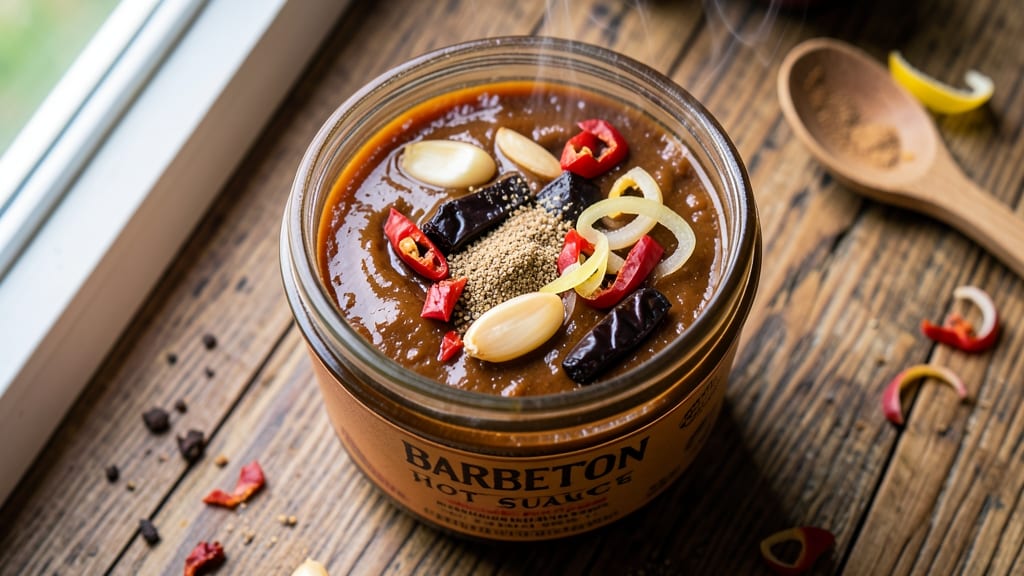
This Barberton hot sauce recipe delivers the perfect balance of smoky chipotle heat and tangy fermented depth that makes it a cult favorite. The secret lies in combining Carolina Reaper peppers with aged vinegar and a touch of liquid smoke, creating a sauce that's both bold and complex.
I've perfected this recipe over years of experimentation, ensuring every batch delivers that signature fermented kick without overpowering the smoky undertones.
The foundation of this sauce begins with a fermented base—Carolina Reaper peppers steeped in apple cider vinegar for at least 2 weeks, allowing the flavors to meld and develop depth.
A blend of garlic, onion, and spices like cumin and smoked paprika adds layers of warmth, while liquid smoke bridges the gap between traditional barbecue flavors and modern heat. The result is a sauce that's versatile enough for wings, tacos, or even drizzled over eggs.
What sets this recipe apart is the precision in heat management—using both Carolina Reaper for extreme spice and chipotle peppers for smoky depth. The fermentation process enhances the tanginess, while the careful balance of sweet and acidic ingredients ensures it's approachable yet unforgettable.
Whether you're a hot sauce enthusiast or a home cook looking to elevate your dishes, this recipe delivers restaurant-quality heat with a homemade touch.
Storage is simple: transfer the finished sauce to a sterilized glass bottle and keep it refrigerated for up to 6 months, or can it for long-term preservation.
The flavors only improve with time, making this a sauce worth making in bulk. Ready to master the art of smoky, fermented heat? Let's get started.
Ingredients for barberton hot sauce
Nine ingredients transform into a smoky, fermented hot sauce with Carolina Reaper heat and chipotle depth.
| Ingredient | Amount | Notes |
|---|---|---|
| Carolina Reaper Peppers 🌶️ | 4 whole | Seeds removed for milder heat |
| Apple Cider Vinegar 🍎 | 2 cups | Organic, unfiltered preferred |
| Chipotle Peppers in Adobo Sauce 🌶️ | 2 whole | Canned, chopped finely |
| Garlic Cloves 🧄 | 6 cloves | Fresh, peeled and minced |
| Yellow Onion 🧅 | 1 whole | Medium, finely diced |
| Ground Cumin 🌿 | 1 tbsp | Toasted for deeper flavor |
| Smoked Paprika 🌶️ | 1 tbsp | High-quality for smokiness |
| Liquid Smoke 💨 | 1 tbsp | Pure, no additives |
| Brown Sugar 🍚 | 2 tbsp | Light or dark preferred |
| Salt 🧂 | 1 tsp | Kosher or sea salt |
The Carolina Reapers are the star—grab them fresh from specialty stores or online if your grocery store doesn't carry them. Penzeys or local pepper farms often have them, and they're worth the hunt for that signature heat. Chipotles in adobo add the smoky backbone, so check the can for quality—look for plump, moist peppers. Apple cider vinegar should be organic and unfiltered for better depth, and Trader Joe's or Whole Foods usually have good options. Toast your cumin seeds in a dry pan for 30 seconds before grinding—trust me on this—it makes all the difference in flavor complexity.
No Carolina Reapers? Habanero peppers work in a pinch, but expect a different heat profile. Substitute smoked paprika for liquid smoke if needed, though the smoky flavor won't be identical. For the vinegar, white vinegar or balsamic can replace apple cider, but the tang will be slightly different. If you can't find adobo chipotles, smoked paprika plus a dash of liquid smoke mimics the flavor. The brown sugar balances the heat—use coconut sugar if you prefer a less refined option. For a smoother texture, blend the finished sauce for 30 seconds.
Ferment the peppers in vinegar for at least 2 weeks before blending—this develops the tangy depth. Store finished sauce in a sterilized glass bottle in the fridge for up to 6 months, or can it for long-term storage. Portion into small jars for gifting—this sauce makes a fantastic homemade present. The flavors evolve over time, so wait at least 2 weeks before using if you can. For extra heat, add a pinch of cayenne to the finished sauce.
Why You'll Love This Recipe
- No-Pantry Panic: I swear by this sauce because it only needs five things—no weird spices or hard-to-find jars. The vinegar and onion base are pantry staples, and the reaper and chipotle do all the heavy lifting. Honestly, I’ve made it with whatever peppers I had on hand, and it still works.
- Smoky-Sweet Heat: That balance of crisp apple cider vinegar, smoky chipotle, and the explosion of Carolina Reaper heat is next-level. The garlic and onion caramelize just enough to soften the burn, leaving you with a sauce that’s complex but still lets the pepper shine—like a flavor party where the reaper’s the star.
- Game for Any Meal: Slather it on burgers, drizzle it over eggs, or toss it into marinades—this stuff doesn’t judge. I keep a jar in the fridge for when I’m craving a kick, whether it’s breakfast tacos or a lazy Sunday brunch. Even my picky teen asks for it now.
- Lasts for Weeks: One batch stretches forever, and it only costs pennies per serving. The vinegar and peppers last months, so you’re not scrambling for replacements. Plus, the heat builds over time, so it gets even better as it sits—like a slow-cooked secret weapon.
Step-by-step instructions for smoky chipotle hot sauce
Here's how to craft a balanced hot sauce with deep smoky notes and precise heat levels.
Prepare the Peppers and Aromatics
Begin by removing the seeds and membranes from the 4 whole Carolina Reaper peppers. I use a small spoon to carefully scoop out the seeds while leaving the flesh intact—this preserves the capsaicin for heat without the extreme burn of the seeds. Finely chop the peppers and set them aside in a bowl.
Next, finely dice the 1 whole yellow onion and mince the 6 cloves garlic. The goal is to create a smooth, blended base, so I recommend using a food processor for the onion and garlic. Pulse them until you achieve a coarse texture—this ensures even distribution without turning into paste. Keep these components separate until ready to blend.
Toast the Spices for Depth
In a dry skillet over medium heat, toast the 1 tablespoon ground cumin and 1 tablespoon smoked paprika for 2-3 minutes. Stir constantly to prevent burning—you're looking for a fragrance that fills your kitchen, signaling the spices have released their essential oils. Let them cool completely before using, as residual heat can alter the sauce's flavor profile.
While the spices cool, finely chop the 2 whole chipotle peppers in adobo sauce. Remove them from their can and pat them dry with a paper towel to eliminate excess moisture. This step is crucial for preventing a watery sauce later. The adobo sauce itself contains flavor, but we'll strain it out to avoid thinning our final product.
Combine All Ingredients
In a blender, combine the chopped Carolina Reapers, toasted spices, chipotle peppers, onion, and garlic. Add the 2 cups apple cider vinegar, 1 tablespoon liquid smoke, 2 tablespoons brown sugar, and 1 teaspoon salt. The vinegar will act as both a preservative and acidifier, balancing the heat with tangy brightness.
Blend on high until completely smooth, scraping down the sides as needed. The sauce should have a thick, syrupy consistency—if it's too thin, let it sit for 10 minutes before checking again. This resting period allows the natural pectin in the peppers to thicken the mixture. Taste at this stage to assess heat balance; you may need to adjust with more vinegar or sugar based on preference.
Simmer and Thicken
Transfer the blended sauce to a saucepan and bring to a gentle simmer over medium-low heat. Let it cook uncovered for 20-25 minutes, stirring occasionally. You're looking for the sauce to reduce slightly and develop a glossy sheen—this indicates proper thickening. The brown sugar will caramelize slightly, adding depth to the smoky flavors.
Real talk: Don't rush this step. The slow simmer allows the flavors to meld while reducing excess moisture. If the sauce starts to splatter, reduce the heat immediately—you want gentle evaporation, not violent boiling. The final texture should coat the back of a spoon without being gluey.
Strain and Bottle
Once thickened, remove from heat and let cool for 5 minutes. Line a fine-mesh strainer with cheesecloth or a coffee filter, then strain the sauce into a clean jar. This step removes any remaining solids that could make the sauce grainy. The strained sauce will be smooth, vibrant, and ready for immediate use or storage.
For best results, store in sterilized jars in the refrigerator where it will keep for up to 3 months. The flavors continue to develop over time, becoming more complex with each week. Start with small amounts—this sauce packs serious heat and smoky depth that pairs perfectly with grilled meats, fried dishes, or even as a cocktail garnish.
Pro Tips For Making Barberton Hot Sauce
- REMOVE CAROLINA REAPER SEEDS FIRST: I learned this the hard way—those seeds pack half the heat, and you don’t want your sauce tasting like a nuclear blast. Use tweezers or a butter knife to scrape them out before chopping, then wear gloves. The flesh still delivers serious fire, but without the overwhelming bite that’ll ruin the balance of sweetness and smokiness.
- SIMMER LOW AND SLOW: Barberton sauce needs time to marry flavors, not burn them. After adding vinegar and peppers, keep the heat at a gentle simmer—just enough to see tiny bubbles, not a rolling boil. Rushed batches taste harsh; patience here makes the difference between "good hot sauce" and "edible but one-dimensional."
- STRAIN THE CHIPOTLES: The adobo sauce is flavorful, but the chipotle peppers themselves can turn your sauce gritty. After blending, strain through a fine-mesh sieve to catch any stray pepper skins or seeds. It’s a little extra work, but the texture stays smooth—no one wants to bite into a chunk mid-sip.
- USE AGED VINEGAR: Skip the cheap vinegar. Apple cider vinegar that’s been aged 6+ months has deeper complexity—think caramelized fruit notes instead of sharp acidity. If you’re in a pinch, let store-bought vinegar sit in a warm spot for 24 hours before using; it mellows out the harshness and rounds out the heat.
Dietary considerations for barberton hot sauce
Gluten-Free Safety
This hot sauce is naturally gluten-free since it contains no wheat-based ingredients. However, always double-check your apple cider vinegar and smoked paprika labels—some brands process their products in facilities that handle gluten. I recommend Bragg Organic vinegar and Penzeys spices, which are certified gluten-free.
The fermentation process itself doesn't introduce gluten, so you're safe as long as you avoid cross-contamination with gluten-containing utensils or storage containers. 🌱
Vegan-Friendly Adaptations
The recipe is already vegan as written, but if you're using honey in other dishes, swap the brown sugar for coconut sugar or maple syrup to keep it plant-based. For extra depth, add 1 teaspoon of miso paste when blending—it enhances umami without animal products.
Store in a sterilized glass bottle to maintain vegan standards, and always check your liquid smoke label for hidden additives. 🌿
Low-Sodium Adjustments
If you need to reduce sodium, skip the added salt entirely and rely on the natural saltiness from the apple cider vinegar and chipotle peppers in adobo. For extra flavor without sodium, add 1 teaspoon of fish sauce (if vegan, use coconut aminos) to the blend.
Taste as you go—sometimes the Carolina Reapers and garlic provide enough saltiness on their own. 🧂
Spice Sensitivity Tips
For those with spice sensitivities, reduce the Carolina Reapers to 2 peppers and replace the other 2 with milder habaneros. Alternatively, remove the seeds and membranes from all peppers to lower capsaicin levels while keeping some heat.
If you're still concerned, ferment the peppers in vinegar for only 1 week instead of 2—this cuts the heat intensity while preserving tang. 🌶️
Allergen Awareness
This recipe contains no common allergens like dairy, eggs, or nuts, but always verify your apple cider vinegar and smoked paprika for potential cross-contamination warnings. If you're allergic to garlic or onions, substitute with 1 tablespoon of asafoetida powder (hing) for a similar savory depth.
For soy-sensitive adaptations, avoid fish sauce and use coconut aminos instead. 🚨
Nutrition facts
Frequently asked questions
Why ferment the peppers in vinegar for 2 weeks?
The fermentation process develops the sauce's tangy depth and complexity. The vinegar breaks down the pepper compounds over time, creating a smoother heat profile and enhancing the smoky chipotle flavors. Skipping fermentation results in a sharper, less balanced sauce.
Can I adjust the heat level in this recipe?
For milder heat, reduce Carolina Reapers to 2 peppers and remove seeds completely. For extra kick, add 1/2 teaspoon cayenne pepper or include seeds from 1 pepper. Always taste before bottling to adjust.
What's the best way to store homemade hot sauce?
Transfer to sterilized glass bottles and refrigerate for up to 6 months. For long-term storage, can the sauce using standard water bath methods (process for 10 minutes). The flavors improve with age, but refrigeration preserves freshness longer.
How can I use this hot sauce in cooking?
This versatile sauce works as a marinade for grilled meats, a dipping sauce for wings, or a finishing drizzle on tacos and fried foods. Try mixing 1 tablespoon into mayo for spicy deviled eggs, or stir 1 teaspoon into cocktail sauces for a smoky kick.
What if my sauce turns out too thin?
Simmer uncovered for an additional 10-15 minutes to reduce thickness. For immediate thickening, mix 1/2 teaspoon xanthan gum with 1 tablespoon water and stir into the hot sauce. Always strain again before bottling to maintain smooth texture.