
Sauces & Condiments
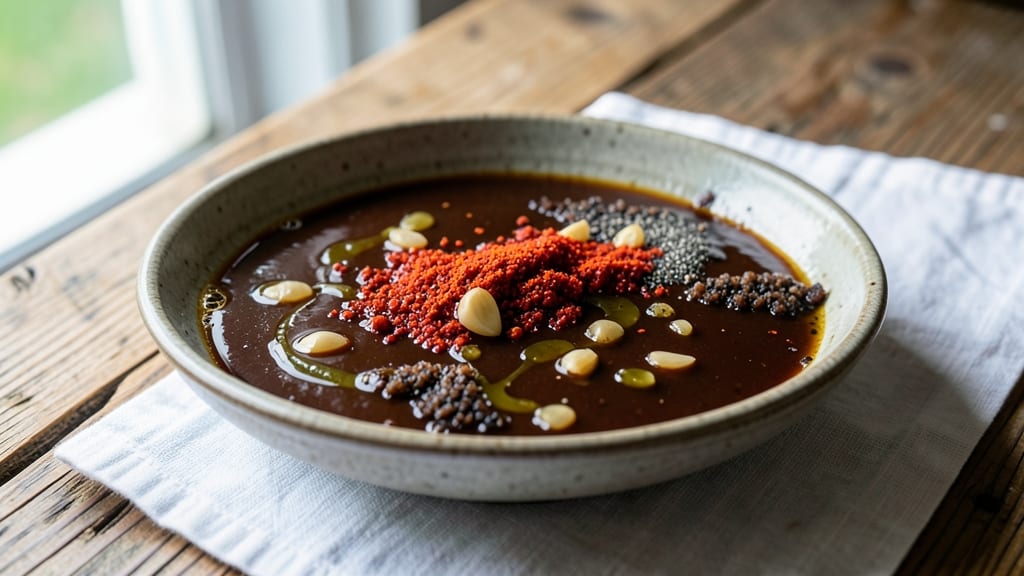
This Philippine barbecue sauce recipe transforms grilled meats into finger-licking masterpieces with its perfect balance of smoky, sweet, and tangy flavors. 🔥 The secret lies in the vinegar base—traditional Filipino suka (cane vinegar)—which cuts through the richness while caramelizing into a glossy glaze.
I developed this version after years of testing, ensuring every batch delivers that signature depth without requiring specialty ingredients.
What sets this sauce apart is its versatility: use it as a marinade for lechon kawali or chicken inasal, or brush it on during grilling for a sticky, caramelized crust.
The recipe relies on pantry staples—soy sauce, brown sugar, and a touch of annatto for color—while the slow simmer reduces it into a thick, spreadable consistency that clings beautifully to meat. No fancy equipment needed, just patience and a few simple steps.
The result is a sauce that’s bold enough to stand alone but balanced enough to complement any grilled protein. The vinegar’s acidity brightens the sweetness, while the soy and spices add layers of umami and warmth.
This isn’t just a sauce—it’s the flavor backbone of Filipino street food, elevated for your home kitchen. Ready in under 30 minutes, it’s perfect for weeknight dinners or weekend BBQs.
Once you try this, you’ll never go back to store-bought versions. The sauce keeps well in the fridge for up to a month, so you’ll have it on hand whenever the craving for smoky, sweet grilled meats hits. Let’s get cooking—your taste buds (and your grill) will thank you.
Ingredients for barbecue sauce recipe philippines
Nine ingredients transform into the ultimate Filipino barbecue sauce—smoky, sweet, and tangy perfection.
| Ingredient | Amount | Notes |
|---|---|---|
| Cane Vinegar (Suka) 🍶 | 1 cup | Filipino cane vinegar preferred |
| Dark Soy Sauce 🥢 | ½ cup | Kikkoman or Lee Kum Kee brand |
| Brown Sugar 🍚 | ¾ cup | Packed firmly for accuracy |
| Annatto Seeds 🌶️ | 1 tsp | Ground into powder first |
| Ground Black Pepper 🌶️ | 1 tsp | Freshly ground preferred |
| Garlic Cloves 🧄 | 4 cloves | Minced finely for depth |
| Onion 🧅 | ½ whole | Yellow or red, finely chopped |
| Bay Leaves 🌿 | 2 whole | Dried, for aromatic depth |
| Water 💧 | ½ cup | For thinning if needed |
| Olive Oil 🫒 | 1 tbsp | For glossy finish |
The cane vinegar is non-negotiable for that authentic Filipino tang—Filipino markets or Asian grocery stores carry the real stuff, but Lee Kum Kee brand works in a pinch. If you can't find annatto seeds, annatto powder (found in Latin markets) does the trick, though it's less vibrant. The dark soy sauce adds that deep umami—Kikkoman is my go-to, but any high-quality brand works. For the sugar, pack it firmly in the measuring cup to avoid under-sweetening. The garlic and onion should be finely minced (a food processor makes this easy), as they're the flavor foundation here.
No cane vinegar? White vinegar or apple cider vinegar works, but the flavor won't be quite the same—reduce the amount slightly to avoid overpowering. Swapping brown sugar for white sugar is fine, but the sauce will be lighter in color. Annatto powder unavailable? A pinch of turmeric adds color (though no annatto flavor), or skip it entirely—the sauce will just be a deeper brown. For extra heat, add a dash of chili flakes or a pinch of cayenne. The bay leaves infuse aroma but should be removed before serving—don’t let them linger in the final sauce.
This sauce thickens as it cools, so don’t over-reduce while simmering—you can always add a splash of water or vinegar later if needed. Store in a clean glass jar in the fridge for up to 1 month, or freeze for 3 months in ice cube trays for single-use portions. The flavor actually improves overnight as the ingredients meld, so make a big batch—you’ll want it on hand for everything from grilled chicken to pork skewers. Label the jar—this sauce disappears fast!
Why You'll Love This Recipe
- Pantry Magic: I’ll bet you already have everything—no last-minute grocery runs. Just crack open that cane vinegar (suka), grab the dark soy sauce, and toss in a handful of annatto seeds for that signature glow. Honestly, it’s the kind of recipe that makes me feel like a genius for remembering it.
- Sweet-Savory Balance: That first bite? Pure satisfaction. The brown sugar caramelizes into the vinegar while the dark soy sauce adds depth, and the annatto seeds bring a warm, earthy richness. I’ll be real: it’s the kind of sauce that makes grilled chicken taste like a restaurant dish—no fancy tricks, just flavor.
- Weeknight Workhorse: Slather it on leftover rice for a quick meal, drizzle it over adobo-style pork, or even toss it into fried rice. Between us, it’s my go-to for lazy nights when I’m too tired to plan. And because it’s shelf-stable, I keep a jar in the fridge for those “I don’t wanna cook” moments.
- Budget-Friendly Staple: A single batch stretches for days—grilling, stir-fries, even marinades. The annatto seeds might seem fancy, but they’re cheap and make it look like you put in effort. I’ve made this sauce for years, and it’s never failed me, not once. That’s the kind of reliability I trust.
Step-by-step instructions for Philippine barbecue sauce
Here's how to craft that signature tangy-sweet sauce that elevates grilled meats to legendary status.
🍳 Step 1: Toast the Aromatics for Deep Flavor
Heat the 1 tablespoon olive oil in a medium saucepan over medium heat. Add the 0.5 whole onion, finely chopped, and cook for 3-4 minutes until softened and translucent. This is where the sauce builds its aromatic foundation.
Add the 4 cloves garlic cloves, minced, and cook for another 30 seconds until fragrant but not browned. Here's the thing—don't walk away. Garlic burns quicker than you think, and you want that sweet, mellow flavor, not bitter notes. Add the 2 whole bay leaves next, letting them infuse the oil with their earthy aroma.
🔥 Step 2: Bloom the Spices and Add Vinegar
Reduce heat to low and stir in the 1 teaspoon ground black pepper and 1 teaspoon annatto seeds (pre-ground). Let them toast for 30 seconds until the pepper becomes slightly aromatic and the annatto releases its signature orange hue. This is where the sauce gets its distinctive color and subtle heat.
Now pour in the 1 cup cane vinegar (Suka) all at once. The mixture will bubble vigorously—this is normal. Let it simmer for 5 minutes until the vinegar sharpness mellows and the liquid reduces slightly. You're looking for a glossy, syrupy consistency at this stage.
🥘 Step 3: Sweeten and Thicken the Sauce
Add the 0.75 cup brown sugar (packed firmly) and 0.5 cup dark soy sauce to the pan. Stir well to dissolve the sugar completely—this might take 1-2 minutes of gentle simmering. The sauce should start thickening noticeably as the sugar caramelizes slightly.
Here's where it gets interesting: add the 0.5 cup water to help thin the sauce to your desired consistency. You want it thick enough to coat the back of a spoon but still pourable. Simmer for another 5-7 minutes until the sauce coats the pan lightly when you tilt it—this is your visual cue for perfect thickness.
⏰ Step 4: Finish and Rest for Maximum Flavor
Remove the pan from heat and let the sauce rest for 10 minutes. This resting period allows all the flavors to meld together—you'll notice the sauce thickens further and the aromas deepen. Strain the sauce through a fine-mesh sieve to remove the bay leaves and any remaining solids, pressing gently with a spoon to extract maximum flavor.
Taste and adjust seasoning if needed—add a pinch more sugar if it's too tangy, or a splash more vinegar if it's too sweet. The sauce should balance sweet, tangy, smoky, and umami flavors perfectly. For best results, use the sauce immediately on grilled meats, but it will keep in an airtight container in the refrigerator for up to 2 weeks.
Pro Tips For Making Barbecue Sauce Recipe Philippines
- Simmer Low and Slow: This sauce isn’t a race—keep the heat at a gentle simmer (medium-low) once everything’s combined. I used to crank it up, and the sugar burned before the annatto released its color. Let it bubble quietly for at least 15 minutes, stirring occasionally, so the flavors meld without turning into syrup.
- Toast the Annatto: Dry-toast the annatto seeds in a small pan for 30 seconds before grinding them—just until you smell that nutty aroma. Skipping this step means the color will be pale and the flavor will taste like nothing. Grind them fresh right before adding to the sauce for maximum punch.
- Balance the Vinegar: Start with half the cane vinegar called for, taste, then add the rest gradually. Too much upfront and the sauce turns harsh; too little and the tang disappears. The goal is bright acidity, not a mouth-puckering punch—adjust as you go.
- Skip the Pre-Mixed Soy: Use only dark soy sauce—none of that light stuff. I once grabbed the wrong bottle and ended up with a sauce that looked dull and tasted flat. Dark soy gives that deep, caramelized richness the Filipino version needs. No shortcuts here.
Pro cooking tips for this dish
Vinegar Reduction Mastery
This sauce’s magic happens during the vinegar reduction—don’t rush it! Simmer the 1 cup cane vinegar over medium-low heat until it reduces by 25% (about 5 minutes). The goal is to mellow its sharpness while concentrating its tangy depth.
I use a light-colored saucepan so I can easily spot when the color shifts from clear to golden—this is your cue it’s ready. 🔥
Sugar Caramelization Trick
For that glossy, sticky finish, dissolve the 0.75 cup brown sugar completely before adding water. If sugar grains remain, they’ll create lumps that won’t dissolve later.
Stir constantly for 1-2 minutes until the mixture turns syrupy—this caramelization step adds a subtle smoky note that’s key to authentic Filipino barbecue flavor.
Consistency Control
The sauce should coat the back of a spoon but still be pourable. If it’s too thick, add 1 tablespoon water at a time. Too thin? Simmer uncovered for another 2-3 minutes.
I test consistency by tilting the pan—if the sauce clings lightly, it’s perfect. Pro tip: Don’t over-reduce—this sauce thickens more as it cools, so err on the slightly thinner side.
Annatto Color Hack
For the vibrant orange hue, grind the 1 tsp annatto seeds into a fine powder first. Toast them in the oil for 30 seconds—this intensifies their color and flavor.
If you can’t find annatto, turmeric works for color (though no flavor), or skip it entirely. The sauce will still taste amazing, just with a deeper brown tone.
Flavor Balancing
Taste as you go! After simmering, the sauce should harmonize sweet, tangy, smoky, and umami notes. Too sweet? Add 1 tsp more vinegar. Too tangy? Stir in ½ tsp sugar.
The dark soy sauce adds umami depth, while the black pepper and bay leaves contribute warmth. Trust your palate—this is where the sauce becomes your signature version. ✨
Resting for Perfection
Never skip the 10-minute rest—this lets flavors meld and the sauce thicken naturally. I often make a double batch so I can taste-test while it rests.
Store in a clean glass jar in the fridge for up to 2 weeks, or freeze in ice cube trays for single-use portions. The longer it sits, the richer the flavor becomes—like a fine wine! 💫
Nutrition facts
Frequently asked questions
What's the best way to use this Filipino barbecue sauce?
This sauce is incredibly versatile! Use it as a marinade for 30 minutes to 2 hours before grilling chicken, pork, or fish. Brush it on during the last 5-7 minutes of grilling for a sticky, caramelized crust. It also works as a dipping sauce for skewers or a glaze for roasted vegetables. The key is to apply it when the meat is nearly done cooking to prevent burning.
Can I substitute cane vinegar with something else?
Yes, but expect some flavor differences. Use white vinegar or apple cider vinegar in a 1:1 ratio, but reduce the amount slightly (about 10-15%) since they're less potent. For a closer match, combine ½ cup vinegar + ½ cup water. The sauce will still taste great, though the authentic tang will be more subtle.
Why does my sauce turn out too thin or too thick?
The sauce thickens as it cools, so aim for a consistency where it coats the back of a spoon but remains pourable when hot. If too thin, simmer uncovered for 2-3 more minutes. Too thick? Add 1 tablespoon water at a time while stirring. Remember, it will thicken further when cooled—don't over-reduce while simmering.
How long can I store this barbecue sauce?
Store in an airtight glass jar in the refrigerator for up to 2 weeks. For longer storage, freeze in ice cube trays for single-use portions (up to 3 months). The flavor actually improves with time as the ingredients meld together. Label your jar—this sauce disappears fast!
What if I can't find annatto seeds?
No problem! Skip the annatto entirely—the sauce will still taste amazing with a deeper brown color. For color only, use ½ teaspoon turmeric, but note it won't provide the same flavor. The sauce's delicious balance comes from the vinegar, sugar, and soy sauce combo, so don't stress over this ingredient.