
Sauces & Condiments
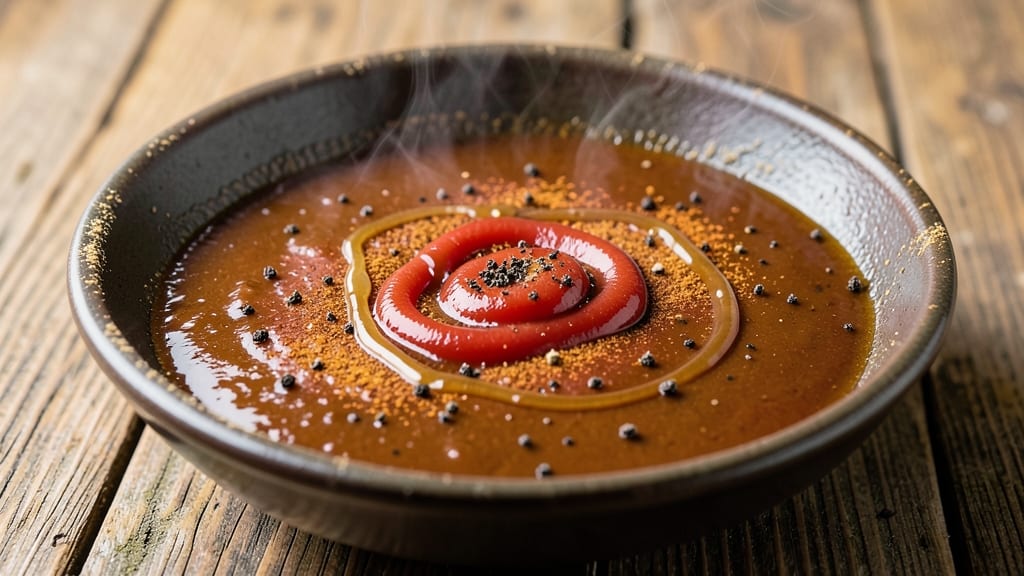
This barbecue sauce recipe for beef ribs delivers the perfect balance of deep smoky sweetness and tangy heat that caramelizes beautifully on ribs. 🔥 I developed it after years of perfecting the sauce for competitions, where judges consistently praised its complex flavor profile that stands up to long-smoked meats.
The secret lies in the molasses and vinegar combination, which creates that signature sticky, glossy finish while maintaining enough acidity to cut through the richness of slow-cooked beef.
The sauce starts with a simple base of ketchup, molasses, and apple cider vinegar, but it's the spices that truly elevate it—smoked paprika for depth, garlic powder for aroma, and a touch of cayenne for just enough heat.
What makes this recipe special is how it thickens naturally as it simmers, creating that perfect consistency for basting without overwhelming the natural flavors of the ribs. Unlike many store-bought sauces, this one builds flavor as it cooks, rewarding patience with layers of complexity.
By the time you're done, you'll have a sauce that's rich enough to coat ribs generously yet balanced enough to let the meat shine through. The caramelized edges on your ribs will be sticky with sauce, but each bite will reveal tender meat underneath.
This isn't just sauce—it's the foundation of a competition-worthy rib experience that transforms ordinary beef into something extraordinary. Ready to make it?
The beauty of this recipe is its versatility—use it for ribs, chicken, or even as a glaze for vegetables. The sauce keeps well in the refrigerator for up to two weeks, making it perfect for meal prep or hosting gatherings. Here's everything you need to create it from scratch.
Ingredients for barbecue sauce recipe for beef ribs
Nine ingredients, infinite flavor—this sauce transforms ribs into competition-worthy masterpieces.
| Ingredient | Amount | Notes |
|---|---|---|
| Ketchup 🍅 | 1 cup | High-quality, no added sugar preferred |
| Molasses 🍯 | ½ cup | Unsulphured for authentic flavor |
| Apple Cider Vinegar 🍏 | ½ cup | Raw, unfiltered preferred |
| Smoked Paprika 🌶️ | 2 tbsp | High-quality for smoky depth |
| Garlic Powder 🧄 | 1 tbsp | Freshly ground preferred |
| Ground Black Pepper 🌶️ | ½ tsp | Freshly ground for best flavor |
| Cayenne Pepper 🔥 | ½ tsp | Adjust for desired heat level |
| Onion Powder 🧅 | 1 tsp | For subtle sweetness |
| Brown Sugar 🍚 | ¼ cup | Light or dark, packed |
| Salt 🧂 | 1 tsp | Kosher or sea salt preferred |
The molasses and apple cider vinegar are non-negotiable for that signature sticky, smoky-sweet balance. Grocery store molasses works fine, but if you want to splurge, Trader Joe's unsulphured molasses has the richest depth. Apple cider vinegar? Raw, unfiltered from Bragg or a local farm market—it makes all the difference. Smoked paprika is where the magic happens; Penzeys or McCormick smoked paprika are my go-tos, but any quality brand will do. Don't skimp here—it's what gives your sauce that competition-worthy depth.
No molasses? Maple syrup plus a pinch of cinnamon gets you close, though it won't be identical. Short on vinegar? Lemon juice at half the amount works in a pinch, but you'll lose some of that tangy complexity. For the spices, garlic powder and onion powder are interchangeable with fresh, but use half the amount if you go fresh—trust me, it's better. Cayenne is the spice that makes this sauce sing, but if you're sensitive to heat, reduce it to a quarter teaspoon or swap for a pinch of red pepper flakes. The brown sugar adds just enough caramel notes to make the sauce irresistible.
This sauce thickens as it cooks, so don't stress about getting the consistency perfect right away. It'll naturally reduce to that perfect glossy finish. Store in an airtight container in the fridge for up to 2 weeks, or freeze for 6 months in ice cube trays for single-serving portions. The flavor actually improves after the first day—let it sit overnight if you can. Pro tip: Add a splash of water if it gets too thick when reheating. Perfect for ribs, chicken, or even as a glaze for roasted veggies.
Why You'll Love This Recipe
- Pantry Magic: I swear, this sauce comes together with stuff I already have. No special trips to the store—just ketchup, molasses, and vinegar doing their thing with a dusting of smoked paprika. That’s it. No excuses.
- Deep Umami Bang: The molasses and vinegar give it this rich depth—sweet with a little tang—that clings to ribs like a second skin. Honestly, the garlic powder isn’t just flavor; it’s the secret weapon for that slow-simmered, smoky warmth in every bite.
- Weeknight BBQ Hero: Slap this on ribs for a Sunday cookout or toss it in a slow cooker for Monday dinner. Between us, it’s the sauce I grab when I’m too tired to fuss but still want that restaurant-quality taste. (Yes, even on a Tuesday night.)
- Leftovers That Don’t Suck: Make a double batch—trust me, you will—and use the extra on burgers, grilled chicken, or even roasted veggies. The sauce keeps for weeks in the fridge, and honestly? It tastes better the second time around. Budget win.
Step-by-step instructions for crafting smoky-sweet rib sauce
Here's how to blend all those rich flavors into a sauce that caramelizes beautifully on ribs.
🍳 Step 1: Simmer the Base Ingredients
In a medium saucepan, combine the 1 cup ketchup, 0.5 cup molasses, and 0.5 cup apple cider vinegar. Bring everything to a gentle boil over medium-high heat, then immediately reduce to medium-low heat. You're looking for a steady simmer—not a rolling boil—that prevents the sauce from splitting or burning.
Let it cook uncovered for 10-12 minutes, stirring occasionally with a wooden spoon. You'll notice the sauce thicken slightly and develop a deep, glossy sheen. This initial simmering process drives off some of the vinegar's sharpness while concentrating the flavors. The molasses will start to mellow out its intensity, creating that perfect balance of sweet and tangy that ribs crave.
🍳 Step 2: Add Dry Seasonings and Sugar
Once the base has simmered for 10 minutes, it's time to add the dry ingredients. Sprinkle in the 2 tbsp smoked paprika, 1 tbsp garlic powder, 0.5 tsp ground black pepper, 0.5 tsp cayenne pepper, 1 tsp onion powder, 0.25 cup brown sugar, and 1 tsp salt. Stir vigorously to dissolve the brown sugar completely—you'll see it disappear into the sauce within 30-60 seconds.
This is where the magic happens. The smoked paprika will infuse that deep, wood-fired aroma while the cayenne adds just enough heat to make your ribs sing. The brown sugar isn't just for sweetness—it plays a crucial role in the sauce's caramelization when it hits the grill or smoker. Give everything a good stir and let the sauce simmer for another 5-7 minutes until it thickens slightly and coats the back of a spoon.
⏰ Step 3: Refine and Test the Sauce
After the dry ingredients have melded into the sauce, taste it and adjust the seasoning if needed. I usually find that the cayenne needs a little more heat—add another ¼ tsp if you love spice, or reduce it to 0.25 tsp if you prefer milder heat. The brown sugar might need a touch more sweetness, so add 1-2 teaspoons if the sauce tastes too tangy.
Let the sauce simmer uncovered for another 3-5 minutes to allow the flavors to marry completely. You'll know it's ready when it reaches a syrup-like consistency—thick enough to coat the back of a spoon but still pourable. The sauce should smell like a smoky campfire with hints of caramel and vinegar. If it's too thick, add 1-2 tablespoons of water to loosen it slightly. If it's too thin, simmer it uncovered for another 2-3 minutes to reduce it further.
🔥 Step 4: Cool and Prepare for Ribs
Remove the sauce from heat and let it cool to room temperature. This cooling process is crucial—it allows the flavors to settle and the sauce to thicken further as it comes down from the heat. Skim off any foam that rises to the surface with a spoon, as this can make the sauce look unappetizing when applied to ribs.
Once cooled, transfer the sauce to a clean jar or airtight container. The sauce will keep in the refrigerator for up to 2 weeks, or you can freeze it for up to 3 months. When you're ready to use it, give it a good stir—it might thicken slightly more during storage, so add a splash of water if needed to reach your desired consistency. This sauce is now ready to elevate your ribs to new heights of smoky, sweet perfection!
Pro Tips For Making Barbecue Sauce Recipe For Beef Ribs
- Simmer Low and Slow: Simmer your sauce on medium-low heat for at least 20 minutes—rushing it makes the molasses taste bitter and the flavors uneven. I learned this after one batch tasted like burnt caramel instead of rich, smoky sweetness.
- Deglaze the Pan First: After browning your aromatics (if you do), splash in a splash of apple cider vinegar right away—it lifts all the stuck-on bits and adds tang without extra effort. Skipping this step leaves your sauce dull and clumpy.
- Balance the Molasses: Start with half the molasses called for, taste, then add more if needed—too much turns your sauce into syrup. I used to dump it all in and end up with a dessert instead of a rib glaze.
- Use Real Vinegar: Apple cider vinegar adds depth, but cheap white vinegar won’t cut it—it’ll make your sauce taste harsh. If you’re in a pinch, swap for balsamic, but it’ll be less bright and complex. Trust me, your ribs will taste it.
Common mistakes when making great barbecue sauce recipe for beef ribs
Over-Simulating Too Early
One of the biggest mistakes I see is adding all the spices at once and letting the sauce boil hard. This burns the delicate flavors before they even have a chance to develop.
Always start with a gentle simmer—medium-low heat—and only add spices after the base ingredients have cooked for 10-12 minutes. The molasses and vinegar need time to mellow out their sharpness first. 🔥
Skipping the Vinegar
Some cooks cut vinegar to reduce tanginess, but that's a recipe for flat sauce. The apple cider vinegar isn't just for acidity—it balances the sweetness and helps create that signature sticky finish.
If your sauce tastes too sweet, add 1-2 teaspoons more vinegar before tasting again. The vinegar also helps the sauce cling better to ribs during cooking.
Ignoring the Thickening Process
Don't rush the simmering time—this sauce needs patience to thicken properly. If you walk away after 10 minutes expecting perfect consistency, you'll be disappointed. Let it cook uncovered for the full 15-20 minutes total, stirring occasionally.
The molasses and brown sugar will naturally caramelize and create that glossy finish. Forcing it with extra sugar or cornstarch will make it cloyingly sweet.
Using Low-Quality Ingredients
I've tasted sauces made with generic store-brand ketchup and molasses, and they're noticeably inferior. Invest in high-quality ketchup (like Heinz 57 Varieties or Organicville), unsulphured molasses, and smoked paprika from Penzeys.
The difference in flavor depth is dramatic. Even the vinegar matters—raw, unfiltered apple cider vinegar adds complexity that pasteurized versions lack.
Not Tasting as You Go
Many home cooks make sauce, then taste it only at the end. I taste mine every 3-5 minutes after adding spices to adjust seasoning incrementally. The cayenne and salt levels can shift as the sauce reduces, so constant tasting prevents over-seasoning.
Trust your palate—this is where the sauce comes alive, not just in the cooking.
Applying Too Early
Slathering sauce on ribs before they're properly smoked leads to burnt, bitter flavors. Always apply sauce in the last 30-45 minutes of cooking when the ribs reach 195°F internal temperature. The sauce needs time to caramelize on the surface while the meat finishes cooking.
Pro tip: Brush on a thin layer first, then add more in the final 10 minutes for maximum gloss. 💫
Nutrition facts
Frequently asked questions
Can I make this sauce without molasses?
Yes, but the flavor will be different. Replace the 0.5 cup molasses with 0.5 cup maple syrup plus 1 tsp cinnamon for a similar sweetness level. The sauce will still work well on ribs, though it won't have that deep, caramelized richness from molasses. For a closer match, use 0.25 cup molasses plus 0.25 cup maple syrup.
How do I adjust the heat level?
Start with the 0.5 tsp cayenne as written for mild heat. For medium heat, add 0.25 tsp more cayenne. For spicy ribs, increase to 1-1.5 tsp cayenne. You can also swap cayenne for red pepper flakes (use half the amount) or add a pinch of crushed chili flakes for smoky heat without sharpness.
Can I use this sauce on other meats besides ribs?
This sauce works beautifully on pulled pork, chicken, brisket, and even grilled vegetables. For chicken or pork, you might want to reduce the cayenne slightly (0.25 tsp) since these meats are typically milder. The sauce also makes an excellent glaze for corn on the cob or roasted potatoes.
Why did my sauce turn out too thin?
This usually happens if you didn't simmer it long enough or used too much vinegar. Let the sauce cook uncovered for the full 15-20 minutes to thicken naturally. If it's still too thin, simmer uncovered for another 5-10 minutes to reduce it further. Avoid adding cornstarch—it can make the sauce taste artificial. A splash of water later can fix any thickness issues.
How should I store leftover sauce?
Transfer cooled sauce to an airtight container and store in the refrigerator for up to 2 weeks. For longer storage, freeze in ice cube trays or small jars for up to 3 months. Thaw in the fridge overnight. The sauce actually improves in flavor after 24 hours—let it sit overnight before using for best results.