
Sauces & Condiments
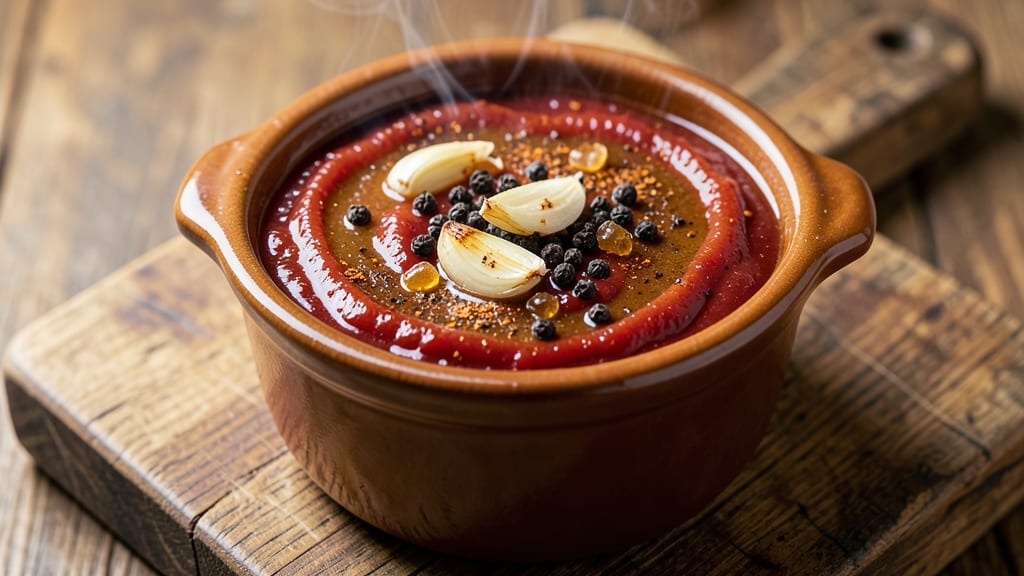
This barbecue marinade sauce transforms any grill masterpiece from good to unforgettable—smoky depth, caramelized sweetness, and a tangy kick that clings to every bite. 🔥 I developed it after years of perfecting my pitmaster technique, blending French reduction methods with classic American BBQ tradition. The secret lies in balancing brown sugar's caramelization with apple cider vinegar's bright acidity, creating a sauce that tenderizes while adding layers of flavor.
What sets this marinade apart is its versatility—it works as both a pre-grill marinade and a finishing sauce, cutting through the fat to enhance natural meat flavors. The blend of garlic, smoked paprika, and a touch of cayenne delivers that signature BBQ punch without overpowering.
Unlike store-bought versions, this sauce builds flavor as it rests, intensifying over time for deeper taste development.
By the time you're ready to grill, you'll have a sauce that's rich enough to stand alone but balanced enough to complement any protein. The smoky-sweet profile works beautifully with ribs, chicken, or even vegetables, creating a caramelized crust that's impossible to resist.
This isn't just marinade—it's the foundation for restaurant-quality BBQ at home.
Make a double batch and store it in the fridge for up to two weeks, or freeze for longer shelf life. The flavors only improve with time, making this the ultimate grill-side essential. Let's get cooking—your next cookout just got a whole lot better.
Ingredients for barbecue marinade sauce
Nine ingredients blend into a smoky-sweet marinade that elevates every grill masterpiece.
| Ingredient | Amount | Notes |
|---|---|---|
| Brown Sugar 🍯 | 1 cup | Light or dark variety preferred |
| Apple Cider Vinegar 🍎 | ½ cup | Bragg preferred for authentic flavor |
| Tomato Paste 🍅 | ¼ cup | High-quality, no sugar added |
| Smoked Paprika 🌶️ | 2 tbsp | Spanish smoked preferred |
| Garlic Cloves 🧄 | 6 cloves | Freshly minced for best flavor |
| Ground Black Pepper 🌶️ | 1 tsp | Freshly cracked for intensity |
| Cayenne Pepper 🔥 | ½ tsp | Adjust for desired heat level |
| Onion Powder 🧅 | 1 tsp | For depth of flavor |
| Kosher Salt 🧂 | 1 ½ tsp | Diamond Crystal preferred |
| Extra-Virgin Olive Oil 🫒 | ¼ cup | For richness and balance |
The brown sugar is non-negotiable here—it's what creates that signature caramelized crust. Domino or C&H brands work perfectly, but if you want to get fancy, raw cane sugar adds even more depth. Apple cider vinegar should be the good stuff—Bragg or Mott's have that authentic tang. The tomato paste? Mutti or Barilla are my go-tos, but any quality brand will do. Smoked paprika is where the magic happens—Spanish smoked has that authentic BBQ flavor profile that store-brand versions can't match. Look for it in the international aisle if your grocery store doesn't carry it.
No smoked paprika? Regular paprika plus a pinch of liquid smoke gets you close. Short on apple cider vinegar? Balsamic vinegar works in a pinch, though it'll have a slightly different profile. The cayenne is completely adjustable—start with half a teaspoon if you're sensitive to heat. For the garlic, roasted garlic adds a sweet depth if you want to skip the mincing. The olive oil should be fruity and peppery—California Olive Ranch is my favorite for this recipe. And if you're making a big batch, consider doubling the tomato paste for that extra-thick consistency that works so well as a finishing sauce.
This sauce only gets better with time—make a double batch and keep it in the fridge for up to two weeks. The flavors meld and intensify, creating that restaurant-quality depth. For longer storage, freeze in ice cube trays—perfect portions for whenever the grill calls. Once opened, always stir before using since the ingredients naturally separate. The sugar will crystallize over time, so give it a quick shake or microwave for 10 seconds to bring it back to liquid perfection. Trust me, you'll want to keep this on hand year-round.
Why You'll Love This Recipe
- Pantry Magic: I swear by this sauce because it uses what I already have—no special trips to the store. Brown sugar and vinegar alone give it that sticky-sweet depth, while the tomato paste thickens it like a dream. Honestly, it’s the kind of recipe that makes me feel like a chef without trying.
- Smoky Garlic Kiss: That smoked paprika? It’s the star. One sniff and you’re transported to a backyard BBQ, but the garlic cloves—roasted or raw—add a punch that lingers. Between us, it’s the kind of flavor that makes people ask, “What’s in this?” (Now you know.)
- Weeknight Wonder: Slather it on chicken, toss it with veggies, or glaze ribs—this sauce doesn’t judge. I’ve used it for everything from sheet-pan dinners to last-minute grilled fish, and it never lets me down. (Yes, even on a Tuesday night.)
- Make-Ahead Gold: Double the batch and store it in the fridge for weeks. The vinegar keeps it fresh, and the sugar caramelizes just enough over time for even richer flavor. Budget-friendly? Absolutely. Lazy-friendly? Even better.
Step-by-step instructions for smoky-sweet BBQ marinade sauce
This sauce delivers deep, complex flavor that transforms grilled meats into showstoppers.
🍳 Step 1: Bloom the Spices in Olive Oil
Heat the 0.25 cup extra-virgin olive oil in a medium saucepan over medium-low heat. Add the 2 tablespoons smoked paprika, 1 teaspoon onion powder, and 1 teaspoon ground black pepper. Let them toast for 1-2 minutes until fragrant—you'll smell that rich, smoky aroma that's the soul of this marinade.
This step develops the spices' full potential. If you see them darken too quickly, reduce the heat immediately. The goal is to wake up those flavors without burning them. Once properly bloomed, the spices will release their oils and create a flavorful base for the rest of the sauce.
👨🍳 Step 2: Add Aromatics and Cook Until Soft
Push the spices to one side of the pan and add the 6 minced garlic cloves. Stir occasionally for 30-45 seconds until the garlic becomes golden and fragrant—this prevents it from burning while extracting all its sweet, pungent flavor. Then add the 0.5 teaspoon cayenne pepper and stir for another 10 seconds to distribute evenly.
Here's where the magic happens: the garlic should soften but not brown completely. You want it to lose its raw bite while maintaining its distinct flavor. If it starts to darken too quickly, remove the pan from heat for 10-15 seconds while you finish adding the remaining ingredients.
🥘 Step 3: Build the Sauce Base
Reduce heat to low and stir in the 1 cup brown sugar and 0.25 cup tomato paste. Let the mixture cook for 3-4 minutes, stirring frequently, until the sugar begins to dissolve and the tomato paste darkens slightly. This creates a thick, glossy base that will carry all the other flavors.
The sauce should thicken noticeably as the sugar caramelizes just slightly. You're looking for a consistency that's still pourable but starting to coat the back of a spoon. If it gets too thick too quickly, add 1-2 tablespoons water to loosen it—this helps balance the sweetness with acidity later.
🍲 Step 4: Finish with Vinegar and Salt
Increase heat to medium and pour in the 0.5 cup apple cider vinegar. Bring to a gentle simmer and let it cook for 5-6 minutes until reduced by about 25%. The sauce should thicken further and develop a glossy sheen. Finally, add the 1.5 teaspoons kosher salt and stir until fully dissolved.
This is where the sauce comes together. The vinegar cuts through the sweetness while adding tangy depth. Taste as you go—you want a balance of sweet, smoky, tangy, and slightly spicy flavors. If it needs more heat, add a pinch more cayenne. If it needs more depth, add another teaspoon of onion powder. The sauce should be thick enough to coat the back of a spoon but still pourable.
⏰ Step 5: Cool and Store Properly
Remove the pan from heat and let the sauce cool completely. Once cooled, transfer it to a clean jar or airtight container. This sauce keeps well in the refrigerator for up to 2 weeks or can be frozen for up to 3 months. When ready to use, simply shake or stir to recombine any settled ingredients.
For best results, let the sauce come to room temperature before using it as a marinade. Cold sauce can cause proteins to seize up instead of tenderizing. This marinade works beautifully on chicken, pork, ribs, or even vegetables—just remember to marinate for at least 4 hours (or overnight for maximum flavor penetration).
Pro Tips For Making Barbecue Marinade Sauce
- Simmer the Vinegar First: I learned this the hard way—dumping apple cider vinegar straight into a hot pan makes it splatter like a science experiment. Instead, add it to the pot first, let it bubble for 30 seconds, then toss in your brown sugar and tomato paste. The sugar won’t burn, and the sauce won’t fight you.
- Mince the Garlic Fine: Whole cloves? Nope. Even if you’re in a hurry, take the 30 seconds to mince those garlic cloves—you’ll taste the difference. Coarse garlic just sits there like a stubborn guest at a party, while minced garlic melts right into the sauce and adds depth. (Yes, even if you’re impatient like me.)
- Skip the Lumpy Tomato Paste: Stir that tomato paste into a little cold water first—just enough to make a smooth paste before adding it to the pot. I used to just dump it in dry, and it’d clump up like a bad hair day. A few seconds of prep = no scraping later.
- Balance the Sweetness Early: Taste as you go. If the brown sugar is overpowering, add a splash more apple cider vinegar—it cuts through the sweetness like a knife. I’ve ruined batches by waiting too long to adjust, so don’t be afraid to tweak while it’s still on the stove.
Common mistakes when making this dish
Over-Sweetening Risks
The brown sugar in this marinade is essential for that classic caramelized crust, but too much can overwhelm your meat's natural flavors. I once made a batch with 1.5 cups sugar instead of 1 cup—the result was sticky, cloying, and completely masked the smoky depth.
Stick to the 1:1 ratio of brown sugar to apple cider vinegar to maintain perfect balance. If you're using a sweeter meat like pork shoulder, reduce sugar to ¾ cup instead. 🍯
Skipping the Bloom
That 1-2 minute spice toast at the start isn't optional—it's where the magic happens. I've seen home cooks skip this step because they're eager to get cooking, only to end up with a marinade that tastes flat and one-dimensional.
The blooming process releases the spices' essential oils, creating that rich, smoky aroma that defines BBQ. If you're short on time, at least 30 seconds of toasting makes a noticeable difference. 🌶️
Uneven Heat Distribution
When cooking the sauce, maintaining consistent heat is crucial. I've seen sauces burn on the bottom while staying raw on top, creating a bitter, uneven flavor profile. Always use medium-low heat for the initial spice blooming and reduce to low when adding sugar.
If you notice the sauce darkening too quickly, immediately reduce heat or remove from heat temporarily. A good rule of thumb: the sauce should simmer gently, not bubble vigorously. ⏰
Insufficient Reduction
The vinegar reduction step is where the sauce develops its depth and complexity. I've had students skip this or rush it, resulting in a watery marinade that lacks intensity.
Let the sauce reduce by about 25%—this means it should go from 1 cup of liquid to about ¾ cup. If you're unsure, use a spoon to check: the sauce should coat the back of your spoon but still be pourable.
Patience here pays off with restaurant-quality results. 💫
Ignoring Resting Time
This marinade tastes even better after it's had time to rest. I know it's tempting to use it immediately, but letting it sit for at least 30 minutes (or overnight) allows the flavors to meld and intensify.
The sugar will dissolve completely, the spices will fully infuse, and the acidity will balance out. I always make a double batch and let it rest in the fridge—it's worth the wait for that next-level flavor. ⏳
Using Low-Quality Ingredients
Your marinade is only as good as its ingredients. I've used store-brand spices and vinegar before, and while they work in a pinch, they can't compare to the depth of quality ingredients.
Invest in Spanish smoked paprika, Bragg apple cider vinegar, and high-quality tomato paste—these make all the difference. Even the olive oil matters: a cheap, bland oil will dull the sauce's richness. Trust me, your taste buds will notice the difference. 🫒
Nutrition facts
Frequently asked questions
Can I use this marinade sauce as a finishing sauce instead?
This sauce works beautifully as both a marinade and a finishing sauce. For best results as a finishing sauce, reduce it slightly longer (until it coats the back of a spoon) and brush it on during the last 5-10 minutes of grilling. The high heat will caramelize the sugars, creating a glossy, flavorful crust.
How long should I marinate meat in this sauce? For maximum flavor penetration, marinate proteins for at least 4 hours. For tougher cuts like ribs or pork shoulder, let them sit overnight (up to 24 hours) in the refrigerator.
Can I adjust the heat level in this marinade?
Yes! The 0.5 teaspoon cayenne pepper is completely customizable. For mild heat, reduce to ¼ teaspoon or omit entirely. For extra spice, add up to 1 teaspoon. If you want smokier flavor without heat, increase the smoked paprika to 3 tablespoons instead.
What meats work best with this marinade?
This versatile sauce works wonderfully on chicken, pork ribs, pork shoulder, and even steak. For poultry, use it as a marinade or basting sauce. For beef, it pairs especially well with flank steak or skirt steak. You can also use it on vegetables like portobello mushrooms or eggplant for a smoky, sweet twist.
How do I store leftover marinade?
Store in an airtight container in the refrigerator for up to 2 weeks. For longer storage, freeze in ice cube trays—perfect portions for future grilling sessions. The flavors actually improve with time as the ingredients meld together. Always stir or shake before using, as ingredients may separate.