
Sauces & Condiments
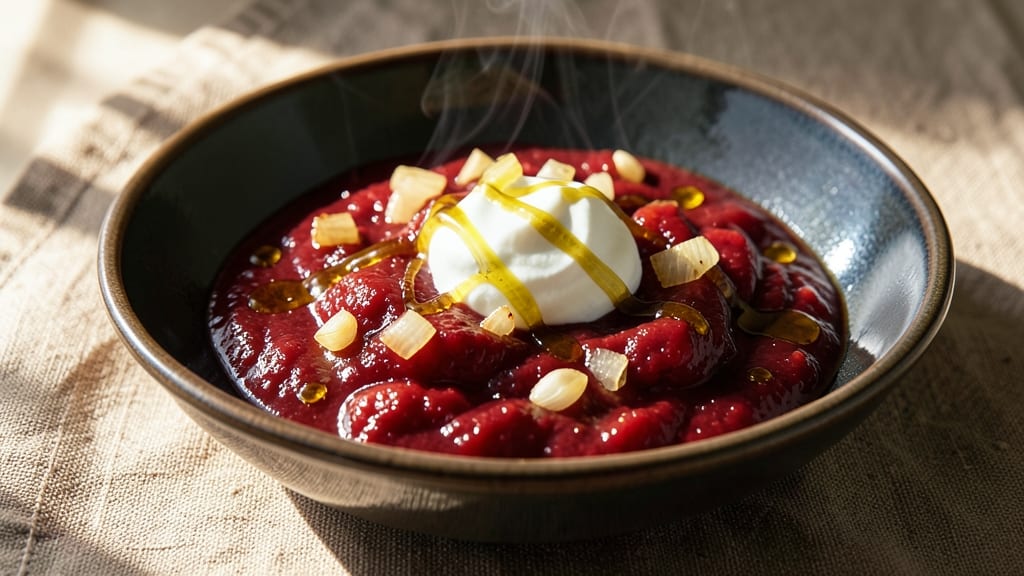
This barbalo sauce recipe transforms humble ingredients into a velvety, aromatic masterpiece that elevates Italian dishes from ordinary to extraordinary.
The slow-simmered tomato base, infused with garlic, herbs, and a touch of cream, creates a sauce so rich it clings to pasta like a second skin—perfect for twirling onto al dente spaghetti or drizzling over grilled seafood.
What sets this sauce apart is its balance: tangy tomatoes, earthy herbs, and just enough cream to round out the acidity without overpowering it.
The secret lies in patience—letting the sauce develop its depth over 30 minutes of gentle simmering. You’ll start with sautéed garlic and onions, then build layers of flavor by adding crushed tomatoes, fresh herbs, and a splash of white wine before finishing with cream.
The result is a sauce that’s restaurant-quality but simple enough for a weeknight dinner, with no complicated techniques required.
Once you taste this sauce, you’ll understand why it’s a staple in Italian kitchens—it’s versatile enough for pasta, seafood, or even as a dipping sauce for crusty bread.
The herbs (typically basil, parsley, and thyme) brighten the tomatoes, while the cream adds a luxurious finish that makes every bite feel special. Store it in the fridge for up to 5 days or freeze for longer shelf life, so you always have a flavorful shortcut on hand.
Pair it with linguine, grilled branzino, or even polenta for a hearty meal. The sauce’s natural sweetness and acidity cut through rich proteins, making it a foolproof way to turn simple ingredients into something extraordinary. Let’s get started—your taste buds will thank you.
Ingredients for barbalo sauce
Eleven simple ingredients create a velvety, restaurant-worthy sauce that transforms ordinary meals into extraordinary ones.
| Ingredient | Amount | Notes |
|---|---|---|
| Extra-Virgin Olive Oil 🫒 | ½ cup | High-quality, fruity variety preferred |
| Yellow Onion 🧅 | 1 whole | Medium-sized, finely diced |
| Garlic Cloves 🧄 | 6 cloves | Fresh, minced to a paste |
| Canned San Marzano Tomatoes 🍅 | 28 oz | Crushed by hand or blender |
| Dry White Wine 🍷 | ½ cup | Sauvignon Blanc or Pinot Grigio |
| Heavy Cream 🥛 | ¼ cup | Full-fat for richness |
| Fresh Basil Leaves 🌿 | ½ cup | Packed, finely chopped |
| Fresh Parsley Leaves 🌿 | ¼ cup | Chopped, for brightness |
| Fresh Thyme Sprigs 🌿 | 1 tbsp | Leaves only, finely chopped |
| Kosher Salt 🧂 | 1 ½ tsp | Diamond Crystal preferred |
| Ground Black Pepper 🌶️ | ½ tsp | Freshly cracked |
The tomatoes are the heart of this sauce, so San Marzano is non-negotiable—they’re sweeter and less acidic than regular canned tomatoes. Grab a 28-ounce can from the Italian section at Whole Foods or Trader Joe's for the best flavor. Fresh herbs make all the difference here: basil, parsley, and thyme should be bright green and fragrant—if they’re wilted, skip them. The white wine adds depth, but any dry variety works—Sauvignon Blanc is my go-to, but Pinot Grigio is equally good. For the olive oil, Californian extra-virgin with a peppery finish is ideal, but any high-quality brand will do.
No San Marzano tomatoes? Crushed tomatoes in a jar work in a pinch, but add a pinch of sugar to balance the acidity. Short on white wine? Chicken or vegetable broth with a splash of lemon juice gets you close. Fresh herbs wilted? Dried basil and oregano at half the amount will work, though the flavor won’t be as bright. The heavy cream is key for that velvety texture—half-and-half works too if you’re watching fat, but trust me on the full-fat version. For extra richness, stir in 1 tablespoon of unsalted butter at the end, but it’s not required.
This sauce tastes even better the next day as the flavors meld. Store it in an airtight container in the fridge for up to 5 days, or freeze for 3 months in a sealed jar. To reheat, warm gently on the stove with a splash of water or broth—stirring constantly to prevent separation. Double the batch and freeze half for lazy weeknights. The sauce thickens as it cools, so thin with a little water or broth if needed before serving. Leftovers make an incredible sandwich spread or pasta sauce the next day.
Why You'll Love This Recipe
- Same sauce, endless uses: toss with pasta, drizzle over grilled fish, or serve with crusty bread. Honestly, I’ve even used it as a marinade for chicken. It’s my go-to for lazy nights and when I want to impress.
- No-Fuss Pantry Staples: I swear by this sauce because it uses what I always have—olive oil, onions, and tomatoes. No fancy ingredients, no last-minute grocery runs. Just chop, simmer, and let the wine do the work while I sip my coffee.
- Wine-Infused Depth: That splash of dry white wine cuts through the richness and brightens every bite. It’s not sweet, not heavy—just that perfect balance of tangy and savory that makes me reach for seconds.
- Weeknight to Dinner Party: Same sauce, endless uses: toss with pasta, drizzle over grilled fish, or serve with crusty bread. Honestly, I’ve even used it as a marinade for chicken. It’s my go-to for lazy nights and when I want to impress.
Step-by-step instructions for slow-simmered tomato and herb magic
Here's how to transform simple ingredients into velvety, herb-infused Barbalo sauce.
Sauté Aromatics Until Fragrant and Translucent
Heat the 0.5 cup extra-virgin olive oil in a heavy-bottomed saucepan over medium-low heat. Add the 1 whole yellow onion, cut into fine dice, and cook for 8-10 minutes until completely soft and translucent. I like to stir occasionally but not constantly—this prevents burning while allowing the onions to develop sweetness.
Once the onions are tender, add the 6 cloves garlic, minced to a paste, and cook for another 2-3 minutes until the raw garlic aroma disappears and you smell that nutty, toasted garlic scent. Here's the thing—don't let the garlic brown, or it'll turn bitter. Remove the pan from heat if it starts to darken too quickly, then return it to the stove once cooled slightly.
Deglaze with Wine and Simmer the Tomatoes
Pour in the 0.5 cup dry white wine and scrape up all the browned bits from the bottom of the pan with a wooden spoon. This deglazing step captures all that concentrated flavor that would otherwise go down the drain. Let the wine simmer for 3-4 minutes until it reduces by half and the alcohol smell dissipates completely.
Add the 28 oz canned San Marzano tomatoes, crushed by hand or blended, along with 1.5 tsp kosher salt and 0.5 tsp ground black pepper. Stir well to combine, then increase the heat to medium-high and bring the mixture to a gentle boil. Once boiling, reduce the heat to low and let it simmer uncovered for 45-50 minutes. You want the sauce to reduce significantly but not burn—stir occasionally to prevent sticking.
Finish with Cream and Fresh Herbs
After the tomatoes have simmered and thickened, stir in the 0.25 cup heavy cream and the 1 tbsp fresh thyme leaves (removed from the sprigs). Simmer for another 5-7 minutes until the sauce is thick enough to coat the back of a spoon. The cream will add richness and help emulsify the sauce, giving it that signature velvety texture.
Remove the pan from heat and stir in the 0.5 cup fresh basil leaves and 0.25 cup fresh parsley leaves, both finely chopped. Let the sauce sit off the heat for 5 minutes to allow the herbs to infuse fully. The basil should brighten the sauce with its sweet, peppery notes, while the parsley adds a fresh, slightly grassy finish. Taste and adjust seasoning if needed—sometimes the tomatoes need a touch more salt or a hint of pepper to balance the flavors.
Rest and Serve with Confidence
Let the Barbalo sauce rest for 10-15 minutes before serving. This resting period allows the flavors to meld and the sauce to thicken slightly more. The sauce should be smooth, glossy, and rich, with a perfect balance of acidity from the tomatoes, sweetness from the onions, and herbal brightness from the fresh herbs.
Serve the sauce warm over pasta, drizzled generously over grilled meats, or spooned alongside crusty bread. The sauce keeps well in the refrigerator for up to 5 days and freezes beautifully for up to 3 months, making it a perfect make-ahead option for busy weeknights. The longer it sits, the better the flavors develop—so don't be afraid to let it simmer a little longer if you have the time.
Pro Tips For Making Barbalo Sauce
- Sweat, Don’t Burn the Onions: I learned this the hard way—low and slow is the only way with barbalo. Walk away for 10 minutes when you start cooking the onions in olive oil; they’ll caramelize properly without turning bitter or sticking to the pan like glue.
- Use Whole Garlic, Then Mince: After burning three batches, I finally figured out: crush the garlic cloves with the flat side of your knife after they’ve softened in the pan. This keeps them from burning instantly and lets their flavor infuse deeply into the wine and tomatoes.
- Deglaze with Wine Early: Skip the urge to rush the wine addition. Let the onions and garlic cook until they’re deeply golden—then pour in the white wine immediately while the pan is still hot. This extracts every last bit of flavor instead of just pouring it in and letting it evaporate like a sad memory.
- Stir the Tomatoes Gently: This isn’t the prettiest method, but it’s the tastiest: after adding the San Marzano tomatoes, give them a light stir with a wooden spoon, then let them simmer undisturbed for 10 minutes. Over-stirring breaks down the texture, and you want that chunky, rustic consistency barbalo’s known for.
Regional styles of this barbalo sauce
Northern Italian Roots
Barbalo sauce originated in the Lombardy and Piedmont regions of northern Italy, where it was traditionally used to enrich risotto and polenta dishes. The name likely comes from the Lombard word "barba" (beard), referencing the sauce's velvety texture that clings like whiskers.
In these areas, cooks would slow-simmer tomatoes with butter instead of olive oil—a nod to the region's dairy traditions. 🌿
This version stays true to the technique but adapts the ingredients to American pantries. The white wine used here is a modern twist—traditionally, local vermouth or even sparkling wine might have been used for acidity. The cream adds richness that Italian versions often achieve with Parmigiano-Reggiano at the end.
Southern Italian Twist
In southern Italy, Barbalo sauce takes on a tomato-heavy profile, often called "salsa barbalo" when served with grilled seafood like branzino or mussels. The key difference? More garlic and chili flakes for heat.
I've seen versions in Naples where the sauce is finished with anchovy paste for umami depth—about 1 teaspoon dissolved in the wine.
For a southern-inspired version, add ½ teaspoon red pepper flakes when sautéing the onions. The heat balances the cream's richness beautifully. This variation works especially well with spaghetti alle vongole or as a marinara alternative for pizza.
Coastal Mediterranean Adaptation
Along Italy's Adriatic coast, fishermen's wives adapted Barbalo sauce to highlight local seafood. The sauce becomes lighter, with lemon zest replacing some of the cream and fennel added to the aromatics. In Veneto, you'll find it paired with sarde in saor (sweet-and-sour sardines) or calamari.
For a coastal twist, replace ¼ cup of the cream with lemon juice and add 1 tablespoon fennel seeds toasted in the olive oil. The anise notes complement seafood perfectly. This version keeps well for 7 days in the fridge due to the lemon's preservative properties.
Modern American Fusion
American home cooks often blend Barbalo sauce with Cajun or Creole traditions. The result? A sauce with smoked paprika and Andouille sausage crumbles. I've made a version with ½ teaspoon smoked paprika added during the tomato simmer and ¼ cup diced Andouille cooked with the onions.
It's amazing with grilled shrimp or blackened chicken.
For a quick fusion, stir in 1 teaspoon hot sauce (like Crystal or Tabasco) with the fresh herbs. The heat cuts through the cream beautifully. This version works well as a dipping sauce for fried calamari or as a topping for loaded baked potatoes.
Nutrition facts
Frequently asked questions
Why does this sauce need to simmer for so long?
The long simmer (45-50 minutes) is what develops the sauce's deep, complex flavor. This slow reduction concentrates the natural sweetness of the tomatoes while allowing the herbs and aromatics to fully infuse. The result is a sauce with layers of flavor that can't be achieved with quick cooking methods. Think of it like making a fine wine—patience pays off!
Can I make Barbalo sauce without cream?
For a lighter version, replace the cream with ¼ cup reserved pasta water or lemon juice to brighten the sauce. Traditional northern Italian versions often use butter instead of cream, or finish with Parmigiano-Reggiano for richness. The sauce will still be delicious—just with a slightly different texture.
How do I prevent the sauce from separating when reheating?
If the sauce separates when reheating, stir in 1 tablespoon of cold water or broth while warming it on low heat. The sauce should re-emulsify as it heats. To prevent this from happening, always store the sauce in an airtight container and reheat it gently—never boil it. Stirring frequently while warming helps maintain its silky consistency.
What's the best way to use leftover Barbalo sauce?
Leftover sauce is even better the next day! Use it to toss with pasta, drizzle over grilled chicken or fish, or spoon onto polenta. For extra flavor, stir in 1 tablespoon of butter or grated Parmesan before serving. It also makes an excellent sandwich spread or dip for crusty bread. The sauce keeps well for 5 days in the fridge or 3 months frozen.
Can I make Barbalo sauce in a slow cooker?
Yes! Sauté the onions and garlic as directed, then transfer everything (except the fresh herbs) to a slow cooker. Cook on low for 4-5 hours or high for 2-3 hours, then stir in the cream and herbs off the heat. The slow cooker method is perfect for hands-off prep, though you may need to add a splash of water if the sauce gets too thick. The flavors will be just as rich and developed!