
Sauces & Condiments
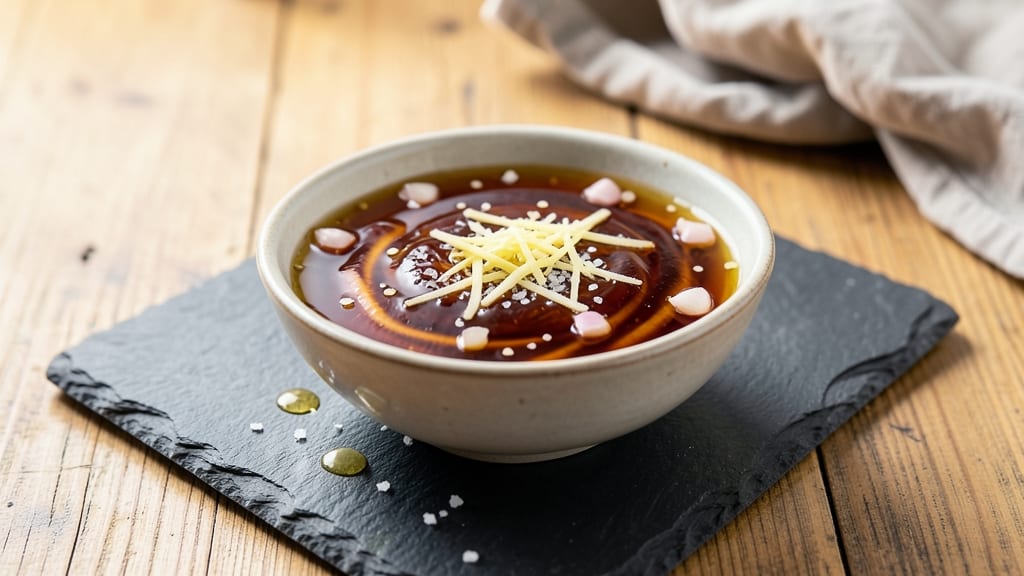
This banzai sauce recipe delivers the bold, umami-packed punch that elevates stir-fries, grilled meats, and noodles to restaurant-quality levels. What makes it special is its perfect balance of sweet, salty, and tangy flavors—achieved through a simple blend of soy sauce, vinegar, and sugar with optional aromatics like garlic and ginger.
The sauce is designed to be versatile, working as both a marinade and finishing sauce, while its rich depth comes from a quick reduction that intensifies the flavors.
The beauty of this recipe lies in its simplicity: just 5 core ingredients and 10 minutes of active time transform pantry staples into a sauce that adds complexity to any dish.
Unlike store-bought versions, this homemade version lets you control the sweetness, saltiness, and acidity to match your exact taste preferences. The optional additions like sesame oil or chili flakes allow for customization, making it adaptable to everything from delicate seafood to hearty beef stir-fries.
What you’ll end up with is a glossy, aromatic sauce that clings beautifully to proteins and vegetables, infusing them with layers of savory depth. The reduction process creates a thicker consistency perfect for tossing or drizzling, while the balanced flavor profile ensures it never overpowers the main dish.
This sauce keeps well in the refrigerator for up to a week, making it an ideal pantry staple for quick weeknight cooking.
Whether you're preparing a weeknight dinner or hosting a dinner party, this banzai sauce transforms simple ingredients into something extraordinary. It’s the secret weapon that turns ordinary meals into memorable ones—without requiring advanced techniques or expensive ingredients.
Ingredients for banzai sauce
Five core ingredients elevate this Japanese-inspired sauce to restaurant-quality umami perfection.
| Ingredient | Amount | Notes |
|---|---|---|
| Kosher Soy Sauce 🍶 | ½ cup | Light or dark variety preferred |
| Rice Vinegar 🍶 | ¼ cup | Seasoned or plain, unseasoned |
| Granulated Sugar 🍚 | ¼ cup | White or brown sugar works |
| Fresh Garlic Cloves 🧄 | 4 cloves | Minced for aromatic depth |
| Fresh Ginger Root 🌿 | 1 tbsp | Finely grated or minced |
| Sesame Oil 🫒 | 1 tbsp | Toasted for nutty aroma |
| Red Chili Flakes 🌶️ | ½ tsp | Adjust for heat preference |
| Diamond Crystal Kosher Salt 🧂 | ½ tsp | For balanced seasoning |
| Toasted Sesame Seeds 🌱 | 1 tsp | For garnish and texture |
The foundation lies in the soy sauce—opt for Kikkoman or La Choy for reliable depth, but any quality brand works. Rice vinegar should be mild and clear, not aged or cloudy, for proper acidity balance. Fresh garlic and ginger are non-negotiable; their aromatic oils develop during reduction. Whole Foods or Asian markets carry premium ginger with vibrant color—avoid dried or shriveled roots. For sesame oil, Kadoya or Hana deliver authentic toasted flavor, though any toasted sesame oil suffices.
No sesame oil? Neutral oil like vegetable or canola at half the amount mimics the fat content, though flavor differs. Substitute mirin for rice vinegar (equal parts) if unavailable, but reduce sugar by half. For heat, gochujang (1 tsp) replaces chili flakes entirely. The sugar can be swapped for honey (same amount) or maple syrup (reduce by 10%). When mincing garlic, peel first—unpeeled cloves burn easily. Ginger should be finely grated (not minced) for smooth texture.
Store in a glass jar with a tight seal in the fridge for up to 1 week. The sauce thickens as it cools—stir before using. For longer storage, freeze in ice cube trays for 1-month portions. Garnish with toasted sesame seeds just before serving to preserve crunch. Doubling the batch? Use within 3 days to prevent vinegar overpowering. This sauce enhances everything from grilled fish to stir-fried noodles—just drizzle generously.
Why You'll Love This Recipe
- I use it on everything: grilled chicken, cold noodles, even scrambled eggs. (Yes, even on a Tuesday night.) It’s my secret weapon for turning simple meals into something special without extra effort.
- Five-Ingredient Magic: I swear by this—just soy sauce, vinegar, sugar, garlic, and ginger. That’s it. No fancy gadgets, no last-minute grocery runs. Honestly, I keep everything stocked just for this.
- Umami Bomb: The garlic and ginger sizzle in the pan until they’re fragrant but not burnt, then the vinegar brightens it all up. That balance—salty, sweet, tangy—hits different. Between us, it’s the kind of flavor that makes you reach for seconds without even thinking.
- Dip, Drizzle, Repeat: I use it on everything: grilled chicken, cold noodles, even scrambled eggs. (Yes, even on a Tuesday night.) It’s my secret weapon for turning simple meals into something special without extra effort.
Step-by-step instructions for Japanese-inspired umami sauce
Master this vibrant sauce that delivers perfect balance between sweet, tangy, and umami notes.
Combine Base Ingredients in a Saucepan
In a medium saucepan over medium heat, add the 0.5 cup Kosher Soy Sauce, 0.25 cup Rice Vinegar, and 0.25 cup Granulated Sugar. Stir continuously for 3-4 minutes until the sugar fully dissolves and the mixture begins to simmer gently. The sugar should melt completely without any graininess remaining.
This initial combination creates the foundational balance of flavors. I always use medium heat to prevent the vinegar from evaporating too quickly while ensuring the sugar integrates smoothly. Watch for small bubbles forming along the edges—this indicates the mixture is reaching the proper temperature for the next steps.
Add Aromatics and Simmer
Reduce the heat to low and add the 4 cloves Fresh Garlic Cloves (minced) and 1 tbsp Fresh Ginger Root (finely grated). Stir for 2 minutes until the garlic becomes fragrant and the ginger releases its warm, citrusy aroma. The mixture should smell complex—garlicky, vinegary, and slightly sweet.
Here's where the sauce develops its depth. The ginger and garlic infuse their flavors into the liquid, creating that signature umami profile. Don't rush this step—proper infusion takes time. You'll know it's ready when the raw garlic smell transforms into a mellow, aromatic quality. If you notice any burning at the edges, reduce the heat slightly to maintain even cooking.
Incorporate Seasonings and Oil
Add the 1 tbsp Sesame Oil, 0.5 tsp Red Chili Flakes, and 0.5 tsp Diamond Crystal Kosher Salt. Stir well to combine, then increase the heat to medium-low and let the sauce simmer uncovered for 8-10 minutes. The sauce should reduce slightly, becoming thicker and more concentrated in flavor.
This is the moment when all the components come together. The sesame oil adds nutty depth, the chili flakes introduce subtle heat, and the salt balances the sweetness. The sauce should coat the back of a spoon with a glossy sheen when you lift it. If it reduces too quickly, cover the pan loosely with a lid to control the evaporation rate while still allowing some moisture to escape.
Finish and Rest
Remove the saucepan from heat and let the sauce rest for 5 minutes. This resting period allows the flavors to meld completely and the sauce to reach its ideal consistency. Taste and adjust the seasoning if needed—add a pinch more salt if it tastes flat, or a bit more sugar if the acidity overpowers.
The resting step is crucial for achieving the perfect texture. During this time, the sauce continues to thicken slightly, and the flavors become harmonized. I like to give it this brief rest before using it in stir-fries or as a dipping sauce, as it ensures the sauce clings beautifully to whatever it's coating. The final product should be glossy, balanced, and ready to elevate any dish.
Pro Tips For Making Banzai Sauce
- Mince Ginger Fine: I learned this the hard way—using a peeler for ginger leaves behind uneven chunks that don’t dissolve. Grab a sharp knife and finely mince the root (about 1/4-inch pieces) before adding it to the sauce. This ensures a smooth texture, not a surprise bite of chewy ginger.
- Simmer Low and Slow: After burning three batches of sauce, I finally figured out that medium-low heat is your friend here. A gentle simmer (just small bubbles) prevents the sugar from caramelizing into a bitter mess. Keep it moving with a spoon—no scorched bottoms.
- Toast Garlic First: Sounds weird, but it works: Sauté the garlic in a dry pan for 30 seconds until fragrant before adding it to the sauce. This deepens the flavor and stops it from turning bitter later. (Yes, even if you’re impatient like me.)
- Balance the Vinegar: My grandmother swore by this, and she was right: Taste the sauce before adding all the rice vinegar. Start with half the amount, let it sit for 5 minutes, then adjust. Too much vinegar kills the umami—you want brightness, not pucker.
Perfect pairings for this banzai sauce
Stir-Fry Sauce Star
This banzai sauce transforms simple stir-fries into restaurant-quality meals. Use it as a marinade for chicken thighs or shrimp—toss them in the sauce for 30 minutes before cooking. For vegetables, add 1-2 tablespoons to the wok during the last 2 minutes of stir-frying to prevent overcooking.
The sauce clings beautifully to bell peppers, bok choy, and snap peas, infusing them with umami depth. 🌶️
Dipping Sauce Perfection
Serve warm or at room temperature as a dipping sauce for grilled skewers, spring rolls, or edamame. I like to drizzle it over steamed dumplings with a sprinkle of toasted sesame seeds for extra texture.
For extra richness, add 1 teaspoon of honey to the sauce before serving. The balance of sweet, salty, and tangy flavors makes it irresistible for dipping. 🍜
Grilled Meat Glaze
Brush this sauce onto grilled salmon or pork chops during the last 5-7 minutes of cooking for a caramelized glaze. The reduction process creates a sticky, flavorful crust that locks in moisture.
Pair it with steamed jasmine rice and quick-pickled cucumbers for a complete meal. For extra heat, add ½ teaspoon of sriracha to the sauce before brushing. 🔥
Noodle Elevator
Toss 2 tablespoons of banzai sauce with ½ cup of cooked ramen noodles for an instant upgrade. The sauce's umami richness balances the noodles' saltiness perfectly. For extra flair, top with soft-boiled eggs, scallions, and crispy fried shallots.
This sauce also works wonders in udon or soba noodle soups—add 1-2 tablespoons per bowl for a burst of flavor. 🍜
Rice Bowl Enhancer
Use this sauce as a base for bento boxes or rice bowls. Drizzle 1-2 tablespoons over steamed rice and top with teriyaki beef, avocado slices, and pickled ginger.
The sauce's balanced flavors tie all the components together beautifully. For a vegetarian option, pair it with miso-glazed tofu and steamed vegetables. 🥢
Breakfast Game-Changer
Add a splash of banzai sauce to your scrambled eggs or ramen-style fried rice for a savory kick. Stir 1 teaspoon into the eggs during the last 30 seconds of cooking for a quick flavor boost.
It also works as a dipping sauce for egg rolls or gyoza—just warm it slightly before serving. The sauce's versatility makes it a must-have for breakfast lovers. 🍳
Nutrition facts
Frequently asked questions
What's the difference between banzai sauce and teriyaki sauce?
Banzai sauce is lighter and more balanced, with a perfect blend of sweet, tangy, and umami flavors from rice vinegar and soy sauce. Teriyaki sauce is richer and thicker, often containing mirin and sometimes honey or corn syrup. While teriyaki is ideal for glazing meats, banzai sauce works better as a dipping sauce or stir-fry marinade without overpowering delicate ingredients.
Can I make banzai sauce without sesame oil?
Yes! Replace sesame oil with 1 teaspoon of neutral oil (like vegetable or canola) for a similar fat content. For authentic flavor, try adding ½ teaspoon of toasted sesame paste instead. The sauce will still taste delicious, though the nutty aroma will differ slightly.
How long does homemade banzai sauce last?
Store it in an airtight container in the fridge for up to 1 week. For longer storage, freeze in ice cube trays for 1-month portions
What's the best way to adjust the sweetness?
Start with the given 0.25 cup sugar, but taste as you go. For less sweetness, reduce by 1 tablespoon increments. If it's too sweet later, add 1 teaspoon of rice vinegar to balance. The sauce's acidity helps cut sweetness naturally—don't be afraid to taste and adjust!
Can I use this sauce on raw fish like sushi?
No, this sauce isn't safe for raw fish due to its soy sauce base. The high sodium and potential for bacterial growth make it unsuitable for sushi or sashimi. Instead, use it as a marinade for cooked seafood like shrimp or grilled salmon. For raw applications, opt for a dedicated sushi sauce with vinegar and sugar only.