
Sauces & Condiments
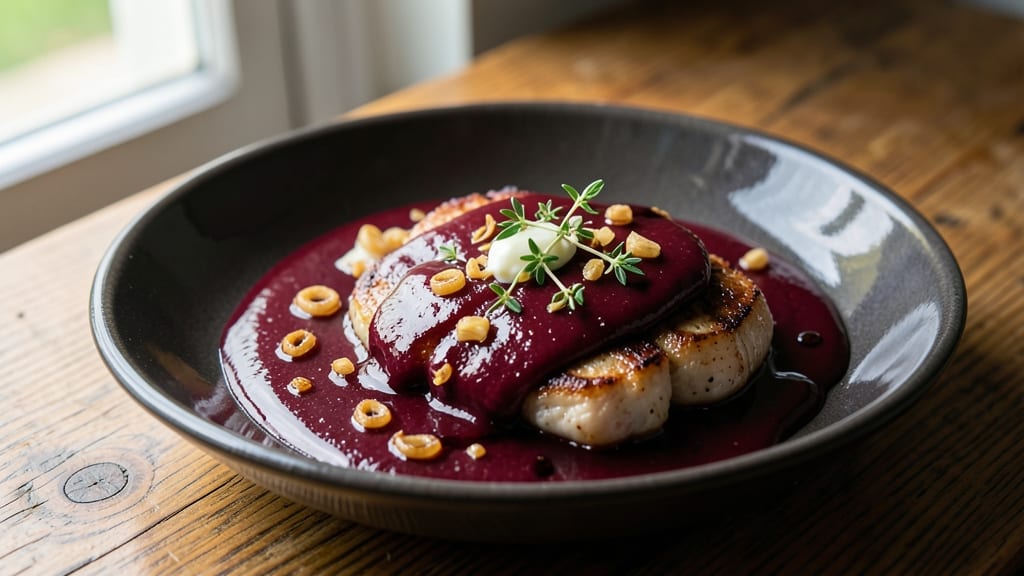
This Banyuls sauce recipe transforms simple ingredients into a luxurious, deep red wine reduction that elevates any dish. The key lies in reducing Banyuls wine—a fortified French red—with shallots, garlic, and thyme until it achieves a velvety, glossy consistency.
What sets this sauce apart is its ability to balance richness with acidity, making it perfect for seared meats, roasted vegetables, or even as a glaze for fish.
The process is straightforward yet precise: first, you’ll build flavor by cooking aromatics until fragrant, then deglaze with wine to capture every bit of caramelized goodness. As the sauce reduces, it intensifies in depth, developing layers of complexity that store-bought versions simply can’t match.
The final touch—a splash of cream or butter—adds a silky finish that makes this sauce irresistibly smooth.
What you’ll end up with is a versatile sauce that works as beautifully on a medium-rare steak as it does drizzled over roasted mushrooms or paired with creamy mashed potatoes. The wine’s natural sweetness and acidity cut through richness, while the thyme and shallots add earthy warmth.
This isn’t just a sauce—it’s a flavor multiplier that turns ordinary dishes into something extraordinary.
Ready in just 30 minutes, this recipe delivers restaurant-quality results without requiring advanced techniques. The secret? Patience during reduction and attention to balance. Once mastered, you’ll reach for this sauce time and again—it’s that good. Let’s get started.
Ingredients for banyuls sauce
Nine ingredients transform simple pantry staples into a velvety wine reduction with restaurant-quality depth.
| Ingredient | Amount | Notes |
|---|---|---|
| Banyuls Wine 🍷 | 2 cups | Fortified French red wine, not subbed |
| Shallots 🧅 | ½ cup | Finely minced, 4-5 medium shallots |
| Garlic Cloves 🧄 | 4 cloves | Minced, not pressed for texture |
| Fresh Thyme 🌿 | ¼ cup | Leaves only, stems removed |
| Heavy Cream 🥛 | ¼ cup | Full-fat for silky finish |
| Unsalted Butter 🧈 | 2 tbsp | Cold, cut into small cubes |
| Diamond Crystal Kosher Salt 🧂 | ½ tsp | Adjust to taste, not pre-salted |
| Black Peppercorns 🌶️ | ¼ tsp | Freshly cracked, not ground |
| Shallot Vinegar 🍋 | 1 tbsp | For acidity balance, optional |
Banyuls wine is the heart of this sauce, so prioritize quality over quantity. Look for fortified reds at specialty liquor stores or well-stocked supermarkets like Whole Foods or BevMo, where you'll find authentic French bottles. The shallots and garlic should be fresh, firm, and vibrant—avoid any with sprouting or soft spots. For thyme, fresh is non-negotiable; dried lacks the aromatic complexity. If you're using dried, reduce to one-third the amount, but the flavor won't match. The heavy cream and butter should be cold when added to prevent curdling during reduction.
No Banyuls? Port wine or a dry red blend works in a pinch, though the sauce will lack the signature sweet-tart balance. Substitute fresh thyme with one-third dried thyme, but toast it first in a dry pan for 30 seconds to deepen the flavor. For acidity, lemon juice or white wine vinegar can replace shallot vinegar, though the flavor profile shifts slightly. If you're avoiding dairy, coconut cream adds richness, though the texture will be lighter. Always taste as you reduce—adjust salt and pepper gradually to avoid over-seasoning.
This sauce develops flavor over time, so make a double batch if you plan to use it throughout the week. Store in an airtight container in the fridge for up to 5 days, or freeze in ice cube trays for 3 months. Reheat gently on low heat, stirring occasionally, until just warmed through. The sauce thickens as it cools, so thin with a splash of wine or broth if needed. For restaurant-style presentation, strain through a fine-mesh sieve before serving to achieve that signature glossy finish.
Why You'll Love This Recipe
- Five-Ingredient Magic: The pantry already has most of what you need—no specialty shopping required. I swear by this combo: just fine wine, shallots, garlic, thyme, and cream. That’s it. No stress, no fuss.
- Rich Without Effort: The Banyuls wine adds this deep, velvety sweetness that cuts through the richness of the cream. Honestly, the first time I tasted it, I thought, "Why didn’t I do this sooner?"—it’s that good.
- Weeknight to Dinner Party: Slather it on grilled fish, drizzle it over steak, or toss it with roasted veggies. Between us, I’ve used it for all three in the same week. It’s the kind of sauce that makes you look like a pro with zero extra work.
- Leftovers That Don’t Let You Down: This sauce actually improves after sitting overnight—more layers of flavor, smoother texture. I’ll be real: I’ve reheated mine three times and still craved it. (Yes, even on a Tuesday night.)
Step-by-step instructions for Banyuls wine reduction
This technique transforms bold Banyuls wine into a velvety sauce perfect for rich dishes.
Sauté Shallots and Garlic Until Translucent
Melt the 2 tablespoons unsalted butter in a medium saucepan over medium-low heat. Add the 0.5 cup finely minced shallots and cook for 5-6 minutes, stirring frequently, until completely softened and just beginning to turn golden. The shallots should lose their raw edge and become translucent at the edges.
Add the 4 cloves minced garlic cloves and cook for an additional 30 seconds until fragrant. Be careful not to let the garlic brown—this can create bitterness. Remove the pan from heat temporarily to prevent burning while you prepare the thyme.
Deglaze with Banyuls Wine and Reduce
Return the pan to medium heat and carefully pour in the 2 cups Banyuls wine, scraping up any browned bits from the bottom with a wooden spoon. This deglazing step captures all the flavor compounds that would otherwise burn. Let the wine simmer uncovered for 8-10 minutes, stirring occasionally, until reduced by half.
You'll notice the sauce darken and thicken as the alcohol content evaporates. The aroma should deepen with notes of dried fruit and spice characteristic of Banyuls. If the reduction isn't progressing quickly enough, increase heat slightly to maintain a gentle simmer.
Add Thyme and Vinegar for Depth
Stir in the 0.25 cup fresh thyme leaves and 1 tablespoon shallot vinegar, then return the heat to medium-low. Simmer for another 5-7 minutes until the sauce has reduced by another third and coats the back of a spoon. The thyme will infuse its earthy aroma while the vinegar adds subtle acidity to balance the richness.
Taste the sauce at this point—it should be concentrated with wine flavor but still have some acidity. If it needs more balance, you can add a pinch of diamond crystal kosher salt now, though we'll adjust seasoning more precisely in the next step.
Finish with Cream and Season
Reduce heat to low and gently whisk in the 0.25 cup heavy cream. Let the sauce simmer for 2-3 minutes until it reaches your desired consistency—it should coat the back of a spoon but still be pourable. The cream will create a silky texture while maintaining the wine's depth.
Season to taste with the remaining 0.5 teaspoon diamond crystal kosher salt and 0.25 teaspoon freshly cracked black peppercorns. Remember that the cream will dilute the existing seasoning, so don't be shy with the salt at this stage. The sauce should be rich but still balanced, with the wine's complexity shining through.
Strain and Serve Immediately
For a completely smooth sauce, strain through a fine-mesh sieve into a clean saucepan. This removes any thyme stems that might have slipped through and gives you a velvety texture. Return to low heat if needed to maintain serving temperature.
This Banyuls reduction works beautifully over roasted meats, seared scallops, or even as a dipping sauce for crusty bread. The sauce will continue to thicken slightly as it cools, so adjust the reduction time slightly if you prefer a looser consistency for dipping.
Pro Tips For Making Banyuls Sauce
- Sweat Shallots Low and Slow: I learned this the hard way—drowning shallots in wine right off the heat turns them mushy. Instead, soften them in a dry pan over medium-low for 8-10 minutes with a splash of water, stirring occasionally, until they’re translucent but not brown. That’s when they’ll actually caramelize properly in the wine later.
- Deglaze with Wine Heat: Pour that Banyuls in when the pan’s still hot from the shallots—don’t wait. The residual heat helps dissolve all those stuck-on bits, and the alcohol evaporates faster, giving you a richer, more concentrated base. (Yes, even if you’re impatient like me.)
- Strain the Thyme Stems: Whole thyme sprigs are great, but after simmering, those stems turn bitter. Snip the sprigs in half before adding, then strain them out before mixing in the cream. Trust me, your sauce won’t taste like a herbal tea gone wrong.
- Finish Cream Over Low Heat: Heavy cream scalds easily, and once it curdles, there’s no fixing it. Warm the cream separately to just below a simmer (160°F or when tiny bubbles form at the edges), then whisk it into the sauce off the heat. The sauce will thicken instantly—no waiting for it to seize.
Serving suggestions for this recipe
Meat Pairings
This deep, velvety sauce shines over medium-rare steak, especially cuts like ribeye or filet mignon. Drizzle 2-3 tablespoons of warm sauce over the finished steak, letting it pool in the natural crevices. The wine's richness complements the beef's natural fat, while the thyme adds an earthy contrast.
For lamb chops, the sauce's bold flavor stands up to the meat's gamey notes—try 4-6 ounces per pound of lamb. 🥩
Seafood Applications
Don’t overlook seafood! The sauce’s acidity brightens seared scallops or pan-seared salmon. For scallops, reduce the sauce slightly longer to achieve a thicker consistency, then spoon 1 tablespoon per scallop.
The wine’s sweetness balances the seafood’s natural brininess. For salmon, drizzle 2 tablespoons over the fillet before serving, or use it as a dipping sauce with lemon wedges. 🐟
Vegetable Enhancements
Roasted mushrooms and brussels sprouts become luxurious with this sauce. Toss 1 cup halved mushrooms or 12 trimmed brussels sprouts with olive oil, roast until caramelized, then drizzle with 1-2 tablespoons of sauce.
The sauce’s depth elevates simple vegetables to restaurant-worthy status. For extra richness, sprinkle with crumbled blue cheese or toasted walnuts. 🍄
Bread and Cheese
Turn this sauce into a dipping sauce for crusty baguette or sourdough. Warm the sauce slightly and serve in a small bowl with warm bread for a French bistro vibe.
For cheese lovers, drizzle over grilled cheese sandwiches or mac and cheese—the wine’s sweetness pairs beautifully with sharp cheddar or gruyère. A pinch of fresh thyme on top adds a finishing touch. 🥖
Pasta and Grain Bowls
Use this sauce as a finishing drizzle for pasta dishes like fettuccine or risotto. Toss 1 cup cooked pasta with a splash of the sauce, then top with crispy pancetta or sautéed spinach.
For grain bowls, mix 1 cup cooked quinoa with roasted vegetables, then drizzle with 1-2 tablespoons of sauce. The wine’s depth ties all the flavors together beautifully. 🍝
Presentation Tips
For a restaurant-worthy finish, strain the sauce through a fine-mesh sieve to remove any thyme stems, then drizzle in a zigzag pattern over dishes. Garnish with a sprig of fresh thyme or a pinch of flaky sea salt for visual appeal.
Serve the sauce in a small ceramic dish for dipping, or pour it directly onto plates for a dramatic presentation. The glossy texture makes it perfect for plating. ✨
Nutrition facts
Frequently asked questions
What makes Banyuls sauce different from other wine reductions?
Banyuls sauce stands out because it uses Banyuls wine, a fortified French red with natural sweetness and depth. Unlike dry red wine reductions, this sauce balances richness with subtle sweetness and acidity from the wine's unique profile. The addition of shallot vinegar and fresh thyme creates a complex flavor that's more nuanced than basic red wine sauces.
Can I substitute Banyuls wine with something else?
Yes! If you can't find Banyuls, use Port wine or a dry red blend like Cabernet Sauvignon. For a sweeter profile, try Moscato d'Asti. Just note that substitutes may alter the sauce's signature balance—reduce the wine longer if using a drier option to concentrate flavors. The key is maintaining that sweet-tart harmony.
How do I adjust the consistency of the sauce?
If your sauce is too thick, thin it with 1-2 tablespoons warm wine or stock. For a thicker texture, simmer uncovered for 2-3 extra minutes to reduce further. Remember, the sauce will thicken as it cools—adjust while warm. For a completely smooth finish, strain through a fine-mesh sieve after adding cream.
What's the best way to store leftover sauce?
Store in an airtight container in the fridge for up to 5 days. For longer storage, freeze in ice cube trays for 3 months. Thaw overnight in the fridge and reheat gently on low heat, stirring occasionally. The sauce may thicken when chilled—thin with a splash of wine if needed before serving.
Can I make this sauce dairy-free?
Replace the heavy cream with coconut cream or cashew cream for richness. For the butter, use vegetable shortening or olive oil when sautéing. The texture will be slightly lighter but still delicious. Taste as you go—you may need to reduce the sauce longer to compensate for the lack of dairy's natural thickening.