
Sauces & Condiments
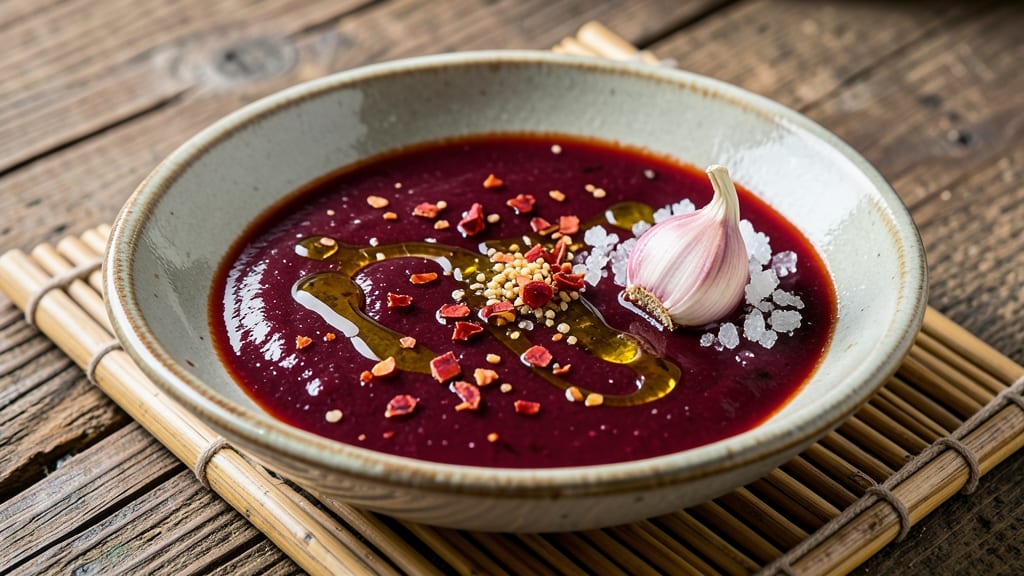
This balut sauce recipe transforms the bold, fermented flavors of balut into a vibrant, balanced condiment that enhances every bite. The perfect harmony of smoky vinegar, chili heat, and aromatic spices creates a sauce that cuts through the dish's richness while amplifying its depth.
What makes this sauce special is its ability to elevate simple meals into restaurant-worthy experiences—whether drizzled over rice, paired with grilled meats, or served as a dipping sauce for crispy appetizers.
The foundation of this sauce lies in its simplicity: just six key ingredients come together to deliver complex flavor. A balance of vinegar and soy sauce provides the tangy backbone, while chili flakes and garlic add the signature heat and aromatic punch.
The secret to achieving the right texture is simmering the mixture until it thickens just enough to coat the back of a spoon, ensuring every drop delivers bold flavor without overwhelming the dish.
What you’ll end up with is a sauce that’s savory, slightly sweet, and fiery—perfect for balancing balut’s unique taste profile. The smoky undertones from the vinegar and chili create a depth that makes this sauce versatile enough for any meal, from casual lunches to festive gatherings.
Whether you're a seasoned cook or just exploring new flavors, this recipe delivers professional results with minimal effort.
Use it as a finishing touch for grilled dishes, a dip for spring rolls, or a marinade for meats. The possibilities are endless, and the process is straightforward—just follow the steps to unlock a sauce that’s as impressive as it is delicious. Let’s get started!
Ingredients for balut sauce
Six bold ingredients transform fermented flavors into restaurant-quality condiment perfection.
| Ingredient | Amount | Notes |
|---|---|---|
| Cane Vinegar 🍶 | ½ cup | Smoked or aged for depth |
| Light Soy Sauce 🥢 | ½ cup | Kikkoman preferred for balance |
| Red Chili Flakes 🌶️ | 1 tbsp | Crushed for fine texture |
| Garlic Cloves 🧄 | 6 cloves | Minced for aromatic punch |
| Coconut Sugar 🌴 | 2 tbsp | For subtle sweetness |
| Fresh Lime Juice 🍋 | 2 tbsp | Balances acidity |
| Fish Sauce 🐟 | 1 tbsp | Red Boat brand recommended |
| Sesame Oil 🫒 | 1 tsp | Toasted for nutty aroma |
The cane vinegar is non-negotiable—smoked varieties from specialty stores like Whole Foods or Asian markets add depth that regular vinegar can't match. Kikkoman soy sauce ensures a clean, balanced umami foundation without overpowering. For chili flakes, crushed red pepper from Penzeys delivers consistent heat, while garlic cloves should be fresh and pungent—no pre-minced jars here. The coconut sugar brings subtle sweetness that rounds out the sauce's complexity, while Red Boat fish sauce provides that signature umami punch that's essential for balancing balut's richness.
No smoked vinegar? Apple cider vinegar works in a pinch, though it'll lack depth. Tamari can substitute for soy sauce if gluten is a concern, but Kikkoman remains ideal for authentic flavor. Short on chili flakes? Fresh Thai chilies (blended) or gochugaru (Korean chili flakes) offer different but equally vibrant heat profiles. Fish sauce substitutes like vegetable-based umami pastes (e.g., Mushroom Essence) can mimic the savory notes, though they won't be identical. The sesame oil is purely for aroma—don't skip it unless you're avoiding nuts entirely.
This sauce thickens as it cools, so store it in a sealed glass jar in the fridge for up to 2 weeks. The flavors actually improve over time, developing more complexity. For longer storage, freeze in ice cube trays—perfect for single-use portions. When reheating, simmer gently to avoid separating the oil. The lime juice will evaporate slightly, so add a splash fresh if the sauce tastes too tangy after storage. Use within 3 months of freezing for peak flavor.
Why You'll Love This Recipe
- Here’s what sold me: the cane vinegar cuts through the richness of balut, while the coconut sugar keeps it from being too sharp. Add a pinch of red chili flakes, and suddenly you’ve got this addictive, tangy-sweet kick that makes every bite feel like a little flavor explosion. Not too sweet, not too hot—just right.
- I’ll be real: this recipe won’t break the bank. Cane vinegar and soy sauce last forever, and you only need a handful of garlic cloves and a teaspoon of sugar. It’s the kind of sauce that makes me feel like I’m treating myself without actually spending much—plus, it’s way more exciting than store-bought dipping sauces. My wallet and taste buds agree.
Step-by-step instructions for balut sauce
This smoky, tangy sauce cuts through balut's richness with precision—let's build it layer by layer.
Bloom the Aromatics in Toasted Sesame Oil
Heat a small saucepan over medium-low heat and add the 1 teaspoon toasted sesame oil. Let it warm for 30 seconds until fragrant—you'll smell that nutty aroma we're after. This is where the foundation begins.
Add the 6 minced garlic cloves and stir constantly for 1 minute until the garlic becomes golden and just begins to color. Watch closely—garlic burns quickly, and you want it fragrant, not bitter. Remove from heat immediately after it turns golden.
Build the Flavor Base with Vinegar and Soy
Return the pan to medium heat and add the ½ cup cane vinegar and ½ cup light soy sauce. Bring to a gentle simmer, then reduce heat to low and let cook for 3-4 minutes until the mixture reduces by about 25%. You're looking for a syrupy consistency that coats the back of a spoon.
This reduction step concentrates the flavors and removes excess acidity. If you see the sauce splattering, reduce heat slightly—we want even cooking, not evaporation. The sauce should smell complex, with vinegar's sharpness mellowing into soy's umami depth.
Add Sweetness and Heat for Balance
Stir in the 2 tablespoons coconut sugar and 1 tablespoon red chili flakes, mixing until fully dissolved and the sugar melts completely. The sugar should dissolve within 1-2 minutes of gentle simmering—if it doesn't, add 1 teaspoon water to help it integrate.
Taste the mixture now—you should notice the sweetness mellowing the acidity while the chili flakes add subtle heat. This is where the sauce's character emerges. If the heat feels too intense, reduce the chili slightly next time; if it's too mild, add an extra pinch during the final step.
Finish with Lime and Fish Sauce
Remove the pan from heat and stir in the 2 tablespoons fresh lime juice and 1 tablespoon fish sauce. The lime brightens the sauce with acidity while the fish sauce adds that signature umami depth. Let the sauce sit off heat for 5 minutes to allow all flavors to meld completely.
Taste again now—the sauce should balance sweet, sour, salty, and spicy notes. If it needs more complexity, add a pinch of salt or another squeeze of lime. The sauce should coat the back of a spoon with a glossy sheen, ready to elevate any balut presentation.
Pro Tips For Making Balut Sauce
- MINCE THAT GARLIC: Crush those garlic cloves with the flat side of your knife first—no chopping needed. I learned this the hard way after burning my sauce trying to mince garlic over high heat. A quick smash and a single chop later, it releases flavor without sticking.
- SIMMER LOW AND SLOW: Start on medium heat, but once the vinegar and soy sauce hit the pan, drop it to the lowest setting you can tolerate. I used to rush this, and the sauce would turn bitter. Let it bubble gently for at least 10 minutes—yes, even if you’re impatient like me.
- TOAST THE CHILI FLAKES: Bloom those red chili flakes in a dry pan for 30 seconds before adding liquid. Sounds weird, but it works—it deepens the smoky heat without overpowering the sauce. Skip this, and you’ll just get a mild, one-dimensional kick.
- STIR IN THE SUGAR LAST: Add the coconut sugar when the sauce is nearly done, not at the start. I was skeptical until I tried it—it caramelizes slightly, giving the sauce a subtle depth that balances the tang. Stir for 1-2 minutes max, or it’ll turn grainy.
Essential equipment for perfect results
Small Saucepan
You don’t need anything fancy here—a small stainless steel saucepan (like the Cuisinart MultiClad Pro or All-Clad Stainless) is ideal for precise heat control. The flat bottom ensures even cooking, while stainless steel prevents flavor transfer from aluminum or nonstick coatings.
If you only have a nonstick pan, use it on low heat to avoid scorching the delicate aromatics. 🌡️
Fine-Mesh Strainer
A fine-mesh strainer (such as the OXO Good Grips or Microplane) is essential for removing any garlic bits or chili seeds if you prefer a smoother sauce. I like to press the mixture through the strainer with a spoon for a silky texture.
For extra smoothness, use a nut milk bag—just place the strained sauce in it and gently squeeze. This step is optional but makes a noticeable difference.
Measuring Spoons
Precision matters with this sauce, so invest in a set of stainless steel measuring spoons (like OXO Good Grips or Tramontina). The 1 teaspoon sesame oil and 1 tablespoon fish sauce are critical for balance—too much or too little can throw off the entire flavor profile.
I keep my measuring spoons near the stove for quick adjustments during cooking. 🔑
Wooden Spoon
A heat-resistant wooden spoon (such as OXO’s silicone-coated version or a classic bamboo spoon) is perfect for stirring without scratching the pan. Wood helps distribute heat evenly and prevents hot spots that could burn the garlic or sugar.
Avoid metal spoons—they can react with the acidity in the vinegar and soy sauce over time.
Glass Storage Jar
Once your sauce is ready, transfer it to a glass jar with an airtight lid (like Le Parfait or Ball Mason jars) for storage. Glass preserves the sauce’s flavors better than plastic and won’t absorb odors.
Label the jar with the date—this sauce tastes even better after 2-3 days as the flavors meld. For longer storage, freeze in ice cube trays and transfer to a freezer bag for single-use portions. ❄️
Nutrition facts
Frequently asked questions
Can I make this balut sauce without fish sauce?
Yes, but you'll need to adjust for umami depth. Substitute with 1 tablespoon soy sauce (total 0.6 cup) plus 1 teaspoon mushroom powder or 1 teaspoon oyster extract for that signature savory note. The sauce will still taste great, though slightly less complex than the original.
How spicy should this sauce be?
The recipe starts with 1 tablespoon chili flakes for a medium heat level—adjustable to taste. For milder heat, reduce to ½ tablespoon; for extra kick, add ½ teaspoon cayenne or 1 fresh Thai chili (minced) with the garlic. Always taste before serving!
Can I use this sauce for other dishes besides balut?
This versatile sauce works beautifully with grilled meats, rice dishes, and even as a dipping sauce for spring rolls or fried dumplings. The smoky-sweet balance pairs especially well with fatty proteins like pork belly or duck. Try it on noodle bowls or as a marinade for extra depth!
What if my sauce separates or looks oily?
This happens when the sauce cools—simply stir gently and reheat over low heat for 1-2 minutes until emulsified. For prevention, avoid high heat and let the sauce rest 5 minutes off heat before storing. If it separates again, whisk in 1 teaspoon cornstarch mixed with 1 tbsp water to stabilize.
How long does it take to make this sauce?
Total active time is just 15 minutes, but the flavors develop best when rested. The sauce thickens as it cools, so plan for 30 minutes total (including prep and resting time). For speed, prep ingredients ahead—mince garlic and measure everything before starting!