
Sauces & Condiments
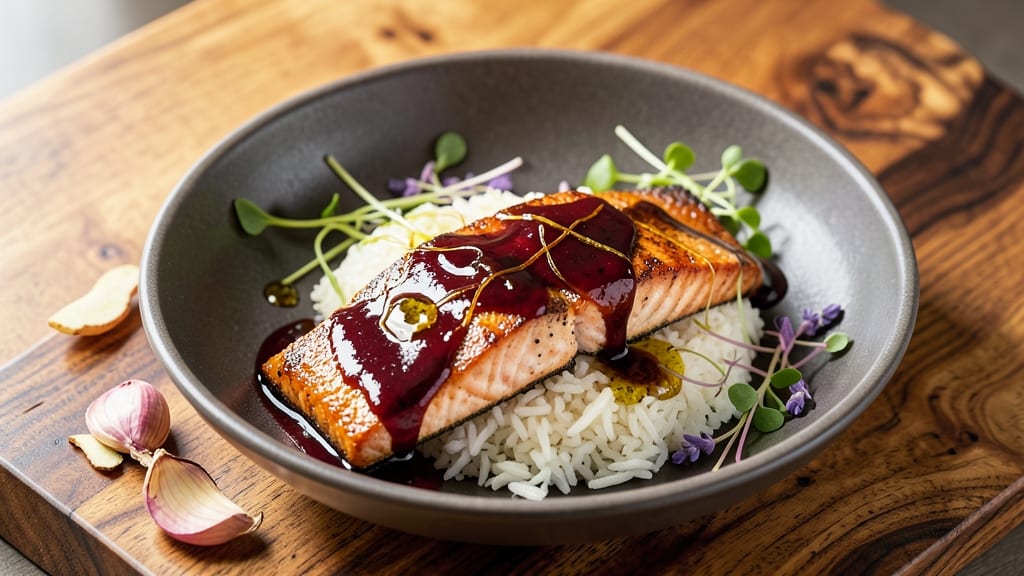
This balsamic teriyaki sauce recipe transforms ordinary dishes into restaurant-worthy masterpieces with its perfect balance of sweet, tangy, and umami flavors. The secret lies in simmering balsamic vinegar with soy sauce and brown sugar until it reduces into a glossy, caramelized glaze that clings beautifully to meats and vegetables.
I developed this sauce after years of experimenting with Asian-inspired glazes, and the addition of balsamic vinegar elevates classic teriyaki to a whole new level.
The beauty of this sauce is its versatility—it works equally well as a marinade for grilled chicken, a glaze for roasted vegetables, or a dipping sauce for spring rolls. The key steps involve reducing the sauce slowly to intensify the flavors and achieve that perfect glossy consistency.
Unlike store-bought versions, this homemade sauce delivers depth and complexity that you simply can't find in a bottle. Plus, it keeps well in the refrigerator for up to two weeks, making it a pantry staple.
What sets this recipe apart is the umami depth achieved through a combination of soy sauce and optional additions like mushrooms or miso paste. The result is a sauce that's rich, slightly tangy, and perfectly balanced—not too sweet, not too salty, but just right.
Each batch delivers a glossy, syrupy texture that coats proteins and vegetables beautifully, creating a caramelized crust that's impossible to resist.
Whether you're grilling, stir-frying, or simply drizzling over roasted dishes, this balsamic teriyaki sauce will become your go-to glaze. The instructions are straightforward, and the ingredients are simple, making it accessible for cooks of all skill levels. Let's get started on creating this flavor-packed sauce that will transform your meals.
Ingredients for balsamic teriyaki sauce
Nine simple ingredients for a sauce that transforms grilled meats and roasted veggies into restaurant-worthy masterpieces.
| Ingredient | Amount | Notes |
|---|---|---|
| Balsamic Vinegar 🍷 | ½ cup | High-quality aged balsamic preferred |
| Soy Sauce 🍶 | ½ cup | Low-sodium preferred for balance |
| Brown Sugar 🍚 | ½ cup | Light or dark, packed firmly |
| Extra-Virgin Olive Oil 🫒 | 2 tbsp | For glossy finish and richness |
| Garlic Cloves 🧄 | 3 cloves | Minced finely for depth |
| Fresh Ginger 🌿 | 1 tbsp | Grated finely, fresh preferred |
| Honey 🍯 | 2 tbsp | Wildflower preferred for floral notes |
| Sesame Oil 🌾 | 1 tbsp | Toasted sesame for aroma |
| Diamond Crystal Kosher Salt 🧂 | 1 tsp | Adjust to taste |
| White Wine Vinegar 🍷 | 1 tbsp | Brightens acidity |
The balsamic vinegar is where the magic happens—aged balsamic from Trader Joe's or Whole Foods gives you that deep, caramelized flavor. Look for bottles that say 'aceto balsamico di Modena' for authentic Italian quality. Soy sauce? Kikkoman or La Choy are reliable, but if you've got a fancy Japanese brand, use that. The brown sugar needs to be packed firmly—don't scoop it loosely. For the garlic and ginger, fresh is non-negotiable—dried powders won't give you that bright, aromatic punch. Sesame oil should be toasted, not the refined kind. If you can't find it, regular sesame oil works in a pinch, but it'll lack that nutty aroma.
No balsamic vinegar? Substitute with 2 tbsp red wine vinegar plus 1 tbsp maple syrup—it won't be identical, but it'll get you close. Running low on soy sauce? Coconut aminos work in a 1:1 ratio, though they're milder. The honey can be swapped for agave nectar or maple syrup, but honey adds a subtle floral note that's hard to replicate. If you're avoiding sugar entirely, reduce the brown sugar to 1/4 cup and add 1 tbsp molasses for depth. The white wine vinegar is key for brightness—apple cider vinegar at half the amount works if you're out, but it'll taste different. For extra umami, add 1 tsp miso paste or 1 tbsp mushroom powder when you taste it.
This sauce keeps beautifully—up to 2 weeks in the fridge sealed in a jar. For longer storage, freeze in ice cube trays and transfer to a bag. Thaw overnight in the fridge. The flavors actually improve over time as everything melds together. If it thickens too much, just add a splash of water or broth and warm it through. I always make double batches—one for immediate use and one to stash in the freezer. The sauce reheats perfectly, so it's great for last-minute glaze needs.
Why You'll Love This Recipe
- Five-Ingredient Magic: I swear by this combo—just vinegar, soy, sugar, oil, and garlic. That’s it. No fancy pantry trips, no last-minute grocery runs. The balsamic and soy marry so well, you’d never guess it’s this simple.
- Sweet-Savory Balance: Here’s what sold me—the brown sugar caramelizes just enough to cut through the tangy balsamic, while the olive oil keeps it silky. That garlic? Oh, it’s the star—roasted until fragrant, then simmered into oblivion. Chef’s kiss.
- Weeknight Superhero: Slap this on grilled chicken, toss it with roasted veggies, or drizzle it over noodles—it’s the glue that makes everything taste like you actually cooked. Honestly, I’ve used it for breakfast burritos (yes, even on a Tuesday night) and it still holds its own.
- Leftovers That Lie: You’ll make double. Trust me. The sauce thickens beautifully when reheated, so it’s perfect for meal prep. Store it in the fridge for up to a week, and suddenly, your takeout habit just got a free upgrade. Not the prettiest, but the taste makes up for it.
Step-by-step instructions for balsamic teriyaki sauce
Here's how to create a balanced, restaurant-quality glaze that marries Italian acidity with Japanese umami.
Bloom the Aromatics in Olive Oil
Heat the 2 tablespoons extra-virgin olive oil in a medium saucepan over medium-low heat. Add the 3 minced garlic cloves and 1 tablespoon finely grated fresh ginger, stirring constantly for 1-2 minutes until fragrant but not browned. The garlic should smell sweet and pungent without bitterness—this is your signal to move forward.
I like to use a light touch here; garlic burns faster than you think. If you see the edges darkening, immediately reduce heat to low and continue stirring. These aromatics form the flavor foundation, so take your time to develop them properly without cooking them dry.
Combine Wet Ingredients and Simmer
Pour in the 0.5 cup balsamic vinegar and 0.5 cup soy sauce, stirring to incorporate completely. Add the 0.5 cup packed brown sugar and 2 tablespoons honey, then increase heat to medium. Bring the mixture to a gentle boil, then immediately reduce to low heat and let it simmer uncovered for 10-12 minutes.
You'll notice the sauce reducing and thickening as it cooks. Stir occasionally to prevent sticking, especially as the sugar begins to caramelize. The color should deepen to a rich amber, and the aroma should become complex—think sweet, tangy, and slightly smoky. This simmering step develops the sauce's depth and balances all the flavors.
Finish with Acid and Oil
Once the sauce has reduced and thickened, remove it from heat. Stir in the 1 tablespoon white wine vinegar and 1 tablespoon toasted sesame oil, then taste and adjust seasoning with the 1 teaspoon kosher salt. The sauce should be sweet, tangy, and slightly salty with a hint of floral honey notes. If it needs more balance, add a pinch more salt or a splash of water to thin it slightly.
For best results, let the sauce rest for 10 minutes before using. This allows the flavors to meld completely. The texture should coat the back of a spoon with a glossy finish—this is what makes it perfect for glazing proteins or drizzling over vegetables. If you're using it immediately, whisk it one last time before applying to ensure an even consistency.
Strain and Store (Optional)
For a completely smooth sauce, strain it through a fine-mesh sieve into a clean bowl or jar. This removes any ginger fibers or garlic bits, giving you a silky texture perfect for drizzling. If you prefer some texture, simply whisk the sauce vigorously and use it as-is.
Store any unused sauce in an airtight container in the refrigerator for up to 2 weeks. The flavors actually improve over time as the acidity mellows. When ready to use, gently reheat over low heat and whisk to restore its glossy texture. This sauce keeps beautifully and makes an excellent base for marinades, stir-fries, or as a finishing glaze.
Pro Tips For Making Balsamic Teriyaki Sauce
- Simmer Slow and Low: I used to blast this sauce on high heat, thinking it’d caramelize faster—it just burned. Keep it at a gentle simmer (small bubbles, occasional swirls) for 15–20 minutes. The balsamic and sugar need time to meld without turning bitter.
- Toast the Garlic First: Raw garlic cloves make the sauce taste harsh. Sear 3–4 minuted in olive oil until golden and fragrant—just before they brown—then crush them. This adds depth without bitterness, and the oil releases more flavor into the sauce.
- Balance the Vinegar Early: Add half the balsamic vinegar first, let it cook for 5 minutes, then taste. If it’s too sharp, the sugar and soy won’t fully mellow it out later. Adjust gradually—you can’t fix overpowering acid once the sauce thickens.
- Skip the Olive Oil Shortcut: Yes, you can use a neutral oil, but extra-virgin olive oil’s peppery notes actually cut through the sweetness and complement the balsamic. Use 1 tablespoon—enough to coat the pan but not drown the sauce. (Trust me, it’s worth the effort.)
Common mistakes when making great balsamic teriyaki sauce
Skipping the Reduction
One of the most common mistakes is not reducing the sauce long enough. The 10-12 minute simmer is critical for developing depth and achieving that perfect glossy consistency. I’ve seen people walk away after just 5 minutes, leaving the sauce thin and lacking complexity.
Use a light-colored saucepan so you can easily monitor the color change—it should darken to a rich amber. If it’s still watery, return it to low heat and simmer uncovered for another 2-3 minutes. 🔥
Overcooking the Aromatics
Garlic and ginger are the flavor anchors, but they burn quickly. Many people crank the heat too high when blooming them in olive oil, resulting in bitter, charred flavors. Keep the heat at medium-low and stir constantly—1-2 minutes max is all you need.
If you see the edges darkening, immediately reduce to low and continue stirring. I’ve ruined batches this way, and trust me, you’ll taste the difference when they’re properly developed.
Ignoring the Resting Time
Rushing to use the sauce right after cooking is a big mistake. Letting it rest for 10 minutes allows the flavors to meld completely, balancing sweetness, acidity, and umami. I’ve seen people glaze proteins or vegetables immediately, only to find the sauce separates or tastes uneven.
If you’re short on time, at least whisk it vigorously before using to redistribute the ingredients. The resting step is non-negotiable for a cohesive sauce.
Using Low-Quality Balsamic
The type of balsamic vinegar makes all the difference. Cheap balsamic vinegar lacks the depth and caramelized notes that elevate this sauce. Always use aged balsamic vinegar (look for "aceto balsamico di Modena" on the label). I recommend brands like Trader Joe’s or Whole Foods’ high-quality options.
If you’re using a cheaper version, you’ll end up with a sauce that’s more tangy than complex. The balsamic is the soul of this recipe—don’t skimp!
Forgetting to Taste and Adjust
Many recipes stop at the instructions without emphasizing the importance of tasting and adjusting. After adding the white wine vinegar and sesame oil, always taste the sauce before using it. You might need to add a pinch more kosher salt or a splash of water to thin it.
I’ve made batches where the sweetness overpowered the tang, or vice versa. Trust your palate—this sauce is all about balance, and adjustments at the end make it perfect every time. 💡
Storing Improperly
Improper storage can ruin the sauce’s texture and flavor. Always transfer it to an airtight container and refrigerate within 2 hours of cooking. I’ve seen people leave it out overnight, leading to mold or a dull, flat taste. For longer storage, freeze in ice cube trays—this makes it easy to thaw only what you need. When reheating, do it gently over low heat and whisk to restore its glossy finish. Proper storage keeps this sauce fresh and flavorful for up to 2 weeks in the fridge.
Nutrition facts
Frequently asked questions
Can I make this sauce without honey? Swap the 2 tablespoons honey for 2 tablespoons maple syrup or agave nectar to maintain sweetness. For a deeper umami flavor, try 1 tablespoon molasses—it adds a subtle caramel note that pairs beautifully with the balsamic. Just
How can I use this sauce beyond glazing meats?
This versatile sauce works wonders as a marinade for tofu, shrimp, or chicken (let it sit for 30-60 minutes before cooking). Drizzle it over roasted Brussels sprouts or sweet potatoes for a sweet-savory finish. It also makes an excellent dipping sauce for spring rolls or dumplings—just thin it slightly with water if needed. The possibilities are endless!
Why did my sauce turn out too sweet?
This usually happens when the reduction isn't long enough or the balance of vinegars isn't right. To fix it, stir in 1 extra tablespoon white wine vinegar or 1 teaspoon Dijon mustard to cut the sweetness. For future batches, taste the sauce at the 8-minute mark—if it's already too sweet, reduce the brown sugar by 1 tablespoon next time. The key is patience during simmering!
Can I make this sauce in a slow cooker? Yes! Combine all ingredients in your slow cooker and cook on low for 3-4 hours, stirring occasionally. The slow cooking enhances the flavors beautifully. For a quicker method, use high for 1.5-2 hours. Just
What's the best way to reheat this sauce?
Gently reheat over low heat in a small saucepan, stirring constantly to prevent scorching. Add 1-2 tablespoons water if it thickens too much. For microwave reheating, use 30-second intervals on medium power, stirring between each. Always whisk vigorously before using to restore that glossy texture—this sauce is all about that perfect, clingy finish!