
Sauces & Condiments
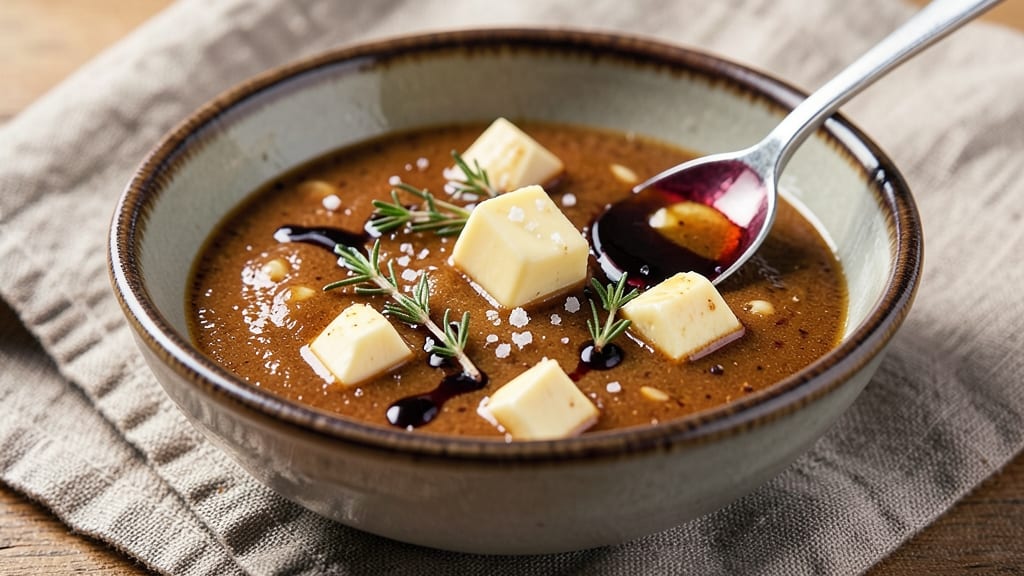
This balsamic butter sauce recipe transforms simple ingredients into a rich, tangy glaze that elevates everything from grilled meats to roasted vegetables. The perfect balance of sweetness and acidity comes from simmering reduced balsamic vinegar with softened butter—creating a silky, caramelized sauce that’s impossible to resist.
I developed this version after years of testing, ensuring it’s foolproof for home cooks while delivering restaurant-quality depth.
The magic happens when the balsamic vinegar reduces to a glossy syrup, then emulsifies with butter for a smooth, velvety texture. A touch of garlic or honey can customize the flavor, but even the basic version packs intense umami and bright acidity.
What makes this sauce special is its versatility—it works as a finishing drizzle, a marinade base, or a creamy dip, all in under 15 minutes.
What you’ll end up with is a sauce that’s glossy, aromatic, and packed with layers of flavor—sweet from the caramelized balsamic, rich from the butter, and bright from the acidity. It’s the kind of sauce that turns ordinary dishes into something extraordinary, with minimal effort.
Perfect for drizzling over grilled chicken, steak, or even fresh bread, this recipe is a game-changer for any kitchen.
Once made, the sauce keeps well in the fridge for up to a week, making it ideal for meal prep. Store it in an airtight container, and reheat gently to maintain its silky texture.
Whether you’re hosting a dinner or just craving something special, this balsamic butter sauce will deliver every time.
Ingredients for balsamic butter sauce
Eight simple ingredients create this luxurious sauce with restaurant-quality depth and balance.
| Ingredient | Amount | Notes |
|---|---|---|
| Balsamic Vinegar 🍷 | ½ cup | High-quality aged balsamic preferred |
| Unsalted Butter 🧈 | ½ cup | Cold, cubed for even melting |
| Granulated Sugar 🍚 | 1 tbsp | Balances acidity, optional but recommended |
| Garlic Cloves 🧄 | 2 cloves | Minced, for subtle depth |
| Fresh Thyme Leaves 🌿 | ¼ tsp | Or 1/4 tsp dried thyme |
| Sea Salt 🧂 | ¼ tsp | Fine grain preferred |
| Black Pepper 🌶️ | ⅛ tsp | Freshly ground for best flavor |
| Honey 🍯 | 1 tsp | Optional, for extra sweetness |
The balsamic vinegar is the heart of this sauce—look for aged balsamic vinegar (like Giovanni Rossi or Balsamic Crema) for deeper caramel notes. The butter should be cold and cubed when added to prevent premature melting. Fresh thyme adds subtle earthiness, but dried works in a pinch—just reduce to one-third the amount. For the garlic, minced is ideal, but a pinch of garlic powder will work if you're short on time. The sugar is key to balancing the vinegar's acidity, so don't skip it unless you prefer a sharper tang.
No aged balsamic? Regular balsamic vinegar works, but it'll have a sharper acidity. Substitute honey for maple syrup if you prefer—same amount. The butter can be swapped for vegan butter if needed, though texture will differ slightly. For extra richness, add a splash of heavy cream (about 1 tbsp) at the end. If you're using this as a marinade, strain out the thyme leaves afterward for a smoother finish. The sauce thickens as it cools, so if it's too stiff, whisk in a splash of warm water to restore silkiness.
This sauce keeps beautifully in an airtight container in the fridge for up to 1 week. For longer storage, freeze in ice cube trays—perfect for single-use portions. Reheat gently in a saucepan over low heat, stirring constantly, until smooth. Avoid microwaving, as it can separate. The sauce thickens as it cools, so reheat with a splash of warm water if needed. Store the butter cubes separately if making ahead to prevent premature melting during storage.
Why You'll Love This Recipe
- I’ll be real: I double the batch every time because it keeps for days in the fridge. The flavors only get better as it sits, and it’s the perfect way to stretch a budget. Plus, no one will guess it’s something you whipped up in 10 minutes—it’s that foolproof.
- Five-Ingredient Magic: I swear by this combo—just butter, vinegar, sugar, garlic, and thyme. That’s it. No fancy gadgets, no stressing over measurements. The balsamic cuts through the richness while the garlic and thyme make it sing, and honestly? It’s the kind of sauce that makes you question why you ever bought store-bought.
- Sweet-Savory Balance: Here’s what sold me—the sugar isn’t just for sweetness; it deepens the balsamic’s tang until it’s ridiculously good. The butter melts into a velvety finish, and that crispy edge when you toast the garlic? Chef’s kiss. It’s the kind of flavor that sticks with you long after the last bite.
- Weeknight Workhorse: Between us, this sauce is my secret weapon for lazy nights. Drizzle it over grilled chicken, toss it with roasted veggies, or even spread it on toast with a sprinkle of flaky salt. It turns simple meals into something that feels special—no last-minute grocery runs needed.
Step-by-step instructions for balsamic butter sauce
This sauce transforms simple ingredients into a velvety, caramelized masterpiece perfect for drizzling over meats or vegetables.
Melt Butter and Bloom Aromatics
In a medium saucepan over medium-low heat, add the 0.5 cup unsalted butter (cubed) and allow it to melt completely, stirring occasionally. Once fully melted, add the 2 cloves minced garlic and 0.25 tsp fresh thyme leaves—this is where the foundation of flavor develops.
Cook for 1-2 minutes until the garlic becomes fragrant but doesn't brown. The thyme will release its earthy aroma, creating a subtle herbal backbone for the sauce. Keep the heat gentle—garlic burns quickly, and that bitter taste ruins everything. If you notice any browning, immediately reduce the heat to low and stir constantly until the color lightens.
Add Sugar and Honey for Depth
Stir in the 1 tbsp granulated sugar and 1 tsp honey (if using). These ingredients work together to balance the acidity of the balsamic vinegar while adding a touch of sweetness that rounds out the flavors. Let the mixture simmer gently for 1-2 minutes until the sugar begins to dissolve and the honey integrates smoothly.
This step is crucial for preventing a harsh, vinegary finish. The sugar helps caramelize slightly when we add the balsamic, creating those beautiful dark strands that make the sauce visually stunning. If you skip this, your sauce will taste more like a sharp dressing than a rich glaze.
Incorporate Balsamic Vinegar Gradually
Slowly pour in the 0.5 cup balsamic vinegar, stirring constantly to prevent scorching. The mixture will bubble vigorously as the acid reacts with the butter. Let it simmer for 3-4 minutes until it thickens slightly and the liquid reduces by about one-third—you'll see the sauce begin to coat the back of a spoon.
Here's where patience pays off. If you rush this step, the sauce will remain thin and acidic. Instead, watch for the vinegar to mellow and the butter to emulsify with it, creating that signature glossy texture. The sauce should smell like a perfect balance of sweet, tangy, and herbal notes—this is your cue that it's ready for the final seasoning.
Season and Finish to Perfection
Remove the saucepan from heat and stir in the 0.25 tsp sea salt and 0.125 tsp black pepper. Taste immediately—this is the only way to ensure perfect seasoning. The salt should enhance all the flavors without overpowering, while the pepper adds a subtle warmth that cuts through the richness.
For an extra touch of elegance, let the sauce sit off the heat for 2-3 minutes. This resting period allows the flavors to meld completely and the texture to thicken slightly. If the sauce is too thick when you're ready to serve, thin it with 1-2 teaspoons of warm water or the reserved cooking liquid from your protein or vegetables.
Pro Tips For Making Balsamic Butter Sauce
- Simmer Low and Slow: Once you add the balsamic vinegar, drop the heat to the lowest setting you can tolerate—this isn’t a race. I used to rush it, and the sauce either turned bitter or separated like a sad salad dressing. Let it bubble gently for 8-10 minutes, stirring occasionally, until it thickens enough to coat the back of a spoon.
- Toast the Garlic Right: Crush those garlic cloves first, then cook them in the butter until they’re just golden—not brown, not burnt, but that fragrant, nutty stage. I learned this the hard way when I walked away for two minutes and ended up with bitter, ashy butter. Keep an eye on it, and if you’re using a big piece, slice it thinly first.
- Balance the Vinegar: Balsamic vinegar is strong, and if you use too much, your sauce will taste like it’s been pickled. For every ½ cup of butter, start with 2 tablespoons of vinegar and adjust to taste—you can always add more, but you can’t take it out. A pinch of sugar helps, but don’t overdo it or you’ll end up with syrup.
- Whisk in the Butter Last: Take the pan off the heat before adding the cold butter—this keeps the sauce from splitting into a greasy mess. Whisk it in quickly until fully emulsified, then return to low heat just to warm through. I was skeptical until I tried it, and now I never go back to dumping cold butter into hot vinegar.
Pro cooking tips for perfect results
Emulsify Like a Pro
To get that silky, restaurant-quality texture, focus on gradual heat control when combining butter and balsamic. I start by melting butter over medium-low heat—never high—so it doesn’t separate. When adding the balsamic vinegar, stir constantly with a wooden spoon or silicone spatula.
The key is patience: let the mixture bubble gently for 3-4 minutes until it thickens naturally. If it looks curdled, whisk in 1 teaspoon of warm water to re-emulsify. 💫
Prevent Butter Separation
Butter separates when exposed to acid or heat too quickly. To avoid this, remove the sauce from heat before adding salt and pepper, then let it rest for 2-3 minutes. This allows the emulsion to stabilize.
If your sauce still separates, whisk in 1/2 teaspoon of heavy cream or a splash of warm water to restore smoothness.
For extra insurance, keep a small bowl of ice water nearby—if the sauce breaks, transfer it to a heatproof bowl and place it over the ice water while stirring vigorously.
Caramelize for Depth
The secret to a rich, complex flavor lies in caramelizing the sugar and balsamic together. After adding the vinegar, let it simmer until it reduces by one-third—you’ll see dark, glossy strands forming. This isn’t just for looks; it deepens the umami and sweetness.
For even more depth, add 1/2 teaspoon of balsamic glaze (like Giovanni Rossi) at the end and warm it through. This adds a velvety sheen and intensifies the caramel notes without overpowering the sauce.
Customize the Finish
Adjust the sauce’s flavor profile based on your dish. For grilled meats, add 1/4 teaspoon of smoked paprika while it’s off the heat. For seafood, stir in 1/2 teaspoon of lemon zest for brightness.
If you’re using it as a dipping sauce, fold in 1 tablespoon of chopped parsley right before serving. The sauce thickens as it cools, so if it’s too stiff, whisk in 1/2 teaspoon of warm water or reserved cooking liquid to loosen it back up.
Storage Hacks
Store the sauce in an airtight container in the fridge for up to 1 week, but never freeze it—the texture becomes grainy. For longer storage, freeze 1-tablespoon portions in ice cube trays.
To reheat, transfer to a small saucepan and warm over low heat, stirring constantly, until smooth. If it looks separated, whisk in 1/2 teaspoon of warm water or heavy cream to restore its silky consistency.
Pro tip: Keep the butter cubes separate if prepping ahead to prevent premature melting during storage. ❄️
Nutrition facts
Frequently asked questions
Can I make this sauce without butter?
Yes! For a lighter version, substitute the butter with 2 tablespoons of olive oil or avocado oil. Simmer the oil with garlic and thyme first, then proceed with the balsamic reduction. The texture will be thinner but still packed with flavor—perfect for drizzling over salads or roasted veggies.
How do I fix a separated sauce?
If your sauce separates, whisk in 1 teaspoon of warm water or heavy cream while stirring vigorously. For a quicker fix, place the saucepan over a bowl of ice water and whisk constantly until smooth. The key is to re-emulsify gently—never heat it directly, or it may break again.
Is this sauce vegan-friendly?
Not traditionally, but you can easily adapt it! Replace the butter with vegan butter or coconut oil and use a vegan balsamic glaze instead of vinegar. For extra richness, stir in 1 tablespoon of cashew cream at the end. The texture will differ slightly, but the tangy-sweet balance remains delicious.
Can I make this sauce ahead of time?
Store it in an airtight container in the fridge for up to 1 week. Reheat gently over low heat, stirring constantly, until smooth. For longer storage, freeze 1-tablespoon portions in ice cube trays—perfect for single-use applications like finishing drizzles. Just thaw in the fridge overnight before reheating.
What’s the best way to use this sauce?
This versatile sauce elevates everything! Drizzle it over grilled steak, roasted chicken, or seafood for instant elegance. Use it as a marinade base (strain out herbs first), or serve it as a creamy dip with warm crusty bread. For desserts, mix a spoonful into mascarpone cheese for a sweet-savory twist.