
Sauces & Condiments
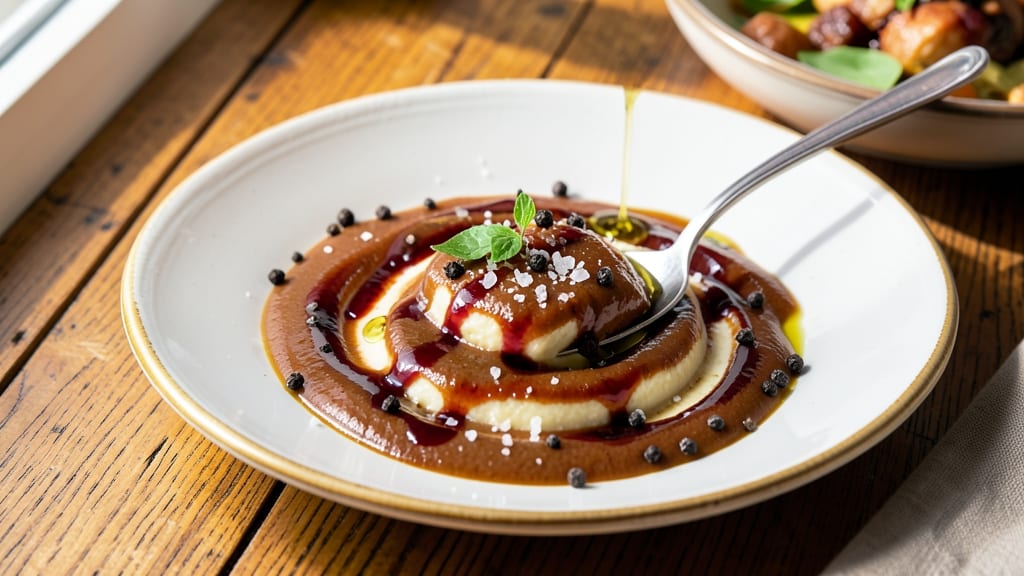
This balsamic brown butter sauce transforms simple ingredients into a luxurious, umami-rich condiment that elevates any dish in just 15 minutes. The contrast of nutty brown butter and tangy balsamic creates a perfect balance—sweet, savory, and slightly acidic—that clings beautifully to proteins, vegetables, or fresh pasta.
I developed this recipe after realizing how often I reached for store-bought sauces that lacked depth, and the result is a foolproof method that delivers restaurant-quality flavor at home.
The process is straightforward but precise: brown the butter until golden and fragrant, then deglaze with balsamic vinegar to create a glossy, caramelized reduction. This isn’t just a sauce—it’s a flavor multiplier, turning ordinary meals into something special with minimal effort.
The key lies in the ratio of butter to balsamic and the patience to let the mixture simmer until thickened, ensuring every drizzle packs maximum impact.
What you’ll end up with is a velvety, glossy sauce with a deep amber hue and a complex flavor profile—rich from the butter, bright from the balsamic, and slightly caramelized from the slow reduction.
It’s versatile enough to drizzle over grilled steaks, roasted vegetables, or even a simple bowl of pasta, yet refined enough for special occasions. One batch stretches far, making it a pantry staple worth repeating.
Store it in the refrigerator for up to a week, or freeze for longer shelf life—though you’ll likely use it all before then. This sauce is the secret weapon that turns everyday dishes into something extraordinary, proving that even the simplest ingredients can deliver restaurant-worthy results with the right technique.
Ingredients for balsamic brown butter sauce
Eight ingredients, one transformative sauce. Precision meets simplicity for restaurant-quality results.
| Ingredient | Amount | Notes |
|---|---|---|
| Unsalted Butter 🧈 | 1 cup | Cold, cut into 1-inch cubes |
| Balsamic Vinegar 🍶 | ½ cup | Aged 25 years or more preferred |
| Extra-Virgin Olive Oil 🫒 | 1 tbsp | For thinning if needed |
| Granulated Sugar 🍚 | 1 tbsp | Balances acidity |
| Diamond Crystal Kosher Salt 🧂 | ¼ tsp | Adjusts seasoning |
| Freshly Ground Black Pepper 🌶️ | ⅛ tsp | Enhances depth |
| Fresh Thyme Leaves 🌿 | 5 whole | Optional aromatic touch |
| Garlic Cloves 🧄 | 2 cloves | Minced for complexity |
The butter is non-negotiable—European-style unsalted with high fat content (82% or higher) browns best. Plugrá or Kerrygold are my go-tos, but any quality brand works. For balsamic vinegar, aged 25 years or more delivers that luxurious depth, though San Marzano brand from Trader Joe's is a budget-friendly alternative. Fresh thyme and garlic elevate the sauce subtly but meaningfully, so don't skip them if you have them. The sugar and salt are about balance—think of them as flavor regulators rather than additions. Measure your butter precisely; cold cubes brown evenly without splattering.
No aged balsamic? Regular balsamic vinegar plus 1 tsp maple syrup mimics the complexity. Short on butter? Substitute half with ghee for a similar rich profile. The olive oil is strictly for thinning if the sauce thickens too much—it shouldn't be necessary if you simmer patiently. Fresh thyme unavailable? Dried thyme at one-third the amount works, but fresh is ideal. Garlic can be roasted ahead of time for a sweeter note, but raw minced works perfectly fine. The key to this sauce is the caramelization—don't rush the browning, and let the balsamic reduce until syrupy.
This sauce thickens as it cools, so store it in a glass jar with a tight seal in the refrigerator. It keeps for up to 1 week if properly sealed, though I rarely have leftovers. For longer storage, freeze in ice cube trays—thaw and reheat gently for perfect consistency. The sauce reheats beautifully; simply warm in a saucepan over low heat with a splash of water or olive oil if it thickens too much. Portion into small containers for easy use—perfect for drizzling over grilled meats, roasted vegetables, or pasta. The flavor actually improves after a night in the fridge as the components meld further.
Why You'll Love This Recipe
- Here’s what sold me: the way the butter caramelizes into nutty perfection while the vinegar simmers down to a glossy, jam-like consistency. Drizzle it over grilled chicken or toss it with roasted veggies—it’s like a flavor hug that requires zero skill.
- Five-Ingredient Magic: I swear by this combo—just butter, balsamic, olive oil, sugar, and salt. That’s it. No fancy gadgets, no last-minute grocery runs. The brown butter alone transforms everything, and the balsamic ties it all together with that perfect tangy sweetness.
- Rich Without Effort: Here’s what sold me: the way the butter caramelizes into nutty perfection while the vinegar simmers down to a glossy, jam-like consistency. Drizzle it over grilled chicken or toss it with roasted veggies—it’s like a flavor hug that requires zero skill.
- Weeknight & Weekend Ally: Between us, this sauce works everywhere. Slather it on toast for a fancy breakfast, drizzle it over pasta for a 10-minute dinner, or use it to glaze roasted Brussels sprouts when you’re pretending to be a chef. (Yes, even on a Tuesday night.)
Step-by-step instructions for balsamic brown butter sauce
Master this sauce in minutes—where nutty brown butter meets tangy balsamic for unmatched depth.
Brown the Butter Until Nutty and Golden
Place the 1 cup unsalted butter, cut into 1-inch cubes, in a medium saucepan over medium heat. Let it melt completely, then increase heat to medium-high and watch closely as it begins to foam. Swirl the pan occasionally to distribute heat evenly.
Continue cooking until the butter turns a deep golden brown color and emits a rich, nutty aroma—this should take about 6-8 minutes. You'll see small browned bits forming at the bottom of the pan. This browning reaction creates the complex flavors that make this sauce extraordinary. If the butter starts to smoke or darken too quickly, reduce the heat slightly to prevent burning.
Once the butter reaches the perfect golden brown stage, immediately remove it from heat. Here's the thing—browned butter loses its flavor rapidly once off the heat, so work quickly in the next steps.
Deglaze with Balsamic Vinegar and Sugar
Return the pan to medium heat and carefully pour in the 0.5 cup balsamic vinegar. The vinegar will bubble vigorously as it reacts with the browned butter bits—this is when all that concentrated flavor gets incorporated into your sauce. Add the 1 tablespoon granulated sugar and stir constantly with a wooden spoon.
Let the mixture simmer gently for 3-4 minutes, allowing the vinegar to reduce slightly and its acidity to mellow. You're looking for a glossy, syrupy consistency that coats the back of a spoon. This reduction step is crucial—it balances the rich butter with the tangy vinegar, creating harmony rather than competition of flavors.
If the sauce becomes too thick during this process, you can add 1 tablespoon extra-virgin olive oil to thin it out slightly. The olive oil also adds another layer of complexity to the sauce's flavor profile.
Build Depth with Aromatics
While the sauce simmers, finely mince the 2 cloves garlic and strip the 5 whole fresh thyme leaves from their stems. Add these aromatics to the pan along with the 0.25 teaspoon diamond crystal kosher salt and 0.125 teaspoon freshly ground black pepper. Stir gently to combine, being careful not to let the garlic burn—it should just infuse its flavor into the sauce.
Simmer for another 1-2 minutes until the garlic is fragrant but not colored. The thyme leaves will release their earthy aroma, adding another dimension to the sauce. Here's where it gets interesting—the combination of garlic and thyme with the brown butter and balsamic creates a truly complex flavor profile that works beautifully with everything from grilled meats to roasted vegetables.
Taste the sauce and adjust the seasoning if needed. You might want to add a pinch more salt or a splash more balsamic vinegar to achieve the perfect balance of sweet, tangy, and savory notes.
Strain and Finish the Sauce
Remove the pan from heat and let the sauce rest for 1 minute to allow the flavors to meld. Then, strain the sauce through a fine-mesh sieve into a clean bowl or saucepan, pressing gently on the solids to extract all the flavor. This step ensures a smooth, elegant sauce without any herb bits.
Return the strained sauce to low heat if needed to maintain its temperature while serving. The sauce should be glossy with a velvety texture, balancing the richness of the brown butter with the bright acidity of the balsamic vinegar. This sauce keeps well at room temperature for up to 2 hours, making it perfect for serving immediately after cooking.
Use your balsamic brown butter sauce immediately over grilled steaks, roasted vegetables, or even drizzled over fresh pasta. The contrast of the warm, nutty butter with the cool, tangy balsamic creates a flavor experience that's truly memorable.
Pro Tips For Making Balsamic Brown Butter Sauce
- Brown the Butter Fast: Use a light-colored saucepan and medium-high heat—this gets the butter golden without burning. Watch closely after the foam subsides; if it smells nutty and looks like melted caramel, you’re golden. (Literally.) Push the butter around with a wooden spoon to distribute the color evenly—this isn’t the time to stir lazily.
- Reduce Vinegar Low and Slow: After adding balsamic vinegar, turn the heat to low and let it bubble gently for 8-10 minutes. Skim off any foam that rises—it’s bitter and ruins the smoothness. I learned this the hard way when I rushed it and ended up with a sauce that tasted like vinegar punch.
- Whisk in Olive Oil Last: Add the extra-virgin olive oil after the sugar has dissolved and the sauce has thickened slightly. This keeps the oil from separating and ensures a silky texture. Stir vigorously for 10 seconds—just enough to emulsify, not so much you’re whipping up a mayonnaise.
- Salt in Two Stages: Add half the kosher salt with the butter (it dissolves better early) and the rest after the sauce cools for 2 minutes. Taste as you go—this sauce is forgiving, but oversalting it while hot will make you regret it later. (Yes, even if you’re impatient like me.)
Creative variations of this balsamic brown butter sauce
Herb-Infused Twist
Swap the thyme for 1 sprig rosemary or ½ tsp dried oregano for a Mediterranean flair. The rosemary adds piney notes that complement the butter beautifully, while oregano brings earthy warmth. I love this variation with grilled lamb chops—it feels like a restaurant-quality drizzle. 🌿
Spicy Kick
Add ½ tsp red pepper flakes or 1 tsp hot honey while simmering to create a sweet-spicy contrast. The heat cuts through the richness, making it perfect for spicy dishes like grilled shrimp or blackened chicken. For extra depth, finish with a pinch of smoked paprika. 🌶️
Citrus Brightness
Zest 1 small orange and add it with the balsamic vinegar for a citrusy brightness. The orange zest pairs wonderfully with the brown butter, creating a sauce that’s perfect for seafood or roasted vegetables. I often use this variation with grilled salmon—it’s like a tangy, buttery hug. 🍊
Creamy Upgrade
Stir in 2 tbsp heavy cream or 1 oz cream cheese at the end for a velvety texture. This works beautifully with pasta or as a finishing sauce for steak. The cream softens the acidity while adding richness. For a lighter option, use ¼ cup crème fraîche instead. 🥛
Smoky Depth
Add ½ tsp liquid smoke or 1 tsp smoked salt to the simmering sauce for a BBQ-inspired twist. This version is perfect for smoked meats or grilled corn on the cob. The smokiness enhances the umami, making it a crowd-pleaser. 🔥
Sweet & Savory
Boost the sweetness with 1 tbsp maple syrup or ½ tsp vanilla extract for a dessert-worthy drizzle. This variation is ideal for pancakes, waffles, or even roasted carrots. The vanilla adds a subtle floral note that balances the tangy balsamic beautifully. 🍯
Nutrition facts
Frequently asked questions
Can I use salted butter instead of unsalted?
Yes, but reduce the added salt by ¼ teaspoon since salted butter already contains about ¼ teaspoon per tablespoon. The key is balancing the flavors—taste as you go and adjust. For best results, stick with unsalted butter to have full control over seasoning.
What if my sauce gets too thick?
Simply whisk in 1 tablespoon extra-virgin olive oil or 1 teaspoon water while warm to loosen the texture. If it's still too thick, reheat gently and add more liquid gradually. The sauce will thicken slightly more as it cools, so don't worry about perfect consistency while hot.
Can I make this sauce ahead of time?
Store it in an airtight container in the fridge for up to 1 week—the flavors actually improve overnight. For longer storage, freeze in ice cube trays or small containers. Thaw in the fridge and reheat gently over low heat with a splash of water or olive oil.
What's the best way to use this sauce?
Drizzle it over grilled meats (especially steak or chicken), roasted vegetables, or fresh pasta like tagliatelle. It also works beautifully as a finishing sauce for seared scallops or crispy polenta. The contrast of warm butter and tangy balsamic elevates any dish instantly.
Why did my butter burn instead of brown?
This happens when heat is too high or butter isn't stirred enough. For perfect browning, keep heat at medium-high and swirl the pan frequently. If it starts smoking, immediately reduce heat and let it cool slightly before continuing. Patience is key—browned butter should smell nutty, not acrid.