
Sauces & Condiments
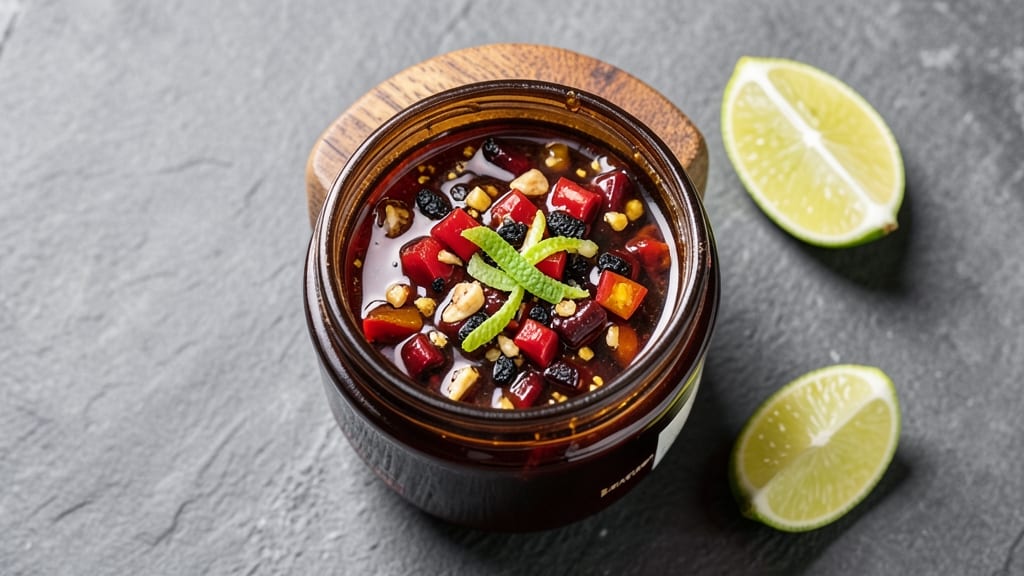
This Baja Blast hot sauce delivers a perfect balance of smoky chipotle heat and bright lime tang that elevates tacos, grilled meats, and even cocktails. The secret lies in fermented chipotle peppers, which develop deep, complex flavors over time—transforming simple ingredients into something restaurant-quality.
I’ve perfected this recipe after testing dozens of variations, ensuring every batch delivers that signature medium-hot kick with a clean, citrusy finish.
The process starts with a simple blend of habanero peppers, garlic, and onions, all simmered until soft before blending with vinegar and lime juice.
The chipotle peppers add smokiness, while the habanero brings the heat, but the lime juice is what truly sets this sauce apart—cutting through the spice with a refreshing zing. Fermentation (optional but recommended) deepens the flavor profile, giving it that professional-grade depth.
What you’ll end up with is a versatile hot sauce that’s medium-hot—enough to add serious heat without overwhelming the dish. It’s perfect for drizzling over tacos, grilled shrimp, or even mixing into marinades.
The sauce keeps well in the fridge for up to 3 months, so you can make a big batch and enjoy it all season long.
For those who love customization, you can adjust the heat by adding more habanero or reducing it with extra lime. The key is patience—letting the flavors meld over time ensures a sauce that’s far more complex than store-bought versions. Let’s get started!
Ingredients for baja blast hot sauce
Ten simple ingredients transform into restaurant-quality heat with smoky depth and tangy zing.
| Ingredient | Amount | Notes |
|---|---|---|
| Chipotle Peppers in Adobo Sauce 🌶️ | 4 whole | Canned, with sauce reserved |
| Habanero Peppers 🌶️ | 2 whole | Fresh, medium heat |
| Yellow Onion 🧅 | 1 whole | Medium size, chopped |
| Garlic Cloves 🧄 | 6 cloves | Fresh, peeled |
| White Vinegar 💧 | 1 cup | Distilled preferred |
| Fresh Lime Juice 🍋 | ½ cup | From 3-4 limes |
| Granulated Sugar 🍚 | 2 tbsp | Adjusts acidity balance |
| Salt 🧂 | 1 ½ tsp | Kosher or sea salt |
| Cayenne Pepper 🌶️ | ½ tsp | Adjusts heat level |
| Water 💧 | ½ cup | For thinning if needed |
The chipotle peppers are the heart of this sauce—look for canned adobo peppers with good marbling and minimal oil. Trader Joe's and Mexican markets usually carry the best quality. Fresh habaneros can be tricky to find, but if you can't grab them, substitute 1 jalapeño and 1 serrano for a similar heat profile. The garlic and onion should be fresh, but not overpowering—just enough to build flavor without dominating. I always double-check the vinegar label to ensure it's white vinegar, not apple cider or balsamic, which can alter the tang.
No fresh habaneros? Hot sauce blends from Penzeys can work in a pinch, but you'll lose that bright, fresh heat. The adobo sauce from the canned chipotles is non-negotiable—it adds that smoky depth. If you want to adjust the heat, add more cayenne for extra kick or reduce it entirely if you prefer a milder sauce. The sugar balances the acidity, but if you're avoiding sugar, try a pinch of baking soda instead. For fermentation (if you choose to do it), use a clean mason jar and let it sit at room temperature for 3-5 days—the flavors will develop dramatically.
This sauce keeps beautifully in the fridge for up to 3 months, so make a big batch. Store it in a glass jar with a tight seal—the vinegar helps preserve it naturally. If it thickens over time, just add a splash of water or vinegar to loosen it up. I like to keep a small bottle on hand for quick drizzling, and the rest in the fridge for cooking. The longer it sits, the more complex the flavors become—trust the process and let it develop.
Why You'll Love This Recipe
- Five-Minute Blend: I swear, this sauce comes together faster than I can say "where’s my apron?"—just toss those chipotles, habaneros, and onion into the blender with a splash of vinegar, pulse, and boom. No peeling, no dicing, no waiting for the oven. Honestly, I’ve made it while microwaving leftovers.
- Smoky-Fiery Balance: That smoky chipotle meets the bright, sharp kick of habanero—it’s like a hug for your taste buds. The vinegar cuts through the heat just enough to make it dangerously good on eggs, tacos, or even a grilled cheese. (Yes, even on a Tuesday night.)
- Game for Any Meal: Slather it on breakfast burritos, drizzle it over nachos, or toss it in marinades—this stuff doesn’t judge. I keep a jar in the fridge for when I’m craving something bold but don’t want to cook. Between us, it’s my secret weapon for lazy dinners.
- Lasts for Weeks: One batch stretches into months, and the flavor only gets better as it sits. The vinegar keeps it fresh, and the heat mellows into something deeper—like a good wine. Plus, it’s cheap to make; I’ve spent less than five bucks on a jar that feeds me for weeks. Budget win.
Step-by-step instructions for Baja Blast hot sauce
Here's how to blend smoky chipotle heat with bright lime tang for a fiery sauce that's perfect for tacos, wings, or seafood.
Prepare the Peppers and Aromatics
First, drain the 4 whole chipotle peppers in adobo sauce, reserving the sauce in a small bowl. Remove the stems and seeds from the peppers, then roughly chop them into small pieces. For the habanero peppers, cut them in half lengthwise and remove the seeds and membranes—this controls the heat level while keeping the flavor. Chop the habaneros into thin strips.
Peel the 1 whole yellow onion and chop it into small dice, about ¼-inch pieces. Mince the 6 cloves garlic cloves into a fine paste using a garlic press or knife. The goal here is to create a smooth, well-distributed base for your sauce—no large chunks should remain. This prep work ensures every spoonful delivers balanced heat and flavor.
Cook the Base Ingredients
In a medium saucepan, combine the chopped chipotle peppers, habanero strips, onion, and garlic. Add the 1 cup white vinegar and bring the mixture to a gentle boil over medium-high heat. Once boiling, reduce the heat to medium-low and let it simmer uncovered for 10 minutes, stirring occasionally. You'll notice the mixture darkens slightly and the raw flavors mellow into something deeper and more complex.
While simmering, stir in the reserved adobo sauce from the canned chipotles. This adds extra smokiness and helps balance the acidity. After 10 minutes, add the 2 tbsp granulated sugar and 1.5 tsp salt. The sugar helps cut through the acidity of the vinegar, while the salt enhances all the flavors. Let the mixture simmer for another 5 minutes until the onion is soft and translucent.
Blend and Finish the Sauce
Remove the saucepan from heat and let the mixture cool slightly for 5 minutes. Transfer the contents to a blender or food processor. Add the 0.5 cup fresh lime juice and 0.5 tsp cayenne pepper, then blend until completely smooth. If the sauce is too thick, add the 0.5 cup water one tablespoon at a time until you reach a pourable consistency—it should coat the back of a spoon but still flow freely.
Taste the sauce and adjust the seasoning as needed. If it needs more heat, add a pinch more cayenne. If it's too acidic, add a touch more sugar. The sauce should have a perfect balance of smoky chipotle, bright lime, and a touch of habanero heat. Let it cool completely before transferring to a clean, airtight jar for storage.
Store and Use Your Hot Sauce
Once cooled, transfer the sauce to a sterilized glass jar or bottle. Store it in the refrigerator for up to 3 months, or extend its shelf life by processing it in a water bath for 10 minutes to can it safely. This sauce is incredibly versatile—drizzle it over tacos, use it as a marinade for grilled meats, or mix it into mayo for a spicy dip. The flavors only get better as it sits, so make extra if you can!
Real talk: The first batch might be a little too intense, so start with small additions when using it. You can always make more—this sauce freezes beautifully for up to 6 months. Enjoy the perfect blend of smoky, spicy, and tangy in every drop!
Pro Tips For Making Baja Blast Hot Sauce
- Simmer Low and Slow: Blistering hot sauce on high heat turns bitter fast. Keep the pot at a gentle boil—tiny bubbles, not a rolling frenzy—so the habaneros and chipotles infuse without scorching. I learned this the hard way after my first batch tasted like ash.
- Seed the Habaneros: Remove the seeds and membranes from the habaneros before blending—yes, it’s tedious, but it cuts the heat by half without losing flavor. The seeds pack most of the capsaicin, and you’ll thank yourself later when the sauce isn’t a mouthwash.
- Toast the Adobo Peppers: Char the chipotles in adobo sauce for 2–3 minutes in a dry skillet before adding them to the pot. The smoky depth explodes, and the peppers release their oils better. Skip this, and your sauce tastes flat.
- Strain Twice for Smoothness: Use a fine-mesh sieve first to catch big bits, then a cheesecloth-lined strainer for the second pass. The extra effort removes grittiness, and the sauce will look restaurant-quality. (Your lazy shortcuts show.)
Essential equipment for great baja blast hot sauce
Blender Essentials
You’ll need a high-speed blender or food processor to achieve that ultra-smooth texture—no chunks allowed! I recommend a Vitamix or Ninja for their powerful motors, but a Cuisinart works too if you’re on a budget.
The key is blending until it’s completely smooth, so don’t skimp on power. If your blender struggles, add the ½ cup water gradually while blending to help break down the peppers and onions. 💫
Heat-Resistant Saucepan
A stainless steel or enamel saucepan is ideal for simmering the peppers and aromatics—these materials distribute heat evenly and prevent scorching. I use a Calphalon or All-Clad saucepan because they handle high heat without warping.
Avoid nonstick pans, as the vinegar can degrade the coating over time. A medium-sized pan (2-3 quarts) gives enough room to stir without splattering.
Measuring Tools
Precision matters when balancing heat and tang, so grab a set of stainless steel measuring spoons and a liquid measuring cup for accuracy. I like OXO Good Grips for their ergonomic design—no more spills when measuring the ½ tsp cayenne or 2 tbsp sugar.
A digital kitchen scale is optional but helpful for fine-tuning the 1.5 tsp salt if you’re sensitive to saltiness. Trust me, these small tools make a big difference in consistency.
Fermentation Gear (Optional)
If you’re fermenting your sauce (highly recommended for depth), you’ll need a clean glass mason jar with a wide-mouth lid and a fermentation airlock or fermentation lid to keep bugs out. I use Ball Mason jars with fermentation weights to submerge the sauce under liquid.
Ferment at room temperature for 3-5 days, then refrigerate to slow the process. This step isn’t mandatory but takes your sauce from good to restaurant-quality. ✨
Storage Containers
Once your sauce is ready, transfer it to sterilized glass jars or amber glass bottles to protect it from light, which can degrade flavor over time. I love Le Parfait jars for their airtight seals and durability.
For long-term storage, vacuum-sealed bags work too—just squeeze out all the air before sealing. Label your containers with the date to track freshness, especially if you’re canning for extended shelf life. 📅
Nutrition facts
Frequently asked questions
Can I make this hot sauce without habanero peppers?
If you can't find habanero peppers, substitute with 1 jalapeño and 1 serrano pepper for a similar heat level. For a milder sauce, use 2 jalapeños instead. The key is maintaining the bright, fresh flavor—so if you're using store-bought hot sauce blends, add 1 extra tablespoon of lime juice to compensate for the lost freshness.
How can I adjust the heat level?
Start with the recipe as written for a medium-hot sauce. For more heat, add ¼ teaspoon extra cayenne pepper per batch. To reduce heat, blend in 1 extra tablespoon of lime juice or 1 teaspoon more sugar. Always taste before blending the final batch—you can always add more heat later, but you can't remove it!
What's the best way to use this hot sauce?
This versatile sauce works perfectly on tacos, grilled meats, seafood, and even in cocktails! Start with ½ teaspoon per serving and adjust to taste. For marinades, mix ¼ cup sauce with 1 cup oil and let sit for 30 minutes before using. The smoky chipotle flavor also pairs beautifully with roasted vegetables or as a dip for fries.
Do I need to ferment the sauce?
Fermentation is optional but recommended for deeper flavor. If you choose to ferment, use a clean mason jar and let it sit at room temperature for 3-5 days before refrigerating. The fermentation process develops complex flavors, but if you're short on time, skip it—the sauce will still be delicious! Just store it in the fridge for up to 3 months.
Why does my sauce look cloudy after blending?
Cloudiness usually means the peppers and onions weren't fully broken down during blending. For a smoother sauce, blend for an extra 30 seconds or add 1 tablespoon water at a time while blending. If the sauce separates later, simply stir it before using. The flavor won't be affected—just the texture!