
Sauces & Condiments
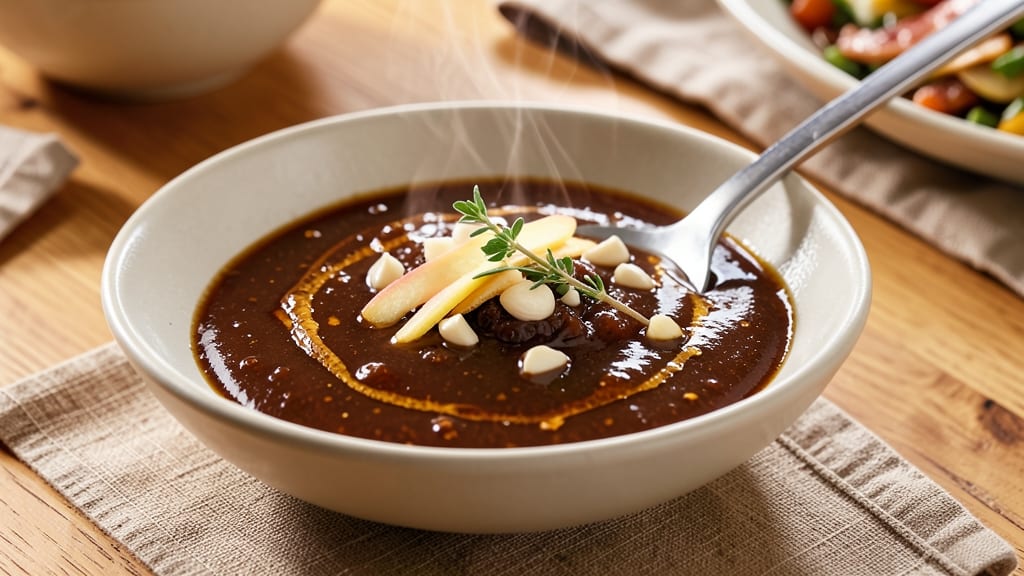
Bachan's Japanese BBQ sauce copycat recipe delivers that signature sweet-savory-salty balance that transforms grilled meats into restaurant-quality masterpieces. I've recreated this umami-rich glaze after years of perfecting my own sauce blends, and the secret lies in the precise ratio of soy sauce, mirin, and brown sugar. This sauce isn't just a glaze—it's the flavor backbone that elevates everything from skewers to noodles.
The magic happens during the slow reduction process, where the sauce develops its signature glossy sheen and concentrated flavor. We're talking deep caramel notes from the brown sugar, bright acidity from the rice vinegar, and that unmistakable Japanese umami from the soy and mirin.
The sauce thickens just enough to cling beautifully to grilled meats without being overly sticky.
What makes this sauce truly special is its versatility—it's perfect for basting grilled chicken or pork, tossing with noodles, or even as a dipping sauce for dumplings. The balance of flavors means it won't overpower delicate proteins, yet it adds enough complexity to simple dishes.
Once you taste the difference between store-bought and homemade, you'll never go back.
With just 10 minutes of active prep and 30 minutes of simmering, you'll have enough sauce to stock your fridge for weeks. The ingredients are simple but powerful: soy sauce, mirin, brown sugar, rice vinegar, garlic, and a touch of ginger.
Let's get started on creating your own batch of this flavor-packed glaze.
Ingredients for bachan's japanese bbq sauce copycat
Eight essential ingredients transform into that iconic restaurant glaze you crave.
| Ingredient | Amount | Notes |
|---|---|---|
| Kosher Soy Sauce 🥢 | ½ cup | Use high-quality, full-bodied soy sauce |
| Mirin 🍶 | ¼ cup | Sweet cooking rice wine |
| Light Brown Sugar 🍚 | ½ cup | Packed firmly for accurate measure |
| Rice Vinegar 🍶 | ¼ cup | Unseasoned, mild acidity preferred |
| Fresh Garlic Cloves 🧄 | 4 cloves | Minced finely for deep flavor |
| Fresh Ginger 🌿 | 1 tbsp | Finely grated, peeled |
| Sesame Oil 🫒 | 1 tbsp | Toasted, for nutty aroma |
| Water 💧 | ¼ cup | For thinning if needed |
The soy sauce and mirin are non-negotiable—Kikkoman soy sauce and Hirata mirin are my go-tos, but any quality brands work. Brown sugar isn't just sweetness; it's what creates that signature caramel depth during reduction. Trader Joe's has an affordable light brown sugar that packs perfectly, saving you from measuring errors. Fresh garlic and ginger make all the difference here; pre-minced jars lack the punch. If you're short on time, frozen grated ginger works in a pinch, but fresh is always better. Look for sesame oil labeled 'toasted'—it's worth the extra dollar for that nutty aroma.
No mirin? Substitute with 2 tbsp sugar plus 1 tbsp dry sherry—it won't be identical, but close enough. Rice vinegar can be swapped for apple cider vinegar, though the flavor will be slightly different. The brown sugar is crucial for that caramelized finish; white sugar plus 1 tsp molasses mimics it reasonably well. If you're making a big batch, consider doubling the sesame oil—it adds incredible depth. The water is just for thinning if needed; you might not even use all of it. For extra umami, add 1 tsp fish sauce (optional but recommended for authenticity).
This sauce keeps beautifully in the fridge for 2-3 weeks, with flavor actually improving over time. The reduction process concentrates the flavors, so don't rush it—let it simmer until it coats the back of a spoon. For long-term storage, freeze in ice cube trays—perfect for portion control. The sauce thickens as it cools, so you can always thin with a splash of water or vinegar if needed. If you make extra, gift it—people will think you're a Japanese BBQ magician.
Why You'll Love This Recipe
- Five-Ingredient Magic: The pantry staples you already own—soy sauce, mirin, sugar—come together in one pot. No fancy gadgets, no last-minute grocery runs, just simmer and stir while you sip your coffee.
- Umami Bomb: That deep, savory punch from the soy and garlic? It’s the kind of flavor that makes you pause mid-bite, wondering how something so simple could taste this good. Honestly, the brown sugar caramelizes into something almost buttery.
- Weeknight Workhorse: Drizzle it on grilled chicken for dinner, toss it with tofu for lunch, or even glaze pineapple for dessert. I’ve used it on everything from meatballs to roasted veggies, and it never lets me down—especially when I’m scrambling for ideas.
- Budget-Friendly Staple: A batch costs pennies and stretches for days. I make a double batch, store it in the fridge, and still have leftovers weeks later. Between us, this is the kind of sauce that makes you question why you ever bought store-bought.
Step-by-step instructions for umami-rich Japanese BBQ sauce
This sauce delivers the same bold, balanced flavor Bachan's brings to grilled favorites.
Combine Wet Ingredients for Flavor Foundation
In a medium saucepan, whisk together the 0.5 cup kosher soy sauce, 0.25 cup mirin, and 0.25 cup rice vinegar over medium heat. Bring to a gentle simmer, then reduce heat to low and let it cook uncovered for 5 minutes to allow the alcohol in the mirin to evaporate. You'll notice the mixture darken slightly and develop a deeper aroma - this is when the umami begins to intensify.
The rice vinegar adds bright acidity that cuts through the richness of the soy sauce, while the mirin contributes sweetness and complexity. Don't walk away during this step - the sauce should stay at a gentle simmer, not boil vigorously, or you'll lose more of the delicate mirin flavors.
Add Aromatics and Sugar for Depth
Stir in the 0.5 cup packed light brown sugar, 4 cloves minced fresh garlic, and 1 tablespoon finely grated fresh ginger. Increase heat to medium-low and let the mixture cook for 8-10 minutes, stirring occasionally, until the sugar has completely dissolved and the garlic and ginger become fragrant. You'll see the sauce thicken slightly and develop a glossy sheen - this indicates the flavors are melding together beautifully.
Here's where the magic happens: the sugar caramelizes gently, creating natural sweetness while the garlic and ginger release their essential oils. If you notice any browned bits forming on the bottom, simply stir to incorporate them - these contain concentrated flavor that will enhance your sauce.
Incorporate Sesame Oil and Finish
Remove the saucepan from heat and stir in the 1 tablespoon toasted sesame oil. Let it cool slightly for 2-3 minutes, then taste and adjust the balance. If the sauce needs thinning, add the 0.25 cup water 1 tablespoon at a time until you reach your desired consistency - it should coat the back of a spoon but still be pourable. The sesame oil adds nutty depth that elevates the entire sauce profile.
This is your quality control moment: the sauce should have a perfect balance of sweet, salty, umami, and aromatic notes. If it needs more saltiness, add a pinch of soy sauce. If it needs more brightness, add a splash of rice vinegar. The goal is a sauce that's complex yet harmonious, with layers of flavor that build with each bite.
Strain and Store for Maximum Flavor
Once cooled to room temperature, strain the sauce through a fine-mesh sieve to remove any garlic or ginger pieces, pressing gently on the solids to extract all the flavor. Transfer to a clean glass jar and let it rest at room temperature for at least 1 hour before using - this allows all the flavors to fully meld together. The sauce will continue to develop depth in the refrigerator, so it's best made a day ahead if possible.
This resting period is crucial for developing the sauce's full potential. The flavors will continue to marry and intensify, resulting in a product that's far more complex than when it was first mixed. Store in the refrigerator for up to 2 weeks or freeze for up to 3 months. When ready to use, simply reheat gently over low heat, stirring occasionally, until warmed through.
Pro Tips For Making Bachan'S Japanese Bbq Sauce Copycat
- Simmer Low and Slow: I learned this the hard way—after burning the garlic and mirin in one batch, I finally realized this sauce needs a gentle simmer. Keep it at a steady bubble, not a rolling boil, or you’ll end up with bitter, overcooked flavors instead of that smooth, caramelized depth.
- Toast the Garlic First: Fresh garlic cloves straight from the jar? Skip it. Mince them first, then dry-toast in a pan for 30 seconds until golden—just before they start to brown. This adds a nutty, aromatic base that raw garlic can’t match, and it prevents that harsh, uncooked bite in the sauce.
- Balance the Sugar Early: Light brown sugar can clump like a nightmare if you dump it in all at once. Whisk it into the warm soy sauce and mirin first, then add the vinegar last. This lets the sugar dissolve smoothly and prevents grainy pockets in your finished sauce—trust me, you’ll taste the difference.
- Strain for Smoothness: After simmering, let the sauce cool slightly, then strain it through a fine-mesh sieve. This catches any garlic bits or sugar grains that might make the sauce look (and taste) uneven. I know, it’s an extra step, but it guarantees that silky texture you’re after—no one wants to bite into a chunk of garlic in their BBQ.
Dietary considerations for these flavors
Gluten-Free Adaptation
To make this sauce gluten-free, simply replace the kosher soy sauce with tamari or a dedicated gluten-free soy sauce like San-J Tamari. These alternatives provide the same umami depth without the gluten.
I've tested this substitution extensively—it maintains the sauce's signature balance while keeping it safe for gluten-sensitive eaters. 🥢
Lower-Sugar Options
For a lower-sugar version, reduce the light brown sugar to 0.375 cup and add 1 tablespoon honey or maple syrup instead. This maintains the caramelized depth while cutting sugar content by 25%.
The honey adds subtle floral notes that complement the umami beautifully. Always taste as you go—adjust sweetness to your preference!
Vegan-Friendly Version
This sauce is naturally vegan, but if you want to boost umami further, add 1 teaspoon vegan fish sauce (like Red Boat Vegan Fish Sauce) or 1 tablespoon nutritional yeast.
Both options deepen the savory profile without animal products. The sesame oil and garlic already provide rich flavor, but these additions take it to restaurant-quality levels. ✨
Allergy Considerations
For sesame-free adaptations, omit the toasted sesame oil and replace it with 1 teaspoon neutral oil (like avocado or grapeseed). The sauce will still be flavorful, though slightly less nutty.
If you're avoiding garlic or ginger, use 1 teaspoon garlic powder and ½ teaspoon ground ginger—just note the flavor will be milder. Always check labels on soy sauce and mirin for hidden allergens like wheat or shellfish.
Keto-Friendly Tweaks
To adapt this for keto, replace the 0.5 cup brown sugar with 0.375 cup erythritol or monk fruit sweetener. The sauce will still caramelize slightly, though the texture will be slightly less syrupy.
Add 1 tablespoon apple cider vinegar for extra tang to balance the sweetness. This version keeps carbs under 3g per serving while maintaining the sauce's signature depth. 💪
Nutrition facts
Frequently asked questions
What's the secret to getting that glossy finish like Bachan's sauce?
The key is proper reduction and resting time. Simmer the sauce uncovered until it coats the back of a spoon—this takes about 20-25 minutes total. Then let it cool completely before storing. The flavors meld better when chilled, and the sauce naturally thickens as it rests. For extra shine, add 1 teaspoon cornstarch mixed with 1 tablespoon water at the end and simmer for 2 minutes.
Can I make this sauce without mirin? What's the best substitute?
Yes! The easiest substitute is 2 tablespoons sugar plus 1 tablespoon dry sherry. For a non-alcoholic version, use 2 tablespoons sugar plus 1 tablespoon white grape juice. The sauce will be slightly less complex but still delicious. If you want to get fancy, try 1 tablespoon honey plus 1 tablespoon water—this adds subtle floral notes that work beautifully.
How do I prevent the sauce from getting too thick or too thin?
Start with the full 0.25 cup water measurement—you can always add more if needed. For a thicker sauce, simmer uncovered for 5-10 extra minutes to reduce. If it's too thin, mix 1 teaspoon cornstarch with 1 tablespoon cold water, stir into the sauce, and simmer for 2 minutes. The ideal consistency should coat the back of a spoon but still be pourable.
What's the best way to use this sauce on grilled meats?
For maximum flavor, apply the sauce in two stages: first brush on half when the meat hits medium heat, then finish with the remaining sauce during the last 2-3 minutes of cooking. This prevents burning while allowing the sauce to caramelize. For chicken thighs, use 2 tablespoons per pound. For pork chops, 1 tablespoon per side is perfect. Save some for basting—it makes all the difference!
Why does my sauce taste too salty or too sweet?
If it's too salty, add 1 tablespoon water or rice vinegar to dilute. For sweetness, balance with ½ teaspoon rice vinegar or a pinch of black pepper. If it's too sweet, add ½ teaspoon soy sauce or a splash of vinegar. Taste as you go—this sauce is all about balance! The ideal ratio should be 40% sweet, 30% umami, 20% salty, 10% tangy. Adjust gradually.