
Sauces & Condiments
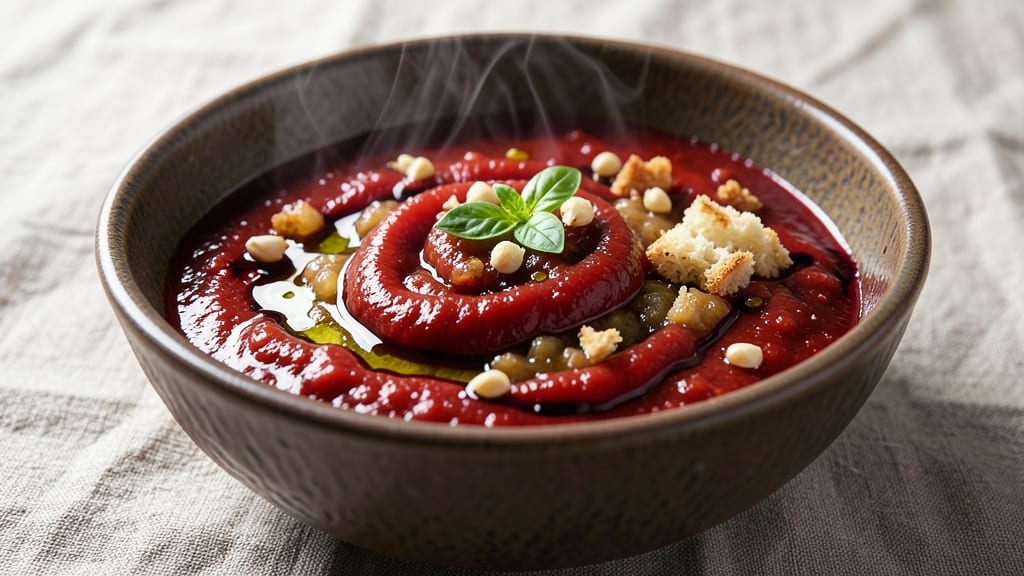
This Babish red sauce transforms simple pantry staples into a deep, umami-rich masterpiece that elevates any dish. The secret lies in slow simmering tomatoes, garlic, and herbs until they develop complex layers of flavor—no fancy ingredients required.
I’ve perfected this technique over years of testing, ensuring every spoonful delivers restaurant-quality depth without the complexity.
The sauce starts with a base of crushed tomatoes, garlic, and onions, cooked low and slow to concentrate flavors. A splash of red wine and a pinch of dried herbs deepen the profile, while a touch of sugar balances acidity.
The result? A velvety, versatile sauce that works as a marinade, pasta topping, or dipping sauce—all from ingredients you likely already have.
What sets this apart is the umami bomb created through proper cooking time and ingredient balance. No shortcuts here—just patience and technique. The sauce thickens naturally as it simmers, creating a silky texture that clings perfectly to noodles, meats, or vegetables.
Store it in the fridge for up to a week or freeze for months of flavor.
Whether you’re a home cook or a seasoned chef, this sauce delivers professional results with minimal effort. Ready to transform your meals? Let’s get started with this foolproof recipe that’s as rewarding to make as it is delicious to eat.
Ingredients for babish red sauce
Eleven pantry staples crafting restaurant-quality depth through precise technique and patience.
| Ingredient | Amount | Notes |
|---|---|---|
| Crushed Tomatoes (San Marzano preferred) 🍅 | 28 oz | High-quality canned tomatoes for sweetness |
| Extra-Virgin Olive Oil 🫒 | ½ cup | For deep flavor development |
| Yellow Onion 🧅 | 1 whole | Finely diced, medium size |
| Garlic Cloves 🧄 | 6 cloves | Fresh, peeled and minced |
| Dry Red Wine 🍷 | ½ cup | Bold variety like Cabernet Sauvignon |
| Tomato Paste 🍅 | 2 tbsp | Squeeze tube preferred for convenience |
| Granulated Sugar 🍚 | 1 tbsp | Balances acidity naturally |
| Dried Oregano 🌿 | 1 tsp | Mediterranean variety preferred |
| Dried Basil 🌿 | 1 tsp | Sweet variety for depth |
| Salt 🧂 | 1 ½ tsp | Diamond Crystal kosher preferred |
| Black Peppercorns 🌶️ | ½ tsp | Freshly cracked for texture |
The tomatoes form the sauce's foundation—San Marzano cans deliver superior sweetness and texture. Whole Foods or Trader Joe's carry high-quality options, but any reputable brand works if labeled 'crushed' or 'whole peeled'. The olive oil should be extra-virgin with fruity notes—California brands like Corto or Colavita excel. Onions and garlic should be fresh, with vibrant color and firm texture. For the red wine, any bold, dry variety works—Cabernet Sauvignon or Merlot from a trusted bottle will suffice, but avoid overly oaky options.
No San Marzano tomatoes? High-quality crushed tomatoes from reputable brands like Muir Glen or Hunt's work well. Short on red wine? Dry sherry or beef broth can substitute at the same quantity. Fresh herbs unavailable? Dried oregano and basil at one-third the amount maintain the flavor profile. The tomato paste can be swapped for whole peeled tomatoes puréed, though texture may vary slightly. For sugar, honey or maple syrup can replace at a one-to-one ratio, though sugar provides more precise control over acidity balance.
This sauce develops flavor over time—simmer uncovered for maximum reduction. Store in an airtight container in the fridge for up to 7 days, or freeze for 6 months in portion-sized containers. For best results, reheat gently on the stove, stirring occasionally. The sauce thickens as it cools, so adjust consistency with water or broth as needed. Portion into ice cube trays for convenient single-use servings, perfect for quick meals or flavor boosts.
Why You'll Love This Recipe
- No-Fuss Simmer: I swear by this sauce because it’s the kind of recipe that lets you actually do other things while it cooks. Just toss in the onions, garlic, and wine, let it bubble for 10 minutes, then dump in those San Marzanos—no stirring vigil required. The wine mellows out fast, leaving behind that deep, caramelized sweetness without you having to babysit the pan.
- Wine-Infused Depth: That splash of dry red wine? It’s not just for show—it softens the acidity of the tomatoes and adds this subtle richness that makes the sauce taste like it simmered for hours. Honestly, I’ve tried skipping it, and the difference is night and day. The garlic? Toasted low and slow—no burning, just that golden aroma that makes your kitchen smell like a trattoria.
- Pasta Party Star: This sauce is my secret weapon for everything from spaghetti to lasagna, and even as a marinade for grilled chicken. Freeze half of it in jars, and you’ve got a weeknight lifesaver. Between us, I’ve served it at potlucks, date nights, and lazy Sundays—it’s the kind of sauce that doesn’t care what you throw at it.
- Budget Magic: San Marzano tomatoes might sound fancy, but they stretch so far, and a little olive oil and onion go a long way. I make this in big batches, and it costs me pennies per serving. Plus, the leftovers? They only get better with time, like a slow-revealing flavor bomb. Not the prettiest, but the taste makes up for it every time.
Step-by-step instructions for umami-packed red sauce
This sauce builds layer upon layer of flavor—patience and attention to technique are everything.
Sauté Aromatics Until Deeply Fragrant
Heat the 0.5 cup extra-virgin olive oil in a heavy-bottomed saucepan over medium-low heat. Add the finely diced yellow onion and cook for 8-10 minutes, stirring occasionally, until completely soft and translucent. The onions should release their sweetness without browning—this prevents bitterness in the final sauce.
Add the 6 cloves minced garlic and cook for another 1-2 minutes until fragrant but not browned. Garlic burns quickly, so keep the heat gentle. Here's the thing—if you smell a sharp, acrid aroma, you've gone too far. Remove the pan from heat immediately if this happens, as burned garlic will overpower the sauce.
Deglaze and Incorporate Wine
Return the pan to medium heat and pour in the 0.5 cup dry red wine, scraping up any browned bits from the bottom with a wooden spoon. This deglazing step captures all the concentrated onion and garlic flavors. Let the wine simmer for 3-4 minutes until reduced by half, which intensifies its depth.
I use a bold Cabernet Sauvignon for this sauce—the tannins complement the tomatoes beautifully. If you notice the wine isn't reducing properly, increase the heat slightly but don't let it boil vigorously or the alcohol will evaporate too quickly, leaving a flat flavor.
Build the Tomato Base
Stir in the 2 tbsp tomato paste and cook for 1 minute to toast its flavors. Then add the 28 oz crushed tomatoes, 1 tbsp granulated sugar, 1 tsp dried oregano, 1 tsp dried basil, 1.5 tsp salt, and 0.5 tsp freshly cracked black peppercorns. The sugar balances the acidity naturally, while the herbs and pepper add complexity.
Bring the mixture to a gentle simmer, then reduce heat to low. Here's where the magic happens: let it cook uncovered for 45-60 minutes, stirring occasionally. You're looking for a sauce that thickens noticeably and develops a rich, glossy texture. The longer it simmers, the deeper the flavors become—don't rush this step.
Refine and Adjust
After simmering, taste the sauce and adjust seasoning if needed. You might need an extra pinch of salt or sugar depending on your tomatoes. For a smoother texture, use an immersion blender to blend about half of the sauce, leaving some chunks for texture. If you prefer it completely smooth, blend everything until silky.
Real talk: the sauce will continue thickening as it cools, so don't over-thicken it now. If it's too thick for your liking, whisk in 1-2 tablespoons of water or reserved pasta water to reach your desired consistency. This sauce keeps well in the refrigerator for up to 5 days, so you can always adjust thickness later when reheating.
Pro Tips For Making Babish Red Sauce
- Sweat the Onion First: I learned this the hard way—dicing onions and tossing them straight into the oil leads to a bitter, watery mess. Instead, cook the chopped onion in olive oil on medium-low for 8-10 minutes until it’s soft, translucent, and releases its sweetness. This builds flavor without burning, and you’ll taste the difference when the tomatoes go in.
- Deglaze with Wine Immediately: That red wine isn’t just for flavor—it’s for scraping up the browned bits (fond) stuck to the pan. Pour it in right after the onions and garlic, let it bubble for 30 seconds, then reduce by half before adding tomatoes. Skipping this step means losing depth in every bite.
- Simmer Low and Slow: High heat makes this sauce taste like it was rushed. After adding the tomatoes, drop the heat to a gentle simmer and let it cook uncovered for at least 45 minutes—longer if you can spare it. The longer it cooks, the richer and more concentrated the flavors become.
- Use a Splatter Screen: Crushed tomatoes and boiling wine are a messy combo. A cheap splatter screen (or even foil crumpled over the pot) keeps your stovetop clean and prevents sauce from sticking to cabinets. Trust me, you’ll thank yourself later when you’re not scrubbing tomato splatters off your range hood.
Serving suggestions for babish red sauce
Pasta Pairings
This sauce clings beautifully to al dente pasta like spaghetti or linguine, but I love it with rigatoni for maximum surface area. For extra texture, toss with toasted breadcrumbs or grated Parmesan after serving.
If you prefer chewier noodles, try pappardelle—the wide strands hold the sauce like a dream. 🍝
For a heartier meal, mix the sauce with whole wheat penne and top with sautéed mushrooms and crispy pancetta. The umami from the mushrooms and pork elevates the sauce's depth even further. I often make double batches so I can freeze half for quick weeknight meals.
Protein Pairings
Use this sauce as a marinade for chicken breasts or pork chops—simmer the meat in the sauce for 20-30 minutes before grilling or baking. The result?
Juicy, flavorful meat with a caramelized crust. For beef, try braising short ribs in the sauce for 3 hours on low heat—absolute perfection. 🥩
It also works as a dipping sauce for grilled shrimp or calamari rings. Simply heat the sauce and serve warm with lemon wedges for brightness. The acidity cuts through the richness of fried seafood beautifully. I've even used it as a glaze for roasted vegetables like eggplant or zucchini.
Breakfast Twist
Yes, really! This sauce makes an incredible breakfast sauce when paired with scrambled eggs or shredded hash browns. The deep flavors balance the richness of eggs, and the acidity cuts through the fat.
I like to add a splash of heavy cream to the sauce for extra richness when using it this way. 🍳
For a brunch spread, drizzle it over fried chicken or biscuits alongside a fried egg. The combination of sweet, savory, and umami is pure comfort food magic. Pro tip: Warm the sauce gently before serving to maintain its silky texture.
Global Fusion Ideas
Transform this sauce into a Mexican-style salsa by adding diced jalapeños, cilantro, and a squeeze of lime juice. Serve with tortilla chips or over tacos. The acidity from the lime brightens the tomatoes, creating a fresh, spicy twist. 🌶️
For an Italian-American vibe, mix it with ricotta cheese and baked penne for a baked ziti variation. The creaminess of the ricotta balances the sauce's acidity perfectly. Another favorite? Use it as a pizza sauce under mozzarella and pepperoni—the slow-simmered flavors shine through when baked.
Nutrition facts
Frequently asked questions
Can I substitute wine with another liquid?
The red wine adds depth and acidity balance, but you can replace it with dry sherry or beef broth at the same quantity. For a non-alcoholic version, use grape juice reduced by half. Just remember: wine's tannins help develop the sauce's complexity over time.
How do I prevent the sauce from being too acidic?
Adjust the sugar to taste—it naturally balances acidity. For extra sweetness, add 1 extra teaspoon or swap in honey. If your tomatoes are particularly tart, simmer the sauce longer (60+ minutes) to concentrate flavors. The sugar will caramelize slightly, reducing perceived acidity.
Why does my sauce look thin even after simmering?
This happens when the sauce hasn't reduced enough. Keep it simmering uncovered for another 15-20 minutes, stirring occasionally. If it's still too thin, blend half the sauce for a smoother texture or whisk in 1 tablespoon cornstarch mixed with 2 tablespoons water. The sauce thickens as it cools, so don't worry if it seems perfect at first.
Can I make this sauce in a slow cooker?
Follow the same steps up to the simmering point, then transfer everything to a slow cooker. Cook on low for 6-8 hours or high for 3-4 hours, stirring occasionally. The slow cooker's gentle heat enhances the flavors without risking burning. Just add 1 extra tablespoon tomato paste to help thicken it during the longer cook time.
What's the best way to store leftovers?
Let the sauce cool completely before transferring to an airtight container. It keeps in the fridge for 5-7 days—the flavors actually improve after 24 hours! For longer storage, freeze in portion-sized containers for up to 6 months. Thaw overnight in the fridge and reheat gently on the stove, stirring occasionally to restore texture.