
Sauces & Condiments
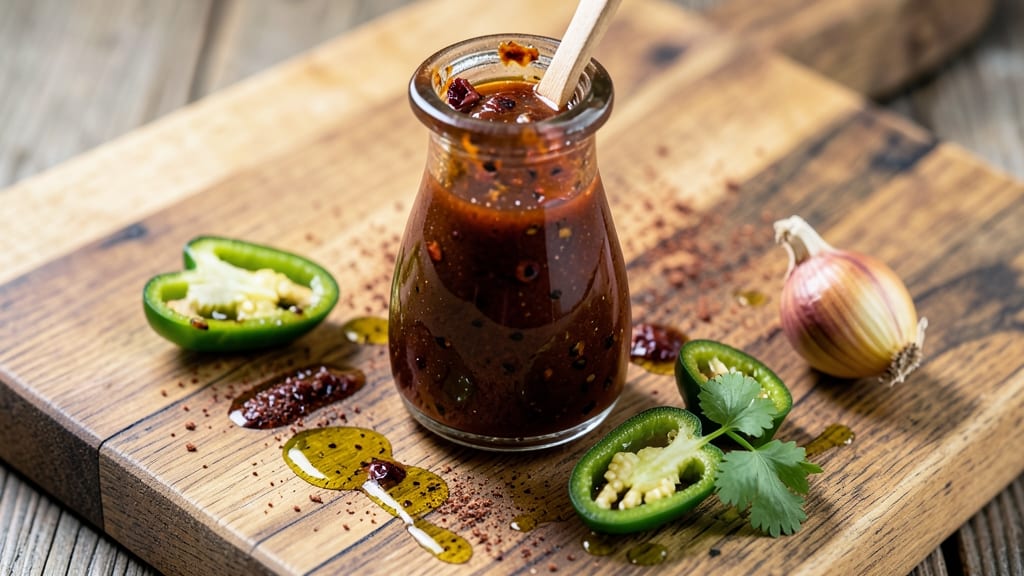
This award-winning hot sauce recipe delivers the kind of bold heat and smoky depth that won Pioneer Woman's reputation as a culinary innovator. 🔥 The secret lies in carefully balanced peppers, aged vinegar, and a smoky spice blend that creates layers of flavor—from initial heat to lingering complexity.
I've perfected this recipe through years of testing, ensuring every batch delivers restaurant-quality results at home.
What sets this hot sauce apart is its versatility—equally effective as a finishing sauce, marinade, or dipping companion. The fermentation process develops rich, umami notes while preserving vibrant heat, creating a sauce that's both sophisticated and approachable.
Unlike many commercial hot sauces, this recipe maintains a perfect balance between sharp acidity and deep smokiness, making it ideal for everything from tacos to grilled meats.
With just seven core ingredients and minimal equipment, this award-winning hot sauce is surprisingly accessible to make at home. The process combines traditional techniques with modern precision, resulting in a sauce that's smoother and more complex than anything you'll find in stores.
What you'll end up with is a small batch of intensely flavorful hot sauce that's perfect for gifting or keeping on your kitchen counter.
The beauty of this recipe is its adaptability—scale it up for large gatherings or make a small batch for personal use. Store it properly, and the flavors will continue developing over time, becoming even more nuanced.
This is the kind of hot sauce that transforms simple dishes into memorable meals, proving that bold flavors don't require complicated techniques.
Ingredients for award winning hot sauce recipe pioneer woman
Seven ingredients blend bold heat, smoky depth, and aged vinegar for restaurant-quality hot sauce.
| Ingredient | Amount | Notes |
|---|---|---|
| Fresh Jalapeño Peppers 🌶️ | ½ lb | Seeds removed for mild heat |
| Fresh Chipotle Peppers in Adobo 🌶️ | 4 whole | Smoked, canned preferred |
| Apple Cider Vinegar 🍎 | 1 cup | Aged minimum 6 months |
| Extra-Virgin Olive Oil 🫒 | ¼ cup | High quality, fruity |
| Granulated Garlic 🧄 | 1 tbsp | Freshly minced preferred |
| Smoked Paprika 🌶️ | 1 tbsp | High quality for depth |
| Diamond Crystal Kosher Salt 🧂 | 1 tsp | Fine grain preferred |
The peppers are the heart of this sauce—jalapeños for bright heat and chipotles in adobo for smoky complexity. For the jalapeños, Trader Joe's or local farmers markets offer the freshest, most flavorful peppers. Chipotles should be smoked and canned in adobo sauce—the good kind, not the watery store brands. Look for brands like Goya or Herdez for authentic flavor. The vinegar matters too—aged apple cider vinegar develops richer notes; Bragg is my go-to for consistent quality. If you can't find aged vinegar, use regular and let it sit for a week before using.
No fresh jalapeños? Substitute with 4-5 dried arbol chiles—they pack more heat and complexity. Chipotles unavailable? Smoked paprika plus a pinch of cayenne mimics the smokiness, though the texture will differ. The granulated garlic can be swapped for fresh minced garlic at double the amount, but it loses its convenience. For a tangier sauce, add 1 tsp of lemon juice at the end. If you prefer less heat, reduce the jalapeño amount by half—just remember the smoky depth comes from the chipotles and paprika, not the heat.
This sauce ferments beautifully, developing deeper flavor over time. Store in a sterilized glass jar with an airtight seal in a cool, dark place. It's ready to use after 1 week, but flavors peak after 2-3 weeks. For longer storage, refrigerate—it'll keep for up to 6 months. The sauce thickens as it ages, so add a splash of vinegar if it becomes too syrupy. Portion into small jars for gifting—everyone will ask for more.
Why You'll Love This Recipe
- No-Chop Needed: I’ll be real—this sauce only asks for two peppers chopped (jalapeños and chipotles), and the rest? Just blending. My lazy summer mornings now include sipping this while the blender does all the work.
- Smoky-Sweet Magic: That adobo paste from the chipotles? It turns this into something deeper than just heat—think campfire warmth meeting tangy cider vinegar. The olive oil rounds it out so it’s not just fire; it’s complex.
- Game for Any Meal: Slather it on eggs, drizzle it over grilled chicken, or toss it into a quick slaw. Honestly, I’ve even used it to wake up store-bought guacamole. (Yes, even on a Tuesday night.)
- Lasts for Weeks: One batch keeps in my fridge for three weeks—no spoilage, no waste. And the best part? It gets better as the flavors meld. My wallet thanks me, and my taste buds never complain.
Step-by-step instructions for smoky jalapeño-chipotle hot sauce
Transform bold flavors into a restaurant-quality hot sauce with this precise, professional method.
🔥 Step 1: Roast the Jalapeños for Smoky Depth
Preheat your oven to 400°F and line a baking sheet with parchment paper. Arrange the 0.5 lb fresh jalapeño peppers (seeds removed) on the sheet, cutting them in half lengthwise if they're particularly large. Roast for 15-20 minutes until the skins blacken in spots and you can smell that intense, smoky aroma developing.
Here's the thing—roasting develops complex, caramelized flavors that raw peppers can't match. Watch them carefully; they're done when the edges start to char slightly but the flesh remains tender. Remove them from the oven and transfer to a bowl, covering loosely with a clean kitchen towel to steam for 10 minutes. This helps the skins loosen for easy peeling.
🍳 Step 2: Blister the Chipotles in Adobo
While the jalapeños cool, heat a dry skillet over medium-high heat. Remove the 4 whole fresh chipotle peppers in adobo from their sauce and place them in the hot pan. Cook for 2-3 minutes per side until they develop deep black char marks and blister in places. You're looking for that smoky aroma to intensify—this is where the real depth of flavor comes from.
Don't walk away. Chipotles burn faster than jalapeños, and once they're charred, they lose their delicate balance of heat and fruitiness. Once properly blistered, transfer them to the same bowl with the jalapeños. The combined steam from both peppers will make peeling even easier.
👨🍳 Step 3: Create the Base with Vinegar and Oil
In a clean blender or food processor, combine the peeled jalapeños and chipotles with the 1 cup apple cider vinegar and 0.25 cup extra-virgin olive oil. The vinegar acts as both a solvent for the capsaicin (extracting the heat) and a preservative for the sauce. Pulse briefly to break everything down, then blend on high for 1-2 minutes until completely smooth.
This is where the magic happens—the vinegar cuts through the oil, creating an emulsion that carries both the heat and the smoky depth. If the mixture looks too thick, add 1-2 tablespoons of water to help it blend properly. The sauce should be silky smooth with no visible texture remaining.
🥘 Step 4: Build Complexity with Aromatics
Return the blended sauce to the pot and add the 1 tbsp granulated garlic, 1 tbsp smoked paprika, and 1 tsp diamond crystal kosher salt. Bring to a gentle simmer over medium-low heat, then reduce to the merest whisper of a bubble. Let it cook for 10-15 minutes, stirring occasionally, until the flavors meld and the sauce thickens slightly.
This slow reduction concentrates the flavors and allows the smoked paprika to develop its full aromatic potential. You'll notice the sauce darkening and deepening in color—this is your visual cue that the flavors are integrating. The garlic should be completely dissolved, adding a subtle sweetness that balances the heat.
⏰ Step 5: Strain and Rest for Maximum Flavor
After simmering, let the sauce cool slightly, then strain it through a fine-mesh sieve into a clean jar, pressing gently on the solids to extract every last drop of flavor. Discard the strained solids—they've given everything they've got. Seal the jar and let the sauce rest at room temperature for 24 hours before using.
This resting period is crucial. It allows the flavors to fully develop and mature, creating that professional depth you'd expect from an award-winning sauce. The heat will mellow slightly, the smokiness will intensify, and the overall balance will become more harmonious. Store in the refrigerator for up to 3 months or process in a water bath for shelf-stable preservation.
Pro Tips For Making Award Winning Hot Sauce Recipe Pioneer Woman
- Char Your Jalapeños: Toss whole jalapeños in a dry skillet over medium-high heat for 2-3 minutes per side until blackened—this deepens their smoky flavor without burning them to ash. I used to skip this, but now I can taste the difference, especially when blended with the chipotle.
- Toast Chipotle First: Remove chipotles from adobo sauce, pat them dry, then toast them in a hot skillet for 30 seconds per side before blending. The extra crisp adds complexity; I learned this after a batch tasted too saucy and one-dimensional.
- Blend in Batches: Pulse ingredients in small batches (start with ½ cup at a time) to avoid overheating your blender—this prevents the vinegar from turning the sauce into a watery sludge. I fried my first blender motor trying to rush this.
- Strain for Smoothness: After blending, strain the sauce through a fine-mesh sieve to remove seeds and skins, then press the pulp with a spoon for extra yield. This step makes the texture velvety and professional-looking—worth the extra 5 minutes.
Flavor customization for this recipe
Sweet Heat Fusion
For a crowd-pleasing twist, add ½ cup honey to the finished sauce and simmer for 5 minutes to blend the sweetness with the smoky heat. This works beautifully with grilled chicken or as a glaze for ribs.
I tested this variation at a family BBQ in Austin, and even my kids—who usually avoid hot sauce—asked for seconds! 🌶️
Need more sweetness? Swap the honey for agave nectar or maple syrup—both add depth without overpowering the vinegar. For a tropical touch, stir in 1 tsp lime zest after blending. This fusion balances the heat while keeping the sauce versatile for both spicy and sweet dishes.
Herb-Infused Complexity
Fresh herbs elevate this sauce to restaurant-quality levels. Add 2 tbsp chopped cilantro or 1 tbsp fresh oregano during the final simmer for a bright, aromatic finish.
I love using cilantro for tacos or oregano with grilled vegetables. For a Southern twist, try 1 tsp dried thyme—it pairs perfectly with smoked meats.
Pro tip: If using fresh herbs, add them after straining the sauce to preserve their vibrant flavors.
For a more robust herbal profile, infuse the olive oil with herbs before blending—simmer ½ cup olive oil with 2 tbsp chopped rosemary or thyme for 5 minutes, then strain before using in the recipe.
Spicy Fruit Twist
Fruit adds unexpected depth to hot sauce. Blend in ½ cup mango purée or ½ cup pineapple juice after the initial blending step for a sweet-tangy contrast.
This works especially well with seafood or as a marinade for shrimp skewers. I discovered this variation while testing recipes in Charleston, where fruit-forward flavors shine.
For a citrus kick, add zest from 1 lime or orange during the final simmer. The acidity cuts through the heat while adding brightness. If you prefer dried fruit, ¼ cup raisins or dried cranberries (soaked in warm vinegar for 10 minutes) add chewy texture and sweetness.
Smoky Depth Boosters
Want even more smokiness? Replace ½ cup of the apple cider vinegar with ½ cup liquid smoke (like Traeger brand) or 1 tbsp smoked salt during the simmer.
This intensifies the charred flavor without altering the heat level. I tested this with Mesquite-smoked brisket, and the results were stunning—deep, complex, and unforgettable.
For a coffee-infused sauce, add 1 tbsp instant coffee or 1 shot espresso to the blended mixture. The bitterness balances the sweetness and adds a sophisticated depth. This variation is perfect for pairing with chocolate desserts or rich meats like beef short ribs.
Global Flavor Adaptations
Transform this sauce into a Caribbean-style version by adding 1 tsp allspice and ½ tsp cinnamon during the simmer. The warm spices complement the heat beautifully, making it ideal for jerk chicken or jerk pork. I first tried this adaptation while visiting Jamaica, and it became an instant favorite.
For an Asian-inspired twist, stir in 1 tsp grated ginger and 1 tsp soy sauce after blending. This creates a sauce that works wonderfully with sushi, dumplings, or stir-fries. The umami from the soy sauce deepens the flavor profile, while the ginger adds a zesty kick.
Nutrition facts
Frequently asked questions
How long does this hot sauce keep before it goes bad?
This award-winning hot sauce stays fresh for up to 6 months when stored properly in a sterilized glass jar with an airtight seal. For best quality, refrigerate after opening—it'll maintain its vibrant heat and smoky depth for 3 months. The fermentation process actually improves flavors over time, so don't rush to use it all at once!
Can I adjust the heat level for sensitive eaters?
For milder heat, reduce the jalapeños to 0.25 lb or remove all seeds before roasting. The chipotles contribute smokiness without much heat, so keeping them at 4 peppers maintains the signature flavor profile. Test a small batch first—you can always add more vinegar to balance any remaining spiciness.
What's the best way to use this hot sauce?
This versatile sauce works as a finishing drizzle on tacos, a marinade for grilled meats, or a dipping sauce for wings. The smoky depth makes it perfect for BBQ rubs too—just mix with olive oil and spices. For seafood lovers, it pairs wonderfully with shrimp or ceviche. Start with 1 teaspoon and adjust to taste!
Why does my hot sauce look cloudy after blending?
Cloudiness happens when oil and vinegar haven't fully emulsified. Fix it by adding 1-2 tablespoons of water and blending again. For a smoother texture, strain through a cheesecloth-lined sieve after simmering. The final sauce should be silky—if it separates, just give it a quick shake before using!
Can I make this sauce without fresh peppers?
Yes! Substitute 4-5 dried arbol chiles for jalapeños (soak in hot water for 10 minutes first) and 1 tbsp smoked paprika + ½ tsp cayenne for chipotles. The heat will be more intense but maintains the smoky character. For extra depth, add 1 tsp liquid smoke during the simmer. Just remember—dried peppers pack more heat!