
Sauces & Condiments
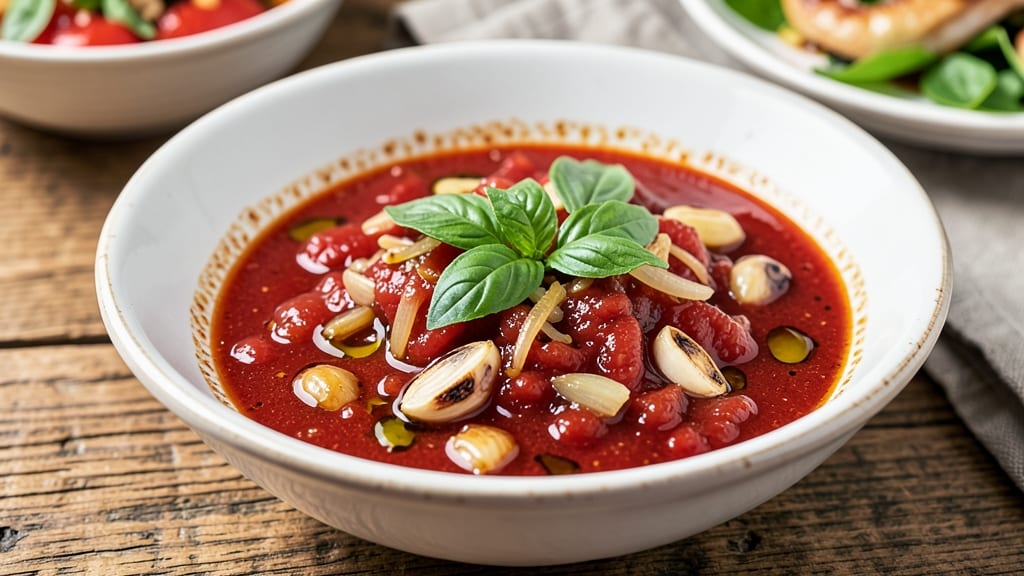
This authentic vodka sauce recipe with fresh tomatoes delivers the bright, herby, and silky texture that makes Italian-American classics unforgettable. The vodka deglazes the pan and lifts the natural sweetness of tomatoes, while garlic, onions, and basil create depth that store-bought sauces can’t match.
I’ve perfected this version to stay true to tradition while adapting for home cooks—no fancy techniques, just layered flavor in 30 minutes.
The secret lies in simmering the sauce low and slow, allowing the vodka to cook off while intensifying the tomato flavor. Fresh basil and a touch of red pepper flakes add that signature brightness, balancing the richness without overpowering.
This isn’t just a sauce—it’s the foundation for perfect pasta, lasagna, or even as a marinade for grilled meats. The result? A velvety, aromatic sauce that clings to every strand of pasta like it was made in a Neapolitan kitchen.
What sets this apart is the balance of acidity and sweetness—the vodka cuts through the tomatoes while preserving their natural vibrancy. No canned tomatoes here; fresh ones ensure a fresher taste and a smoother texture.
The sauce thickens beautifully as it simmers, creating that signature silky consistency without relying on heavy cream. The best part? It tastes even better the next day, making it ideal for meal prep.
Whether you’re tossing it with spaghetti, layering it in a casserole, or using it as a dipping sauce for crusty bread, this vodka sauce delivers restaurant-quality results at home.
The recipe is designed to be adaptable—swap in sun-dried tomatoes for extra depth or add a splash of balsamic for complexity. Let’s make sauce that stands out.
Ingredients for authentic vodka sauce recipe fresh tomatoes
Fresh tomatoes and vodka create this velvety sauce—authentic Italian flavor in a simple blend.
| Ingredient | Amount | Notes |
|---|---|---|
| Fresh Tomatoes 🍅 | 2 lbs | Roma or vine-ripened, chopped |
| Vodka 🍸 | ½ cup | High-quality, 40% ABV |
| Extra-Virgin Olive Oil 🫒 | ¼ cup | For richness and balance |
| Yellow Onion 🧅 | 1 whole | Finely chopped, sweet variety |
| Garlic Cloves 🧄 | 6 cloves | Minced, fresh preferred |
| Fresh Basil Leaves 🌿 | 1 cup | Packed, stems removed |
| Red Pepper Flakes 🌶️ | 1 tsp | Adjust for heat preference |
| Salt 🧂 | 1 ½ tsp | Diamond Crystal preferred |
| Black Pepper 🌶️ | ½ tsp | Freshly ground preferred |
| Granulated Sugar 🍚 | 1 tbsp | Balances acidity naturally |
The tomatoes are non-negotiable for that bright, fresh flavor. Roma tomatoes from Trader Joe's or your local farmers market work best—they're meaty and less watery than other varieties. If you can't find fresh, San Marzano canned tomatoes are the next best thing, but they won't have the same freshness. The vodka should be good quality—Smirnoff No. 21 or Grey Goose work well, but any neutral vodka will do. Fresh basil is ideal, but if you're using dried, reduce to one-third the amount and toast it lightly in the oil first for deeper flavor. The red pepper flakes add just enough heat to balance the sweetness without overpowering.
No vodka? White wine or apple cider vinegar can substitute at the same amount, though the flavor will be slightly different. Running short on fresh tomatoes? Sun-dried tomatoes (oil-packed) work beautifully—just chop them finely and use half the quantity. The sugar helps balance the acidity from the tomatoes and vodka, but if you're using very sweet tomatoes, you can reduce it to 1 teaspoon. For extra depth, a pinch of ground cinnamon or nutmeg adds warmth that pairs perfectly with the vodka's sharpness. The olive oil should be extra-virgin—it makes a noticeable difference in the sauce's richness.
This sauce tastes even better the next day as the flavors meld together. Store it in an airtight container in the fridge for up to 5 days, or freeze in ice cube trays for 3 months—perfect for quick pasta nights. The sauce thickens as it cools, so you can thin it with a splash of water or pasta water when reheating. I always make a double batch because it disappears fast—great for meal prep or gifting. If you're using it for lasagna, assemble it the day before and bake it fresh for the best texture.
Why You'll Love This Recipe
- No Chopping Hassle: I swear by this sauce because it’s the one time I actually enjoy prep—just dump whole tomatoes, onions, and garlic into a pot with vodka. The heat does all the work while I sip my coffee.
- Umami Bomb: That vodka isn’t just for drinking—it deepens the tomato flavor into something rich and complex, like a sun-ripened secret. The olive oil ties it all together with a silky finish that’s dangerously good on pasta.
- Pantry Staple Power: Between us, this sauce is my go-to for lazy nights, potlucks, or when I’m too tired to order takeout. It freezes like a dream, so I make a big batch and thank myself later.
- Budget Magic: Fresh tomatoes and a bottle of vodka stretch farther than you’d think. Honestly, I’ve fed six people for under $10 with this—plus, the leftovers taste just as fresh the next day.
Step-by-step instructions for authentic vodka sauce with fresh tomatoes
Here's how to craft a vibrant, balanced vodka sauce that captures Italian tradition while delivering silky texture and bright flavor.
Sweat the Onion and Garlic for Flavor Foundation
Heat the 0.25 cup extra-virgin olive oil in a large, deep saucepan over medium-low heat. Add the finely chopped yellow onion and cook for 8-10 minutes until completely translucent and just beginning to soften. This slow cooking develops sweetness without browning.
Add the 6 minced garlic cloves and cook for another 30 seconds until fragrant but not colored. The garlic should perfume the oil without burning—this is your signal to proceed. Remove the pan from heat momentarily while you prepare the tomatoes, as garlic burns quickly at high heat.
Simmer Tomatoes Until Broken Down
Return the pan to medium heat and add the 2 lbs chopped fresh tomatoes. Stir well to combine with the onion and garlic. Sprinkle with 1.5 tsp salt, 0.5 tsp black pepper, and 1 tbsp granulated sugar. The sugar helps balance the acidity of the tomatoes while they cook down.
Bring the mixture to a gentle boil, then reduce heat to medium-low and simmer uncovered for 15-20 minutes. Stir occasionally to prevent sticking. You're looking for the tomatoes to break down completely into a thick, rustic sauce with minimal chunks remaining. The sauce should reduce by about one-third in volume.
Add Vodka for Depth and Alcohol Burn-Off
Pour in the 0.5 cup vodka all at once and stir vigorously. The alcohol will sizzle briefly as it burns off—this is normal and essential for developing the sauce's signature character. Return heat to medium and continue simmering for 5-7 minutes until the vodka aroma completely dissipates.
This step is where the sauce transforms from ordinary tomato sauce to something special. The vodka's high proof ensures all traces burn off, leaving behind just the subtle, clean flavor that brightens the dish without overpowering it. Don't rush this stage—wait until the alcohol smell is completely gone before proceeding.
Finish with Fresh Basil and Red Pepper Flakes
Remove the sauce from heat and stir in the 1 cup fresh basil leaves and 1 tsp red pepper flakes. Let the mixture steep for 5 minutes off the heat—this allows the basil to infuse its bright, aromatic flavor without becoming bitter. The red pepper flakes add just a hint of heat that will mellow as the sauce cools.
Taste and adjust seasoning if needed. The sauce should be balanced—bright from the tomatoes and vodka, sweet from the sugar, and seasoned with just enough salt and pepper to enhance all the flavors. For an authentic touch, I like to finish with a final pinch of salt and a grind of fresh black pepper right before serving.
Pro Tips For Making Authentic Vodka Sauce Recipe Fresh Tomatoes
- COOK TOMATOES LOW AND SLOW: After burning three batches, I finally figured out that simmering vodka sauce on medium-low heat—yes, even if it feels painfully slow—keeps the tomatoes from breaking down into mush. High heat turns them into a watery sludge; low and steady gives you that silky, jammy texture you crave.
- PEEL AND SEED TOMATOES FIRST: I used to dump raw tomatoes straight into the pot, thinking I’d strain them later. Wrong move—the skins turn bitter and clog the strainer. Take 5 minutes to blanch, peel, and seed them before cooking. Your sauce will be smoother, and you’ll save yourself a headache.
- USE A LITTLE WATER: Vodka sauce needs moisture, but don’t skip the water entirely. Add about ¼ cup at the start—just enough to help the tomatoes release their juices before the vodka does its magic. Skimp, and the sauce will cling like glue; overdo it, and you’ll dilute the flavor.
- STRAIN TWICE FOR SILK: One pass through a fine-mesh strainer won’t cut it. Run the cooked sauce through a cheesecloth-lined strainer afterward for a velvety finish. It’s tedious, but the difference between chunky and restaurant-quality is night and day—your pasta will thank you.
Troubleshooting perfect results
Tomatoes Not Breaking Down
If your sauce isn’t thickening properly, you’re likely using too much liquid or not simmering long enough. Fresh tomatoes release more juice than canned, so reduce simmering time to 10-12 minutes instead of 15-20.
Stir occasionally to prevent a skin from forming, which traps moisture. For extra thickness, mash 1-2 ripe bananas into the sauce at the end—they’ll blend seamlessly while adding natural sweetness and body. 🍌
Vodka Flavor Lingers
If your sauce tastes like vodka instead of bright and herby, the alcohol didn’t fully cook off. Always simmer the sauce for 5-7 minutes after adding vodka until the sharp aroma disappears.
For a stronger effect, use ½ cup vodka + 2 tbsp white wine—the wine’s acidity helps balance the alcohol while burning off more completely. If needed, add a splash of pasta water to dilute any remaining sharpness.
Sauce Too Acidic
Fresh tomatoes can be overly tart, especially if underripe. Balance acidity by adding 1 extra tbsp sugar or 1 tsp honey during simmering. For a deeper flavor, stir in 1 tbsp tomato paste with the onions—it adds umami and helps stabilize the acid.
If the sauce is still too sharp, a pinch of baking soda (just ⅛ tsp) neutralizes acidity, but use sparingly to avoid a soapy taste.
Basil Turning Bitter
Overcooking basil releases bitterness, so always add it off the heat and let it steep for only 5 minutes. If your sauce tastes bitter, remove the basil immediately and replace with ½ tsp dried basil (toasted in oil first for depth).
For a smoother texture, blend the sauce briefly after adding basil—this helps distribute flavors evenly without overworking the leaves.
Sauce Splattering
Vodka’s high alcohol content causes violent splattering when added to hot pans. To prevent burns, remove the pan from heat before pouring in the vodka, then return it to the stove.
Alternatively, use a long-handled spoon to stir continuously while adding vodka gradually. For extra safety, work near the back of the stove and keep a kitchen towel handy. 🔥
Nutrition facts
Frequently asked questions
Why does this vodka sauce recipe use fresh tomatoes instead of canned?
Fresh tomatoes bring vibrant acidity and natural sweetness that canned tomatoes can't match. The vodka enhances these flavors by cutting through the natural sugars, creating that signature bright, herby profile. Plus, fresh tomatoes release less water during cooking, resulting in a thicker, more concentrated sauce.
Can I make this sauce without alcohol?
Yes! Replace the vodka with ½ cup white wine or ½ cup apple cider vinegar—both add acidity and help balance the tomatoes' sweetness. For a non-alcoholic substitute, use ½ cup tomato juice reduced by half. The sauce will still develop depth, though the vodka's unique burn-off effect creates its signature character.
How long will this sauce keep in the fridge?
This sauce tastes best when refrigerated for 1-2 days as flavors meld beautifully. Store it in an airtight container for up to 5 days—the texture thickens further as it cools. For longer storage, freeze portions in ice cube trays for 3 months, perfect for quick pasta nights.
What's the best way to use up leftover vodka sauce?
Beyond pasta, this versatile sauce shines on grilled chicken, as a marinade for shrimp skewers, or even as a dip for crusty bread. Freeze extras in 1-cup portions for easy meal prep. The sauce also pairs wonderfully with polenta or as a topping for baked ziti.
Do I need to blend the sauce for silky texture?
Not necessarily! For rustic texture, leave it chunky by gently crushing tomatoes with a fork. For ultra-smooth sauce, blend briefly after adding basil. The vodka and simmering process naturally break down the tomatoes, so minimal blending keeps the sauce's authentic character while achieving that signature velvety finish.